Self-guided audio tour in Cape Town
Start Free on iPhone
Start free on iPhone to unlock this self-guided walking tour in Cape Town. Hear all the stories that make it amazing, walk at your own pace, and begin whenever you want.
Your Private Tour Guide
De Waterkant is widely considered the most picturesque neighborhood in the city, a vibrant pocket of history nestled between the bustling CBD and the Atlantic Seaboard. This neighborhood stroll offers a deep dive into Cape Town’s diverse past, where 19th-century semi-detached cottages stand in bright, defiant colors against the backdrop of Table Mountain. If you are looking for a walking tour Cape Town provides that captures both heritage and modern flair, this self-guided walk is the perfect choice. The area’s distinct architecture is a blend of Cape Dutch and Georgian styles, reflecting the various cultural influences that have shaped the city. Once home to sailors, artisans, and formerly enslaved people, the district underwent significant changes during the mid-20th century. Today, it is a protected heritage site where the narrow, cobblestone streets evoke an old-world European charm. On this self-guided adventure, you will discover why De Waterkant is a favorite for photography enthusiasts and those seeking hidden gems away from the main tourist hubs. The route takes you through the heart of the village, starting at the modern Fan Bridge and winding up to the iconic Loader Street. Along the way, you’ll encounter the Cape Quarter Lifestyle Village, a masterclass in adaptive reuse where historic facades hide a chic shopping and dining courtyard. You’ll also pass the historic Sacred Heart Catholic Church on Napier Street, which has served the community since the late 1800s. This walking route is designed for those who want to explore independently. Whether you’re interested in the intricate ironwork of the balconies, the lush bougainvillea spilling over garden walls, or the sophisticated jazz vibes of local haunts like The Piano Bar, there is something for everyone. While many visitors seek a walking tour Cape Town is famous for, exploring De Waterkant at your own pace allows you to linger at the viewpoints and truly soak in the atmosphere. From the steep steps of Napier Street to the panoramic views atop Loader Street, this audio walk reveals the soulful side of the Mother City.
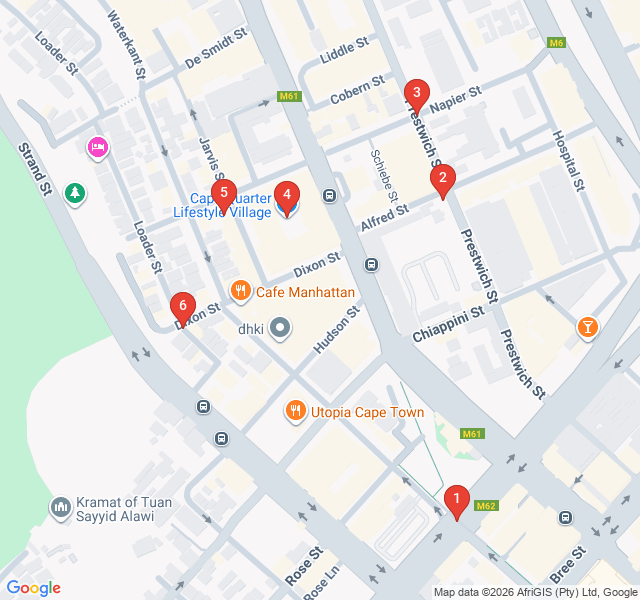
Numbers indicate the order of stops on the tour.
Start exploring with Zigway at the Fan Bridge, a sleek pedestrian overpass built for the 2010 FIFA World Cup. This bridge was designed to facilitate the 'Fan Walk,' a 2.5-kilometer route connecting the city center to the Cape Town Stadium. From this elevated vantage point, you can appreciate the architectural contrast between the glass skyscrapers of the business district and the low-rise historic buildings of De Waterkant. Notice how the bridge’s modern engineering provides a gateway to one of the city’s oldest residential areas. It is a symbol of Cape Town’s transition into a modern global city while maintaining its historical roots and pedestrian-friendly spaces.
As you step off the bridge, you enter the historic core of De Waterkant. The name literally translates from Dutch to 'The Water Side,' as this area was once much closer to the shoreline before land reclamation projects extended the city into the sea. This neighborhood was established in the early 19th century and served as a home for a diverse community of tradespeople and freed slaves. Look around at the narrow streets and the unique layout of the buildings. The area is renowned for its preservation of Cape Georgian architecture, characterized by flat roofs, symmetrical facades, and thick masonry walls designed to withstand the coastal elements.
Napier Street is the central artery of the village and home to the striking Sacred Heart Catholic Church. This church, built in the late 1800s, has long been a spiritual anchor for the local community. The street itself is a perfect example of the neighborhood's character, with its steep incline and traditional cobblestones. These stones were originally used as ballast in ships arriving from Europe; when the ships loaded up with local goods for the return journey, the heavy stones were discarded and eventually repurposed to pave the streets. Take a moment to admire the ornate wooden doors and the colorful window shutters that line this thoroughfare.
The Cape Quarter Lifestyle Village represents a successful marriage of heritage preservation and modern commercial design. This complex was built around an existing square, incorporating the facades of old warehouses and homes into a contemporary shopping and dining destination. It serves as a social heart for the neighborhood, where locals and visitors gather under the shade of trees in the central courtyard. The architecture here highlights the 'adaptive reuse' movement, ensuring that the historical fabric of the neighborhood is maintained even as the city evolves. It is a great place to observe the daily rhythms of De Waterkant life while appreciating the local design aesthetic.
On the corner of Jarvis and Napier Streets, you will find The Piano Bar, a local institution that captures the musical soul of the area. De Waterkant has a long-standing association with the arts and nightlife, and this venue is a testament to that legacy. While the neighborhood is peaceful during the day, it transforms into a sophisticated entertainment hub as the sun sets. The building itself reflects the typical De Waterkant style, with a wrap-around balcony that offers views of the street life below. This spot highlights the neighborhood's transition from a quiet residential enclave to a vibrant, culturally rich district known for its jazz and live performances.
Conclude your self-guided adventure on Loader Street, arguably the most photographed street in Cape Town. This narrow, winding road is lined with impeccably restored 19th-century cottages, each painted in a unique pastel hue. Loader Street offers some of the best views in the neighborhood, looking out over the harbor and the city skyline. Many of these houses were originally small dwellings for harbor workers, but they are now some of the most sought-after properties in the country. Notice the intricate wrought-iron railings and the rooftop terraces, which are a hallmark of the area’s luxury renovation. It is the perfect place to finish your stroll and capture a final iconic image.
Start Free on iPhone
Explore “Cobblestones and Cottages: The Charm of De Waterkant” with your very own Private Tour Guide with Zigway. Start free on iPhone, skip the large group and the fixed routes, and hear the city come alive as you go.
Your Private Tour Guide
Don't miss the good stuff
Explore Freely
 Moderate
Cape Town, South Africa
Explore the vibrant murals and creative hubs of Woodstock on this self-guided neighborhood stroll through Cape Town's artistic heart.
 Easy
EasyCape Town, South Africa
Explore the evolution of Cape Town’s harbor from its 18th-century roots to a modern cultural hub on this self-guided maritime history walk.
 Easy
EasyCape Town, South Africa
Discover the heritage of Cape Town on this self-guided audio walk through the historic Company’s Garden and its surrounding landmarks.
 Easy
EasyCape Town, South Africa
Explore Cape Town's bohemian heart and scientific heritage on this self-guided walk through the eclectic and historic Observatory neighborhood.
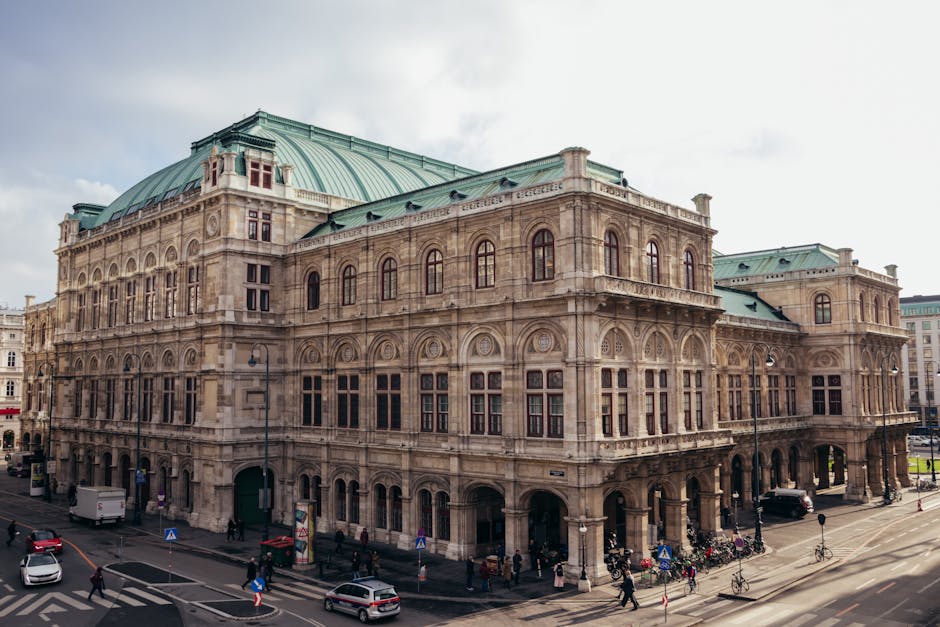 Moderate
Vienna, Austria
Discover the noir world of The Third Man and Cold War Vienna on this atmospheric self-guided audio walk through the historic Innere Stadt.
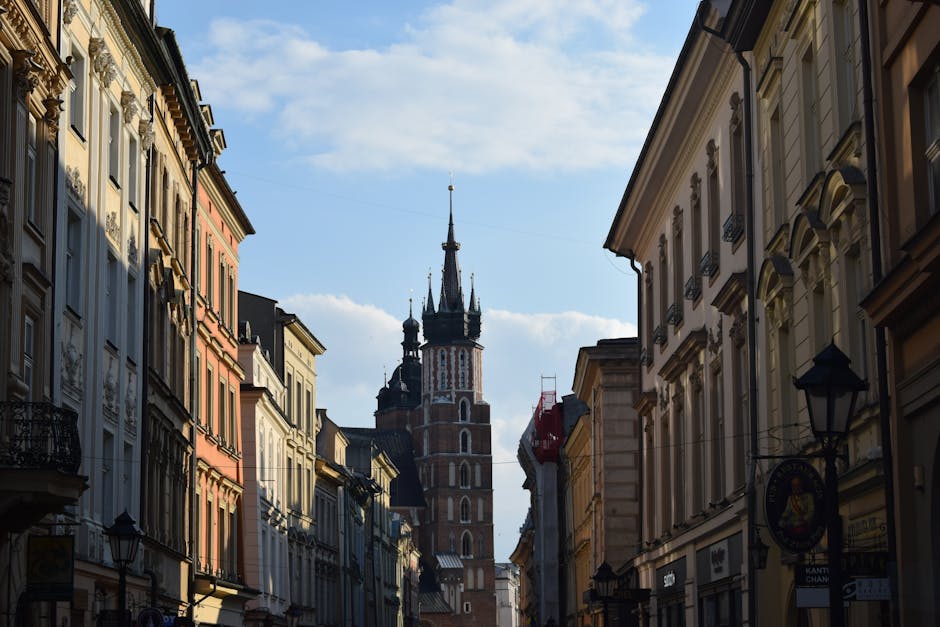 Moderate
Krakow, Poland
Discover Krakow’s stunning skyline and riverside charm on this self-guided audio walk through scenic viewpoints and historic mounds.
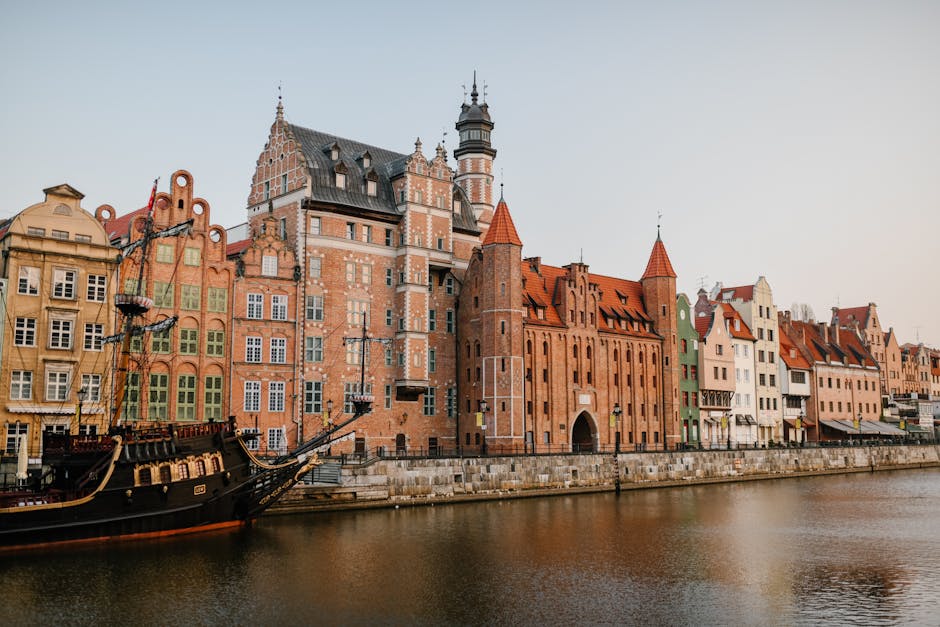 Easy
EasyGdansk, Poland
Discover the 'Baltic Gold' on this self-guided walk through Gdansk's historic mills, massive cathedrals, and the magical Mariacka Street.
 Easy
EasyWarsaw, Poland
Discover the hidden courtyards and grand pre-war architecture of Warsaw's most atmospheric neighborhood on this self-guided stroll.
 Easy
EasyJohannesburg, South Africa
Explore Johannesburg's cultural soul on this self-guided walk through Newtown’s historic theaters, jazz venues, and powerful migrant labor museums.
 Easy
EasyJohannesburg, South Africa
Discover the 'City of Gold' on this self-guided walk through Johannesburg’s historic mining district, from Gandhi Square to Mandela’s law office.
 Moderate
Johannesburg, South Africa
Explore the creative soul of Johannesburg on this self-guided walk through Melville’s iconic bookstores, cafes, and ancient ridges.
 Easy
EasyJohannesburg, South Africa
A sensory self-guided walk through Johannesburg's Indian district, featuring aromatic spices, legendary street food, and rich anti-apartheid history.