Self-guided audio tour in Reykjavik
Start Free on iPhone
Start free on iPhone to unlock this self-guided walking tour in Reykjavik. Hear all the stories that make it amazing, walk at your own pace, and begin whenever you want.
Your Private Tour Guide
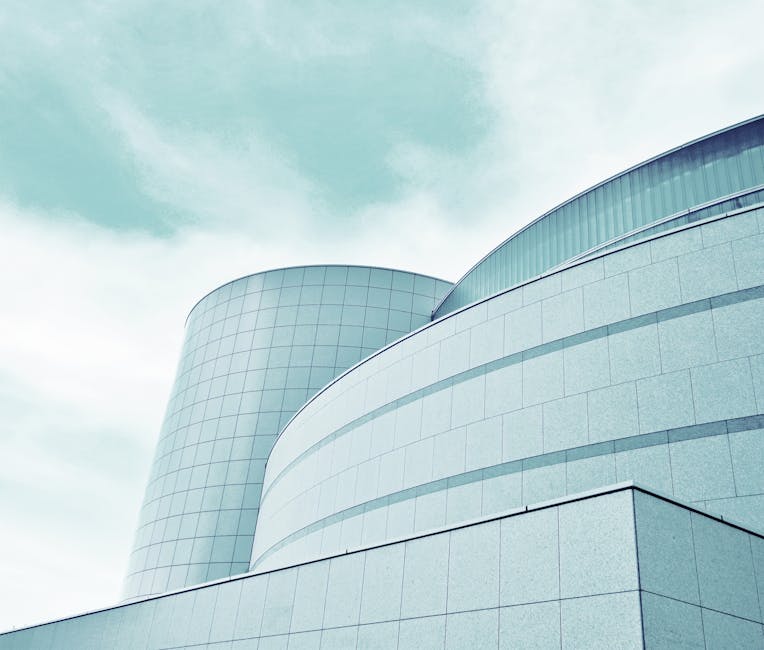
Reykjavik is a city defined by its ability to transform. While many visitors look for the colorful wooden houses of the old town, the true soul of Icelandic design lies in its bold, often experimental use of concrete and glass. This self-guided walk explores the evolution of the city's skyline, moving from the functionalist roots of the early 20th century to the daring, light-filled structures of the modern era. You will discover how Icelanders turned to concrete after the Great Fire of 1915, creating a unique aesthetic that mimics the rugged, volcanic landscapes surrounding the capital. Beginning at the National Museum, the route winds through the cultural heart of the city. You will see the only building in Iceland designed by the legendary Finnish architect Alvar Aalto—the Nordic House—which stands as a masterpiece of organic modernism. As you continue toward the water, the architectural style shifts into the late 20th-century Brutalism of the Reykjavik City Hall, a building that literally floats on the edge of Lake Tjörnin. This walking route Reykjavik offers is not just about buildings; it is about how materials like basalt-inspired concrete and geometric glass panels reflect the national identity. The journey concludes with two of the city's most photographed landmarks: the shimmering Harpa Concert Hall and the towering Hallgrímskirkja. At Harpa, you can observe how thousands of glass blocks capture the shifting Arctic light, while the church stands as a monumental tribute to the basalt columns found at the Black Sand Beach. This architecture-focused neighborhood stroll is perfect for those who want to understand the 'New Iceland'—a place where tradition meets cutting-edge innovation. Whether you are a design enthusiast or a curious traveler, this self-guided adventure provides a deep dive into the shapes and shadows that make Reykjavik one of the most visually striking capitals in the world.
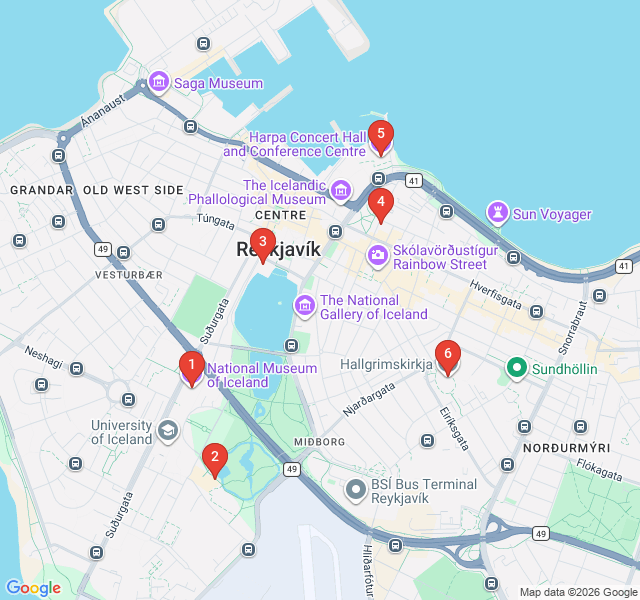
Numbers indicate the order of stops on the tour.
Start your self-guided adventure at the National Museum, a building that serves as the perfect introduction to Iceland’s physical history. While the museum houses treasures from the Viking Age, notice the building itself: a sturdy, functionalist structure. After the Great Fire of 1915 destroyed much of the city's timber housing and a subsequent ban on wooden construction was enacted, concrete became the material of choice. This building represents the early adoption of concrete as a primary medium, designed to withstand the harsh Atlantic elements. It sets the stage for how Icelanders moved away from traditional turf houses into a modern, industrial era without losing their connection to the land.
Designed by the world-renowned Finnish architect Alvar Aalto and opened in 1968, the Nordic House is a gem of organic modernism. Look at the roofline; it was designed to mimic the shape of the mountains in the distance. Aalto was famous for 'total design,' meaning he created everything from the building's footprint to the furniture and light fixtures inside. The use of white plaster and blue ceramic tiles was a radical departure for Reykjavik at the time. It stands in the middle of a bird sanctuary, emphasizing the modernist ideal of harmony between man-made structures and the natural environment.
As you approach Lake Tjörnin, you’ll encounter the Reykjavik City Hall, completed in 1992. This is a prime example of late-modernist architecture, blending Brutalist concrete with glass and water. The building actually sits in the lake, supported by columns that allow the water to flow beneath it. Inside, the design remains open and accessible, reflecting the transparency of Icelandic democracy. Don't miss the massive 3D relief map of Iceland on the ground floor; it provides a literal look at the volcanic topography that inspired the very concrete walls surrounding you.
Tucked away near the harbor, the Supreme Court building is a masterclass in minimalist design. Completed in 1996, it features a facade of dark, polished basalt and green copper, intended to weather over time. The architects, Studio Granda, wanted the building to feel like it emerged from the earth. The lack of grand, intimidating columns—often found in judicial buildings elsewhere—reflects the egalitarian nature of Icelandic society. Its sharp angles and somber tones provide a quiet, powerful presence that contrasts beautifully with the more vibrant structures nearby.
Harpa is arguably the crown jewel of modern Reykjavik. Opened in 2011, its facade was designed by artist Olafur Eliasson in collaboration with Henning Larsen Architects. The building is wrapped in a 'quasi-brick' steel and glass skin that captures and reflects the Icelandic light, changing color depending on the weather and time of day. The geometric shapes are inspired by the columnar basalt formations found across the island. Harpa was a symbol of resilience, as construction continued even during the 2008 financial crisis, eventually becoming a beacon of the city’s cultural rebirth.
End your walking route at Hallgrímskirkja, the most iconic silhouette in the Icelandic sky. Designed by State Architect Guðjón Samúelsson in 1937, it took 41 years to complete. Samúelsson was a pioneer of the 'Icelandic Style,' seeking to create an architecture that felt indigenous to the island. The stepped concrete pillars on the facade are a direct reference to the basalt columns formed by cooling lava. While the exterior is dramatic and grand, the interior is famously austere and light-filled, embodying the clean lines and simplicity of Nordic modernism.
Start Free on iPhone
Explore “Concrete & Glass: Modernist Architecture” with your very own Private Tour Guide with Zigway. Start free on iPhone, skip the large group and the fixed routes, and hear the city come alive as you go.
Your Private Tour Guide
Don't miss the good stuff
Explore Freely
 Moderate
Reykjavik, Iceland
Discover Reykjavik’s most photogenic landmarks on this self-guided walk through the colorful streets and dramatic coastal viewpoints of downtown.
 Moderate
Reykjavik, Iceland
Explore Reykjavik’s verdant valley, from coastal sculpture museums and geothermal pools to the historic arena of the 'Match of the Century.'
 Easy
EasyReykjavik, Iceland
Explore Reykjavik’s vibrant beer scene and history on this self-guided audio walk through the city’s best craft bars and local haunts.
 Easy
EasyReykjavik, Iceland
Explore Reykjavik’s Viking origins and historic core at your own pace on this self-guided audio walk through the city's oldest streets.
 Easy
EasyNairobi, Kenya
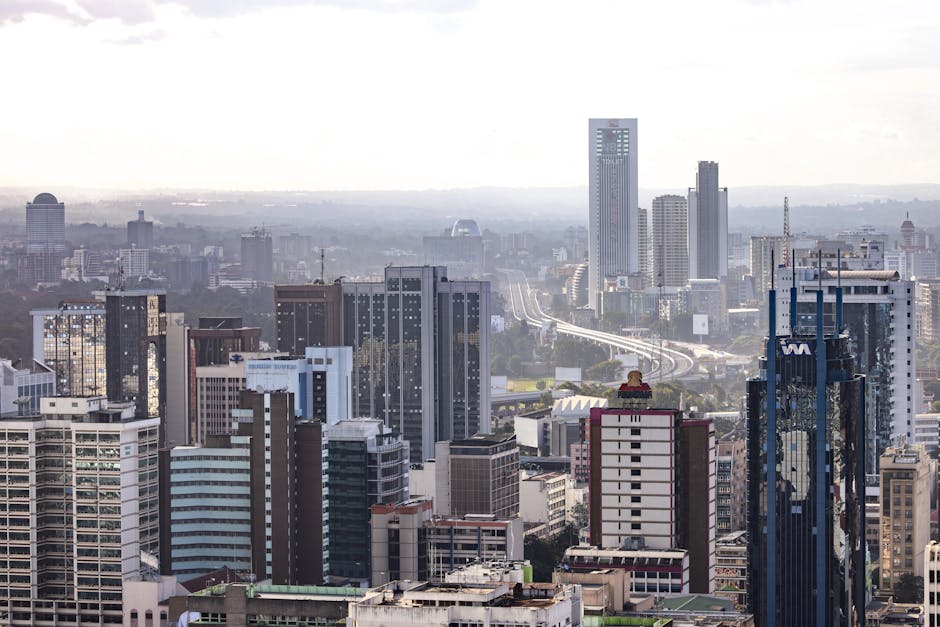
Discover Nairobi's iconic skyline on this self-guided architecture walk through the CBD’s most famous modernist and Brutalist landmarks.
 Easy
EasyGdansk, Poland
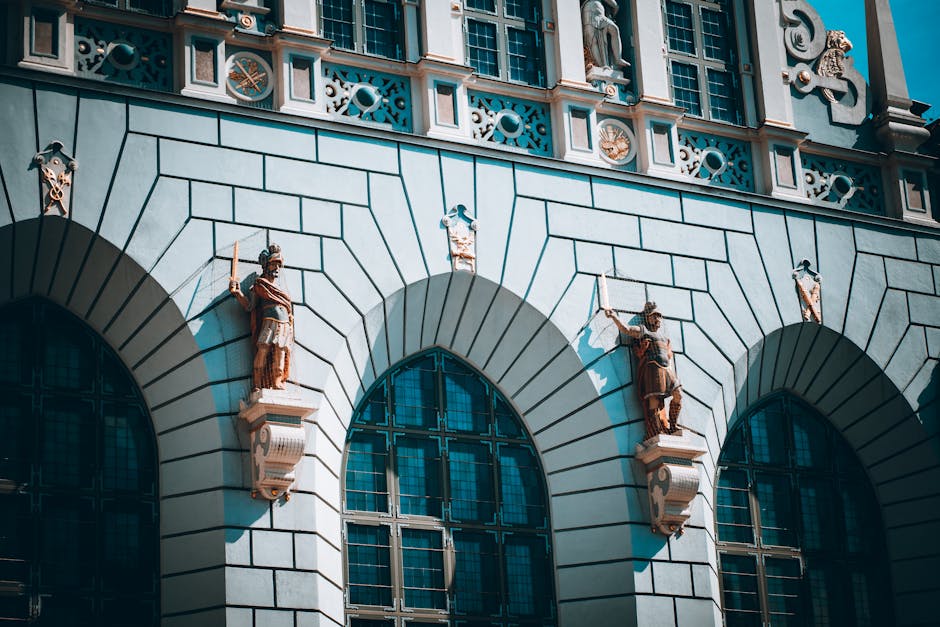
Discover the opulent Royal Way of Gdansk at your own pace. Explore Hanseatic history, gilded architecture, and the iconic Neptune's Fountain.
 Easy
EasyGothenburg, Sweden
Discover Gothenburg’s 17th-century Dutch foundations, historic canals, and military fortifications on this self-guided architectural walk.
 Easy
EasyNairobi, Kenya
Explore Nairobi's architectural evolution from colonial-era landmarks to iconic Brutalist skyscrapers on this historic self-guided walking route.