Self-guided audio tour in Reykjavik
Start Free on iPhone
Start free on iPhone to unlock this self-guided walking tour in Reykjavik. Hear all the stories that make it amazing, walk at your own pace, and begin whenever you want.
Your Private Tour Guide
Reykjavik is often cited as the world's most gender-equal city, but the stories of the women who built this society are often tucked away in quiet corners and subtle monuments. This self-guided walk invites you to uncover the legacy of the pioneers, politicians, and protestors who transformed Iceland from a rugged settlement into a global leader in human rights. As you move through the heart of the capital, you will encounter the spirits of Viking age matriarchs, the first female members of parliament, and the legendary president who broke the ultimate glass ceiling. This walking route Reykjavik offers is more than just a history lesson; it is an exploration of the 'Women's Strike' of 1975 and the ongoing journey toward equality. Your self-guided adventure begins at Bríetartorg, a square dedicated to the woman who kickstarted the suffrage movement in Iceland. From there, you will stroll toward the Alþingi, the oldest parliament in the world, to hear about the women who first took their seats in a male-dominated hall. The route weaves through the historic center, passing the Old Women's School and the poignant Water Carrier sculpture, which honors the grueling labor of working-class women. You will also have the chance to explore the cultural side of the city, from the contemporary art at Hafnarhús to the ancient sagas at the Saga Museum, highlighting the female figures who were often just as fierce as their male counterparts. While many visitors opt for a standard guided tour Reykjavik, this independent stroll allows you to linger at the sites that resonate most with you. Whether you are intrigued by the political savvy of Vigdís Finnbogadóttir or the archaeological mysteries of the 'Lady in Blue' at the National Museum, this route provides the context you need to see the city through a new lens. The journey concludes with a trek toward Perlan, offering a panoramic view of a city that continues to be defined by the strength and vision of its women.
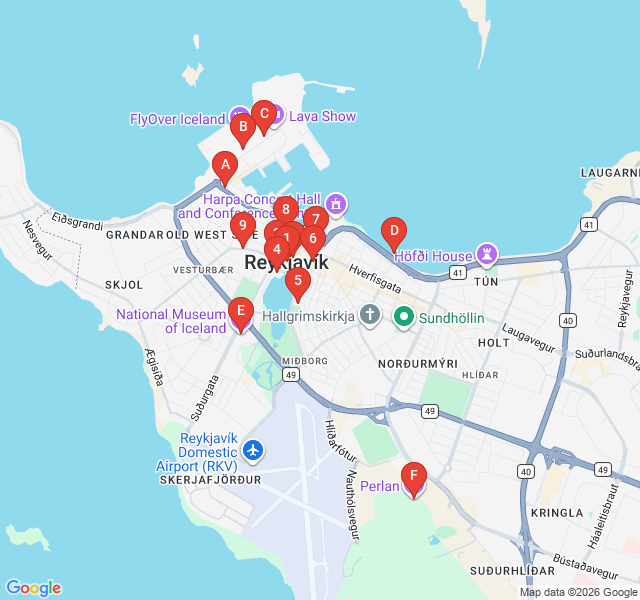
Numbers indicate the order of stops on the tour.
Start your journey at this quiet square dedicated to Bríet Bjarnhéðinsdóttir. Bríet was a journalist, a teacher, and a powerhouse of the women's suffrage movement in Iceland. In 1907, she founded the Icelandic Women's Rights Association, and just a year later, she was one of the first four women elected to the Reykjavik City Council. This square stands near where her home once was, serving as a reminder of the foundational work required to secure the vote. As you look around, imagine the city in the early 1900s, when women like Bríet were first demanding a seat at the table.
The Alþingishúsið is the heart of Icelandic democracy. While the parliament itself dates back to 930 AD, it took nearly a millennium for women to be represented here. In 1922, Ingibjörg H. Bjarnason became the first woman elected to the Alþingi. She didn't just represent a party; she represented a women's list, focusing on education and healthcare. Look up at the basalt facade and consider the famous 'Women’s Day Off' in 1975, when 90% of Icelandic women went on strike, paralyzing the country and proving that society could not function without their labor.
This underground museum is built around the ruins of a 10th-century longhouse. While Viking history is often portrayed as a male-only saga of raiding, the archaeological evidence here tells a different story. Women were the managers of the household and often the keepers of the keys—a symbol of their authority. One of the most famous early settlers was Aud the Deep-Minded, a Christian matriarch who commanded her own ship and claimed vast tracts of land. She was known for her wisdom and for being one of the few settlers who freed her slaves.
Sitting on the edge of Lake Tjörnin, the City Hall is a modern architectural marvel. Inside, you will find a large 3D map of Iceland, but the real story here is political. This building has seen the tenure of many influential women, including the world's first democratically elected female head of state, Vigdís Finnbogadóttir, who served as President of Iceland from 1980 to 1996. Her presidency was a watershed moment, showing a generation of Icelanders that a woman could lead the nation with grace and immense popularity.
This elegant building was founded by Thora Melsted in 1874. At a time when formal education was largely reserved for men, Thora recognized that women needed their own space to learn and grow. The school didn't just teach domestic skills; it provided a rigorous curriculum that prepared women for public life. It was a radical idea for the 19th century and laid the groundwork for the intellectual empowerment of Icelandic women. Today, the school's legacy continues, as Iceland boasts some of the highest rates of female education in the world.
This striking bronze statue, titled 'Vatnsberinn' by Ásmundur Sveinsson, honors the women who performed one of the city's hardest jobs. Before modern plumbing reached Reykjavik in 1909, water had to be carried by hand from the wells to the houses. This grueling task fell almost exclusively to the poorest women in the city. The sculpture’s heavy, blocky forms capture the physical strain and the quiet dignity of these laborers. It serves as a poignant tribute to the invisible work that kept the city running for centuries.
While the subject matter here might seem focused on the masculine, the museum offers a unique perspective on Icelandic culture's openness and humor. In recent years, the museum has expanded its focus to include folklore and the role of biological science in education. For this walk, consider it a testament to the Icelandic spirit of frankness and the dismantling of taboos—a cultural shift that has gone hand-in-hand with the country’s progressive stance on gender and sexuality.
Housed in a former harbor warehouse, this museum is the home of the Erró collection, but it frequently showcases groundbreaking female artists from Iceland and abroad. Artists like Nína Tryggvadóttir and Gerður Helgadóttir paved the way for women in the Icelandic art scene, moving from traditional crafts into the world of abstract painting and sculpture. The museum reflects the city's commitment to diverse voices, ensuring that the creative output of women is given the monumental space it deserves in the national narrative.
This building is named after Hallveig Fróðadóttir, the wife of Reykjavik's first settler, Ingólfur Arnarson. It serves as the headquarters for several women's organizations, including the Women’s Rights Association. Since its opening in the mid-20th century, it has been a hub for activism and a safe harbor for women’s interests. It represents the transition from individual pioneers to organized, collective action. Hallveig herself was a pioneer, co-founding the first farmstead in what would eventually become this bustling capital city.
Step into the world of the Icelandic Sagas, where women were far from passive observers. In these medieval tales, women like Guðrún Ósvífursdóttir and Hallgerður 'Long-pants' were powerful, complex characters who often drove the plot through their influence, wit, and occasionally, their thirst for revenge. The museum uses lifelike wax figures to bring these stories to life, highlighting that even in a warrior culture, the social standing and legal rights of women were surprisingly high compared to the rest of Europe at the time.
This immersive exhibition features life-sized models of the giants of the deep. In the field of marine biology and whale research, Icelandic women have made significant strides. From leading conservation efforts to spearheading scientific studies on whale behavior, female researchers are at the forefront of protecting Iceland's maritime heritage. As you walk among these massive figures, consider the role of women in the scientific community and their work in ensuring a sustainable future for the ocean's most majestic inhabitants.
The Northern Lights have inspired countless myths, many featuring feminine spirits. In some traditions, the lights were seen as the spirits of maidens dancing in the sky. At Aurora Reykjavik, you can learn about the science behind the phenomenon, but also the folklore that has shaped the Icelandic psyche. These stories often reflect the mysterious and powerful nature of the feminine, mirrored in the unpredictable beauty of the lights that dance over the North Atlantic during the long winter nights.
This iconic sculpture by Jón Gunnar Árnason is often described as a dream boat or an ode to the sun. While it commemorates the history of discovery, it also invites us to think about the women who traveled across the rough seas to reach these shores. Whether as settlers, traders, or explorers, women were part of every voyage. The stainless steel structure gleaming against the Faxaflói Bay serves as a symbol of the hope and the indomitable spirit required to build a life on this volcanic island.
The National Museum holds the 'Lady in Blue,' the remains of a 10th-century woman found in East Iceland. Her grave, filled with expensive jewelry and a rare blue apron, tells us that she was a person of significant wealth and status. This stop allows you to see the tangible history of women in Iceland, from the Viking age to the modern day. The exhibits show how women’s roles shifted through the centuries—from the powerful matriarchs of the settlement to the suffragettes of the 20th century.
Your walk concludes at Perlan, perched on Öskjuhlíð hill. While Perlan is known for its museum and ice cave, its observation deck offers a view of a city shaped by both men and women. Looking out over Reykjavik, you see a modern, thriving capital that is consistently ranked as one of the best places in the world to be a woman. The journey from the suffrage square to this panoramic height reflects the upward trajectory of women's rights in Iceland—a story of perseverance, community, and the courage to lead.
Start Free on iPhone
Explore “Pioneers & Politicians: Women’s History” with your very own Private Tour Guide with Zigway. Start free on iPhone, skip the large group and the fixed routes, and hear the city come alive as you go.
Your Private Tour Guide
Don't miss the good stuff
Explore Freely
 Moderate
Reykjavik, Iceland
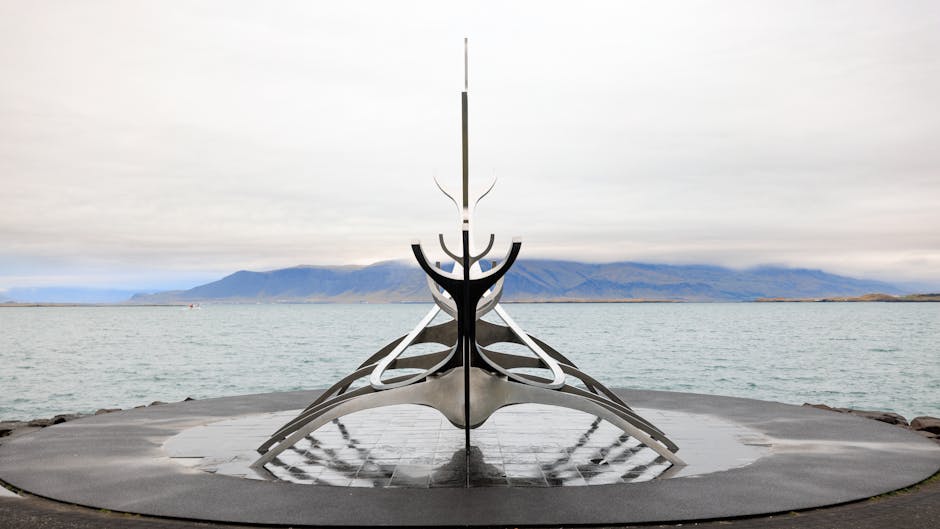
Discover Reykjavik’s most photogenic landmarks on this self-guided walk through the colorful streets and dramatic coastal viewpoints of downtown.
 Moderate
Reykjavik, Iceland
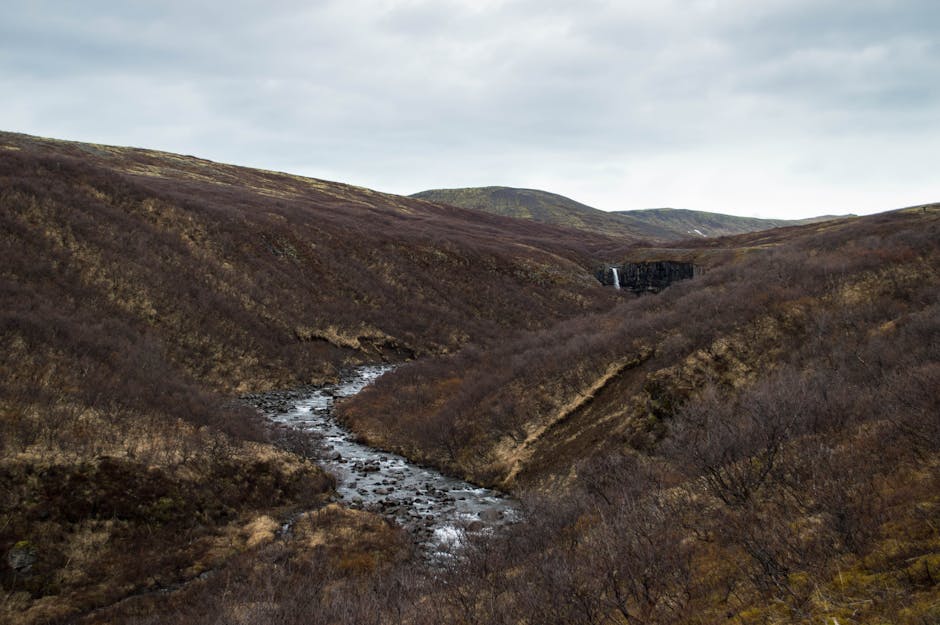
Explore Reykjavik’s verdant valley, from coastal sculpture museums and geothermal pools to the historic arena of the 'Match of the Century.'
 Easy
EasyReykjavik, Iceland
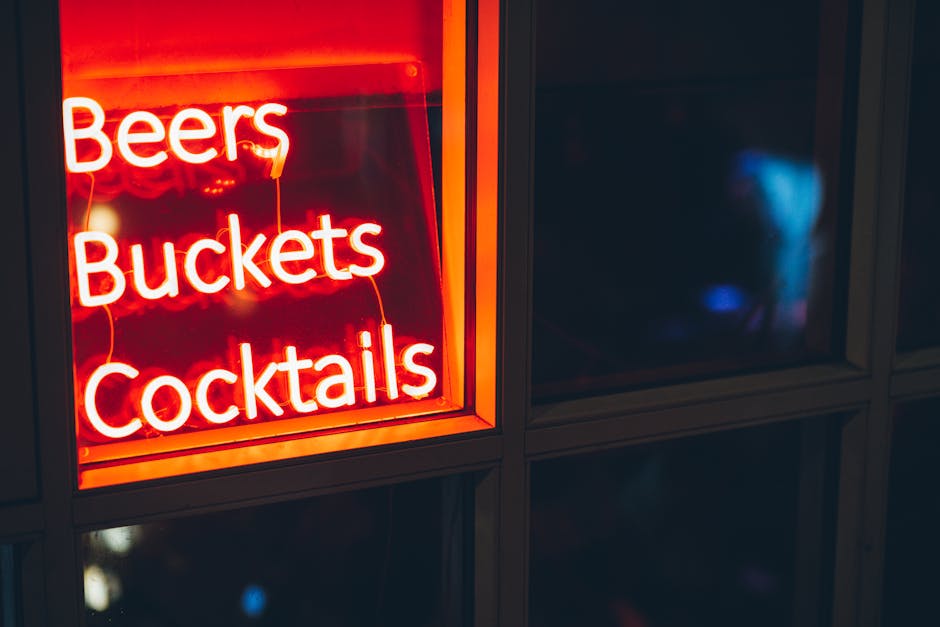
Explore Reykjavik’s vibrant beer scene and history on this self-guided audio walk through the city’s best craft bars and local haunts.
 Easy
EasyReykjavik, Iceland
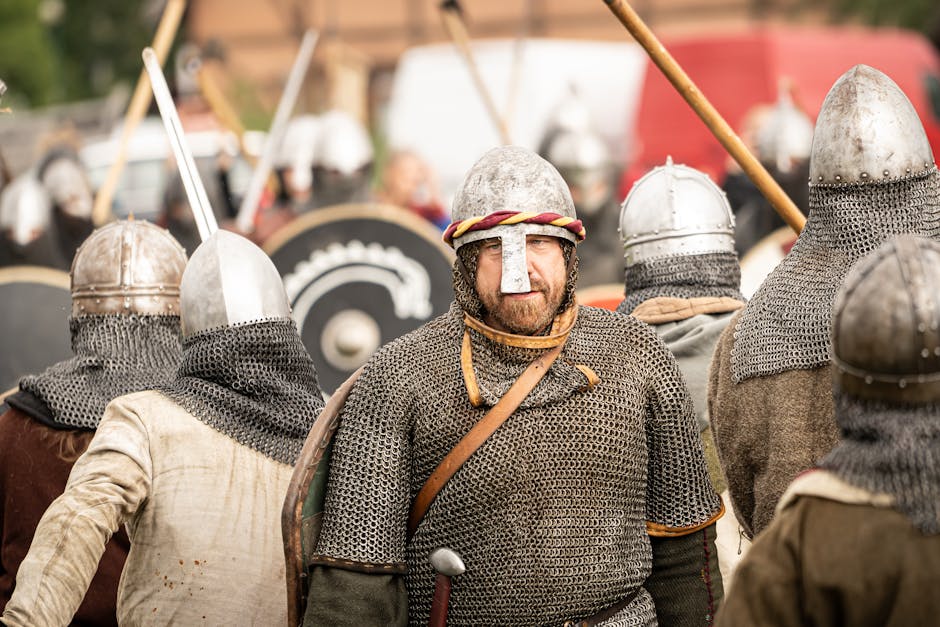
Explore Reykjavik’s Viking origins and historic core at your own pace on this self-guided audio walk through the city's oldest streets.
 Easy
EasyGothenburg, Sweden
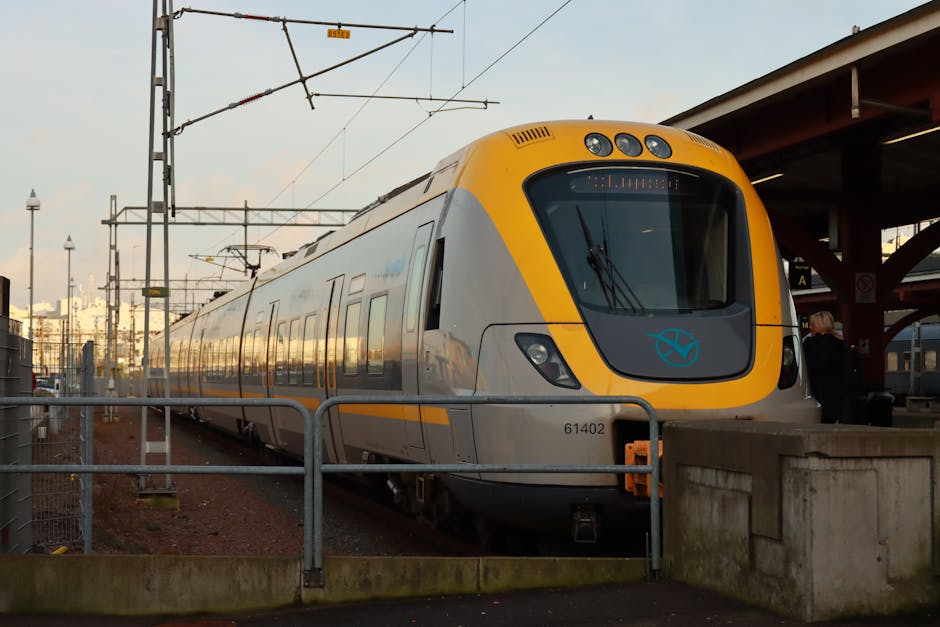
Discover Gothenburg’s 17th-century Dutch foundations, historic canals, and military fortifications on this self-guided architectural walk.
 Easy
EasyNairobi, Kenya
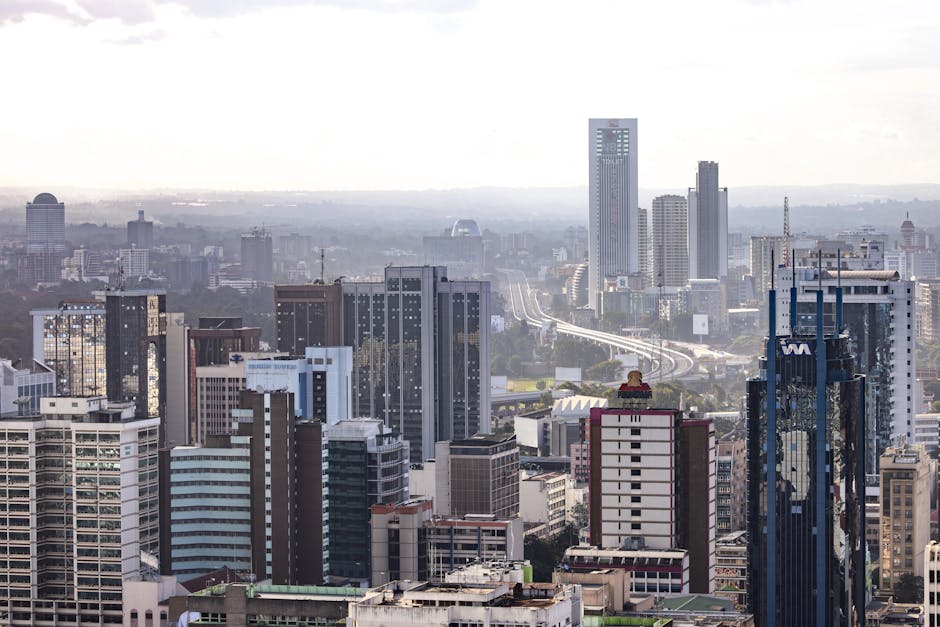
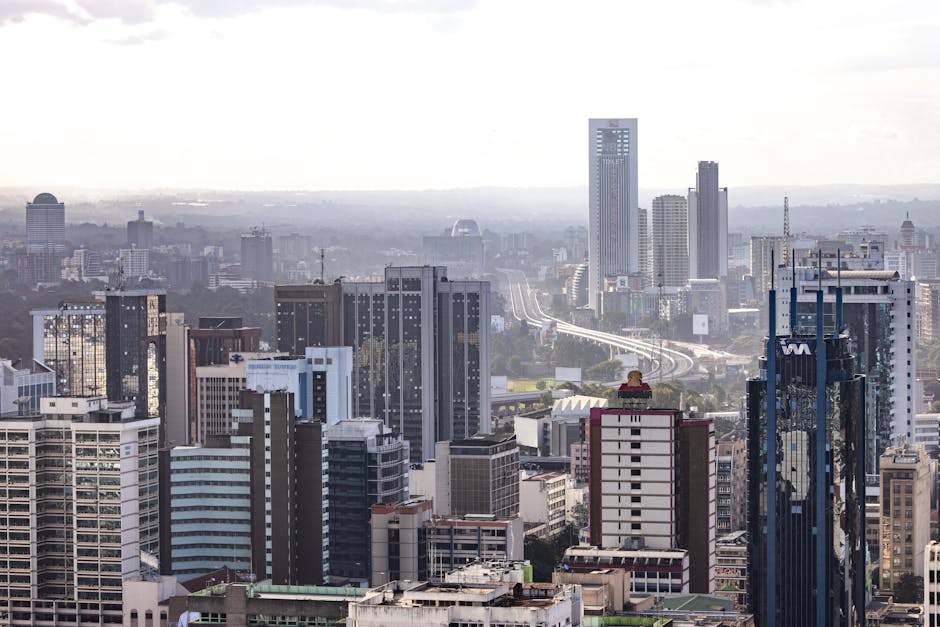
Explore Nairobi's architectural evolution from colonial-era landmarks to iconic Brutalist skyscrapers on this historic self-guided walking route.
 Easy
EasyNairobi, Kenya
Explore the history of Kenya’s independence through the statues, monuments, and parks that define Nairobi’s political heart on this self-guided walk.
 Easy
EasyNairobi, Kenya
Discover Nairobi's iconic skyline on this self-guided architecture walk through the CBD’s most famous modernist and Brutalist landmarks.