Self-guided audio tour in Riga
Start Free on iPhone
Start free on iPhone to unlock this self-guided walking tour in Riga. Hear all the stories that make it amazing, walk at your own pace, and begin whenever you want.
Your Private Tour Guide
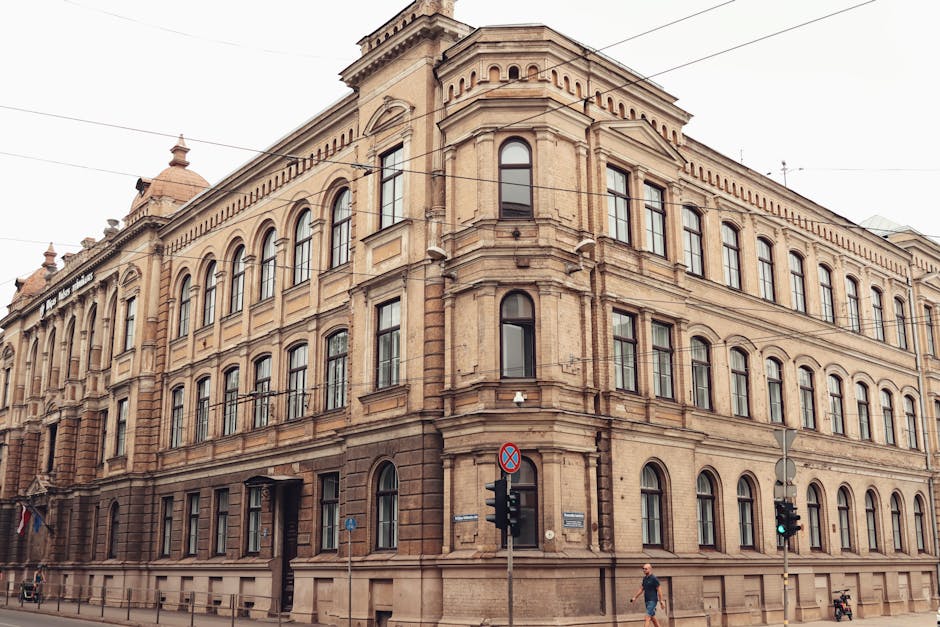
Step across the Daugava River and leave the medieval spires of the Old Town behind to discover Pārdaugava, Riga's enchanting 'Left Bank.' This neighborhood stroll invites you into a world where 19th-century wooden architecture meets modern cultural landmarks and serene riverside paths. Historically known as a place of summer manors and industrial growth, Pārdaugava has evolved into a creative heart of the city, offering a more local and laid-back perspective on Latvian life. This walking route highlights the unique contrast between the historic wooden houses of Āgenskalns and the glass-and-steel ambition of the National Library of Latvia. Your self-guided walk begins at the recently restored Āgenskalns Market, a brick-and-iron masterpiece that serves as the neighborhood's culinary soul. From here, you will wander toward the Kalnciems Quarter, a cluster of meticulously preserved wooden buildings that now host local markets and art events. As you move through the greenery of Victory Park, you will encounter the 'Castle of Light,' the National Library, which is a triumph of modern architecture inspired by Latvian folklore. The route then leads you to the quiet, cobblestoned banks of Balasta dambis, offering the most iconic views of Riga’s skyline from across the water. Finally, the journey concludes at the Žanis Lipke Memorial, a hidden architectural gem that tells a powerful story of courage and humanity during World War II. This walking route Riga is perfect for those who want to see a different side of the capital beyond the typical tourist paths. By choosing this self-guided walk, you can explore independently, stopping for a coffee in a wooden courtyard or lingering by the river at sunset. Whether you are an architecture enthusiast or a history buff, this walk provides a deep dive into the soul of Pārdaugava, showcasing how the city’s past and future coexist along its verdant streets.
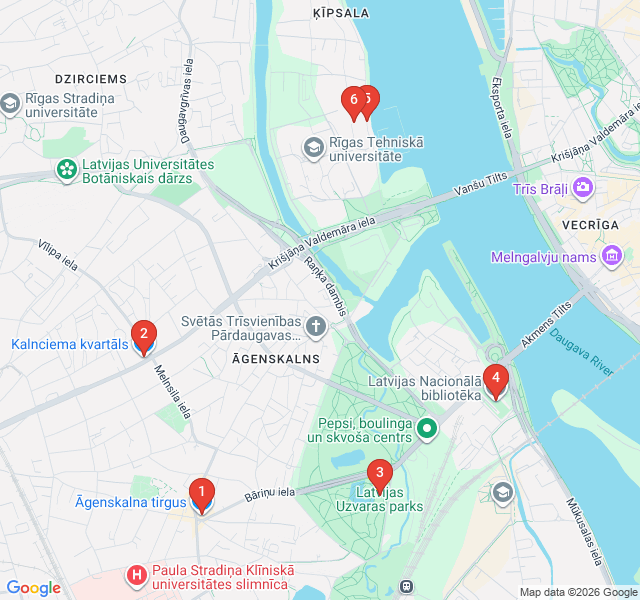
Numbers indicate the order of stops on the tour.
Welcome to the heart of the Left Bank. This impressive red-brick structure, designed by Riga's chief architect Reinhold Schmaeling, opened its doors in 1911. After a major renovation, it has regained its status as a vibrant community hub. Notice the Art Nouveau influences in the brickwork and the vast, airy interior supported by iron columns. The ground floor is a paradise for local produce, from smoked meats to seasonal berries, while the upper floor offers a variety of local eateries. This market has survived wars and regime changes, remaining a constant in the lives of Pārdaugava residents for over a century.
A short walk brings you to the Kalnciems Quarter, a unique ensemble of 19th-century wooden buildings. Riga is home to one of the largest collections of wooden architecture in Europe, and this quarter is a prime example of its revitalization. These buildings were once decaying, but a dedicated restoration project has turned them into a center for art, design, and local culture. If you visit on a Saturday, you might find a bustling farmers' market here. Take a moment to admire the intricate window frames and the warm, weathered textures of the wood, which provide a stark contrast to the stone-and-brick center of the city.
Victory Park, or Uzvaras parks, is a vast green space with a complex history. Originally laid out in the early 20th century to celebrate the victory over the West Russian Volunteer Army, the park has seen significant changes in its landscape and symbolism over the decades. Today, it is a popular spot for recreation, with paths for cycling and rollerblading. The park reflects the shifting layers of Latvian history and the ongoing process of redefining public spaces in the post-Soviet era. It serves as a 'green lung' for the Pārdaugava district, offering a peaceful transition between the residential areas and the riverfront.
Standing before you is the 'Castle of Light' (Gaismas pils), the National Library of Latvia. Designed by the world-renowned Latvian-American architect Gunārs Birkerts, its shape is inspired by a 'Glass Mountain' from a Latvian folktale—a symbol of the struggle for freedom and the height of knowledge. Completed in 2014, it is one of the most significant cultural projects in 21st-century Latvia. The building houses over four million items and features a massive wall of books donated by the public. Its asymmetric, jagged silhouette has become an iconic part of the Riga skyline, representing the country's modern aspirations and intellectual heritage.
This historic embankment, Balasta dambis, offers perhaps the most picturesque walk in Riga. The name 'Balasta' refers to the ballast stones that ships used to dump here before taking on cargo. As you walk along the cobblestones, look across the Daugava River for an unobstructed view of the Old Town spires. On your left, you'll see a row of charming wooden houses, some of which are centuries old. This area was historically a fishing and shipping village. Today, it is a peaceful retreat where the old-world charm of the wooden waterfront meets the modern skyline of the Swedbank 'Sun Stone' tower nearby.
Tucked away in a quiet courtyard on Ķīpsala island is the Žanis Lipke Memorial. This award-winning building is dedicated to a local dockworker who, along with his wife Johanna, saved more than 50 Jewish people during the Holocaust by hiding them in a bunker beneath his woodshed. The memorial's design, by Zaiga Gaile, is deeply symbolic—it resembles a wooden 'ark' or a dark shed, and the interior is dimly lit to evoke the feeling of the hiding place. It is a powerful place of reflection on individual courage. This stop concludes our walk, leaving you in the tranquil, historic atmosphere of Ķīpsala.
Start Free on iPhone
Explore “Wooden Architecture and Riverside Charms of Pārdaugava” with your very own Private Tour Guide with Zigway. Start free on iPhone, skip the large group and the fixed routes, and hear the city come alive as you go.
Your Private Tour Guide
Don't miss the good stuff
Explore Freely
 Moderate
Riga, Latvia
Discover Riga's Soviet-era architecture and history, from the KGB building to the iconic Stalinist Academy of Sciences on this self-guided walk.
 Easy
EasyRiga, Latvia
Explore Riga's lush 'Green Belt,' a scenic chain of historic parks, monuments, and romantic canals along the city's grand 19th-century boulevards.
 Easy
EasyRiga, Latvia
Explore Riga's poetic soul through its grand parks and iconic libraries on this self-guided literary walking route.
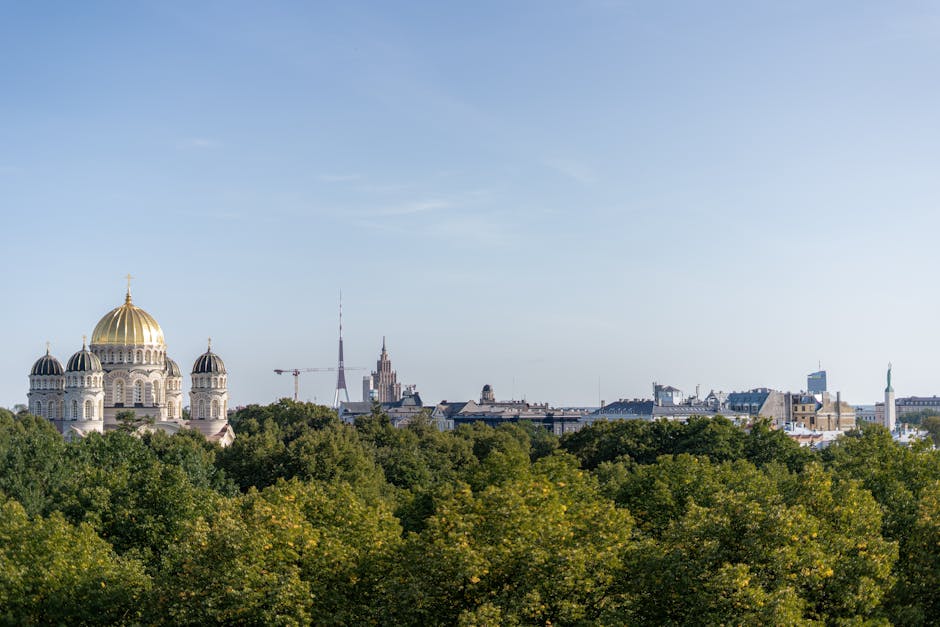 Moderate
Riga, Latvia
Discover Riga's modern skyline and historic wooden architecture on a scenic island walk with stunning river views and futuristic design.
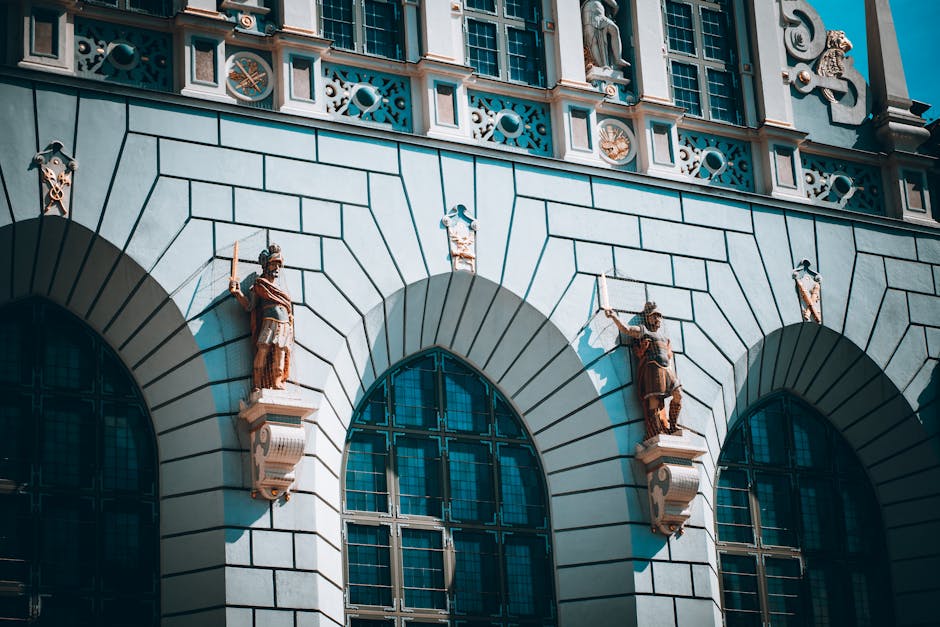 Moderate
Gdansk, Poland
Discover Zaspa, a massive open-air gallery where grey housing blocks are transformed by over 60 monumental murals. Explore at your own pace.
 Moderate
Nairobi, Kenya
Discover Nairobi's lush side on this self-guided walk through botanical gardens, historic memorials, and vibrant local markets.
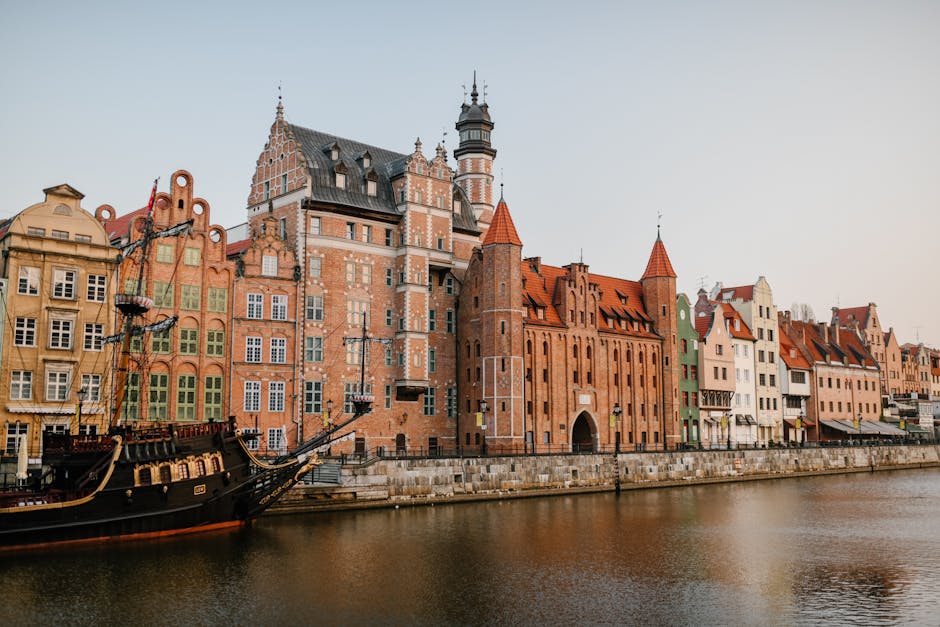 Moderate
Gdansk, Poland
Discover the bohemian soul of Gdańsk. Explore the literary landmarks of Günter Grass, Prussian villas, and the trendy cafes of historic Wrzeszcz.
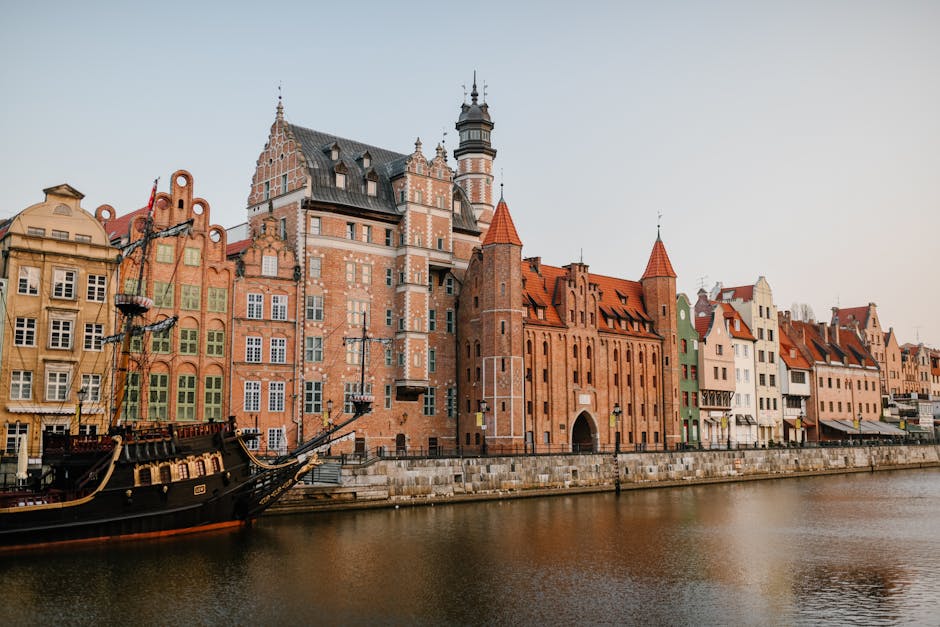 Moderate
Gdansk, Poland
Discover the raw beauty of Gdansk’s Lower Town. Explore industrial ruins, hidden sluices, and riverside bastions on this self-guided walk.