Self-guided audio tour in Riga
Start Free on iPhone
Start free on iPhone to unlock this self-guided walking tour in Riga. Hear all the stories that make it amazing, walk at your own pace, and begin whenever you want.
Your Private Tour Guide
Step into the complex and moving history of the Moscow District (Maskavas forštate) with this self-guided walk through Riga's Jewish heritage. This neighborhood, located just beyond the city's central markets, holds the echoes of centuries of community life, tragedy, and resilience. As you explore independently, you will uncover the layers of a district that served as the heart of Jewish Riga before being transformed into a site of immense suffering during the Holocaust. This walking route is designed for those who wish to understand the city's past beyond the typical tourist paths, focusing on authentic locations that tell a story of both survival and loss. The journey begins at the Spīķeri district, where historic warehouses now house the Riga Ghetto and Latvian Holocaust Museum. From here, the path leads you deeper into the Moscow District, a place historically characterized by its diverse population of Russian merchants, Jewish artisans, and laborers. You will encounter architectural contrasts, from the towering wooden structure of Jesus Church to the haunting ruins of the Great Choral Synagogue. These sites serve as powerful reminders of the community that once thrived here. The route also takes you to the Peitav Synagogue, a stunning example of Art Nouveau and the only synagogue in the city to survive the Nazi occupation intact. This self-guided adventure is not just a history lesson; it is a chance to reflect on the human stories embedded in the city's streets. You will walk the same paths as those confined to the ghetto, visiting the Old Jewish Cemetery and the remnants of the ghetto walls. By following this audio walk, you can move at your own pace, taking the time to absorb the significance of each memorial and landmark. Whether you are a first-time visitor or a returning traveler, this exploration offers a profound perspective on Riga's identity, honoring the memory of its Jewish citizens while highlighting the architectural and cultural heritage that remains today.
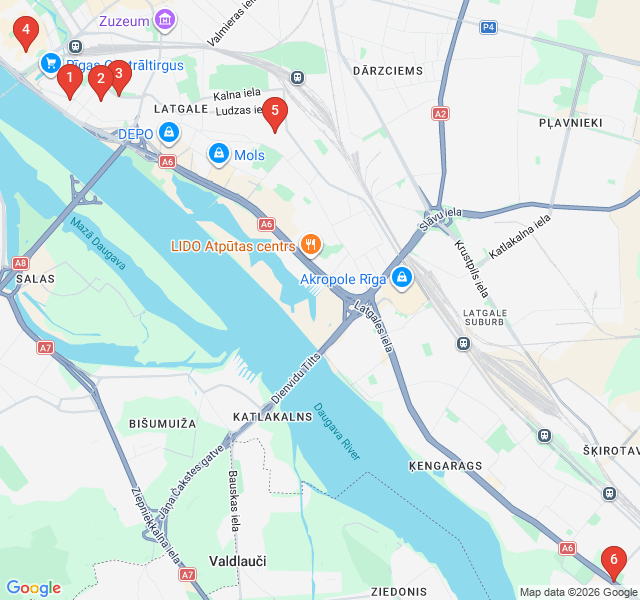
Numbers indicate the order of stops on the tour.
Start exploring at the edge of the Spīķeri district. This open-air museum is located on the very ground that was part of the Riga Ghetto boundary. As you walk through the gate, you will see a wall covered with over 70,000 names—each representing a Latvian Jew who perished during the Holocaust. The museum features a reconstructed ghetto house and a railway wagon of the type used for deportations. This site is a somber but essential introduction to the history of the neighborhood, emphasizing the scale of the loss while preserving the memory of the individuals who lived here.
A short walk brings you to the Jesus Church, the largest wooden building in Latvia. Built in the early 19th century in a Neoclassical style, its presence in the Moscow District highlights the multi-ethnic and multi-confessional history of this area. While not a Jewish site itself, it served as a major landmark for all residents of the district. Its wooden structure is a testament to Riga’s traditional building techniques, standing in stark contrast to the brick warehouses and stone apartments nearby. It serves as a reminder of the diverse community that inhabited this suburb for centuries.
The ruins of the Great Choral Synagogue are among the most significant Holocaust memorials in the city. Once a magnificent building and the center of Jewish life in Riga, it was intentionally burned to the ground on July 4, 1941, with hundreds of people trapped inside. Today, the gray stone foundations and a memorial wall stand as a silent witness to that day. Take a moment to view the monument dedicated to Janis Lipke and others who risked their lives to save Jews during the occupation. The site is a powerful place of reflection on both the depths of human cruelty and the heights of courage.
Moving toward the edge of the Old Town, you find the Peitav Synagogue, the only Jewish house of worship in Riga to survive the Holocaust. Its survival is miraculous; located in a dense urban block, the Nazis feared that burning it would destroy the surrounding buildings. Built in 1905, it is a stunning example of Art Nouveau architecture, featuring unique Egyptian Revival motifs. It remains the heart of the Jewish community in Riga today. Admire the intricate facade and the blue-and-white patterns that make it one of the most beautiful and culturally significant buildings in the capital.
Head back into the Moscow District to visit what was once the Old Jewish Cemetery. Established in 1725, it was the first official Jewish burial ground in Riga. During the Nazi occupation, it became a mass grave site for ghetto victims. Later, in the Soviet era, the cemetery was tragically leveled and turned into a park. Today, it is a peaceful green space, but look closely and you will find memorial stones and markers that honor its original purpose. It is a quiet place to contemplate the long history of the Jewish community that dates back far before the tragedies of the 20th century.
Conclude your walking route at the symbolic markers of the Ghetto Wall. This area marks the perimeter where thousands were confined in cramped, inhumane conditions between 1941 and 1943. While much of the physical wall is gone, the geography of these streets still tells the story of isolation. Standing here, you can imagine the barbed wire and guards that once separated this district from the rest of Riga. This final stop serves as a tribute to the endurance of the human spirit and a reminder to never forget the history that unfolded on these very cobblestones.
Start Free on iPhone
Explore “Jewish Heritage and the Riga Ghetto” with your very own Private Tour Guide with Zigway. Start free on iPhone, skip the large group and the fixed routes, and hear the city come alive as you go.
Your Private Tour Guide
Don't miss the good stuff
Explore Freely
 Moderate
Riga, Latvia
Discover Riga's Soviet-era architecture and history, from the KGB building to the iconic Stalinist Academy of Sciences on this self-guided walk.
 Easy
EasyRiga, Latvia
Explore Riga's lush 'Green Belt,' a scenic chain of historic parks, monuments, and romantic canals along the city's grand 19th-century boulevards.
 Easy
EasyRiga, Latvia
Explore Riga's poetic soul through its grand parks and iconic libraries on this self-guided literary walking route.
 Moderate
Riga, Latvia
Discover Riga's modern skyline and historic wooden architecture on a scenic island walk with stunning river views and futuristic design.
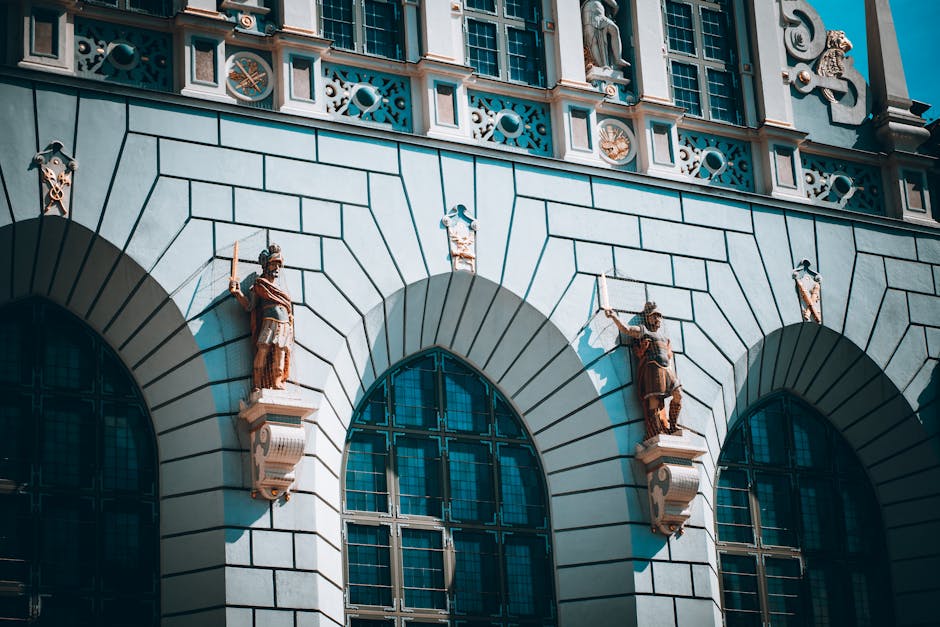 Moderate
Gdansk, Poland
Discover the origins of WWII in Gdansk on this self-guided walk through heroic last stands, massive museums, and strategic hilltop fortifications.
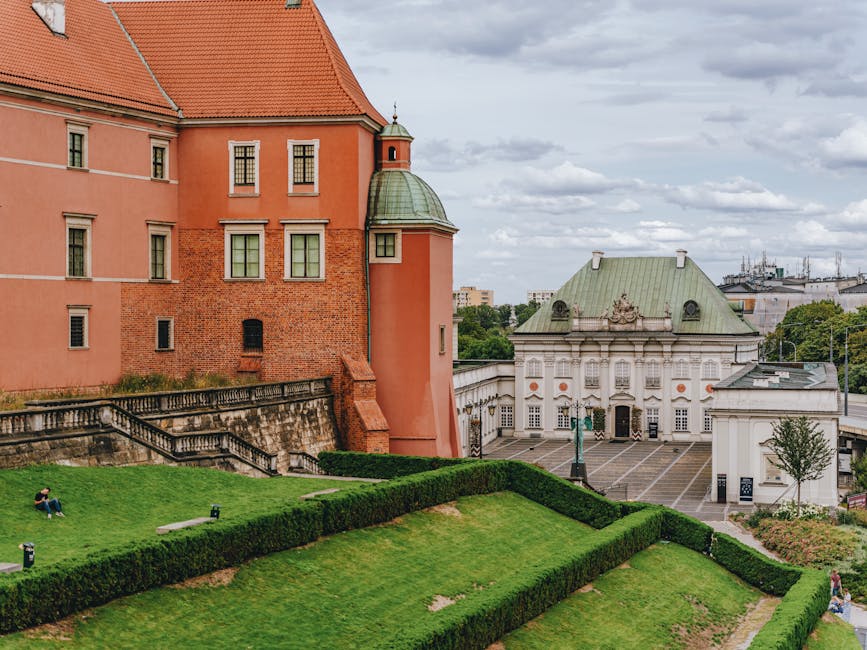 Moderate
Warsaw, Poland
Explore the resilient spirit of Warsaw's Muranów district on this self-guided walk through the history and landmarks of the former Jewish Ghetto.
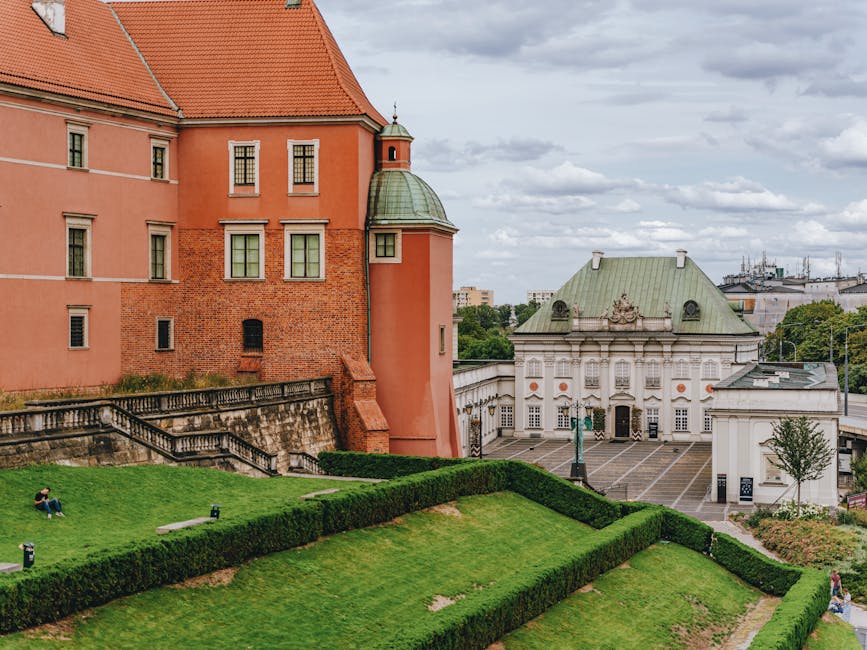 Moderate
Warsaw, Poland
A powerful self-guided walk through Warsaw's WWII history, tracking the 1944 Uprising from ruined skyscrapers to solemn memorials.
 Easy
EasyGothenburg, Sweden
Explore Gothenburg's elegant academic district, featuring grand 19th-century stone architecture and the iconic cultural hub of Götaplatsen.