Self-guided audio tour in Kuala Lumpur
Start Free on iPhone
Start free on iPhone to unlock this self-guided walking tour in Kuala Lumpur. Hear all the stories that make it amazing, walk at your own pace, and begin whenever you want.
Your Private Tour Guide
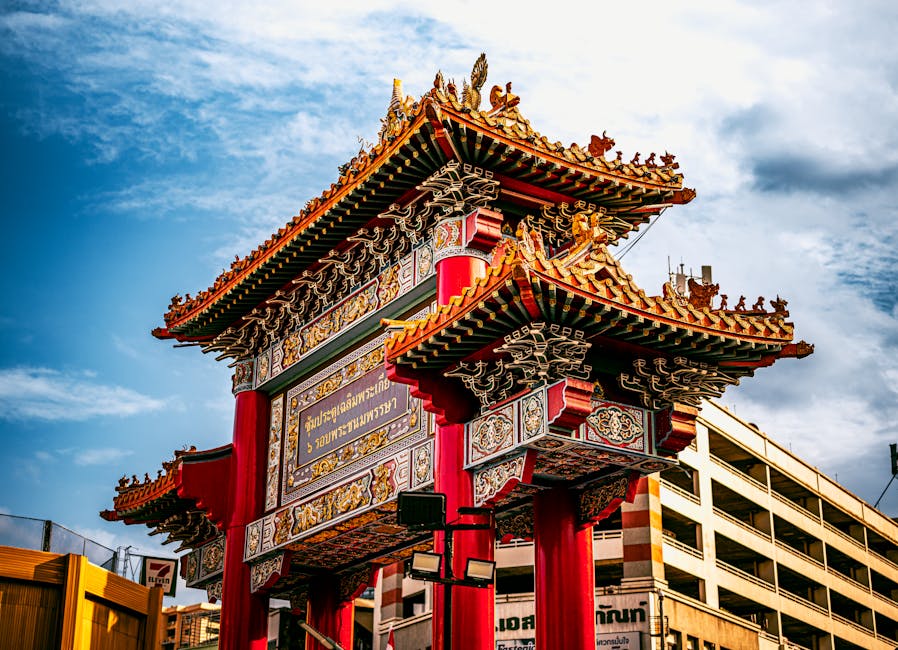
Step into the vibrant pulse of Kuala Lumpur's heritage with this immersive self-guided walk through Chinatown. This neighborhood stroll invites you to peel back the layers of the city's history, from its gritty origins as a tin-mining hub to its modern status as a cultural and artistic center. As you begin your self-guided adventure, you will find that Chinatown is much more than just a marketplace; it is a living museum where Taoist temples sit comfortably alongside Hindu shrines and colonial-era architecture. This walking tour Kuala Lumpur focuses on the hidden narratives tucked away in narrow alleyways and the spiritual traditions that have anchored the community for over a century. You will encounter the legendary 'Green Dragon Crescent Blade' at Guan Di Temple, witness the intricate South Indian craftsmanship of Sri Mahamariamman Temple, and discover the quiet legacy of Yap Ah Loy at Sin Sze Si Ya Temple. The route also bridges the gap between the old and the new, taking you through the Art Deco halls of Central Market and the revitalized, mural-filled lanes of Kwai Chai Hong. Whether you are a photography enthusiast looking for the perfect shot or a history buff eager to learn about the 'Little Ghost' alley, this walking tour Kuala Lumpur offers a flexible and deeply personal way to engage with the city's roots. Explore independently and at your own pace as you navigate the sights, sounds, and scents of one of the city's most enduring neighborhoods. Along the way, you'll discover how art and culture continue to shape the identity of this historic district, making it a must-visit for anyone seeking the authentic soul of the Malaysian capital. **Note:** This area is known for its ever-changing character. Street art, pop-up venues, and temporary exhibitions may differ from what's described. That's part of the adventure - you might discover something entirely new!
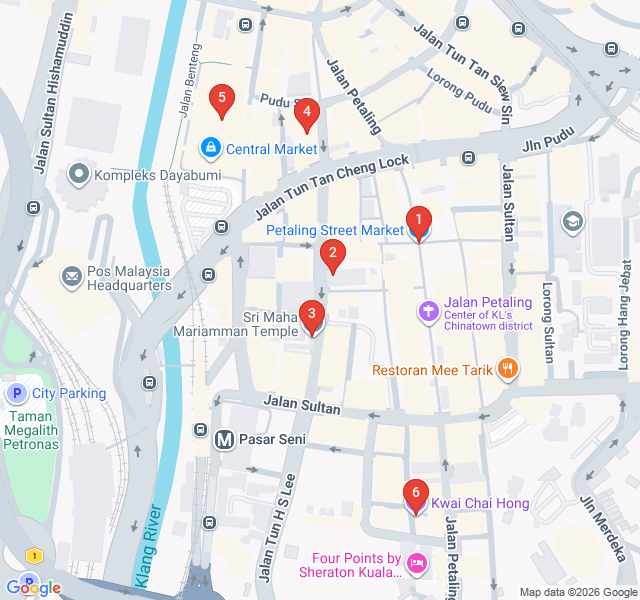
Numbers indicate the order of stops on the tour.
Welcome to the historic heart of Kuala Lumpur's Chinatown. Known locally as 'Chee Cheong Kai' or Starch Factory Street, this area was once the center of the city's tapioca production. Today, it is a sensory explosion of sights, sounds, and smells. As you begin your self-guided adventure, notice the green-roofed canopy, known as the 'Green Dragon,' which protects shoppers from the tropical sun and rain. While the market is famous for its bargain finds and street food, look closer at the shophouses lining the street. Many of these buildings date back to the early 20th century, reflecting the architectural styles of the Chinese immigrants who built this city. This is the perfect place to observe the daily hustle that has defined the neighborhood for generations.
Standing before you is a vibrant tribute to Guan Di, the Taoist God of War and Literature, revered for his loyalty and integrity. This temple, completed in 1888, is easily recognizable by its brilliant red facade and ornate dragon carvings. Inside, the air is thick with the scent of sandalwood incense. One of the most significant artifacts here is the 'Guan Dao,' a massive copper blade weighing 59 kilograms. Legend has it that if you can lift or touch the blade, it will grant you protection and good fortune. This temple serves as a spiritual anchor for the local community, providing a peaceful sanctuary just steps away from the chaotic market outside. Take a moment to appreciate the intricate roof decorations and the historical plaques that detail the temple's long-standing importance.
Just a short stroll from the Taoist shrines, you will find the oldest functioning Hindu temple in Kuala Lumpur. Founded in 1873, Sri Mahamariamman Temple is a stunning example of South Indian Dravidian architecture. Its most striking feature is the 'Gopuram' or entrance tower, which rises five tiers high and is adorned with 228 intricately carved Hindu deities. This temple was originally a private shrine for the Pillai family before opening to the public in the 1920s. The interior is equally breathtaking, featuring Italian tile work and hand-painted murals depicting scenes from the Ramayana. This site is a testament to the multicultural fabric of Malaysia, where different faiths have coexisted in the same neighborhood for over a century. Please remember to remove your shoes before entering.
Tucked away in a small alley, Sin Sze Si Ya is the oldest Taoist temple in Kuala Lumpur, founded in 1864 by the legendary Kapitan Cina, Yap Ah Loy. Unlike many other temples, its orientation is slightly askew from the street grid, as it was built according to strict Feng Shui principles. The temple is dedicated to two patron deities who guided Yap Ah Loy during the Selangor Civil War. This location is a favorite for students and locals who come to perform 'Kau Cim'—the ancient practice of using divination sticks to seek guidance for the future. The atmosphere here is deeply traditional, offering a glimpse into the spiritual life of the early Chinese settlers who helped transform Kuala Lumpur from a small village into a capital city.
This striking sky-blue Art Deco building has been a landmark of the city since 1937. Originally built as a wet market in 1888, it was saved from demolition in the 1980s and transformed into a cultural heritage site. As you explore the interior, you'll find it divided into different zones, such as 'Lorong Melayu' and 'Lorong Cina,' reflecting the diverse ethnic groups of Malaysia. It is a fantastic place to discover local art, traditional textiles like Batik, and handmade crafts. The building itself is an architectural treasure, representing the transition of Kuala Lumpur into a modern metropolis. Even the floor tiles and the high ceilings tell a story of a bygone era when this was the primary trading hub for the entire city.
Conclude your neighborhood stroll at Kwai Chai Hong, which translates roughly to 'Little Ghost Lane.' This once-derelict alleyway has been beautifully restored into a vibrant pocket of street art and nostalgia. The murals here depict the daily lives of Chinatown residents in the 1960s—from a calligrapher writing letters for the illiterate to a barber at work on the street. These artworks often feature interactive elements, making it a popular spot for photography. While the murals are the main draw, the project also preserved the pre-war shophouses and one of the oldest lampposts in the city. It is a perfect example of how urban renewal can honor the past while creating a space for modern creativity. Please note that the art displays here can sometimes change for seasonal festivals.
Start Free on iPhone
Explore “Chinatown Alleys and Hidden Temples” with your very own Private Tour Guide with Zigway. Start free on iPhone, skip the large group and the fixed routes, and hear the city come alive as you go.
Your Private Tour Guide
Don't miss the good stuff
Explore Freely
 Easy
EasyKuala Lumpur, Malaysia
Discover the futuristic architecture and lush parklands of KLCC on this photography-focused self-guided walk through Kuala Lumpur's iconic center.
 Moderate
Kuala Lumpur, Malaysia
Discover Kuala Lumpur's rainforest heart on this self-guided walk through the Bukit Nanas canopy, historic markets, and iconic green spaces.
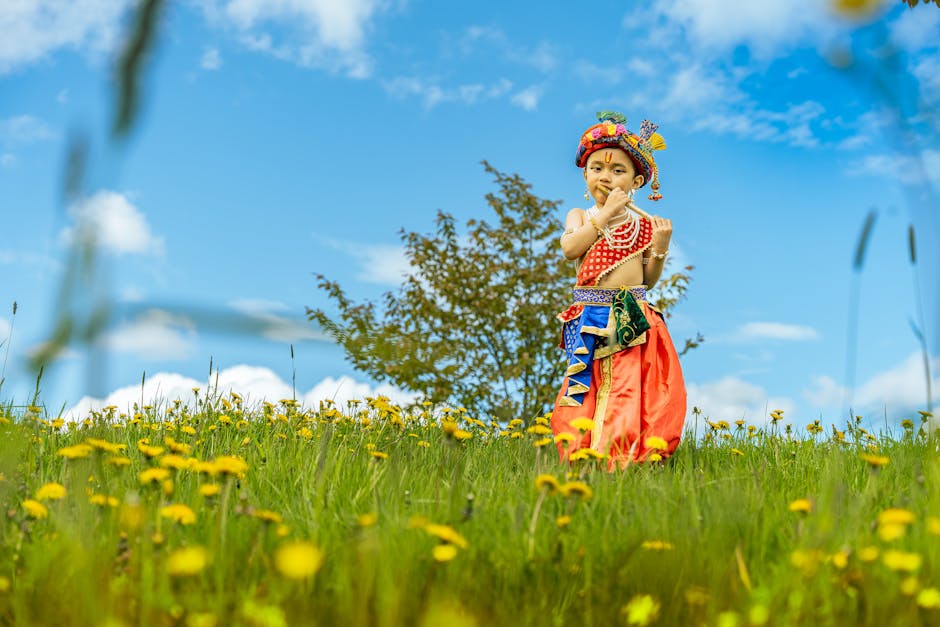 Easy
EasyKuala Lumpur, Malaysia
Explore the vibrant colors, scents, and diverse spiritual landmarks of Kuala Lumpur's Little India on this sensory self-guided audio walk.
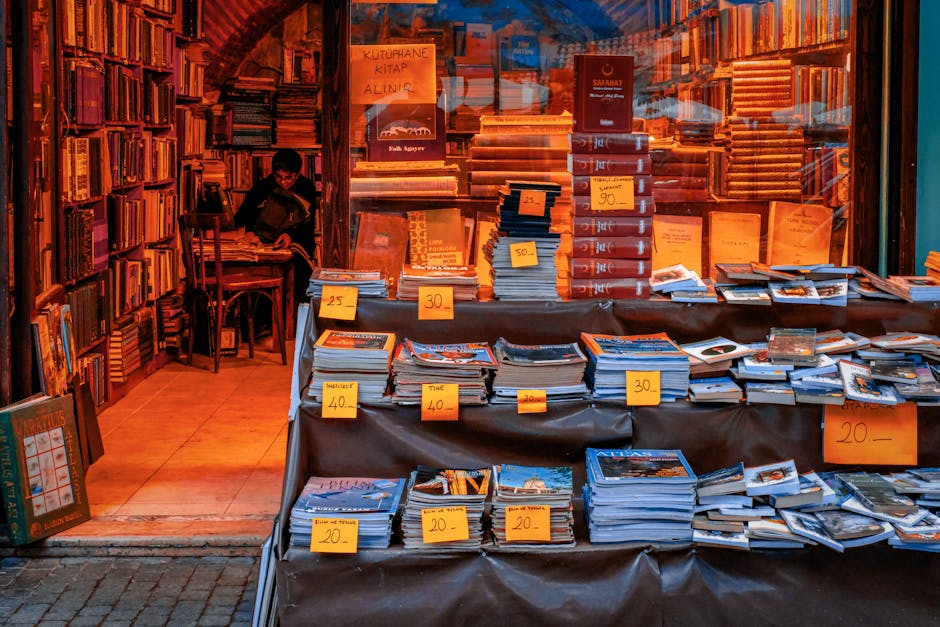 Moderate
Kuala Lumpur, Malaysia
Explore Kuala Lumpur’s most iconic bookstores and creative hubs on this half-day self-guided literary adventure.
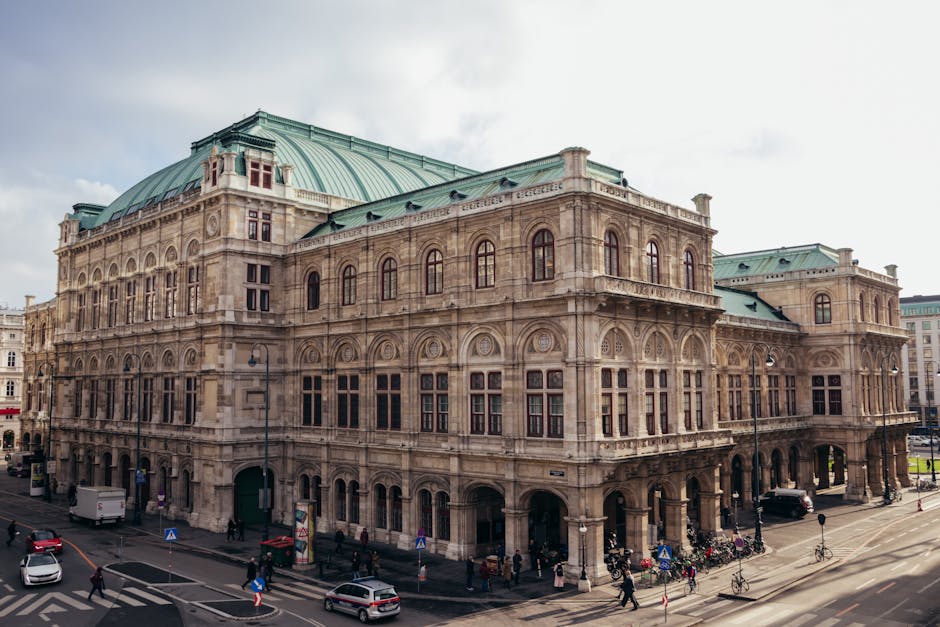 Moderate
Vienna, Austria
Discover the noir world of The Third Man and Cold War Vienna on this atmospheric self-guided audio walk through the historic Innere Stadt.
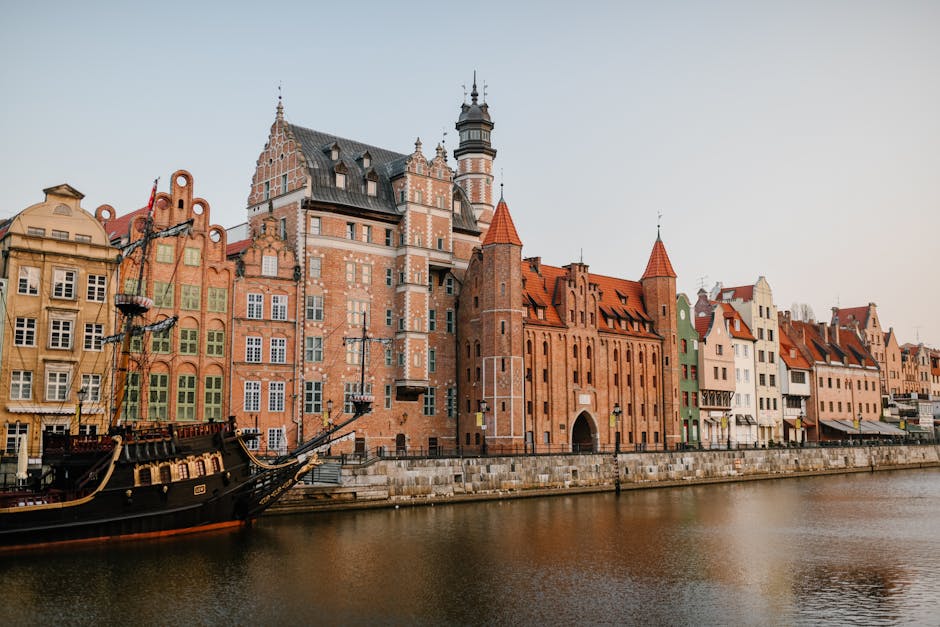 Moderate
Gdansk, Poland
Discover the raw beauty of Gdansk’s Lower Town. Explore industrial ruins, hidden sluices, and riverside bastions on this self-guided walk.
 Moderate
Gdansk, Poland
Discover Zaspa, a massive open-air gallery where grey housing blocks are transformed by over 60 monumental murals. Explore at your own pace.
 Moderate
Nairobi, Kenya
Taste your way through Nairobi's Westlands on this self-guided walk featuring street snacks, cultural landmarks, and hidden foodie gems.
 Easy
EasyGeorge Town, Malaysia
Explore the vibrant colors, sacred temples, and aromatic spice stalls of George Town’s historic Little India district on this sensory audio walk.
 Moderate
George Town, Malaysia
Explore George Town's creative pulse on this self-guided walk through vibrant art depots, heritage streets, and urban archaeological parks.
 Easy
EasyGeorge Town, Malaysia
Discover the vibrant nightlife of George Town, from legendary hawker stalls to hidden cocktail bars and historic lanes.
 Easy
EasyGeorge Town, Malaysia
Explore George Town's historic floating villages on this self-guided stroll through 19th-century clan jetties and stilt-house communities.