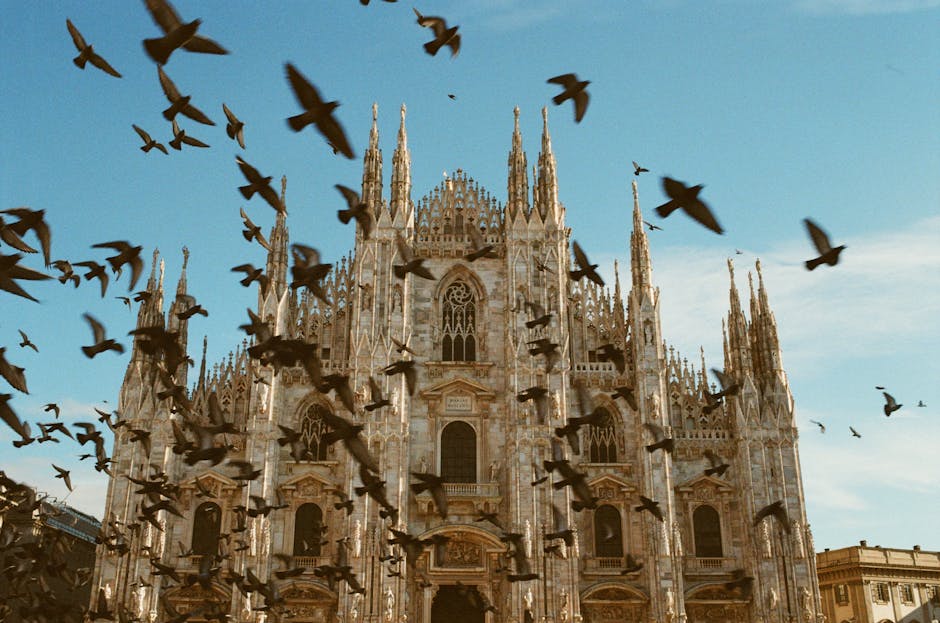
Self-guided audio tour in Milan
Start Free on iPhone
Start free on iPhone to unlock this self-guided walking tour in Milan. Hear all the stories that make it amazing, walk at your own pace, and begin whenever you want.
Your Private Tour Guide
Discover a side of Milan where industrial grit meets high-fashion elegance. This self-guided walking route through the Porta Romana district reveals a neighborhood in the midst of a spectacular cultural transformation. Once a bustling industrial hub and the historic gateway for travelers arriving from Rome, Porta Romana has evolved into Milan’s most sophisticated creative quarter. This neighborhood stroll takes you from the restored splendor of 1930s municipal pools to the avant-garde architecture of the Fondazione Prada, offering a masterclass in how cities can reinvent their past without losing their soul. As you begin your self-guided adventure, you will encounter the Arco di Porta Romana, a 16th-century triumphal arch that once marked the city limits. The route then leads you to hidden gems like Cascina Cuccagna, an 18th-century farmhouse preserved amidst the urban sprawl, providing a rare glimpse into Milan’s agricultural history. You will also see how the city’s defensive Spanish walls have been repurposed into a luxurious thermal spa, blending ancient fortifications with modern wellness. This walking tour Milan experience is perfect for those who appreciate the contrast between weathered brickwork and shimmering gold leaf. The final leg of the journey focuses on the industrial heritage of the southern rail yards. The centerpiece is the Fondazione Prada, an architectural marvel designed by Rem Koolhaas that transformed a former gin distillery into a world-class art complex. Whether you are a fan of contemporary art, a photography enthusiast, or a cinema buff looking to step into a Wes Anderson-designed cafe, this route offers a deep dive into Milan’s modern identity. Exploring independently allows you to linger at the gold-clad 'Haunted House' or enjoy a panini in a setting that feels like a 1950s film set. This neighborhood stroll is a testament to Milan's ability to bridge the gap between its Roman roots and its futuristic ambitions.
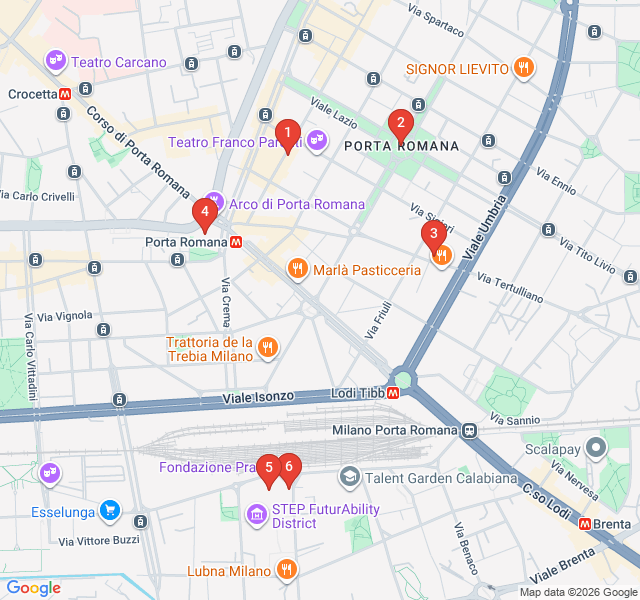
Numbers indicate the order of stops on the tour.
Start your neighborhood stroll at the Bagni Misteriosi, or 'Mysterious Baths.' Originally built in the 1930s as the Pier Lombardo bathing complex, this site fell into decades of decay before a magnificent restoration transformed it into a cultural hub. It is more than just a swimming pool; it is an open-air theater of water and light. Notice the elegant rationalist lines and the sweeping porches that evoke the glamour of interwar Milan. In the summer, it’s a vibrant social spot, while in winter, the large pool often transforms into a floating ice rink. This site perfectly captures the Milanese knack for turning functional municipal spaces into works of high-design art.
Standing before you is the Arco di Porta Romana, a triumphal arch built in 1596. It was commissioned to celebrate the arrival of Margaret of Austria, the bride of Philip III of Spain. For centuries, this was the primary entrance for anyone traveling to Milan from Rome. While the surrounding area is now a bustling intersection, the arch remains a stoic reminder of the city's Spanish period. Look closely at the late-Mannerist decorations; though weathered by time and urban traffic, they represent the gateway to what was once one of the most powerful districts in the city. It serves as the symbolic bridge between the historic center and the industrial south.
Tucked away behind modern apartment blocks is Cascina Cuccagna, a remarkable survival of Milan's rural past. Built in 1695, this farmhouse once sat deep in the countryside. Today, it is a thriving community garden, restaurant, and cultural center. As you walk through the courtyard, you can see the original wooden galleries and thick masonry typical of Lombard agricultural architecture. It represents a 'slow' way of life in the heart of Italy’s fastest city. It’s a great spot to observe how Milanese locals balance urban intensity with a deep respect for seasonal produce and communal spaces. The contrast between this rustic brickwork and the sleek glass of the city center is striking.
Across the street, you’ll see the imposing stone fortifications of the Spanish Walls, which now house the QC Terme Milano. These walls were built in the mid-16th century by the Spanish rulers to protect the city. Today, they serve a much more peaceful purpose, enclosing a luxury thermal spa. From the outside, you can see how the ancient bastions have been integrated into the modern facility. One of the most famous features here is a bio-sauna built inside a repurposed historic tram car parked right in the garden. This site is a perfect example of the 'industrial soul' theme: taking a defensive, military structure and reinventing it as a sanctuary for modern relaxation.
Welcome to the architectural crown jewel of the district. The Fondazione Prada is a masterclass in adaptive reuse, designed by Rem Koolhaas’s firm, OMA. This site was once a gin distillery dating back to 1910. The architects didn't just preserve the old buildings; they interacted with them. The most famous structure here is the 'Haunted House,' a four-story building covered entirely in 24-carat gold leaf. Adjacent to it is the 'Torre,' a stark white concrete tower that offers panoramic views of Milan. The foundation represents the Prada family's commitment to contemporary culture, blending the rough textures of the industrial past with the shimmering, reflective surfaces of the future. It is widely considered one of the most photogenic spots in Italy.
Conclude your self-guided adventure at Bar Luce, located right at the entrance of the Fondazione Prada. Designed by film director Wes Anderson, the cafe recreates the atmosphere of a typical 1950s Milanese bar. Look up at the ceiling, which mimics the glass-roofed Galleria Vittorio Emanuele II, and notice the Formica furniture and Steve Zissou-themed pinball machines. Anderson intended for this to be a place where people actually hang out, not just a movie set. It is the perfect spot to sit with a 'panino' or a coffee and reflect on the journey from 16th-century arches to 21st-century art. The attention to detail here, from the wallpaper to the sugar packets, is extraordinary.
Start Free on iPhone
Explore “Industrial Soul: The Prada Foundation and Porta Romana” with your very own Private Tour Guide with Zigway. Start free on iPhone, skip the large group and the fixed routes, and hear the city come alive as you go.
Your Private Tour Guide
Don't miss the good stuff
Explore Freely
 Moderate
Milan, Italy
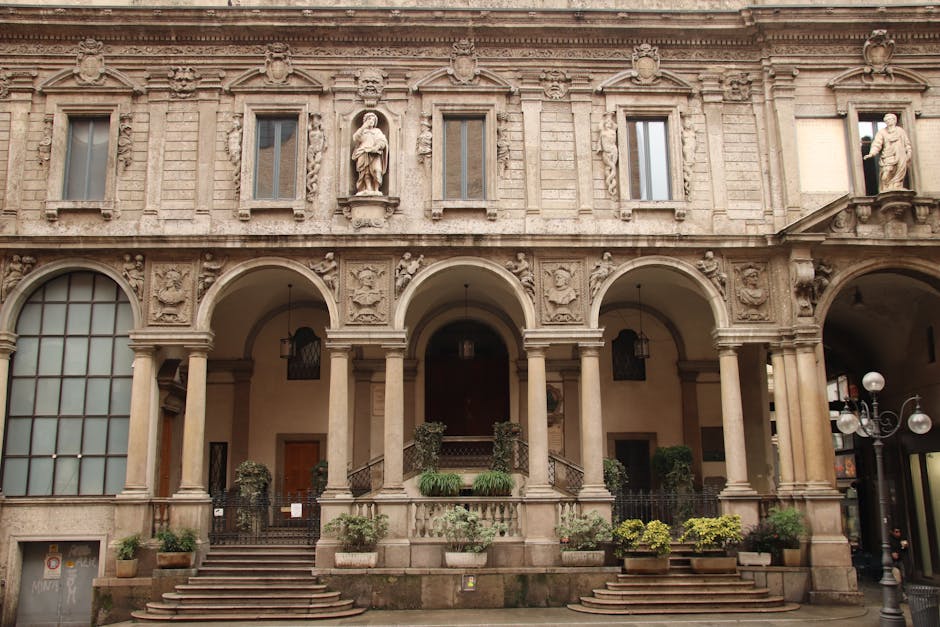
Uncover the hidden capital of the Western Roman Empire on this self-guided walk through Milan's ancient ruins and historic Cinque Vie district.
 Moderate
Milan, Italy
Uncover Milan's dark past on this self-guided walk through plague hospitals, execution grounds, and bone-lined chapels.
 Moderate
Milan, Italy
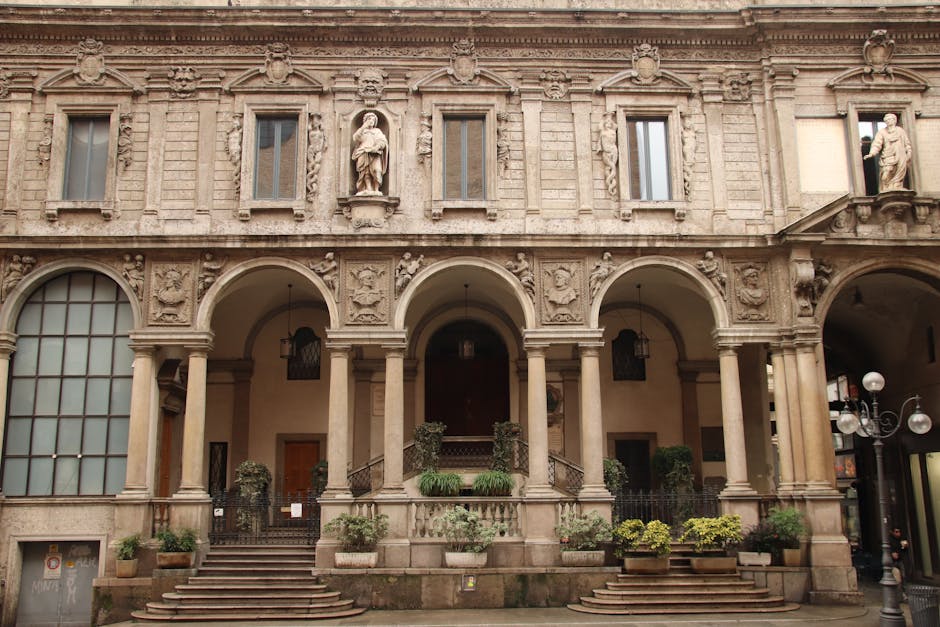
Explore Milan's historic waterways and ancient basilicas on this self-guided stroll through the vibrant and historic Navigli district.
 Moderate
Milan, Italy
Explore Milan’s creative heart on this self-guided walk through Isola’s vibrant murals, modern architecture, and hidden industrial history.
 Moderate
Gdansk, Poland
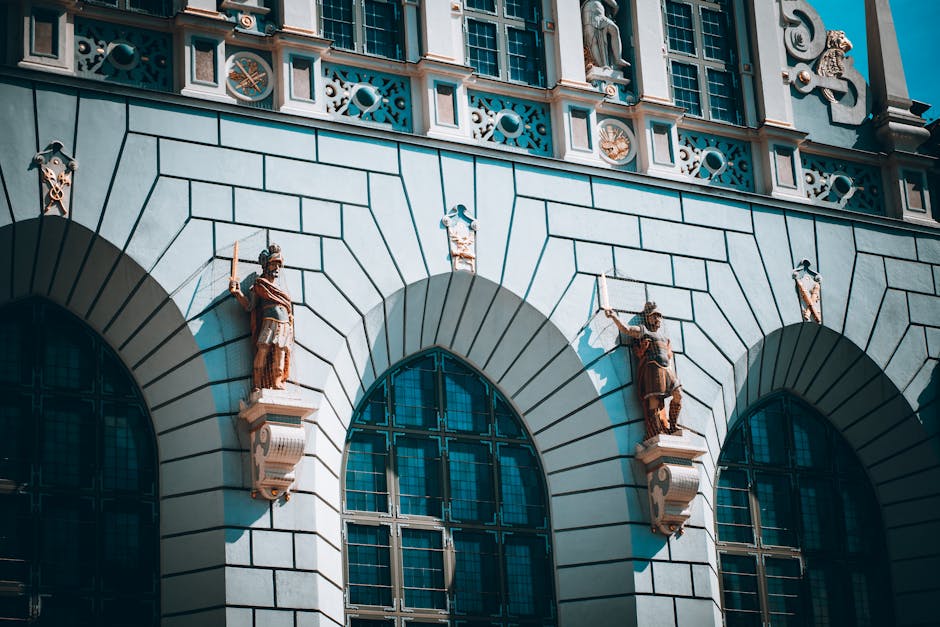
Discover Zaspa, a massive open-air gallery where grey housing blocks are transformed by over 60 monumental murals. Explore at your own pace.
 Easy
EasyKrakow, Poland
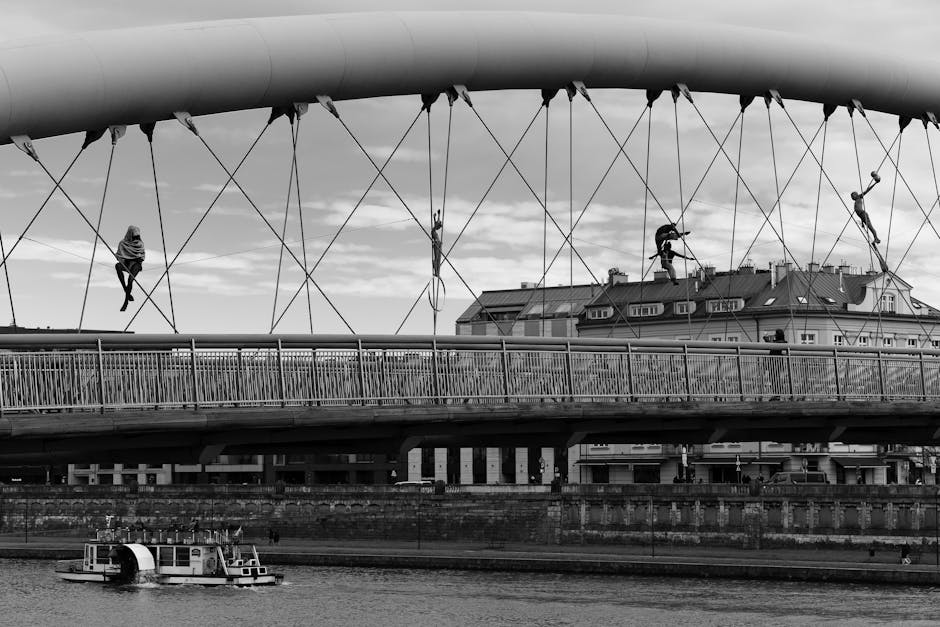
Discover Krakow’s creative soul in Zabłocie, exploring industrial heritage, contemporary art museums, and avant-garde architecture at your own pace.
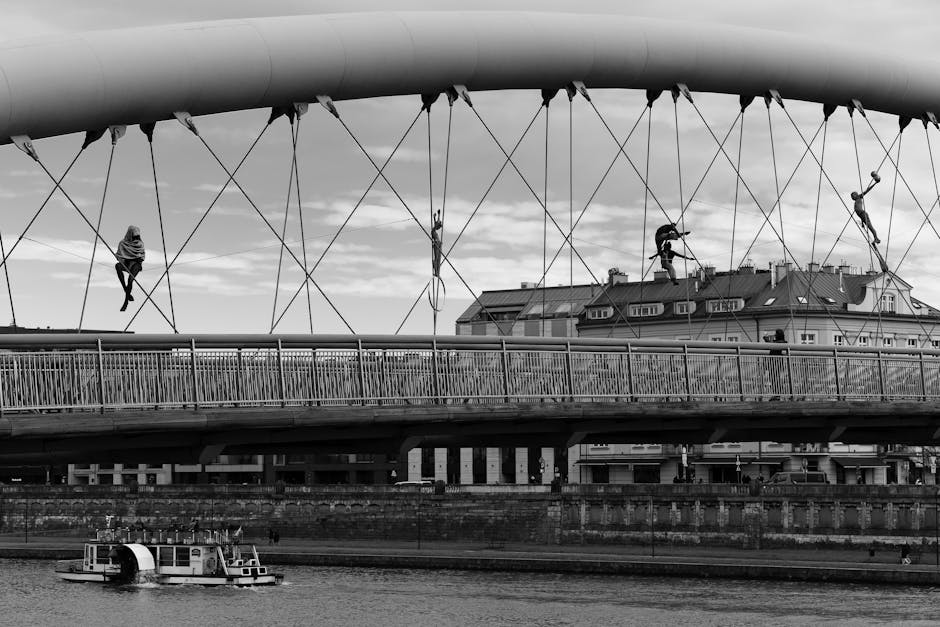 Easy
EasyKrakow, Poland
Explore Krakow’s artistic evolution from Renaissance masterpieces to vibrant urban murals on this inspiring self-guided walk through the city.
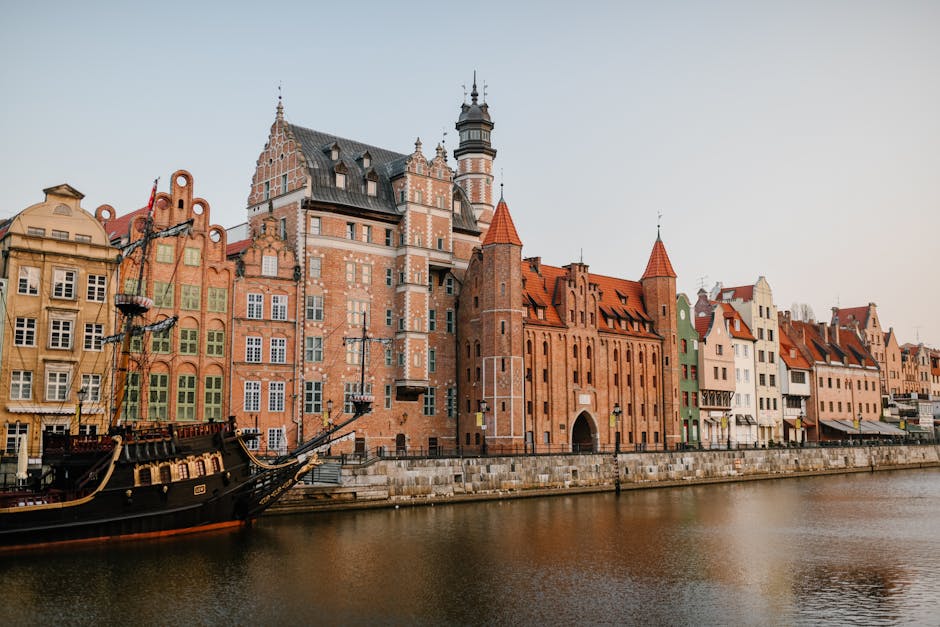 Moderate
Gdansk, Poland
Discover the raw beauty of Gdansk’s Lower Town. Explore industrial ruins, hidden sluices, and riverside bastions on this self-guided walk.
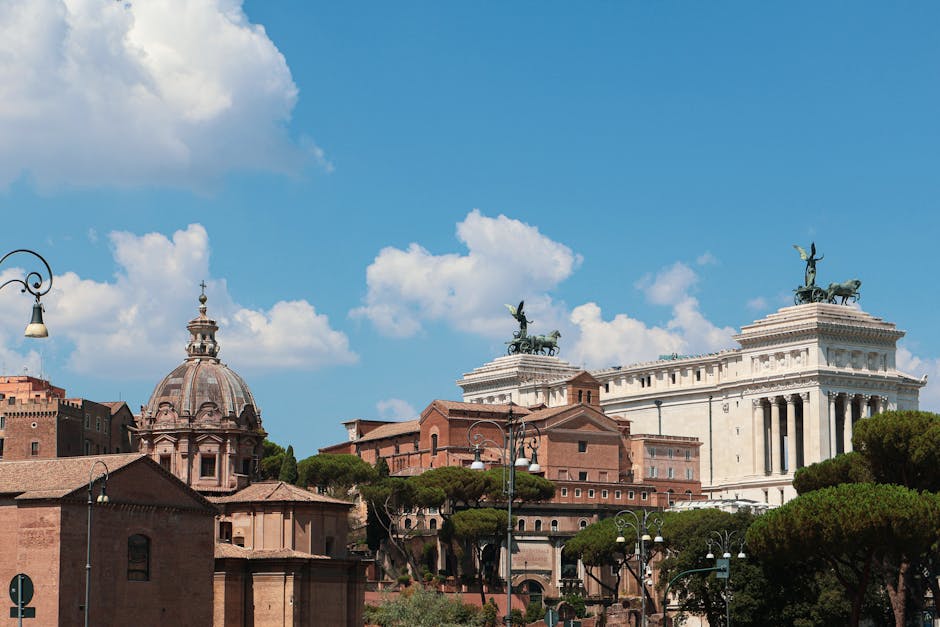 Easy
EasyRome, Italy
Explore Rome’s industrial heart on this self-guided walk featuring massive murals, the 'Iron Colosseum,' and unique industrial archaeology.
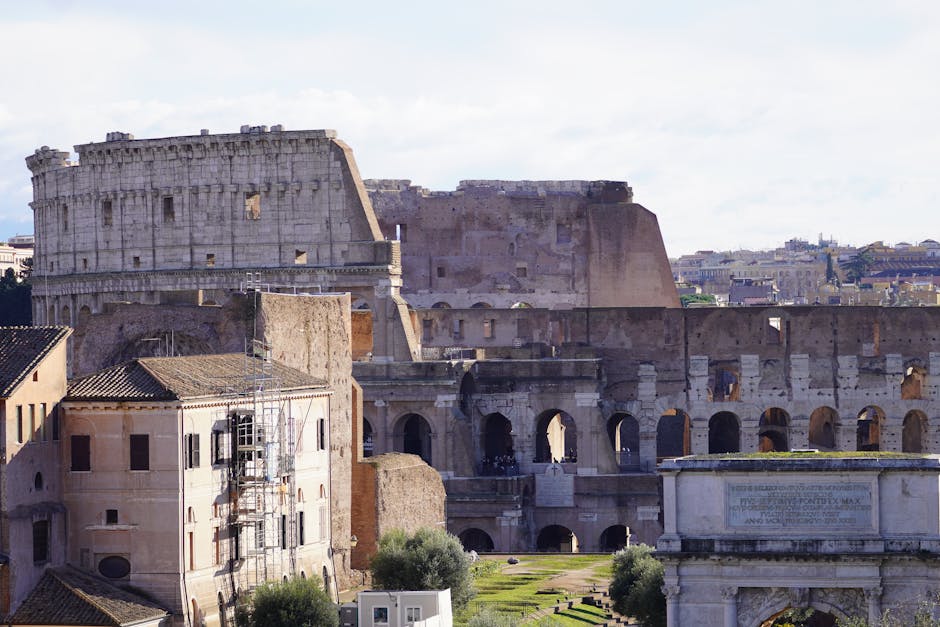 Easy
EasyRome, Italy
Explore Rome’s whimsical Fairytale District. A self-guided walk through Art Nouveau palaces, mythical fountains, and the magical Coppedè architecture.
 Moderate
Rome, Italy
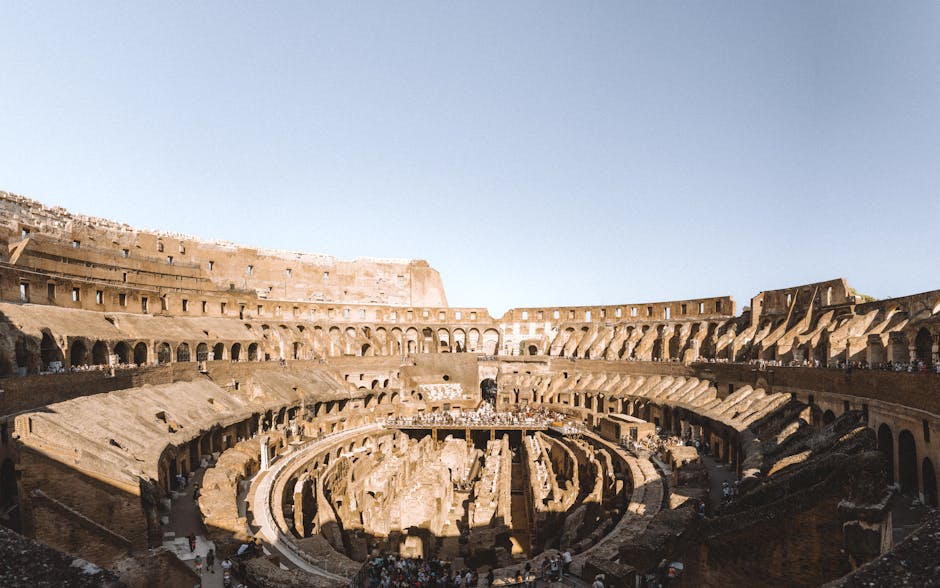
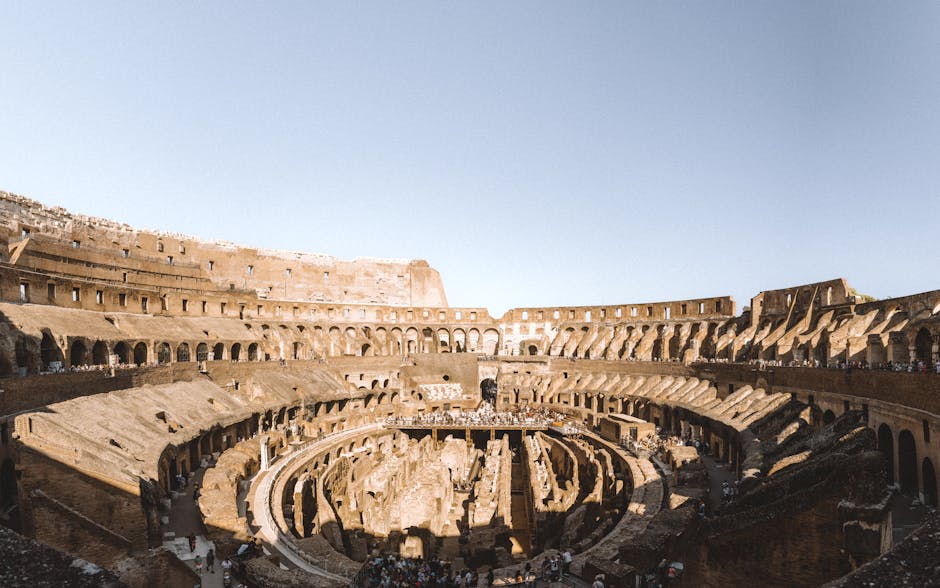
Uncover Rome's hidden history on this self-guided walk through ancient gladiator pits, subterranean temples, and buried Roman houses.
 Challenging
Rome, Italy
Walk the 'Queen of Roads.' Explore ancient catacombs, imperial villas, and historic basalt stones on this scenic self-guided Roman adventure.