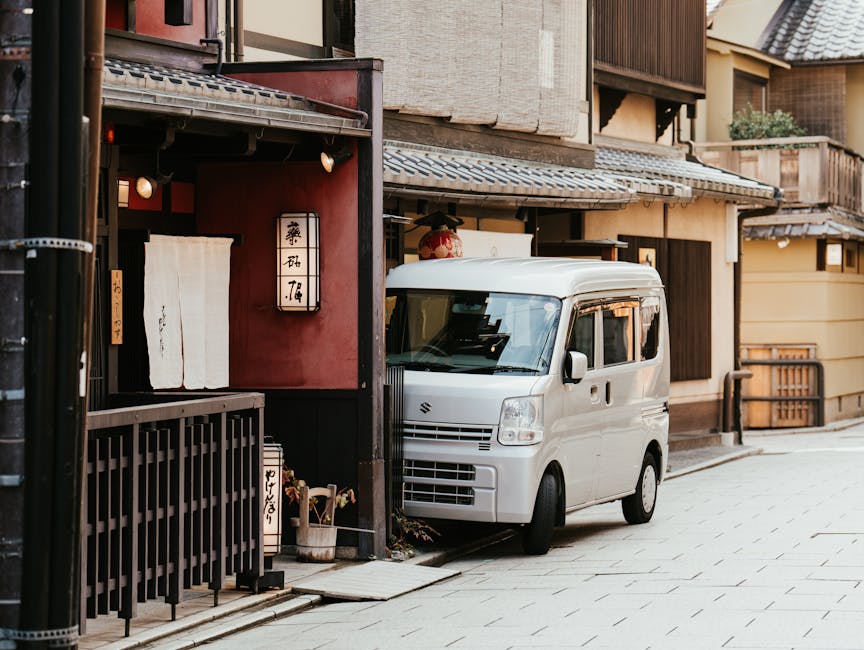
Self-guided audio tour in Kyoto
Start Free on iPhone
Start free on iPhone to unlock this self-guided walking tour in Kyoto. Hear all the stories that make it amazing, walk at your own pace, and begin whenever you want.
Your Private Tour Guide
Experience the captivating transition from Kyoto's bustling commercial heart to the nostalgic, spiritual atmosphere of its northern neighborhoods. This self-guided walk invites you to explore the city's multifaceted identity, beginning in the 'Kitchen of Kyoto' and concluding near the modern transportation hub of Kyoto Station. Along the way, you will encounter the contrast between high-end department stores and retro shopping arcades that feel frozen in time. This route is designed for those who want to see the local side of the city, away from the standard tourist paths, while still hitting iconic landmarks. You will discover the secrets of Nishiki Market's 400-year history, the pop-culture significance of the Masugata Shotengai, and the ancient, primeval forest of Tadasu-no-Mori. This neighborhood stroll captures the essence of Kyoto's daily life, where tradition and modernity coexist seamlessly. Whether you are sampling artisanal mochi at a century-old shop or finding peace within the grounds of a UNESCO World Heritage shrine, this walking route offers a deep dive into the soul of the city. For those looking for a comprehensive walking tour Kyoto experience that balances food, spirituality, and local vibes, this journey provides the perfect itinerary. Explore at your own pace and let the sounds of the city guide you through its most authentic corners. This journey is more than just a visit to famous sites; it is an immersion into the rhythms of Kyoto's residents, from the morning market rush to the evening calm of its sacred groves. Discover why this area remains a favorite for locals and repeat visitors alike. **Note:** This area is known for its ever-changing character. Street art, pop-up venues, and temporary exhibitions may differ from what's described. That's part of the adventure - you might discover something entirely new!
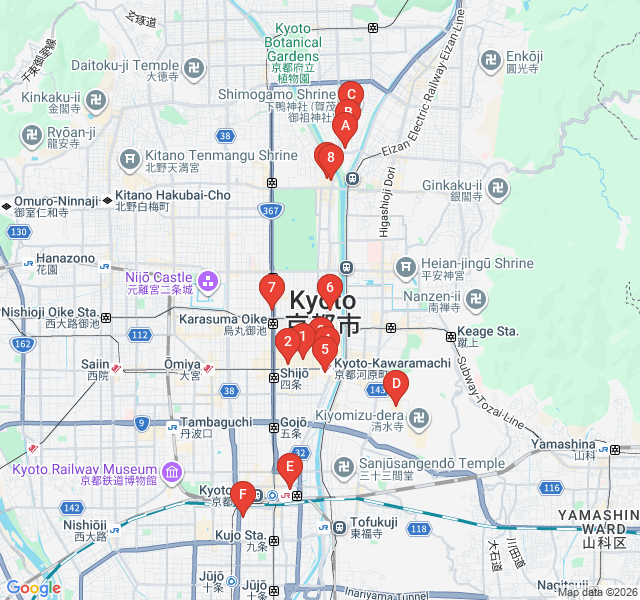
Numbers indicate the order of stops on the tour.
Welcome to Nishiki Market, known affectionately as 'Kyoto's Kitchen.' This narrow, five-block long shopping street is lined by more than one hundred shops and restaurants. For over 400 years, this has been the city's primary center for traditional Japanese food. As you walk through, look for local specialties like 'tsukemono' (Japanese pickles), dried seafood, and Kyoto-style sushi. The atmosphere is vibrant and sensory, with the smells of roasting tea and fresh seafood filling the air. This market provides a fascinating look into the culinary foundations of Kyoto's famous kaiseki cuisine. Please note that stalls may vary their offerings seasonally, and eating while walking is generally discouraged here—look for designated areas to enjoy your finds.
Daimaru is one of Japan's most prestigious department stores, and its Kyoto branch is a landmark of the Shijo-Kawaramachi area. While the upper floors offer high-end fashion, the real treasure is the 'depachika'—the basement food hall. Here, you can find impeccably packaged sweets, premium bento boxes, and seasonal delicacies. It represents the modern side of Kyoto's food culture, where presentation is as important as taste. The building itself serves as a bridge between the traditional market you just left and the upscale commercial district ahead.
Tucked away in the busy shopping district is Ichiran, a name synonymous with Tonkotsu ramen. While a global chain now, this location offers the classic 'flavor concentration booths' designed to minimize distractions while you eat. It's a testament to the Japanese focus on individual experience and culinary precision. The ramen here is customizable, allowing you to choose the richness of the broth and the texture of the noodles. It’s a favorite stop for a quick, high-quality meal amidst a day of exploration.
Kawaramachi OPA is a vertical shopping mall that serves as a hub for Kyoto's youth culture and fashion. Walking through here offers a glimpse into the latest trends, from 'kawaii' accessories to streetwear. It stands in stark contrast to the ancient shrines you will visit later, highlighting the vibrant, modern energy that keeps Kyoto from being just a museum city. The neon signs and bustling crowds here are the heartbeat of Kyoto’s downtown life.
Another titan of Japanese retail, Takashimaya is known for its elegant service and curated selection of goods. Beyond shopping, the department store often hosts cultural exhibitions and art galleries on its upper floors. Like Daimaru, its basement food hall is a spectacle of Japanese gastronomy. Notice the attention to detail in the packaging and the polite 'irasshaimase' greetings from the staff, which are hallmarks of Japanese hospitality or 'omotenashi.'
Standing as one of the tallest buildings in central Kyoto, the Hotel Okura offers a sense of European-inspired luxury mixed with Japanese grace. It occupies a site with deep historical roots, near the Kamo River. The lobby is a great place to appreciate grand architecture and a quieter moment away from the Kawaramachi crowds. It serves as a navigational landmark as you transition from the shopping district toward the more residential and historic northern areas.
Housed in a former elementary school building, this museum is a paradise for comic lovers. It contains a massive collection of manga, spanning decades of history. You can see the 'Wall of Manga' that lines the hallways and even sit on the grass outside to read. The museum explores manga not just as entertainment, but as a significant cultural and artistic export of Japan. The adaptive reuse of the 1920s school building adds a layer of architectural charm to the experience.
Demachi Futaba is legendary in Kyoto, founded in 1899. You will almost always see a queue here, as locals and visitors alike wait for their famous 'Mame-daifuku'—a soft rice cake filled with sweet red bean paste and slightly salty black beans. This shop represents the pinnacle of traditional Japanese confectionery. The recipe has remained largely unchanged for over a century, relying on high-quality ingredients and daily preparation. It is the perfect snack to take with you to the nearby riverbank.
Step into the Masugata Shotengai and you'll feel like you've traveled back to the Showa era. This covered shopping arcade is filled with local grocers, fishmongers, and quirky boutiques. Anime fans might recognize it as the inspiration for the setting of 'Tamako Market.' Look up to see the giant flying fish hanging from the ceiling! It’s a wonderful place to observe authentic neighborhood life, far removed from the glitz of downtown. The shops here are often family-run, passing through generations.
Located at the southern entrance of the Tadasu-no-Mori forest, Kawai-jinja is a sub-shrine of Shimogamo-jinja. It is famously dedicated to the deity of beauty. You’ll notice unique 'Kagami-ema' (mirror-shaped votive tablets) where visitors draw faces on the tablets using their own makeup to pray for inner and outer beauty. It is a peaceful, smaller shrine that sets the spiritual tone for the walk ahead through the ancient woods.
Tadasu-no-Mori, or the 'Forest of Correction,' is a primeval forest that has never been cleared. Some of the trees here are hundreds of years old. As you walk the broad path toward Shimogamo Shrine, the temperature often drops, and the city noise fades away. This forest is considered a sacred space that 'rectifies' or purifies the souls of those who enter. It is one of the few remaining examples of what the forests of the Kyoto basin looked like before the city was built.
Shimogamo-jinja is one of the oldest and most important Shinto shrines in Japan, dating back to the 6th century. As a UNESCO World Heritage site, it is a masterpiece of classical architecture. The vermilion-colored buildings and the serene atmosphere make it a highlight of any visit to Kyoto. It is dedicated to the protection of the city and is a central site for the Aoi Matsuri festival. Take a moment to appreciate the Mitarashi pond, where people wash their hands in a ritual of purification.
Located in a 100-year-old traditional townhouse (machiya), this is perhaps the most unique Starbucks in the world. It features tatami mat seating and a classic wooden facade that blends perfectly into the historic Higashiyama district. Note that this stop requires a short transit or a longer walk from Shimogamo, but it offers a fascinating example of how modern brands can respect and preserve Japanese heritage. The interior design incorporates local craftsmanship and traditional aesthetics.
Located near Kyoto Station, this humble ramen shop often has a line stretching down the street. Honke Daiichi Asahi has been serving its signature soy-sauce based ramen since 1947. It is widely considered one of the most 'authentic' Kyoto ramen experiences. The broth is clear yet flavorful, using locally sourced ingredients. It’s a classic 'salaryman' spot that has gained legendary status among foodies worldwide, offering a warm and hearty conclusion to your journey.
Finish your walk at AEON Mall, a massive modern shopping complex near Kyoto Station. After a day of ancient shrines and retro markets, this mall brings you back to the convenience of contemporary Japan. It’s an excellent place for last-minute souvenir shopping or to grab a variety of snacks for a train journey. The contrast between the morning's walk in the sacred forest and this modern retail hub encapsulates the diverse reality of living in Kyoto today.
Start Free on iPhone
Explore “Retro Vibes of Masugata Market and Shimogamo” with your very own Private Tour Guide with Zigway. Start free on iPhone, skip the large group and the fixed routes, and hear the city come alive as you go.
Your Private Tour Guide
Don't miss the good stuff
Explore Freely
 Moderate
Kyoto, Japan
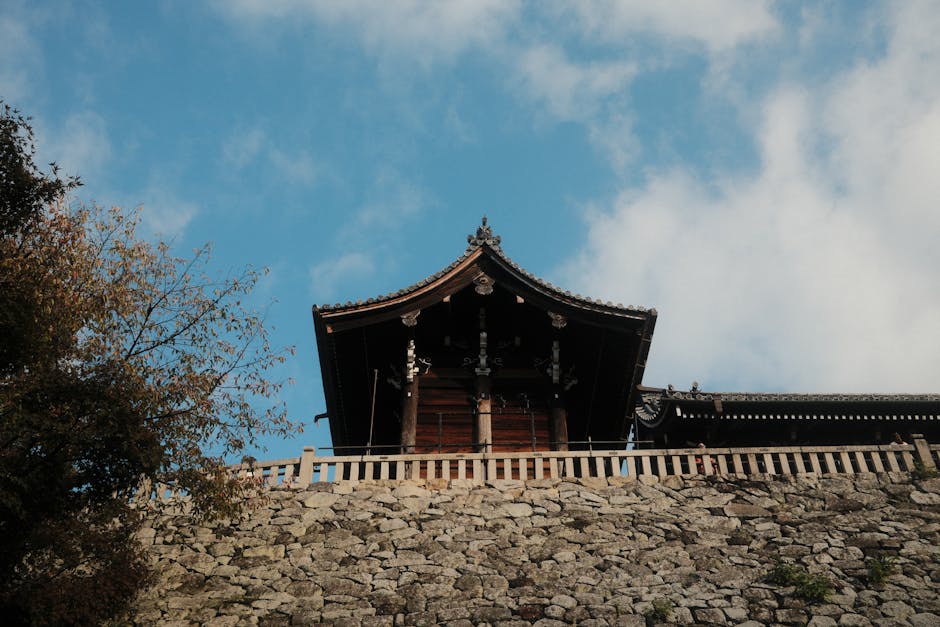
Discover the soul of old Kyoto on this self-guided walk through preserved stone lanes, iconic pagodas, and the grand wooden stage of Kiyomizu-dera.
 Challenging
Kyoto, Japan
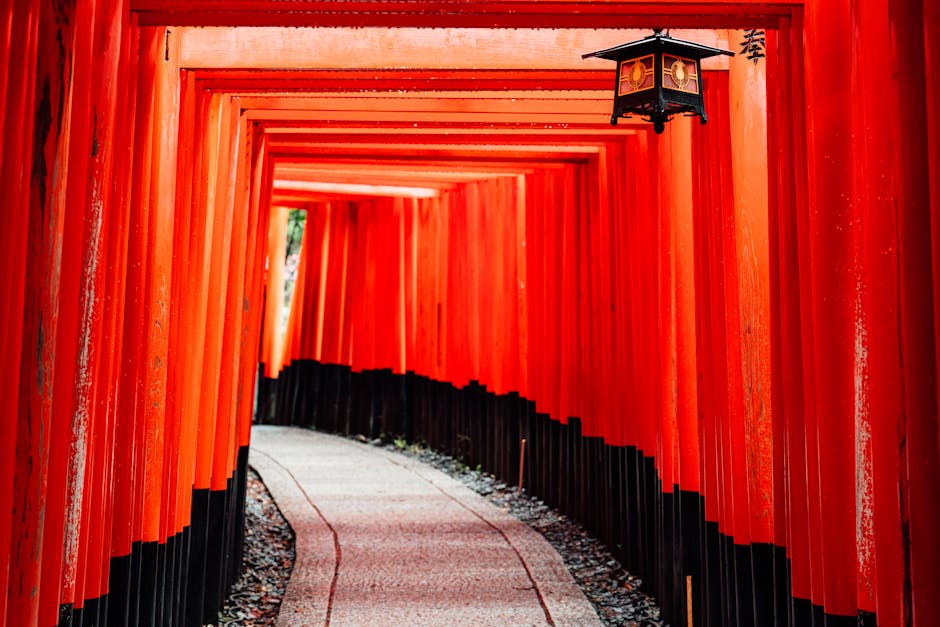
Ascend the sacred Mount Inari through thousands of vermillion torii gates on this challenging and spiritual self-guided walk in Kyoto.
 Easy
EasyKyoto, Japan
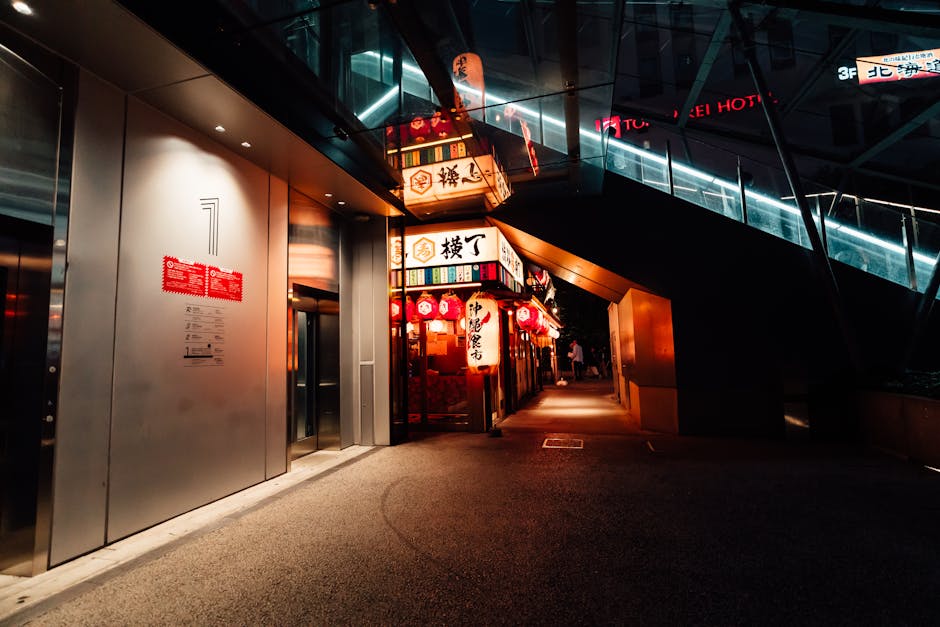
Explore Kyoto's most atmospheric alleyway. Discover geiko history, riverside dining, and hidden nightlife on this self-guided evening stroll.
 Moderate
Kyoto, Japan
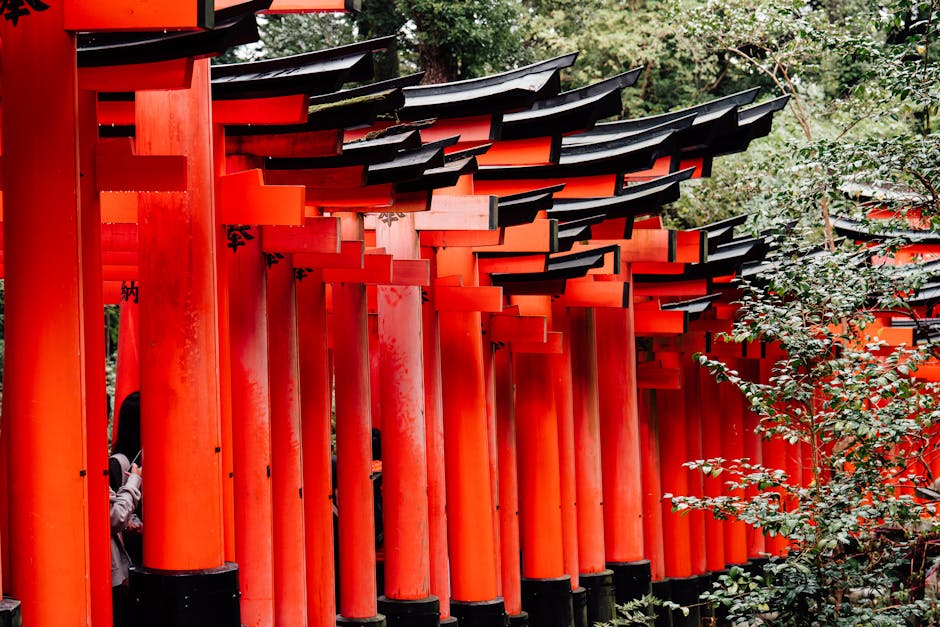
Experience a serene self-guided walk along Kyoto's iconic Philosopher's Path, visiting Zen temples, hidden shrines, and the stunning Silver Pavilion.
 Easy
EasyGdansk, Poland
Taste the history of the Baltic. Explore Gdansk's culinary heritage from medieval markets to gold-flecked liqueurs on this self-guided walk.
 Moderate
Nairobi, Kenya
Taste your way through Nairobi's Westlands on this self-guided walk featuring street snacks, cultural landmarks, and hidden foodie gems.
 Easy
EasyInnsbruck, Austria
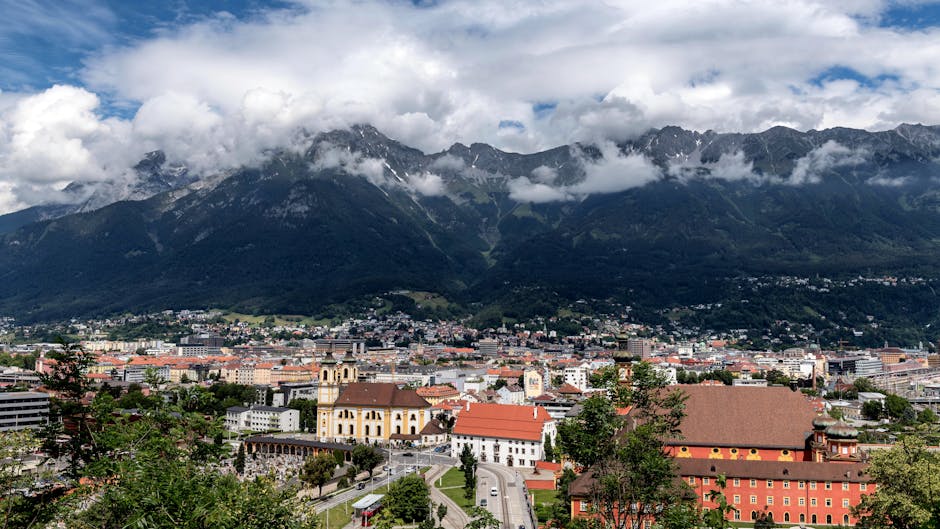
Discover the flavors of Tyrol on this self-guided stroll through Innsbruck’s historic Old Town and vibrant market hall.
 Easy
EasyGothenburg, Sweden
Discover Gothenburg’s maritime flavors on this self-guided walk through historic market halls and iconic seafood landmarks.
 Moderate
Tokyo, Japan
Discover Tokyo's premier creative district on this self-guided walk through Roppongi’s world-class museums and striking modern architecture.
 Easy
EasyTokyo, Japan
Discover the 'Old Tokyo' charm of Yanaka on this self-guided walk through historic temples, artisan alleys, and a stunning torii gate shrine.
 Easy
EasyTokyo, Japan
Experience Shibuya's electric energy on this self-guided walk from the iconic Scramble Crossing to the panoramic views of Shibuya Sky.
 Easy
EasyTokyo, Japan
Explore Tokyo's indie heart. From vintage fashion in Shimokitazawa to world-class art in Shinjuku, discover the city's creative soul independently.