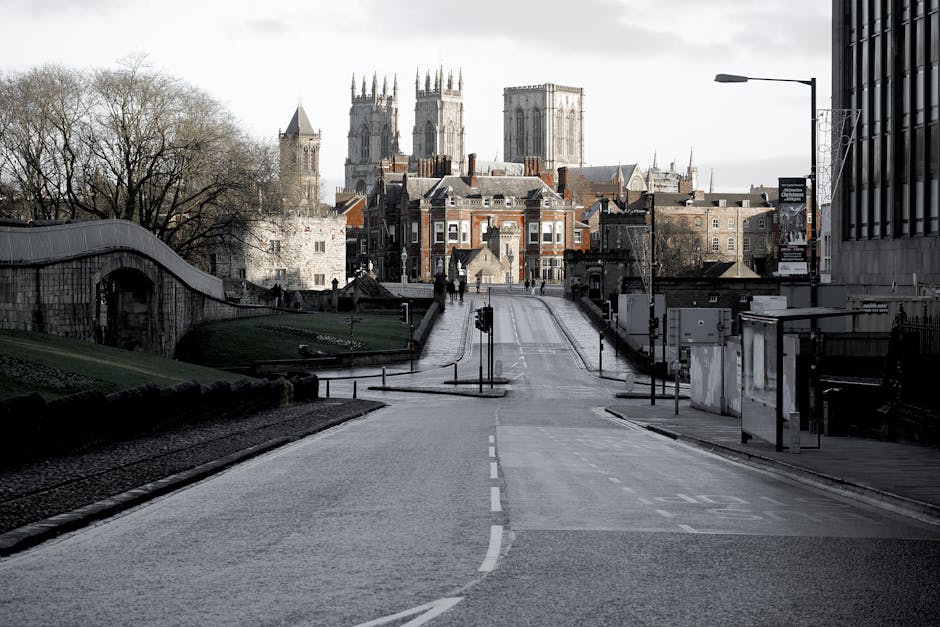
Self-guided audio tour in York
Start Free on iPhone
Start free on iPhone to unlock this self-guided walking tour in York. Hear all the stories that make it amazing, walk at your own pace, and begin whenever you want.
Your Private Tour Guide
While many cities are built on coal, steel, or wool, York was built on chocolate. This self-guided walking route takes you through the heart of the city to uncover the legacy of the great confectionery families—Terry’s, Rowntree’s, and Craven’s—whose names became household staples worldwide. As you explore, you will discover why York is often called Britain's home of chocolate and how the sweet industry shaped the city's social and architectural landscape. The journey begins in the elegant surroundings of Saint Helen’s Square, where the scent of cocoa once hung heavy in the air from the nearby factories. From there, you will stroll through medieval streets that hide stories of Quaker industrialists and innovative recipes that changed the way we eat sweets today. This walking route York offers a unique perspective on the city’s industrial heritage, moving from grand Georgian shopfronts to the very streets where the world-famous KitKat and Chocolate Orange were born. You will see the iconic Shambles, visit the site of historic factories, and learn how chocolate manufacturing influenced everything from worker housing to local politics. Whether you are a history buff or a fan of all things sweet, this self-guided walk provides a fascinating look at the entrepreneurs who turned a bitter bean into a global empire. By following this route, you can explore the city’s rich confectionery past at your own pace, skipping the crowds of a traditional walking tour York and diving deep into the chocolate-coated history that still defines the city today. It is a perfect way to travel through time and taste the heritage of one of England's most historic urban centers.
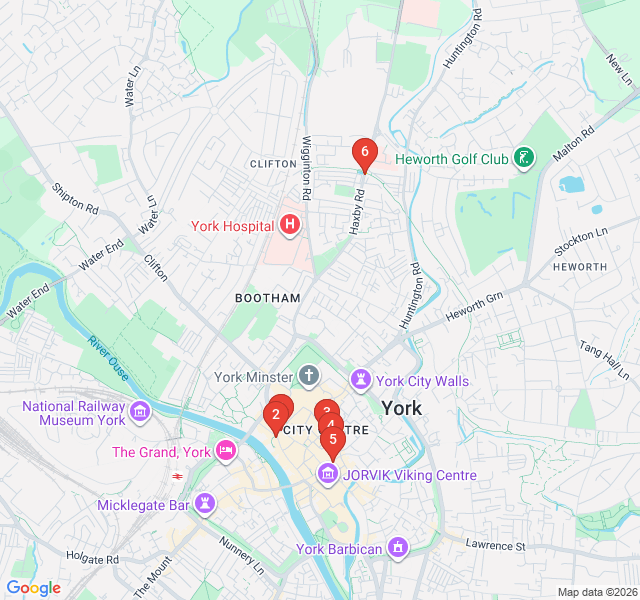
Numbers indicate the order of stops on the tour.
Welcome to the starting point of your chocolate journey. Saint Helen’s Square has long been the center of York’s social life, but for many years, it was also the heart of a confectionery empire. Look for the grand building that once housed Terry’s of York. Established in the 1820s, Terry’s transformed from a small apothecary into a global brand. The shop here was famous for its ballroom and elegant tearooms, where locals and visitors alike would indulge in high-quality chocolates. It was in York that Joseph Terry and his successors perfected the art of the 'Chocolate Orange,' originally inspired by a chocolate apple. As you stand here, imagine the square filled with the sounds of horse-drawn carriages and the faint, sweet aroma of roasting cocoa beans drifting from the nearby production sites.
Just a few steps away stands the Mansion House, the home of the Lord Mayor of York. While it may look like a standard civic building, its history is deeply intertwined with the city's wealthy industrialists, many of whom made their fortunes in sugar and cocoa. In the 18th and 19th centuries, the local government was heavily influenced by the Quaker families who ran the chocolate factories. These families, including the Rowntrees, were known for their social conscience. They didn't just build factories; they built communities, schools, and parks. The banquets held inside this house would have featured the finest local delicacies, showcasing the city's status as a hub of culinary excellence. The building remains a symbol of the wealth that chocolate brought to the city’s elite.
Located at the corner of King’s Square, this building is a modern tribute to the city’s three-thousand-year history with chocolate. While York is famous for its Vikings and Romans, this museum highlights how the city became a 'Chocolate City.' During the Industrial Revolution, while other Northern cities focused on cotton or wool, York focused on confectionery. This was the headquarters for many of the innovations we take for granted today, like the milk chocolate bar and the boxed selection. Even if you don't head inside right now, take a moment to appreciate King’s Square itself—it was once a bustling marketplace where ingredients like sugar and exotic cocoa beans were traded. The industry provided employment for thousands of York residents, making it the lifeblood of the local economy for generations.
The Shambles is often called the best-preserved medieval street in Europe. With its overhanging timber-framed buildings, it looks like something out of a fairy tale. While it was originally a street of butchers—'shambles' comes from the Old English word for shelves where meat was displayed—it later became home to various small-scale confectioners. Small sweet shops have lined these cobbles for centuries, selling traditional pulled toffee and sugar candies. As the large factories moved to the outskirts of the city, these narrow lanes remained the place where the public came to satisfy their sweet tooth. Notice how narrow the street is; this was designed to keep the sun off the meat, but it also helped keep the delicate chocolate and sugar creations from melting in the summer heat.
This historic street, known simply as 'Pavement,' was the first in York to be paved, hence its name. It was a major commercial thoroughfare and the site of many early grocery businesses that eventually specialized in cocoa. One of the most significant names associated with this area is Rowntree. Before they had a massive factory, the Rowntrees ran a shop here. They were a Quaker family who believed that business should be a force for good. They moved into chocolate production partly because they saw it as a healthy alternative to alcohol. Their commitment to quality and social reform started in small shops like the ones that once stood here, eventually leading to the creation of world-famous brands like Fruit Pastilles and Smarties.
To finish the trail, we look toward Haxby Road. While a bit of a walk from the city center, it represents the final evolution of York’s chocolate story. As the industry boomed, the old city-center workshops were no longer enough. Rowntree’s moved their operations to a massive garden factory complex here in the late 1800s. It wasn't just a factory; it included sports fields, libraries, and even a theater for the workers. This 'factory in a garden' concept was revolutionary at the time. Today, the site is still a major production hub for Nestlé, ensuring that the scent of chocolate still occasionally wafts over the city on a breezy day. This transition from small medieval shops to industrial-scale production marks the end of our journey through York's sweet heritage.
Start Free on iPhone
Explore “York's Sweet Secrets: The Chocolate Trail” with your very own Private Tour Guide with Zigway. Start free on iPhone, skip the large group and the fixed routes, and hear the city come alive as you go.
Your Private Tour Guide
Don't miss the good stuff
Explore Freely
 Easy
EasyYork, United Kingdom
Discover York's industrial soul on this self-guided walk through grand Victorian stations and world-class railway history.
 Easy
EasyYork, United Kingdom
Uncover the secrets of Roman Eboracum on this self-guided walk through York’s ancient fortress walls, hidden towers, and legendary haunted basements.
 Easy
EasyYork, United Kingdom
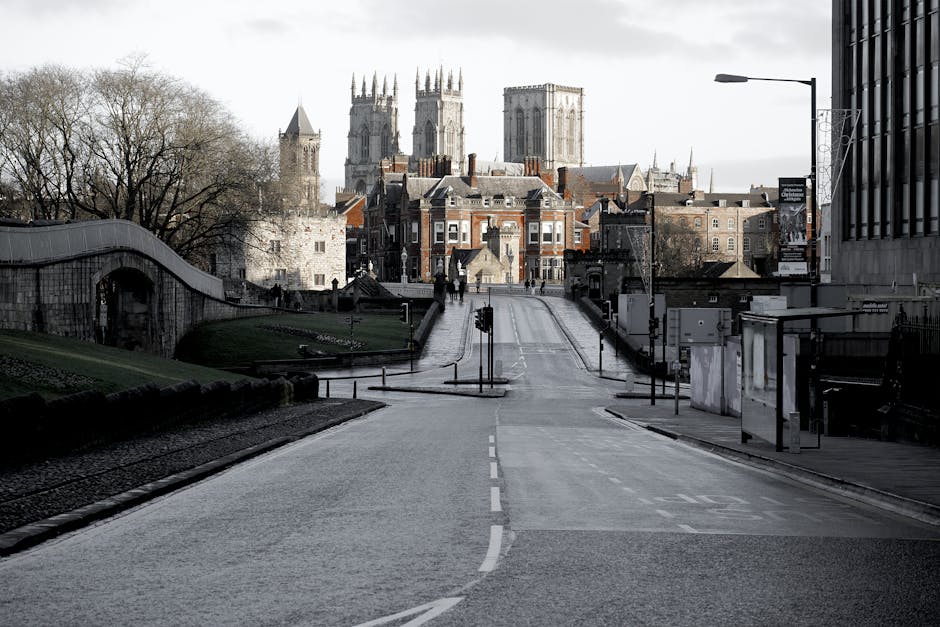
Explore the architectural wonders of York’s Minster Quarter at your own pace with this independent audio walk through Gothic history.
 Easy
EasyYork, United Kingdom
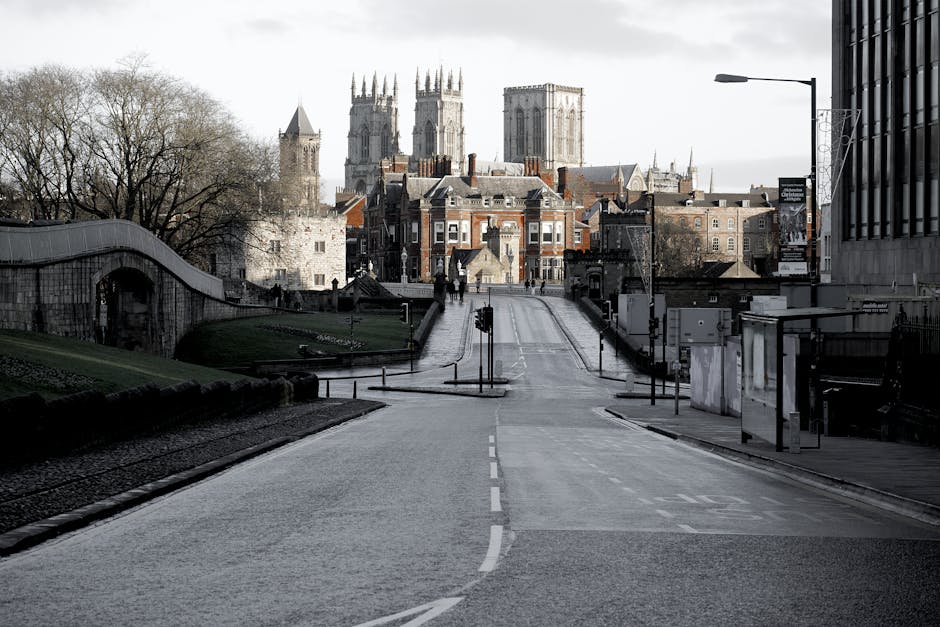
Explore York's delicious artisan food scene on this self-guided walking route through medieval streets and modern creative hubs.
 Easy
EasyInnsbruck, Austria
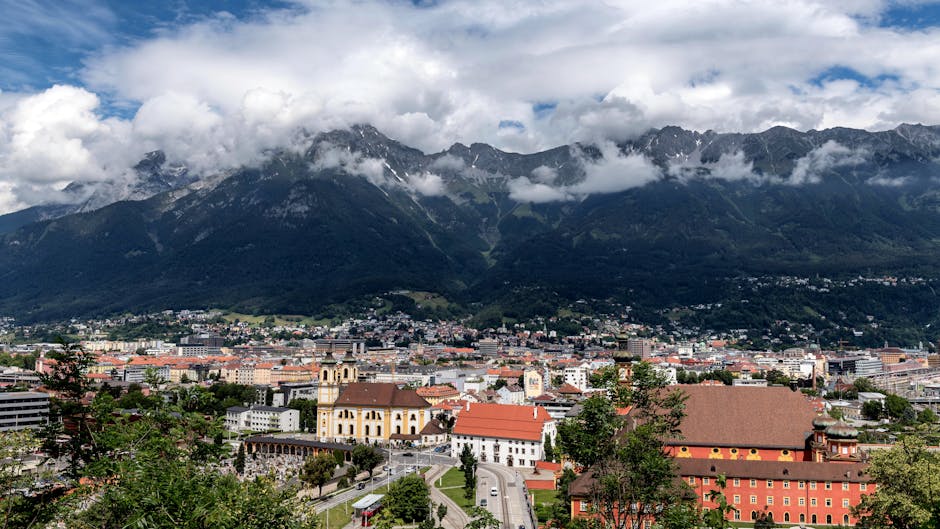
Uncover the myths and legends of Innsbruck on this self-guided walk through the historic Altstadt and beyond.
 Easy
EasyGothenburg, Sweden
Discover Gothenburg’s 17th-century Dutch foundations, historic canals, and military fortifications on this self-guided architectural walk.
 Easy
EasyNairobi, Kenya
Explore the history of Kenya’s independence through the statues, monuments, and parks that define Nairobi’s political heart on this self-guided walk.
 Easy
EasyKrakow, Poland
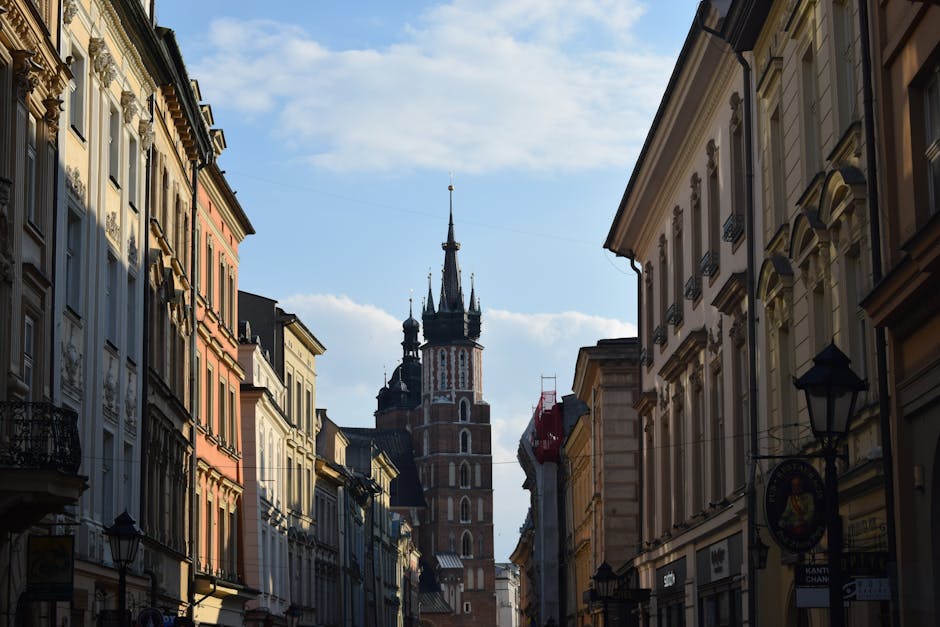
Uncover Krakow's legendary past on this self-guided walk from literary monuments to the fire-breathing Wawel Dragon.
 Easy
EasyEdinburgh, United Kingdom
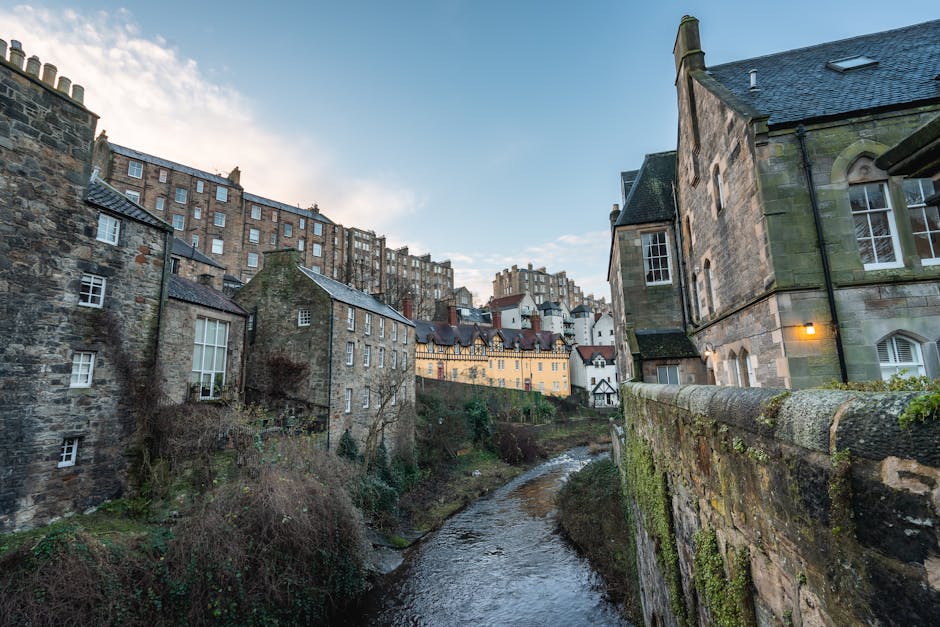
Explore Edinburgh's historic Royal Mile at your own pace, from the heights of the Castle to the royal Palace of Holyroodhouse.
 Easy
EasyEdinburgh, United Kingdom
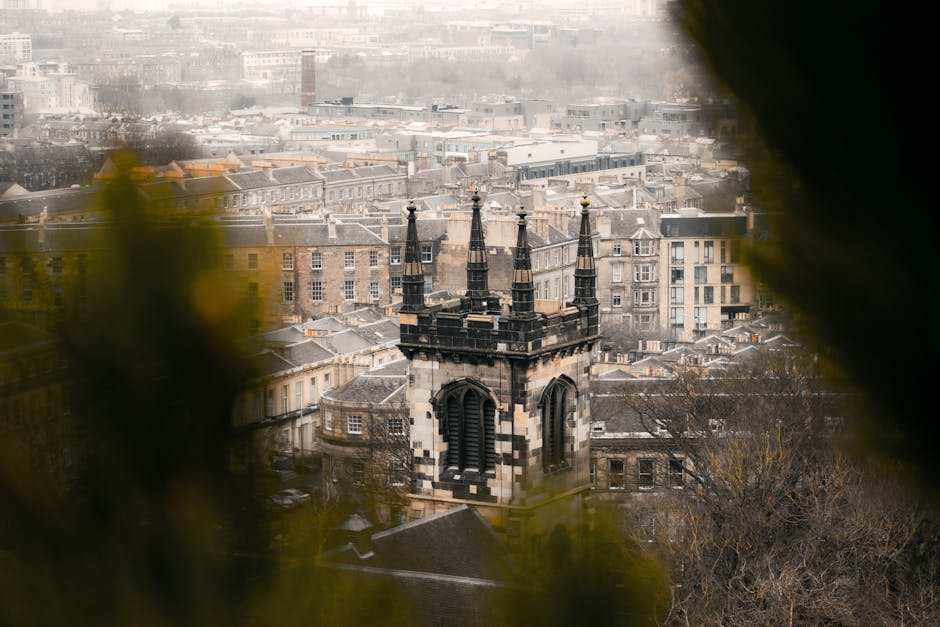
Capture the magic of Edinburgh on this self-guided stroll through the fairy-tale Dean Village, floral Circus Lane, and the scenic Water of Leith.
 Easy
EasyEdinburgh, United Kingdom
Explore Edinburgh's creative soul on this self-guided walk from historic museums to the stylish galleries and boutiques of the West End.
 Challenging
Edinburgh, United Kingdom
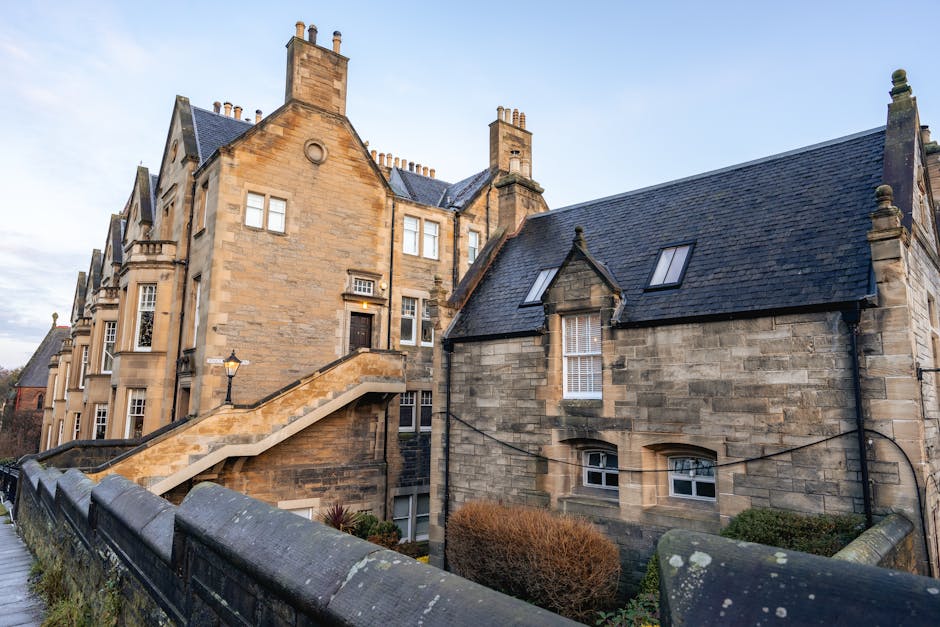
Ascend an ancient volcano and discover royal history on this challenging self-guided walk through Edinburgh's iconic Holyrood Park.