Self-guided audio tour in Montreal
Start Free on iPhone
Start free on iPhone to unlock this self-guided walking tour in Montreal. Hear all the stories that make it amazing, walk at your own pace, and begin whenever you want.
Your Private Tour Guide
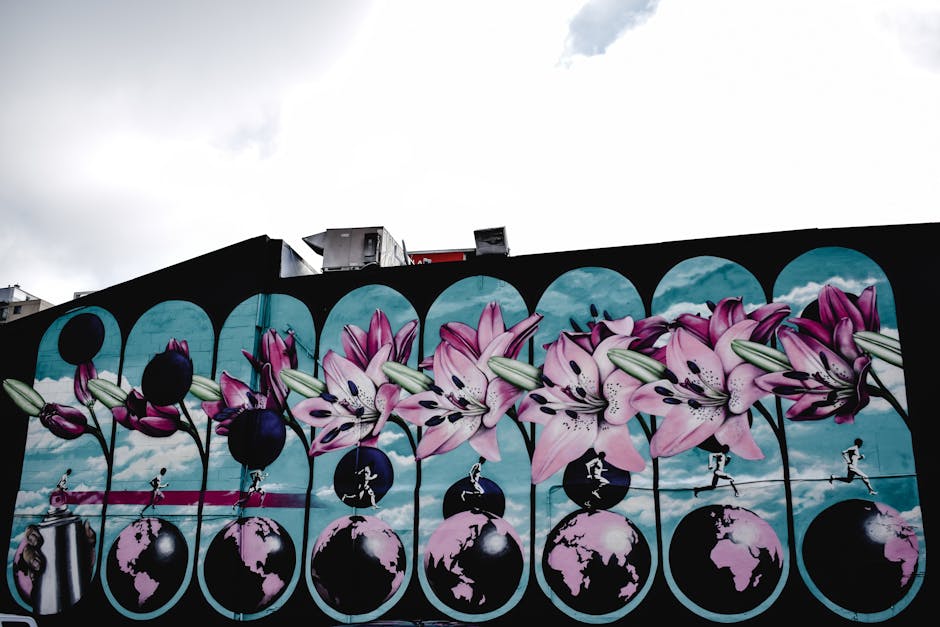
Montreal's Plateau neighborhood is a living gallery where every brick wall and hidden alleyway tells a story of creativity and community. This self-guided walk invites you to explore the bohemian heart of the city, a place where Victorian elegance meets modern urban expression. As you navigate the leafy streets, you will discover why this area is a magnet for artists, photographers, and dreamers alike. The route begins at the iconic Square Saint-Louis, famous for its 'gingerbread' houses and historic charm, before leading you through a tapestry of vibrant street art and secret green spaces. This neighborhood stroll captures the essence of Montreal’s unique cultural identity, blending its Francophone roots with a global artistic flair. Along the way, you will encounter massive murals that transform ordinary buildings into extraordinary canvases, particularly along the bustling Boulevard Saint-Laurent. Because the street art scene is dynamic, the visuals you see today may be different from what was here a year ago, making every visit a unique experience. This walking route also highlights the architectural grandeur of Saint-Jean-Baptiste Catholic Church and the tranquil beauty of La Fontaine Park, providing a perfect balance between urban energy and natural peace. For those seeking a walking tour Montreal experience that goes beyond the typical tourist path, this self-guided adventure offers an intimate look at the Plateau’s hidden gems. You will see the famous 'ruelles vertes'—green alleys—where residents have reclaimed urban spaces to create lush, private oases. Whether you are a photography enthusiast looking for the perfect shot or a traveler wanting to soak up the local atmosphere, this audio walk provides the context and history needed to appreciate the Plateau’s evolution from a working-class district to a world-renowned creative hub. A guided tour Montreal style often misses the quiet magic of these side streets, but by exploring independently, you can linger at a mural or rest in a park for as long as you like. Prepare to see Montreal through the eyes of its locals, uncovering the artistic spirit that defines this unforgettable neighborhood. **Note:** This area is known for its ever-changing character. Street art, pop-up venues, and temporary exhibitions may differ from what's described. That's part of the adventure - you might discover something entirely new!
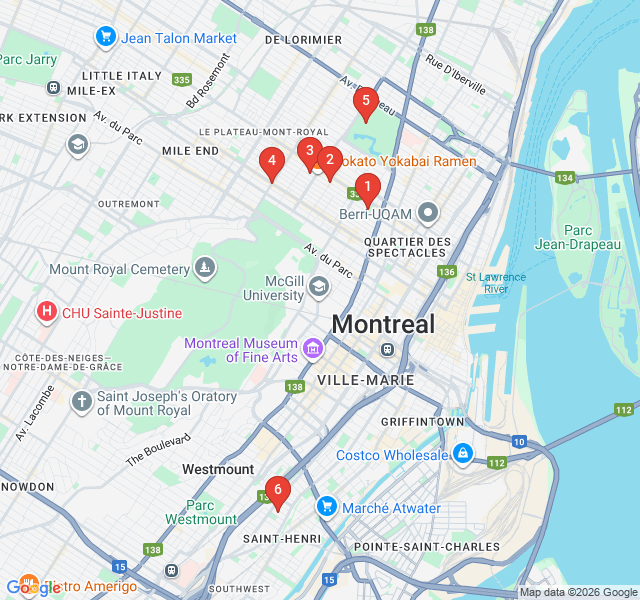
Numbers indicate the order of stops on the tour.
Welcome to Square Saint-Louis, often cited as one of the most beautiful urban spaces in North America. Established in the late 19th century, this park is surrounded by striking Victorian houses known for their colorful 'gingerbread' trim and steep mansard roofs. This square has long been a sanctuary for the city's intellectual and artistic elite; famous Quebecois poets and singers once called these houses home. As you walk around the central fountain, notice the blend of French and English architectural influences. This is a prime spot for photography, especially when the sun hits the vibrant facades. It is the perfect introduction to the Plateau’s aesthetic—historic, colorful, and deeply rooted in a sense of community.
As you transition from the grand houses of the square to the intersection of Drolet and Duluth, you enter the heart of the Plateau’s residential charm. Avenue Duluth is famous for its pedestrian-friendly atmosphere and its 'bring your own wine' restaurants. The architecture here shifts slightly, showcasing the iconic outdoor spiral staircases that Montreal is known for—a design choice originally made to save indoor heating space and comply with early building codes. Keep an eye out for smaller, tucked-away murals here. The street art in this section is often more intimate and reflective of the local community, showcasing the neighborhood's transition into a modern artistic hub.
Rising majestically over the neighborhood, the Saint-Jean-Baptiste Catholic Church is a masterpiece of ecclesiastical architecture. Completed in the early 20th century, it was designed to accommodate over 2,000 worshippers, reflecting the deep religious roots of the French-Canadian population at the time. Its facade is a mix of Baroque and Renaissance styles. While the interior is often praised for its incredible acoustics and ornate decor, the exterior serves as a massive landmark that anchors the surrounding streets. It stands as a silent witness to the Plateau's evolution from a devout working-class parish to the secular, artistic enclave it is today.
You are now on Boulevard Saint-Laurent, affectionately known to locals as 'The Main.' Historically, this street served as the dividing line between Montreal’s English-speaking west and French-speaking east. Today, it is the epicenter of the city's street art scene, largely thanks to the annual Mural Festival. As you walk this stretch, look up and down the side streets—enormous, multi-story artworks cover the brick walls. Please note that street art is inherently temporary; murals are often painted over during new festivals, so what you see is a fleeting moment in the city's creative timeline. This area is a vibrant mix of history, nightlife, and world-class urban gallery space.
La Fontaine Park is the 'green lung' of the Plateau. Spanning over 35 hectares, it offers a peaceful respite from the urban buzz. The park features two interconnected ponds, a fountain, and winding paths perfect for a neighborhood stroll. In the summer, you will see locals picnicking, playing pétanque, or enjoying outdoor theater. The park has a rich history dating back to the 1800s when it was a farm and later a military parade ground. Today, it reflects the Plateau's lifestyle: relaxed, outdoor-oriented, and communal. It’s an ideal place to pause your walk, grab a coffee nearby, and watch the local life of Montreal unfold.
To conclude your journey, step into a 'Ruelle Verte' or Green Alley. These are a uniquely Montreal phenomenon where residents collaborate to transform paved back alleys into lush, green corridors filled with plants, vegetable gardens, and art. These spaces are designed to reduce urban heat and create safe play areas for children, but they also serve as hidden galleries of local life. While the specific decorations and plant life change with the seasons and the whims of the neighbors, the spirit of community ownership remains. Please remember these are residential areas, so enjoy the quiet beauty and the creative DIY spirit of the Plateau locals with respect for their privacy.
Start Free on iPhone
Explore “Plateau Murals and Hidden Alleys” with your very own Private Tour Guide with Zigway. Start free on iPhone, skip the large group and the fixed routes, and hear the city come alive as you go.
Your Private Tour Guide
Don't miss the good stuff
Explore Freely
 Easy
EasyMontreal, Canada
Discover Montreal’s Little Italy on this self-guided walk. Explore Jean-Talon Market, historic churches, and iconic pastry shops at your own pace.
 Easy
EasyMontreal, Canada
Discover the birthplace of Montreal on this self-guided walk through cobblestone streets, historic markets, and stunning Gothic architecture.
 Moderate
Montreal, Canada
Explore the Gilded Age grandeur of Montreal's elite through this self-guided walk of historic mansions and architectural landmarks.
 Moderate
Montreal, Canada
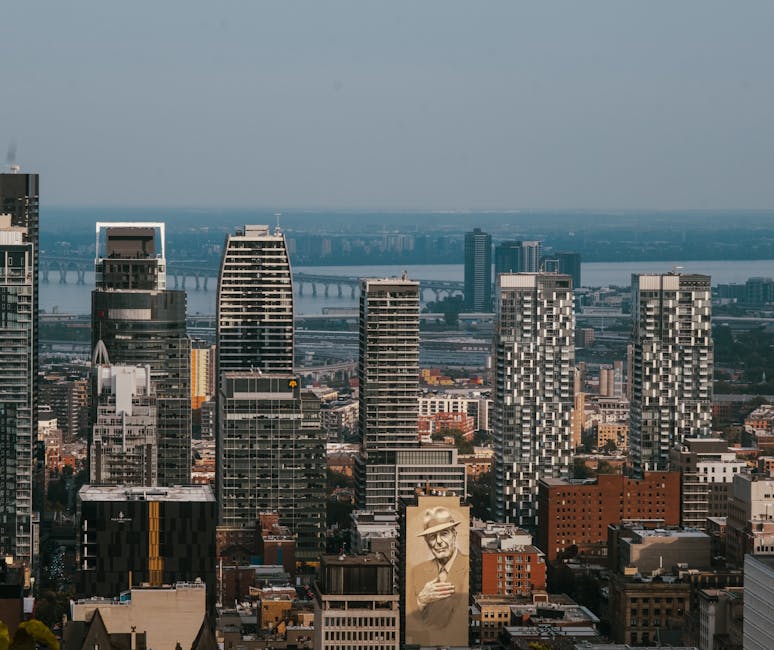
Explore Montreal's industrial heritage and modern charm on this self-guided audio walk through the historic streets of Saint-Henri.
 Easy
EasyVienna, Austria
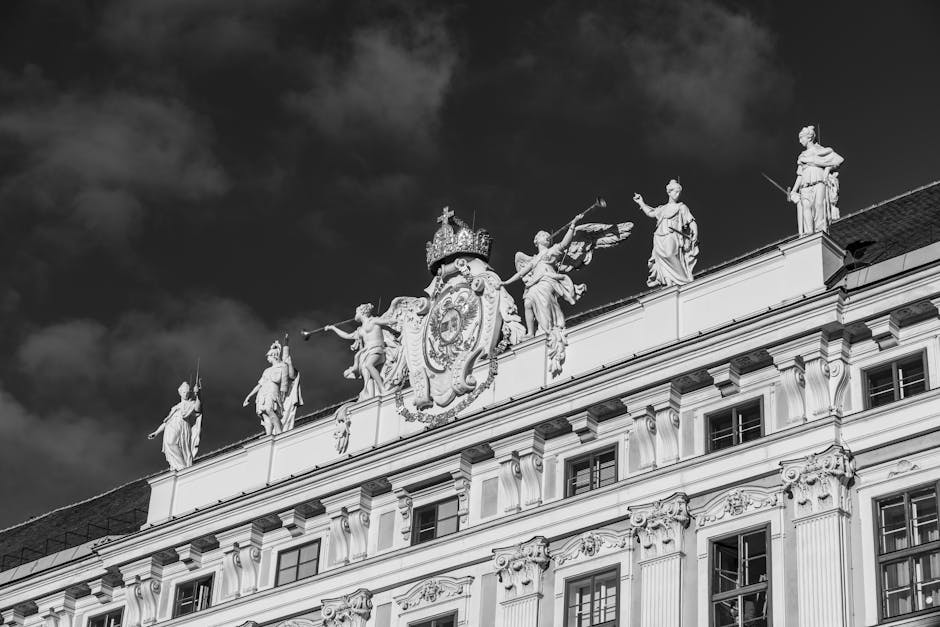
Explore Vienna’s vibrant open-air gallery along the Danube Canal on this self-guided street art and nightlife stroll through Leopoldstadt.
 Easy
EasyKrakow, Poland
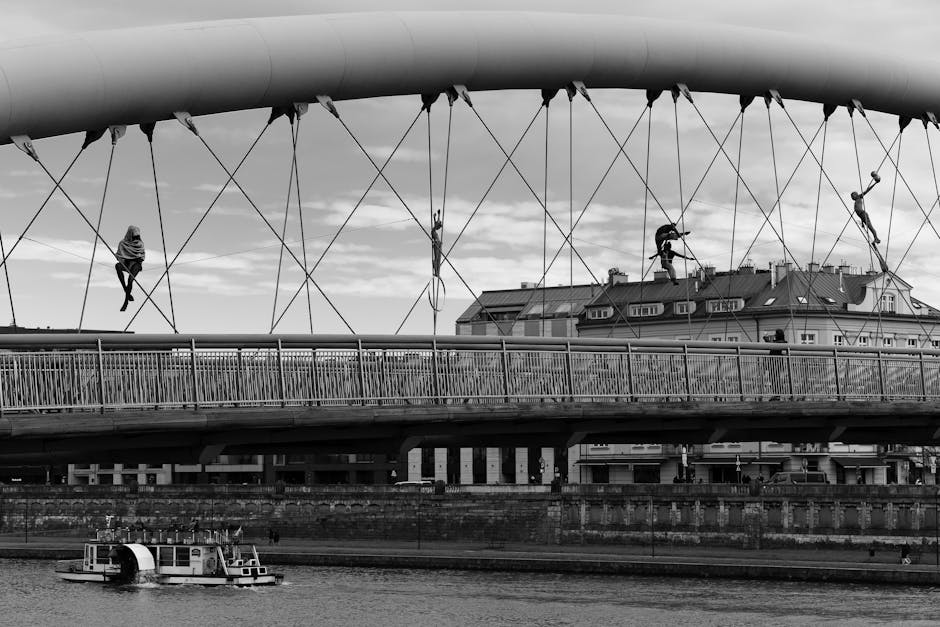
Discover Krakow’s creative soul in Zabłocie, exploring industrial heritage, contemporary art museums, and avant-garde architecture at your own pace.
 Easy
EasyGdansk, Poland
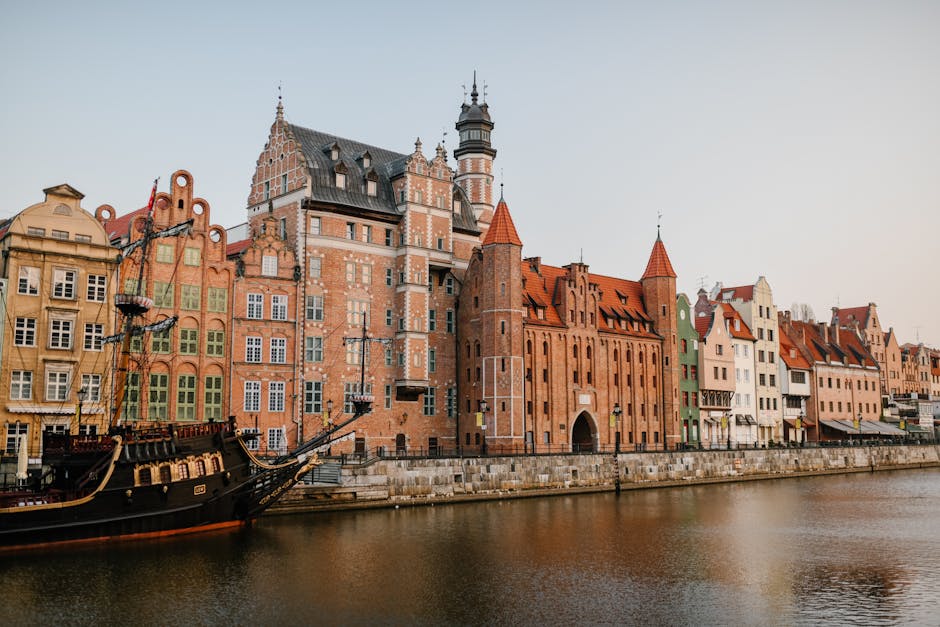
Discover the 'Baltic Gold' on this self-guided walk through Gdansk's historic mills, massive cathedrals, and the magical Mariacka Street.
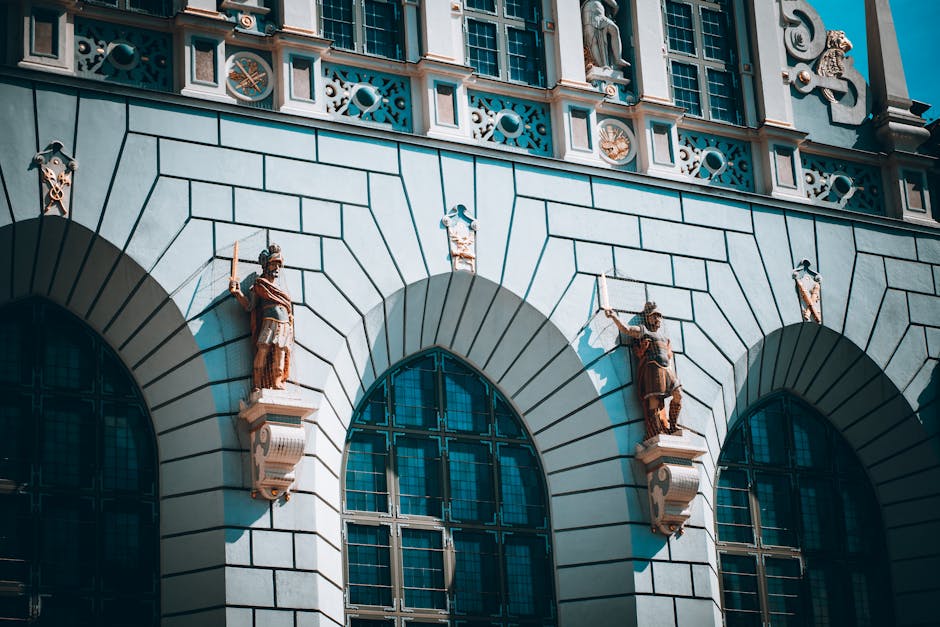 Moderate
Gdansk, Poland
Discover Zaspa, a massive open-air gallery where grey housing blocks are transformed by over 60 monumental murals. Explore at your own pace.
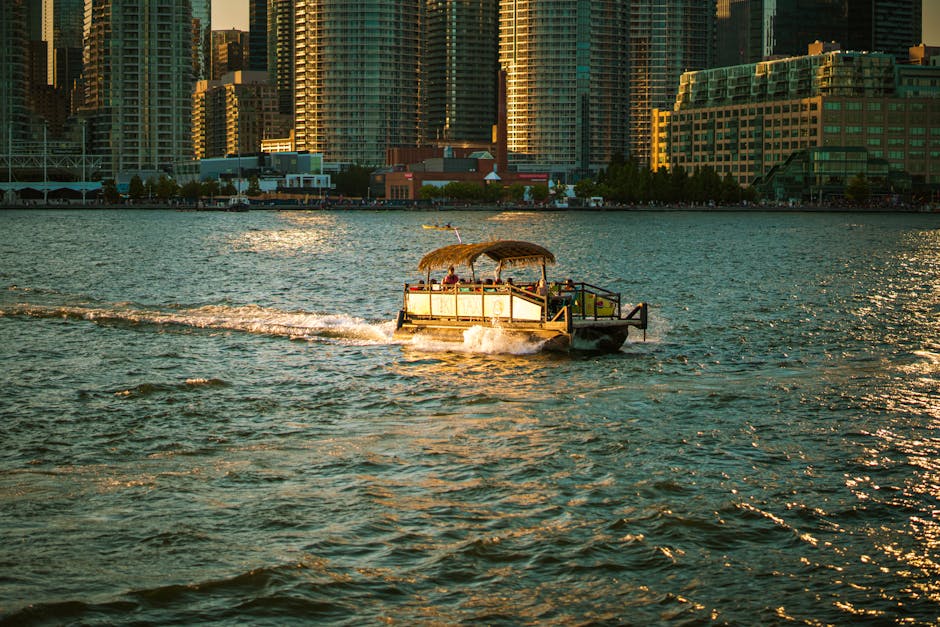 Challenging
Toronto, Canada
Explore Toronto's crown jewel with this self-guided walk through High Park’s hidden gardens, historic lodges, and scenic waterfront trails.
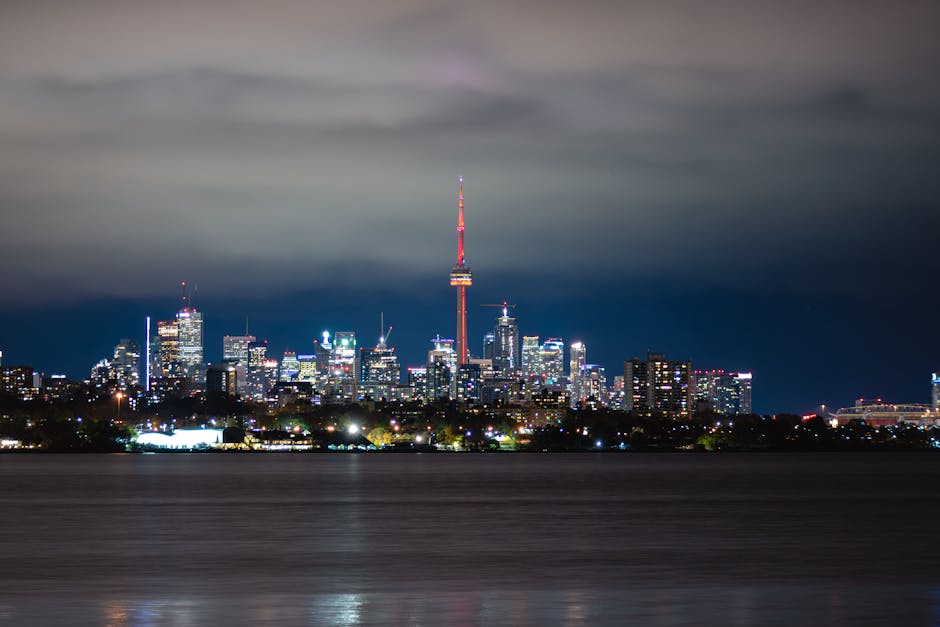 Easy
EasyToronto, Canada
Explore Toronto's iconic skyline on this self-guided walk through the Financial District's historic stone halls and golden glass towers.
 Easy
EasyToronto, Canada
Explore North America's largest collection of Victorian homes and peaceful green spaces on this self-guided stroll through Toronto's Cabbagetown.
 Easy
EasyToronto, Canada
Explore Yorkville’s transformation from 1960s hippie haven to Toronto’s premier luxury district on this self-guided audio walk.