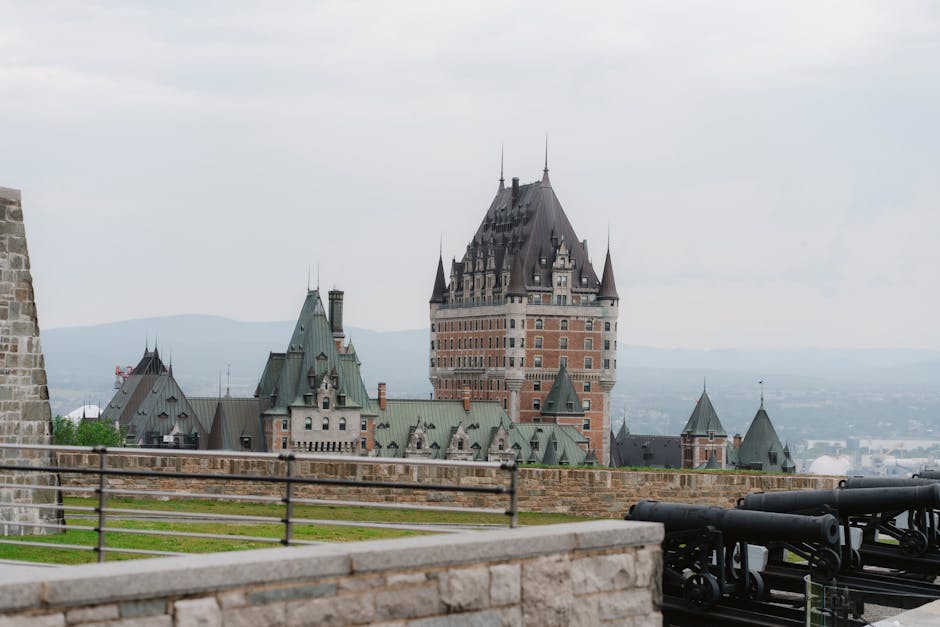
Self-guided audio tour in Quebec City
Start Free on iPhone
Start free on iPhone to unlock this self-guided walking tour in Quebec City. Hear all the stories that make it amazing, walk at your own pace, and begin whenever you want.
Your Private Tour Guide
Step onto one of the world's most significant historic battlefields and explore the lush green heart of Quebec City. This self-guided walk takes you through the Battlefields Park, known as the Plains of Abraham, where the fate of North America was decided in a mere twenty minutes in 1759. Beyond its military significance, the area is now a sprawling urban oasis, offering a mix of stunning horticulture, defensive architecture, and breathtaking vistas of the St. Lawrence River. As you follow this walking route, you will uncover the layers of history that transformed a rugged pastoral field into a site of conflict between the French and British empires, and finally into a cherished public park. Your journey begins at the Plains of Abraham Museum, the perfect gateway to understanding the complex maneuvers of Generals Wolfe and Montcalm. From there, the path winds through the vibrant Joan of Arc Garden, a sunken masterpiece of landscape design that offers a peaceful contrast to the tales of war. You will encounter the sturdy Martello Towers, iconic circular stone fortifications built by the British to defend against potential American invasions. The route then leads you to the edge of Cap Diamant, where the sheer cliffs provide a natural defense and a panoramic view of the river below. This walking tour Quebec City experience is designed for those who want to blend a love for the outdoors with a deep dive into Canadian heritage. Finally, the path concludes near the historic Governor's Garden, where a unique monument honors both the victor and the vanquished of the 1759 battle. This neighborhood stroll through the Montcalm district and the park allows you to explore independently and at your own pace, soaking in the atmosphere of a city that wears its history on its sleeve. Whether you are a history buff or a nature lover, this self-guided adventure provides a comprehensive look at the military might and natural beauty that define Quebec City.
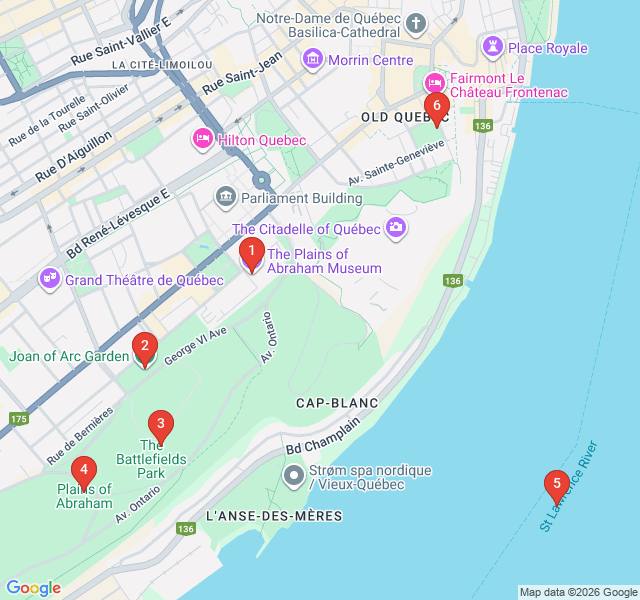
Numbers indicate the order of stops on the tour.
Welcome to the starting point of your self-guided walk. The Plains of Abraham Museum serves as the primary interpretive center for Battlefields Park. This site is dedicated to the 1759 and 1760 battles that occurred right where you are standing. Inside, you can find artifacts found on the park grounds and immersive displays that explain the daily lives of soldiers and the strategies used by the French and British armies. This museum sits on land that was once part of the 'Abraham's Heights,' named after Abraham Martin, a 17th-century fisherman and pilot who grazed his cattle here. Today, it stands as a gateway to understanding how this peaceful park was once a chaotic theater of war.
As you continue your neighborhood stroll, you will encounter the Joan of Arc Garden. Created in 1938 by landscape architect Louis Perron, this sunken garden is a masterpiece of horticultural design. It features over 150 species of perennials and annuals, designed to bloom in a sequence of colors throughout the season. At the center stands an equestrian statue of Joan of Arc, a gift from an American couple, the Hyatts, in 1938. The garden is strategically sunken to protect the delicate plants from the harsh Quebec winds. It offers a moment of serenity and a stark contrast to the surrounding military history, symbolizing peace on a former battlefield.
Before you stand one of the three remaining Martello Towers in Quebec City. These circular stone fortifications were built by the British between 1808 and 1812 to bolster the city's defenses against a potential American invasion. Martello Tower 1 is particularly significant because it was built on the highest point of the plateau, providing a clear line of sight to the surrounding territory. The towers were designed with thick walls on the side facing the enemy and thinner walls on the city-facing side, ensuring that if they were captured, they could be easily destroyed by the city's own cannons. Though they never saw combat, they remain iconic symbols of British military architecture in North America.
You are now standing in the heart of the Plains of Abraham, the site of the pivotal battle of September 13, 1759. In just twenty minutes of intense fighting, the British army under General James Wolfe defeated the French forces led by the Marquis de Montcalm. This event led to the British conquest of Quebec and changed the course of North American history forever. Both generals were mortally wounded during the encounter. Today, this vast urban park is used for festivals, sports, and relaxation, but look closely and you will see markers indicating where the battle lines were drawn. It is a place where the weight of the past meets the vibrant life of modern Quebec.
Step toward the edge of the plateau to experience Cap Diamant, the highest point in Quebec City. Named by explorer Jacques Cartier, who mistakenly thought the quartz crystals he found here were diamonds, this cliffside offers a natural defensive barrier that made Quebec City a strategic stronghold for centuries. From this vantage point, you have an unparalleled view of the St. Lawrence River, the Levis shore opposite, and the busy shipping lanes below. It was up these very cliffs that Wolfe’s men climbed in the dark of night to surprise the French. The height and scale of the cape explain why this city was often called the 'Gibraltar of the North.'
Our walking route concludes at the Wolfe-Montcalm Monument, located in the Governor's Garden near the Chateau Frontenac. Erected in 1828, this obelisk is unique because it honors both the victorious British General James Wolfe and the defeated French Marquis de Montcalm. The Latin inscription translates to: 'Their courage gave them a common death, history a common fame, posterity a common monument.' This monument was intended to promote reconciliation between the French and English populations of Canada in the 19th century. It serves as a powerful reminder of how two opposing legacies were woven together to form the foundation of a bilingual and multicultural nation.
Start Free on iPhone
Explore “Military Might: The Plains of Abraham Route” with your very own Private Tour Guide with Zigway. Start free on iPhone, skip the large group and the fixed routes, and hear the city come alive as you go.
Your Private Tour Guide
Don't miss the good stuff
Explore Freely
 Easy
EasyQuebec City, Canada
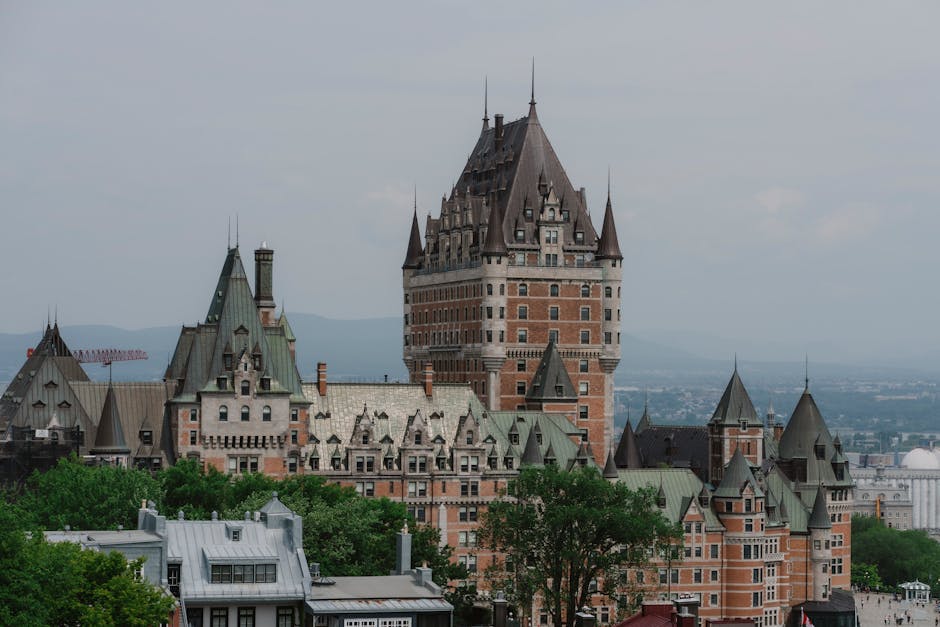
Explore the artistic soul of Quebec City. Discover Gilded Age architecture, iconic murals, and open-air art in the elegant Montcalm neighborhood.
 Moderate
Quebec City, Canada
Explore North America's only remaining fortified city walls on this self-guided walk through Quebec City's iconic military history and stone gates.
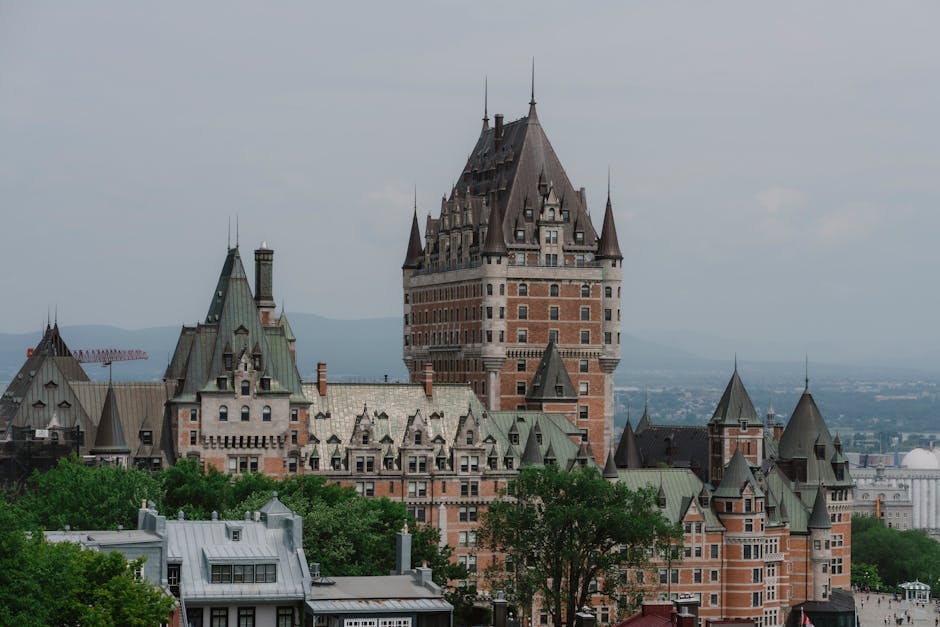 Easy
EasyQuebec City, Canada
Explore the creative soul of Saint-Roch on this self-guided walk featuring street art, craft breweries, and secret gardens.
 Easy
EasyQuebec City, Canada
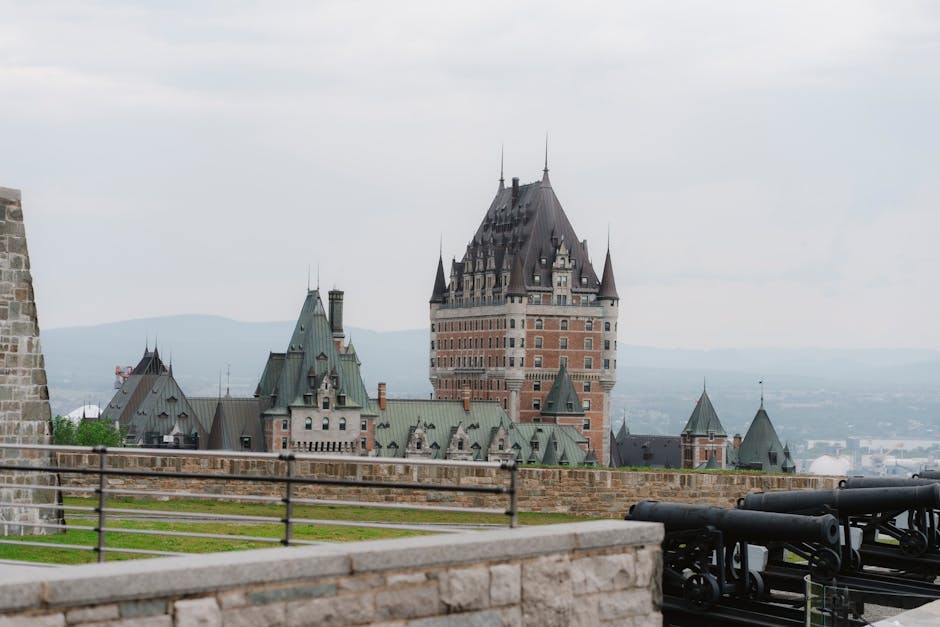
Uncover haunted legends and dark history in Old Quebec on this atmospheric self-guided audio walk through the Upper Town's spooky corners.
 Easy
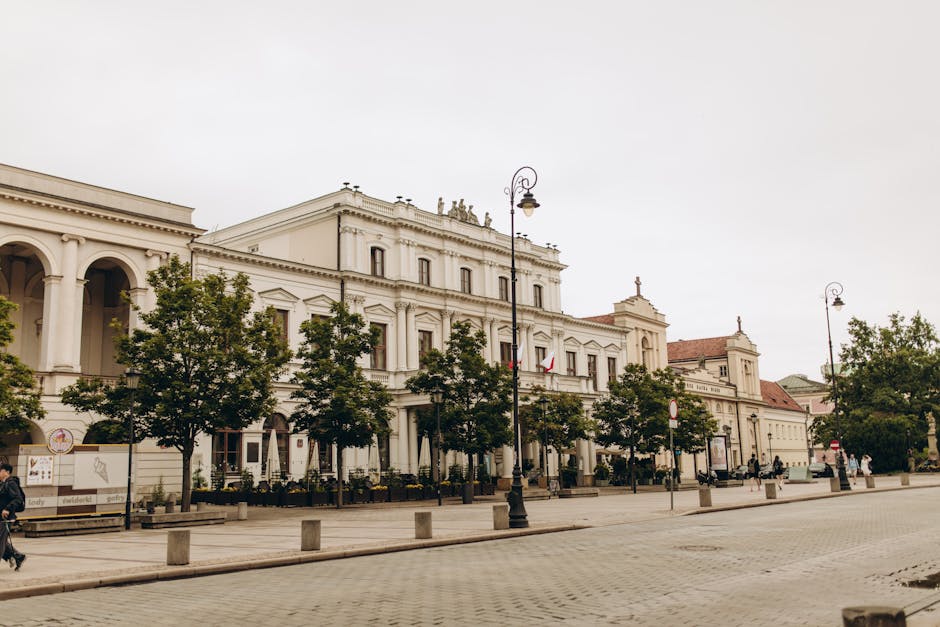
EasyWarsaw, Poland
Explore the 'Polish Versailles' at your own pace. Discover Baroque architecture, royal history, and stunning gardens on this self-guided walk.
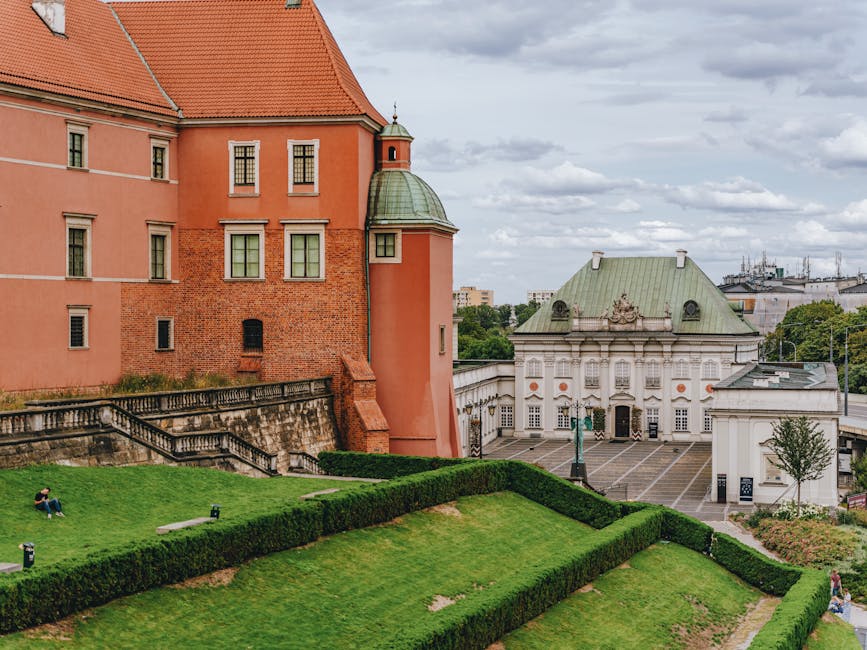 Moderate
Warsaw, Poland
Explore the resilient spirit of Warsaw's Muranów district on this self-guided walk through the history and landmarks of the former Jewish Ghetto.
 Moderate
Warsaw, Poland
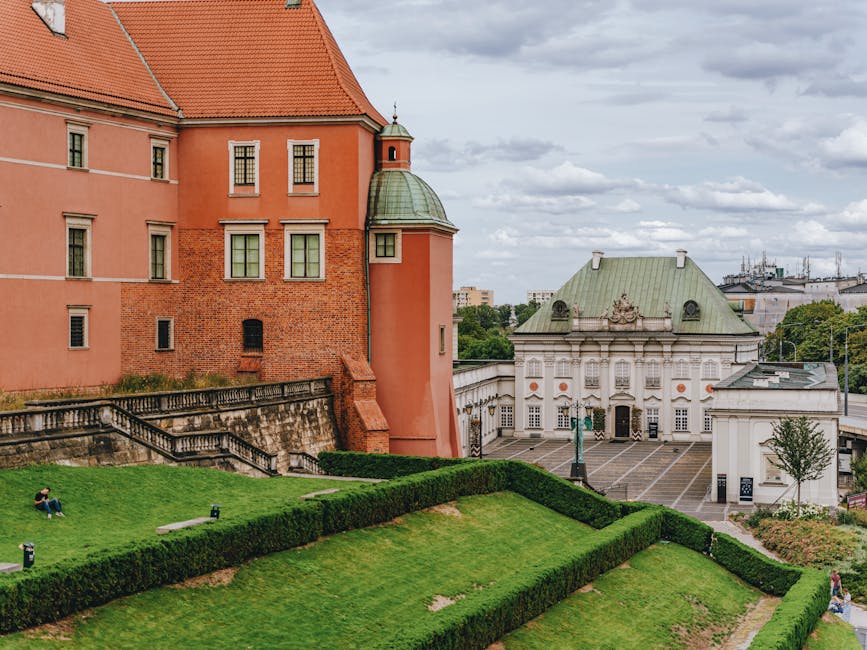
A powerful self-guided walk through Warsaw's WWII history, tracking the 1944 Uprising from ruined skyscrapers to solemn memorials.
 Moderate
Helsinki, Finland
Explore the 'Gibraltar of the North' on this independent walking route through the historic bastions and hidden gardens of Suomenlinna Sea Fortress.
 Challenging
Toronto, Canada
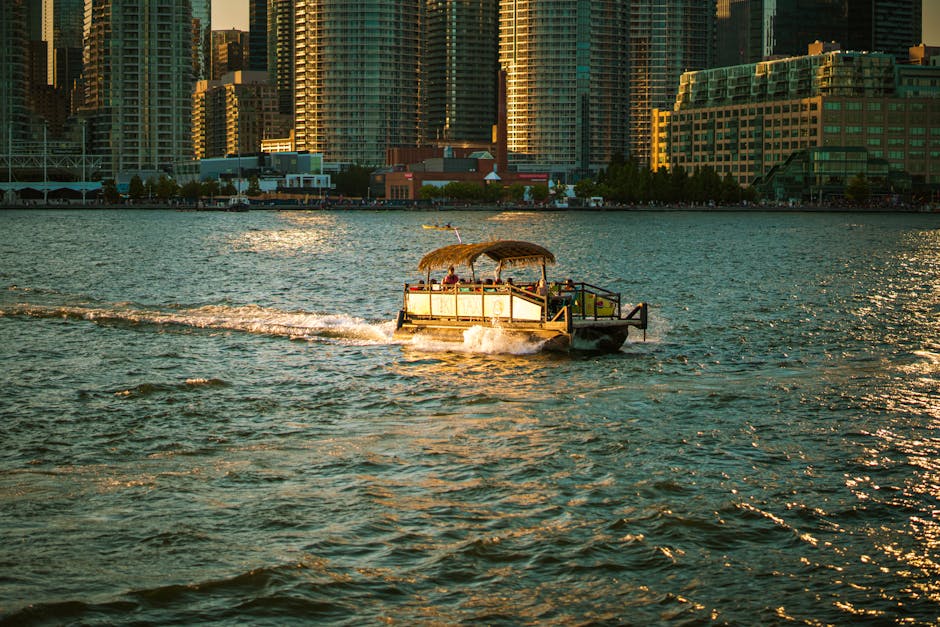
Explore Toronto's crown jewel with this self-guided walk through High Park’s hidden gardens, historic lodges, and scenic waterfront trails.
 Easy
EasyToronto, Canada
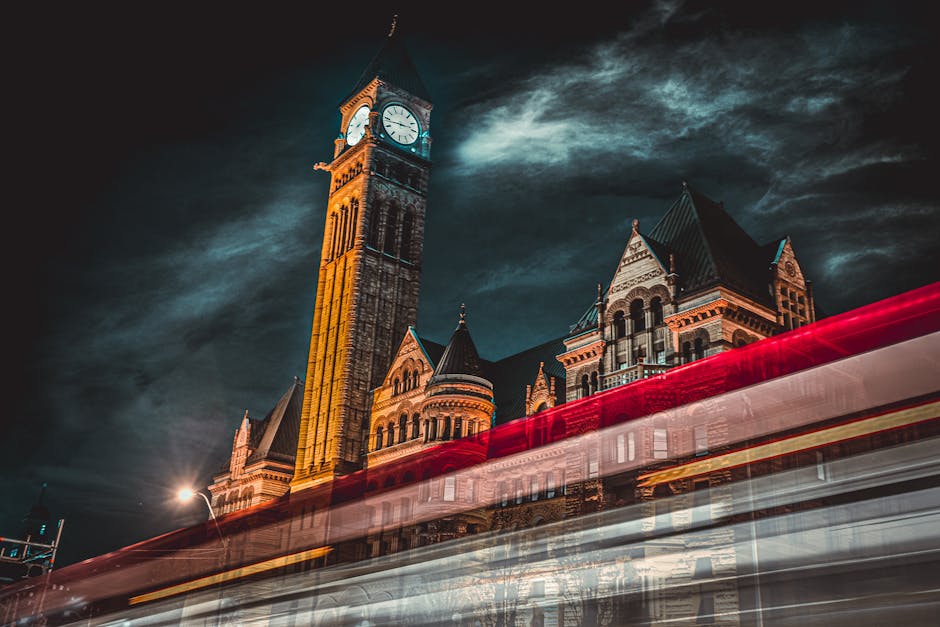
Explore Toronto's iconic skyline on this self-guided walk through the Financial District's historic stone halls and golden glass towers.
 Easy
EasyToronto, Canada
Explore North America's largest collection of Victorian homes and peaceful green spaces on this self-guided stroll through Toronto's Cabbagetown.
 Easy
EasyToronto, Canada
Explore Yorkville’s transformation from 1960s hippie haven to Toronto’s premier luxury district on this self-guided audio walk.