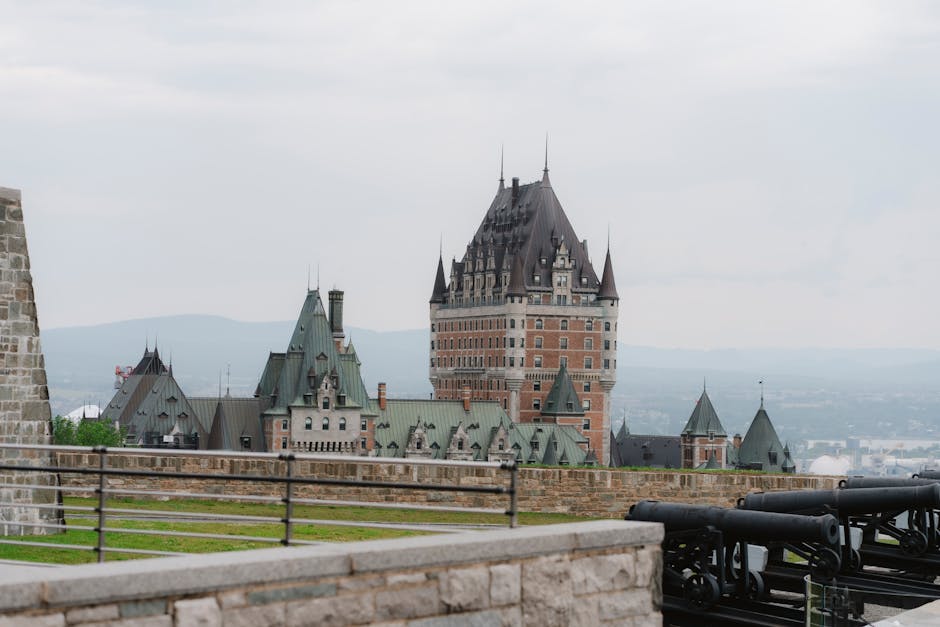
Self-guided audio tour in Quebec City
Start Free on iPhone
Start free on iPhone to unlock this self-guided walking tour in Quebec City. Hear all the stories that make it amazing, walk at your own pace, and begin whenever you want.
Your Private Tour Guide
Step into a living museum where the echoes of 17th-century muskets still seem to linger in the air. Quebec City is the only city north of Mexico that still possesses its original fortified walls, a feat that has earned its entire historic district a spot on the UNESCO World Heritage list. This self-guided walk invites you to traverse the defensive perimeter of the Upper Town, exploring the bastions, gates, and ramparts that once protected the heart of New France from invasion. As you navigate this walking route, you will uncover the layers of history that transformed a colonial outpost into a formidable military stronghold. The journey begins at Artillery Park, a site that witnessed the transition from French barracks to a British industrial complex. From there, the path leads you along the top of the stone fortifications, offering sweeping views of the St. Lawrence River and the charming streets below. You will encounter the iconic stone gates—St. Jean, Kent, and St. Louis—each with its own architectural story and symbolic importance in the city's defense. These gates are not merely passages but monuments to the engineering prowess of the 18th and 19th centuries. The walk culminates at the massive star-shaped Citadelle, often called the 'Gibraltar of the Americas,' which remains an active military base to this day. This neighborhood stroll is perfect for those who want to explore independently and at their own pace, soaking in the military architecture and the strategic layout that defined the fate of North America. Whether you are a history buff or a fan of grand stone masonry, this walking tour Quebec City offers provides a deep dive into the stone soul of the capital.
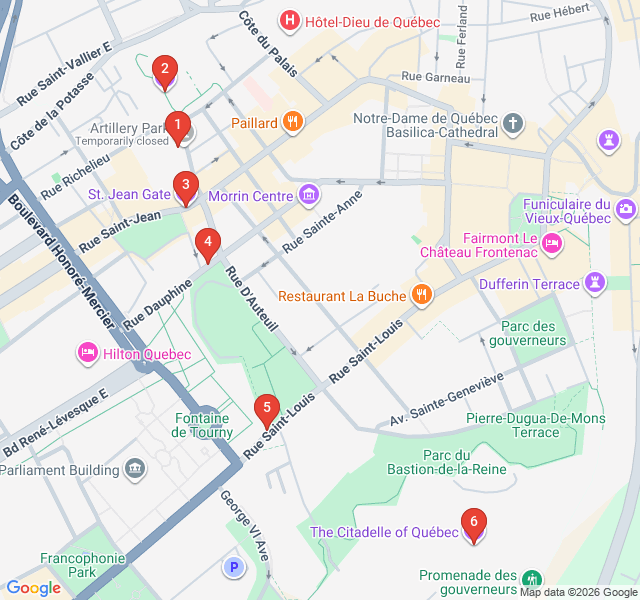
Numbers indicate the order of stops on the tour.
Begin your self-guided adventure at Artillery Park, a site that served as a cornerstone of Quebec’s defense for over 250 years. Originally established by the French in the late 17th century to house soldiers, the site was later expanded by the British after 1759. You are standing in a place that has transitioned from a military barracks to a heavy industrial center. For over a century, this was the site of the Dominion Arsenal, a cartridge factory that supplied the Canadian military through both World Wars. Look for the Dauphine Redoubt, a massive building with thick stone walls that once housed French officers. The park serves as a perfect introduction to the military theme, showcasing how the city’s defense evolved from simple earthworks to complex industrial support.
As you move onto the ramparts, you are entering a 4.6-kilometer circuit of stone and earth that encircles the Upper Town. These fortifications were built between 1608 and 1871 by French, British, and Canadian engineers. Walking along these walls offers a unique perspective on the city’s geography. Notice the thickness of the masonry and the strategic placement of the bastions—the protruding angles of the wall that allowed soldiers to fire upon anyone attempting to scale the sides. This defensive system was so effective that it discouraged many potential sieges. Today, it remains a testament to the city's strategic importance as a gateway to the continent, providing some of the most scenic views of the surrounding landscape.
Reach the St. Jean Gate, which has historically served as one of the primary entries to the city's commercial heart. The gate you see today is actually the fourth version, rebuilt in 1939 to accommodate modern traffic while maintaining a medieval aesthetic. In the 18th century, this was a heavily guarded bottleneck where travelers and merchants had to prove their business before entering the Upper Town. During the winter, the gates were often the only cleared paths into the city. Take a moment to admire the stone craftsmanship and the way the gate integrates seamlessly with the surrounding ramparts, standing as a bridge between the historic old town and the bustling modern districts just outside the walls.
Continue along the wall to the Kent Gate, the newest of the city's gates. Unlike the others, which were built for defense, this gate was constructed in 1879 during the Victorian era. It was named after the Duke of Kent, Queen Victoria's father, who had lived in Quebec City in the late 18th century. Its construction was part of a major preservation effort led by Lord Dufferin, the Governor General of Canada. At the time, many residents wanted to tear down the walls to improve traffic flow, but Dufferin fought to keep them, arguing that they were essential to the city's character. This gate is a monument to that early conservation movement, ensuring that Quebec remained a fortified city for future generations.
The St. Louis Gate is perhaps the most photographed and grandest of all the city's entrances. Originally built in 1694, the current structure dates back to 1878 and features a stunning French Gothic style with pointed turrets and heavy stonework. In the past, this gate led directly to the road toward Montreal and was a critical point of defense during the Battle of the Plains of Abraham in 1759. The gate was designed to be narrow enough to be easily blocked in the event of an attack. Today, it serves as a majestic portal into the heart of the Old Town, where the architecture shifts from military utility to the charming residential and commercial styles of the 19th century.
Finish your walking route at the Citadelle of Québec, a massive star-shaped fortress that sits atop Cap Diamant, the highest point in the city. Built primarily between 1820 and 1850, it was designed to protect the city against a potential American invasion. It is the largest British-built fortress in North America and remains an active military installation, serving as the home of the Royal 22e Régiment. From the exterior, you can appreciate the 'Vauban' style of architecture, characterized by its star shape which eliminated blind spots for defenders. The Citadelle also serves as the secondary official residence of the Governor General of Canada, blending military function with national ceremony. The view from this vantage point across the St. Lawrence is arguably the best in the city.
Start Free on iPhone
Explore “Bastions and Battlements: The Fortified City” with your very own Private Tour Guide with Zigway. Start free on iPhone, skip the large group and the fixed routes, and hear the city come alive as you go.
Your Private Tour Guide
Don't miss the good stuff
Explore Freely
 Easy
EasyQuebec City, Canada
Explore the artistic soul of Quebec City. Discover Gilded Age architecture, iconic murals, and open-air art in the elegant Montcalm neighborhood.
 Easy
EasyQuebec City, Canada
Explore the creative soul of Saint-Roch on this self-guided walk featuring street art, craft breweries, and secret gardens.
 Easy
EasyQuebec City, Canada
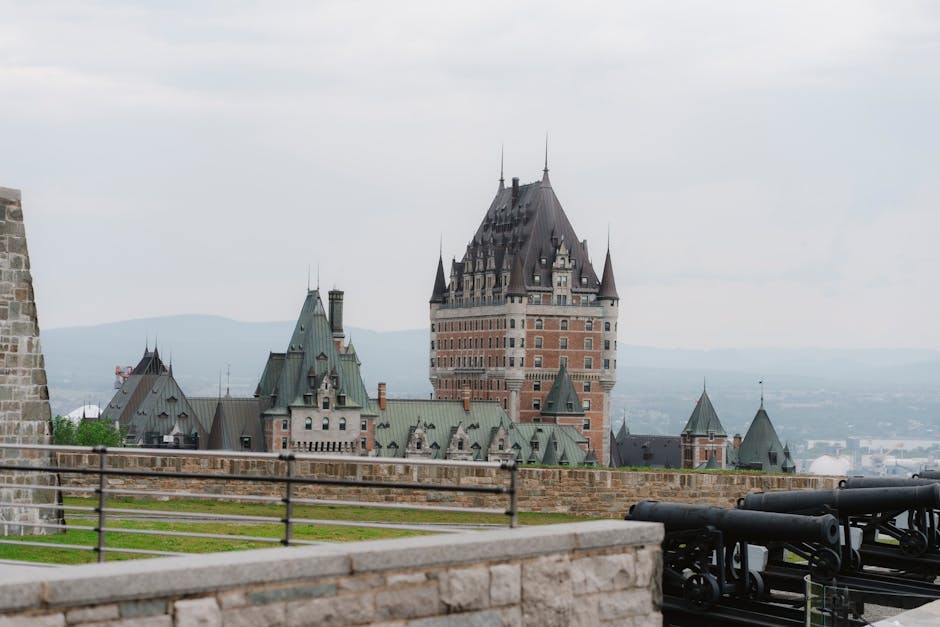
Uncover haunted legends and dark history in Old Quebec on this atmospheric self-guided audio walk through the Upper Town's spooky corners.
 Easy
EasyQuebec City, Canada
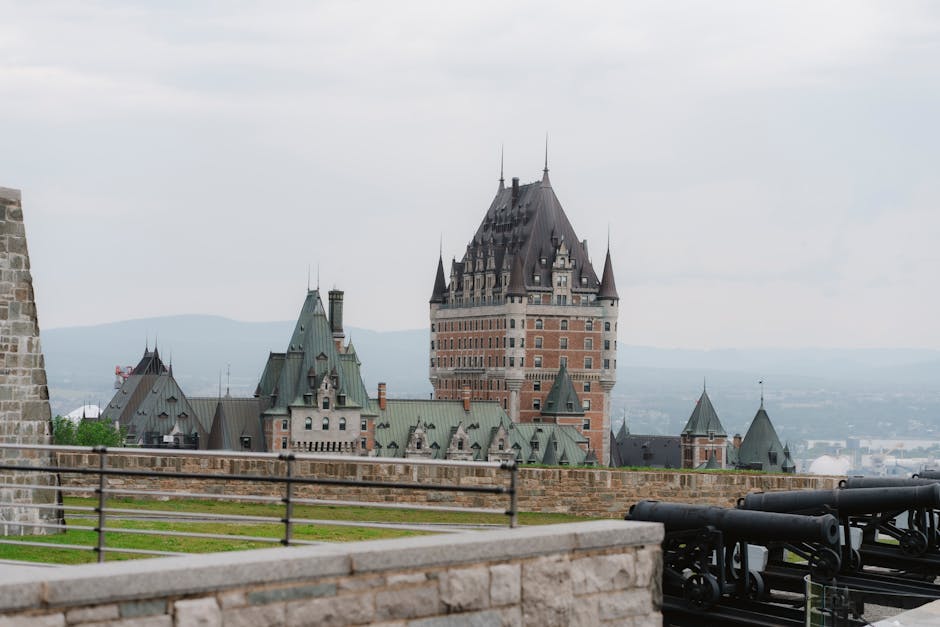
Discover the sacred heart of Old Quebec. Explore historic cathedrals, hidden cloisters, and the legacy of the city's founding religious orders.
 Moderate
Vienna, Austria
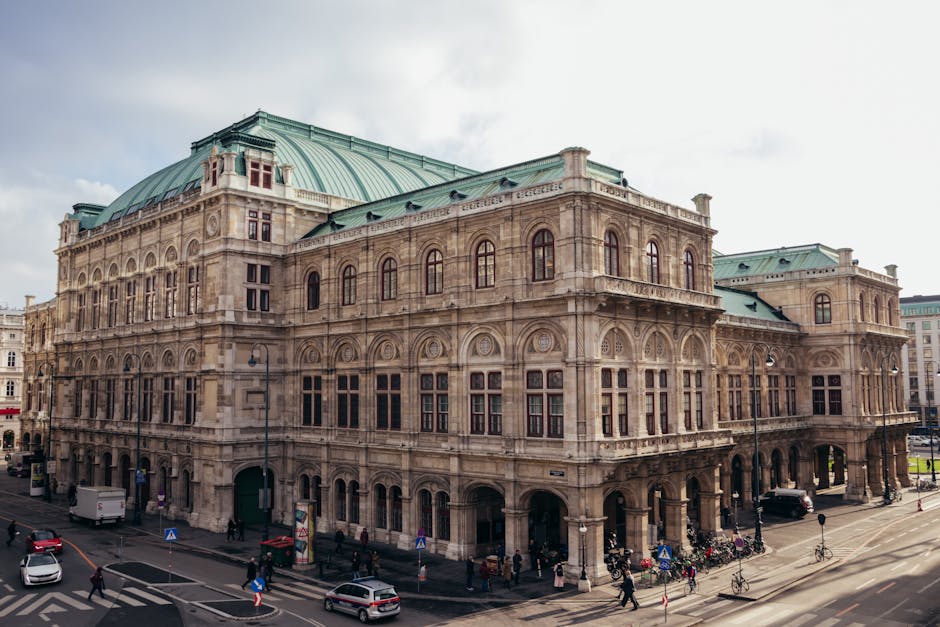
Discover the noir world of The Third Man and Cold War Vienna on this atmospheric self-guided audio walk through the historic Innere Stadt.
 Easy
EasyGdansk, Poland
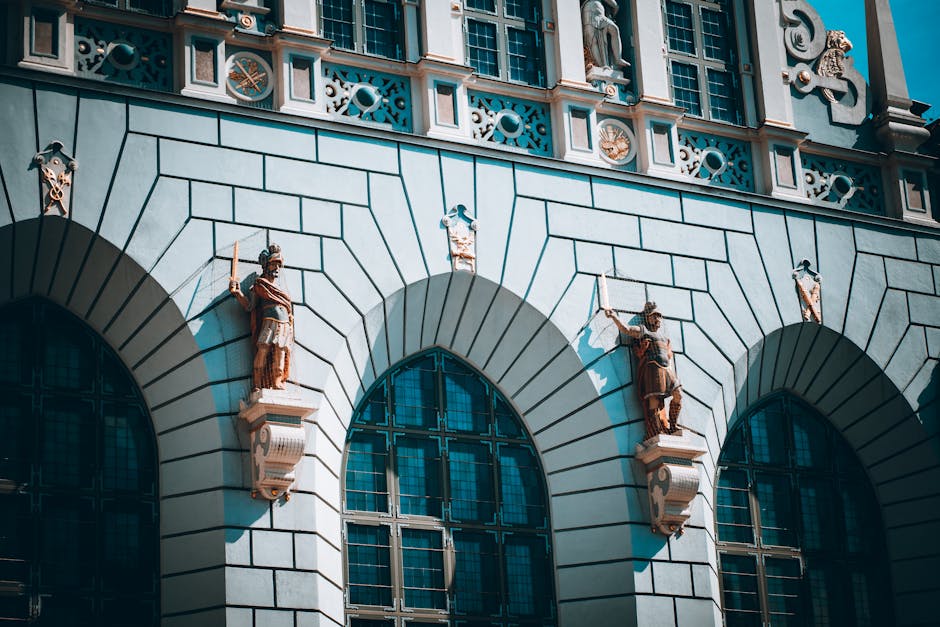
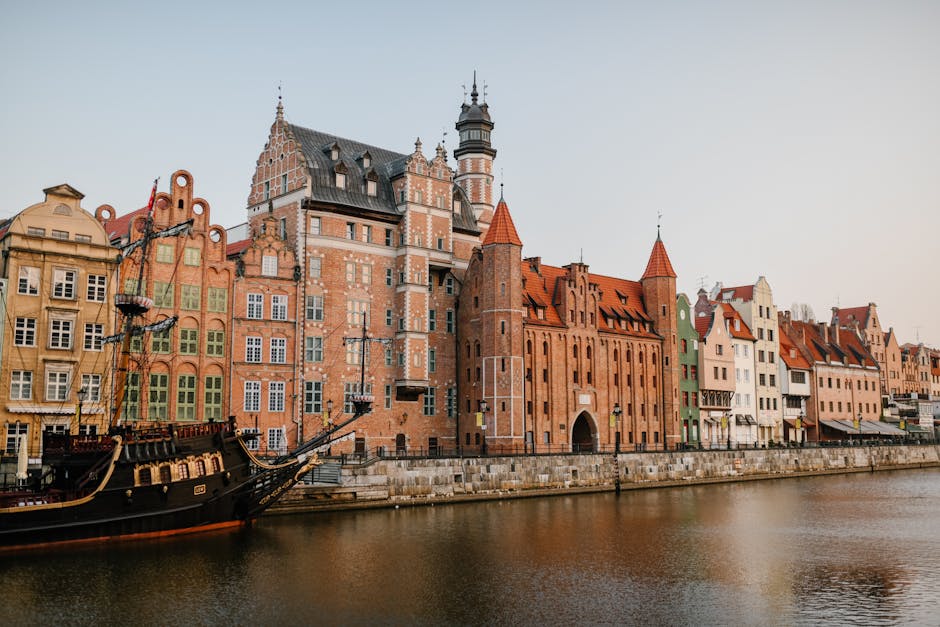
Discover the opulent Royal Way of Gdansk at your own pace. Explore Hanseatic history, gilded architecture, and the iconic Neptune's Fountain.
 Easy
EasyGdansk, Poland
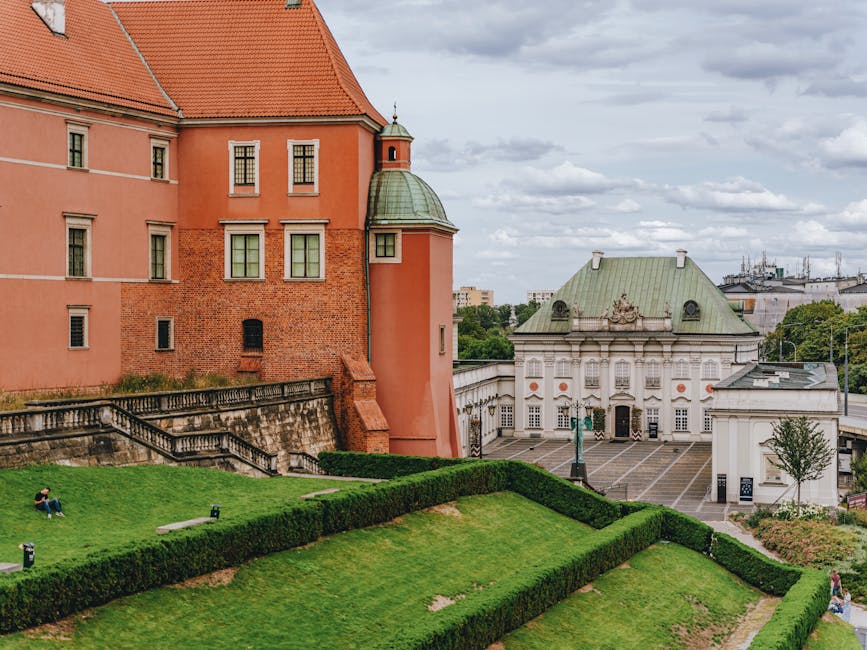
Discover the 'Baltic Gold' on this self-guided walk through Gdansk's historic mills, massive cathedrals, and the magical Mariacka Street.
 Easy
EasyWarsaw, Poland
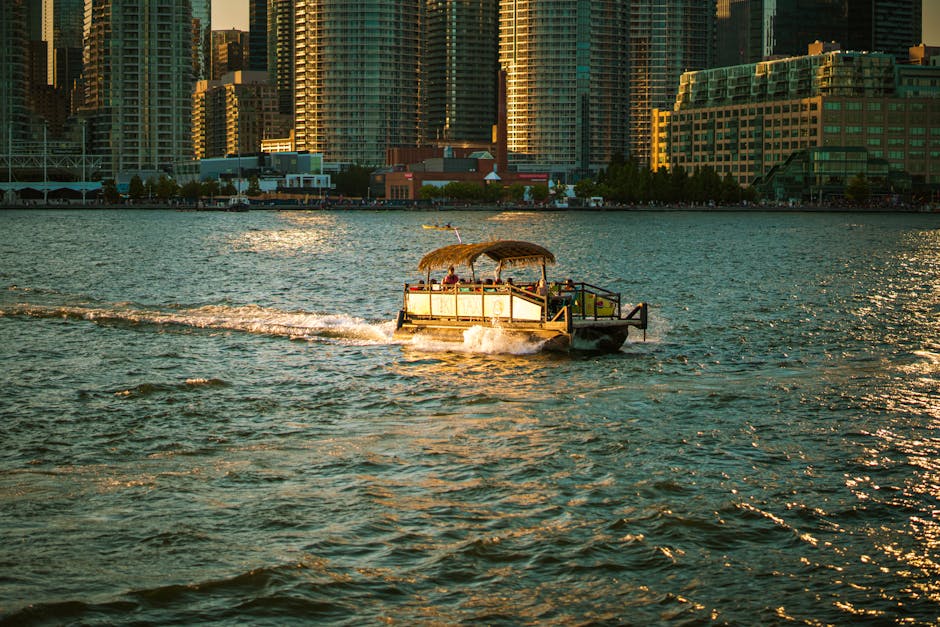
Explore the miracle of Warsaw's reconstructed Old Town on this self-guided walk through royal squares, medieval walls, and heroic monuments.
 Challenging
Toronto, Canada
Explore Toronto's crown jewel with this self-guided walk through High Park’s hidden gardens, historic lodges, and scenic waterfront trails.
 Easy
EasyToronto, Canada
Explore Toronto's iconic skyline on this self-guided walk through the Financial District's historic stone halls and golden glass towers.
 Easy
EasyToronto, Canada
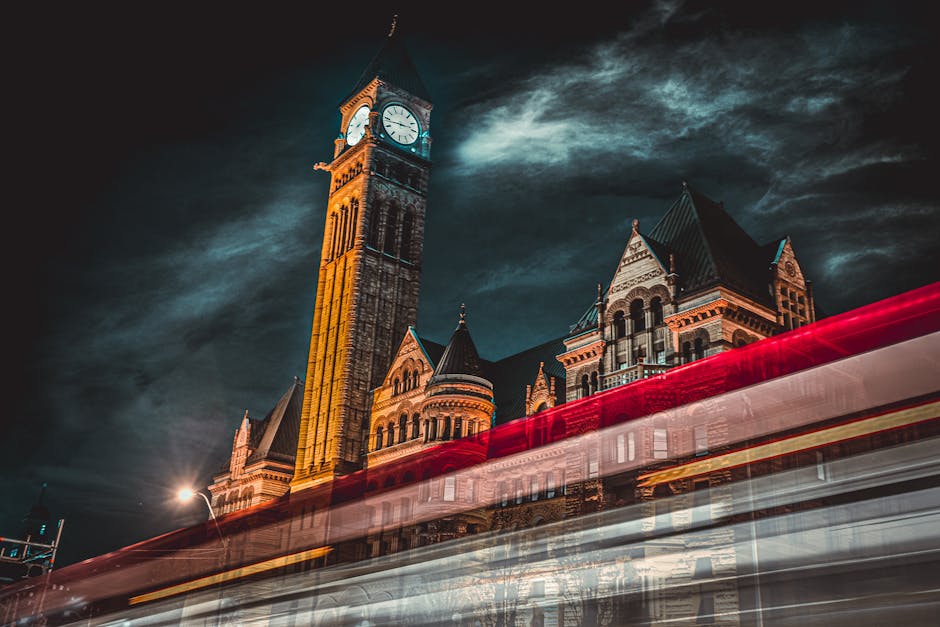
Explore North America's largest collection of Victorian homes and peaceful green spaces on this self-guided stroll through Toronto's Cabbagetown.
 Easy
EasyToronto, Canada
Explore Yorkville’s transformation from 1960s hippie haven to Toronto’s premier luxury district on this self-guided audio walk.