Self-guided audio tour in Seattle
Start Free on iPhone
Start free on iPhone to unlock this self-guided walking tour in Seattle. Hear all the stories that make it amazing, walk at your own pace, and begin whenever you want.
Your Private Tour Guide
Seattle’s waterfront is a dynamic tapestry of maritime history and modern aesthetics, and nowhere is this more evident than on a self-guided walk through the Olympic Sculpture Park. Perched on the edge of Elliott Bay in the Belltown neighborhood, this nine-acre green space represents a triumph of urban renewal, transforming a former industrial site into an open-air museum. As you begin your exploration, you will encounter world-class art set against the dramatic backdrop of the Olympic Mountains and the shimmering waters of the Puget Sound. This walking route offers a unique opportunity to engage with contemporary sculpture at your own pace, away from the constraints of a rigid schedule. The park, operated by the Seattle Art Museum, is a masterpiece of landscape architecture, featuring a Z-shaped path that descends forty feet from the city streets to the water's edge. Along this stroll, you will see iconic works like Alexander Calder’s towering red Eagle and Jaume Plensa’s ethereal Echo. Each piece is carefully placed to interact with the changing light and the surrounding environment, making every visit a distinct experience. This neighborhood stroll is perfect for art enthusiasts, photography lovers, and anyone looking to soak in the natural beauty of the Pacific Northwest. Beyond the art, the route provides a peaceful escape from the bustle of downtown, leading you through the Paccar Pavilion and eventually into the scenic stretches of Myrtle Edwards Park. Whether you are a first-time visitor or a local looking for a new perspective on the city, this self-guided adventure highlights the best of Seattle’s creative spirit and coastal charm. It is one of the most rewarding ways to experience a walking tour Seattle has to offer, combining cultural enrichment with stunning environmental design. Discover the stories behind the steel and stone while enjoying the salty breeze of the Sound.
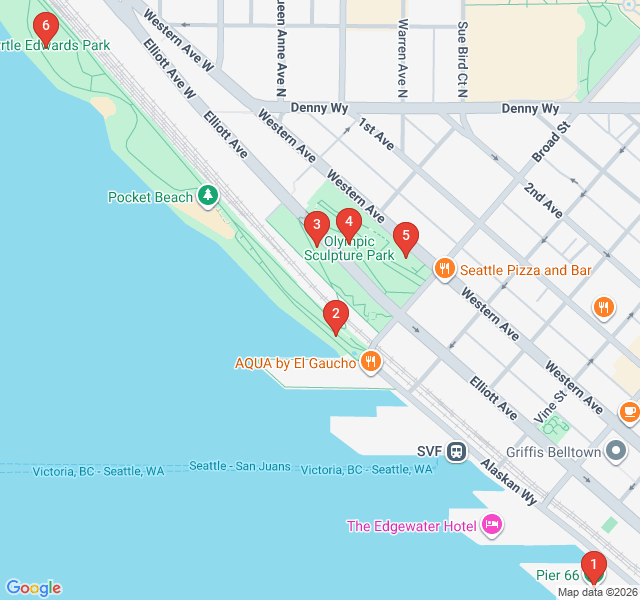
Numbers indicate the order of stops on the tour.
Pier 66, also known as the Bell Street Pier, serves as a vibrant gateway to Seattle's maritime soul. As you stand here, you are at the heart of a working waterfront where massive cruise ships frequently dock and the bustle of the city meets the calm of Elliott Bay. To your south, the Great Wheel spins against the skyline, while to the west, the Olympic Mountains often peek through the clouds. This area marks the transition from the historic docks to the artistic landscape ahead. The pier itself is part of a multi-use complex including a marina and a rooftop park. It is the perfect place to orient yourself and take in the scale of the Puget Sound before heading north toward the sculptures. The salty air and the sound of gulls set the stage for a walking route that celebrates both human creativity and the raw beauty of the Pacific Northwest coast.
Towering 46 feet above the path, the monumental sculpture known as Echo is one of the most striking sights on this self-guided walk. Created by Spanish artist Jaume Plensa, this massive white head depicts the daughter of a mountain nymph from Greek mythology. If you look closely, you will notice the face appears elongated, a technique Plensa used to create a sense of ethereal presence and calm. Originally displayed in New York City's Madison Square Park, Echo found her permanent home here overlooking the water in 2014. The artist intended for the sculpture to represent a state of meditation and silence, staring out toward the horizon with closed eyes. Its stark white surface creates a dramatic contrast against the blue waters of Elliott Bay and the green grass of the park. It invites passersby to pause for a moment of reflection amidst the surrounding urban energy.
Standing as a bold sentinel over the waterfront, The Eagle is perhaps the most iconic landmark in the Olympic Sculpture Park. This vibrant red, 39-foot-tall steel masterpiece was created by Alexander Calder in 1971. Calder, famous for inventing the mobile, also created these massive stationary sculptures which he called stabiles. The Eagle is a perfect example of his ability to combine heavy industrial materials with a sense of weightless, soaring movement. Its abstract form looks different from every angle—sometimes appearing like a bird in flight, other times like a series of geometric arches. The sculpture was originally commissioned for a bank in Texas but was later acquired for Seattle, becoming a symbol of the city's commitment to public art. Its brilliant Calder Red paint is designed to pop against the often-gray Seattle skies, providing a permanent spark of color on the shores of the Sound.
The Olympic Sculpture Park is a true urban miracle, transforming what was once a contaminated industrial oil transfer site into a world-class public space. Opened in 2007 by the Seattle Art Museum, the park features a unique Z-shaped pedestrian path that bridges over a busy roadway and a railway line, connecting the city directly to the shoreline. As you wander through this nine-acre site, you are experiencing a carefully curated museum without walls. The landscape design incorporates native plants and different ecological zones, from a valley of evergreen trees to a shoreline meadow. This self-guided adventure allows you to see how art can heal the land, as the park’s construction actually improved the local marine habitat for salmon. It is a place where engineering, ecology, and aesthetics meet, offering one of the most innovative environments for a walking tour Seattle has to offer.
The Paccar Pavilion serves as the architectural heart of the park, acting as a glass-walled sanctuary that blurs the line between indoor and outdoor space. Designed by the firm Weiss/Manfredi, the pavilion’s sharp angles and transparent surfaces reflect the modern spirit of Seattle. Inside, you can often find rotating art installations or educational displays that provide deeper context for the sculptures outside. The building is designed to be environmentally friendly, utilizing natural light and sustainable materials. It is also a practical hub for visitors, offering a place to rest and enjoy the view through the floor-to-ceiling windows. From this vantage point, you can see how the Z-shaped path of the park unfolds toward the water. It is an excellent spot to appreciate the deliberate planning that went into creating this seamless flow between the urban grid of Belltown and the natural beauty of the waterfront.
As you reach the northern end of the sculpture park, the path seamlessly transitions into Myrtle Edwards Park, a beloved five-acre stretch of greenery along Elliott Bay. Named after a dedicated Seattle City Council member, this park offers some of the best unobstructed views of the Puget Sound and the grain terminals of the Port of Seattle. This is where the artistic landscape gives way to a more rugged, natural shoreline. You might see locals jogging, cyclists passing through, or people simply sitting on the driftwood-strewn beach. The park is a prime location for watching the sunset or spotting local wildlife, including seals and great blue herons. It serves as a peaceful conclusion to your neighborhood stroll, providing ample space to relax and process the incredible artworks you have encountered. From here, you can continue north along the bike path or loop back toward the city center.
Start Free on iPhone
Explore “Olympic Sculpture Park: Art by the Sound” with your very own Private Tour Guide with Zigway. Start free on iPhone, skip the large group and the fixed routes, and hear the city come alive as you go.
Your Private Tour Guide
Don't miss the good stuff
Explore Freely
 Easy
EasySeattle, United States
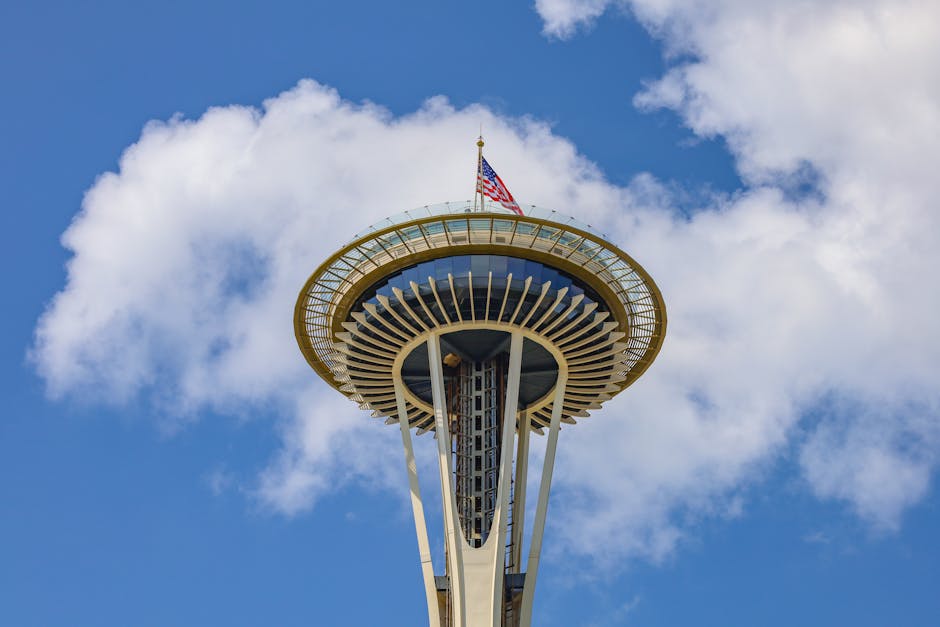
Discover the birthplace of Seattle on this self-guided walk through historic Pioneer Square, featuring Gold Rush history and Romanesque architecture.
 Easy
EasySeattle, United States
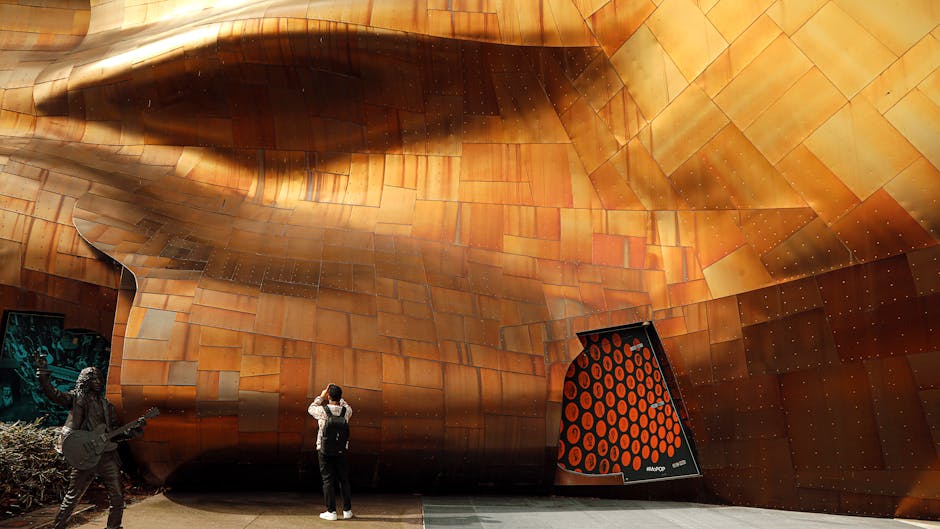
Explore Seattle’s oldest neighborhood. Discover vintage trailers, iconic neon signs, and the industrial heritage of Georgetown at your own pace.
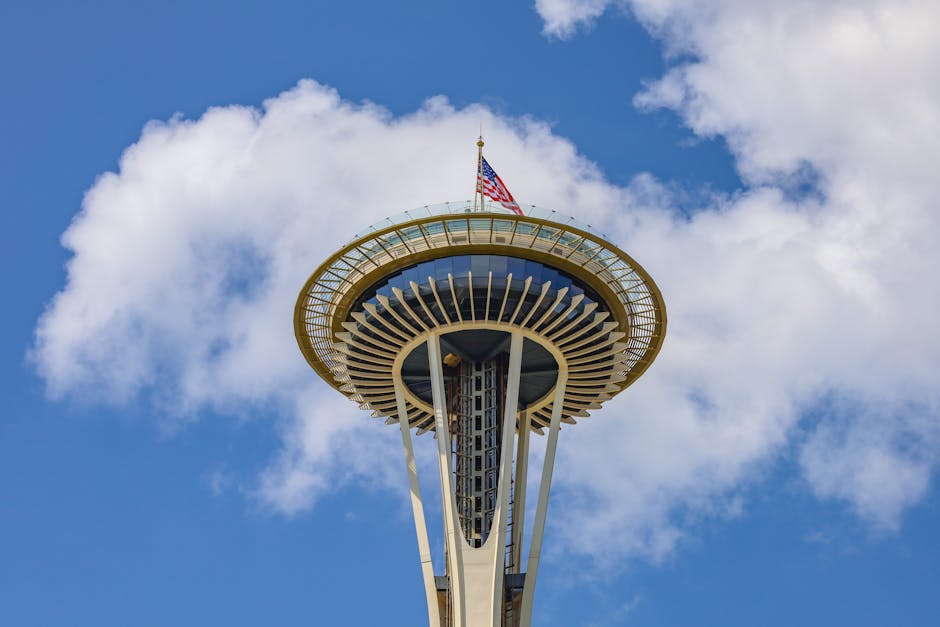 Moderate
Seattle, United States
Discover Seattle’s UNESCO City of Literature status on this self-guided walk through iconic libraries, historic hotels, and legendary bookstores.
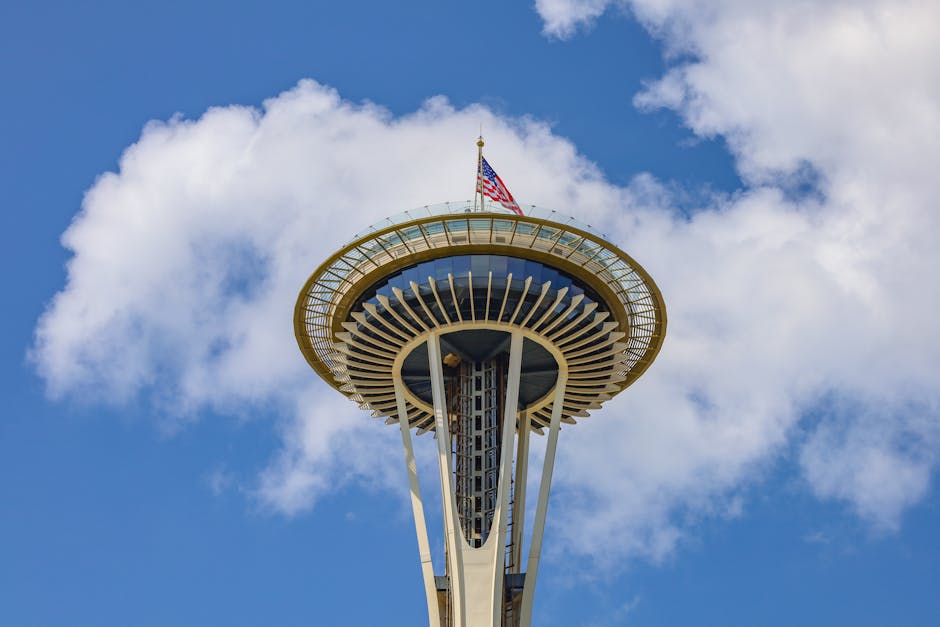 Moderate
Seattle, United States
Discover Seattle's hidden urban oases and brutalist green spaces on this self-guided walking route through downtown’s secret parks and gardens.
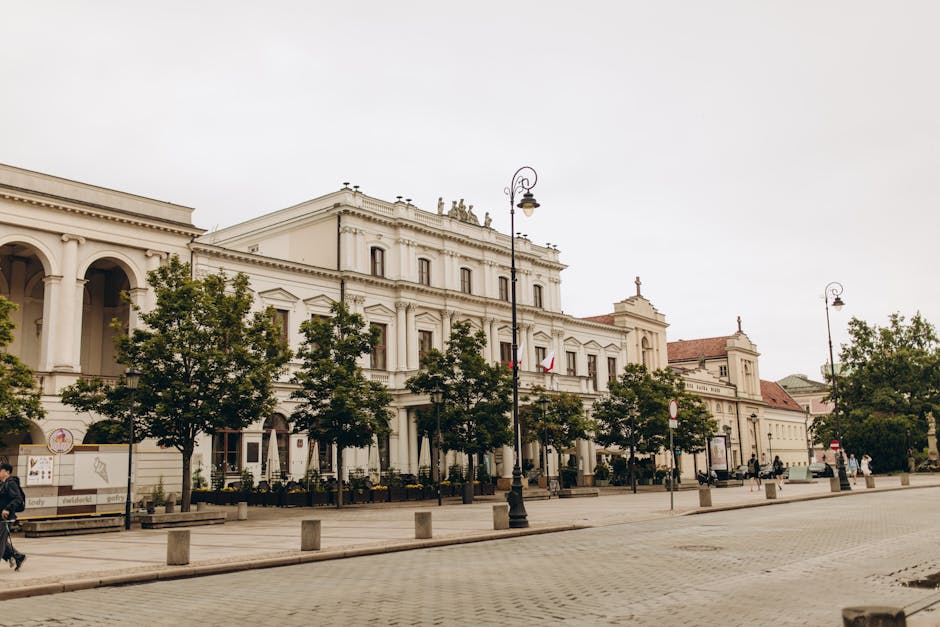 Easy
EasyWarsaw, Poland
Discover Warsaw's intellectual heart through historic campuses, peaceful parks, and the stunning rooftop gardens of the University Library.
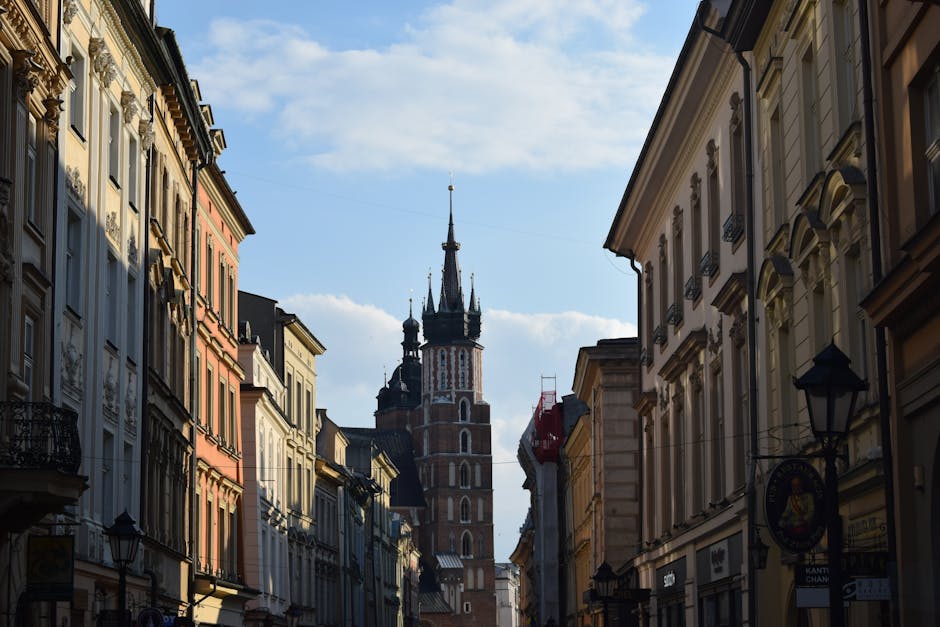 Moderate
Krakow, Poland
Discover Krakow’s stunning skyline and riverside charm on this self-guided audio walk through scenic viewpoints and historic mounds.
 Easy
EasyGdansk, Poland
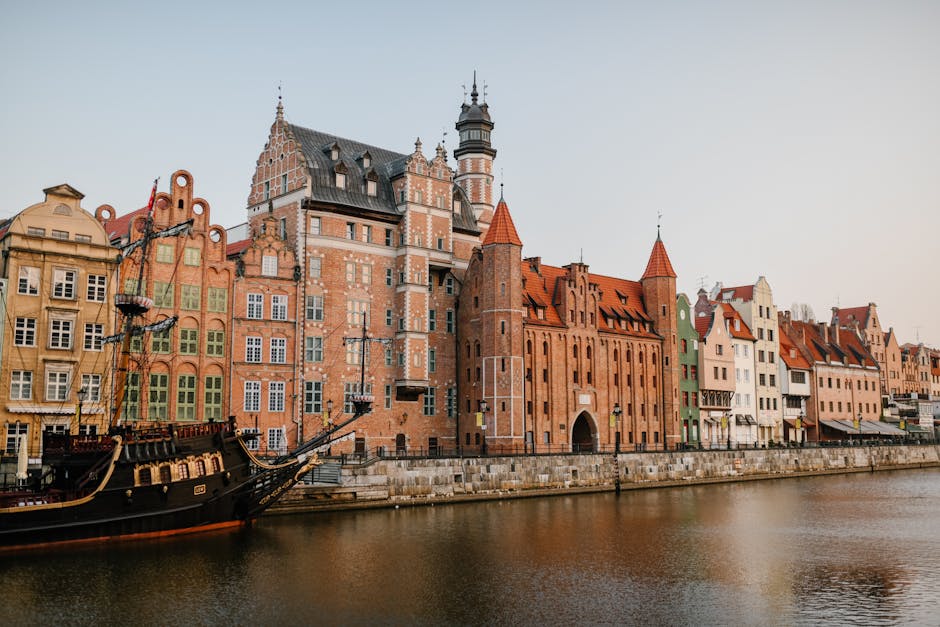
Discover the 'Baltic Gold' on this self-guided walk through Gdansk's historic mills, massive cathedrals, and the magical Mariacka Street.
 Easy
EasyWarsaw, Poland
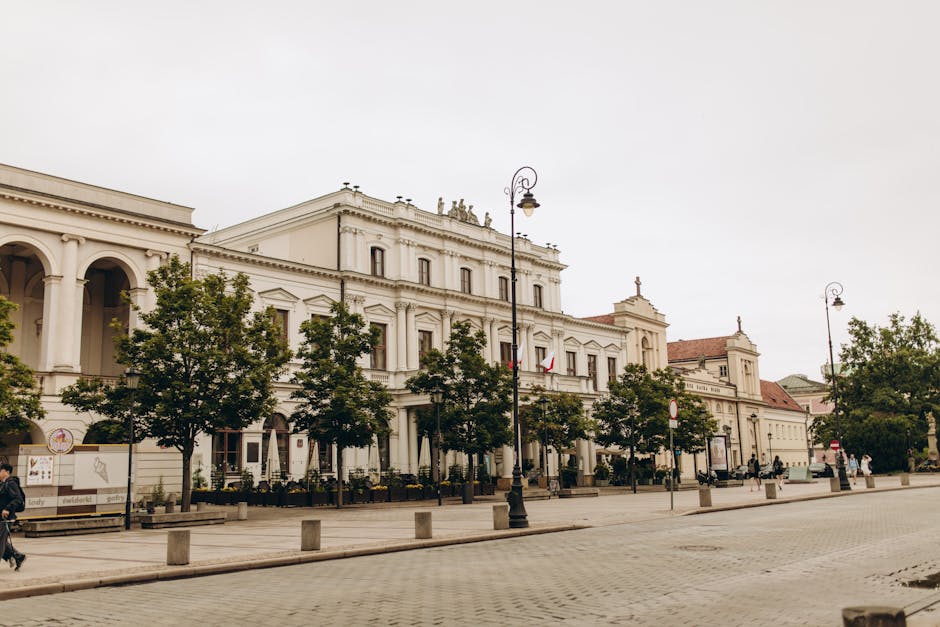
Explore Warsaw's scenic riverfront, rooftop gardens, and industrial-chic architecture on this self-guided stroll through the Powiśle district.
 Easy
EasyNashville, United States
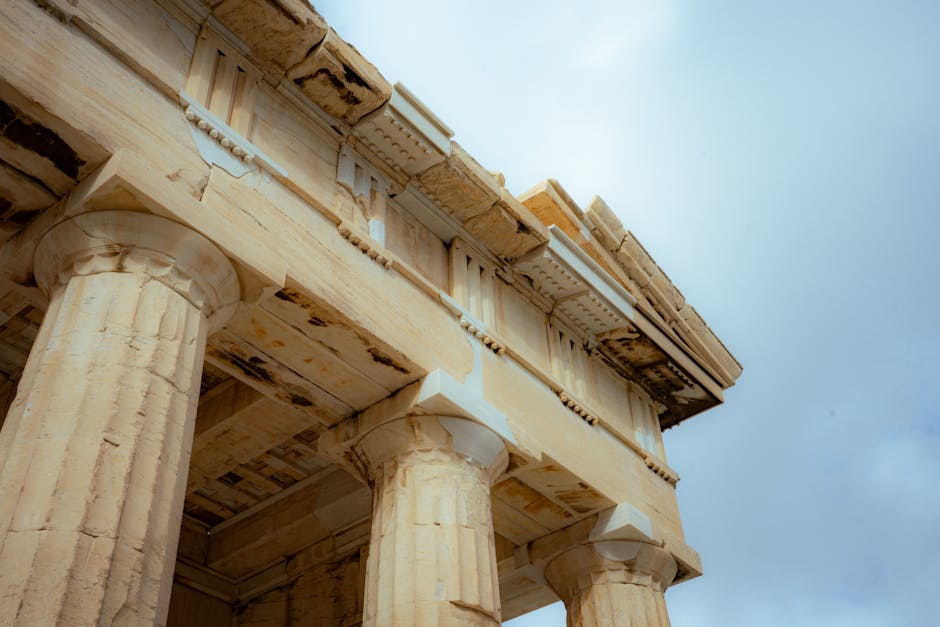
Explore the 'Athens of the South' on this self-guided walk through Centennial Park, featuring the world's only full-scale Parthenon replica.
 Easy
EasyNashville, United States
Explore Nashville's academic heart and Art Deco gems on this self-guided walk through historic Hillsboro Village.
 Easy
EasyNashville, United States
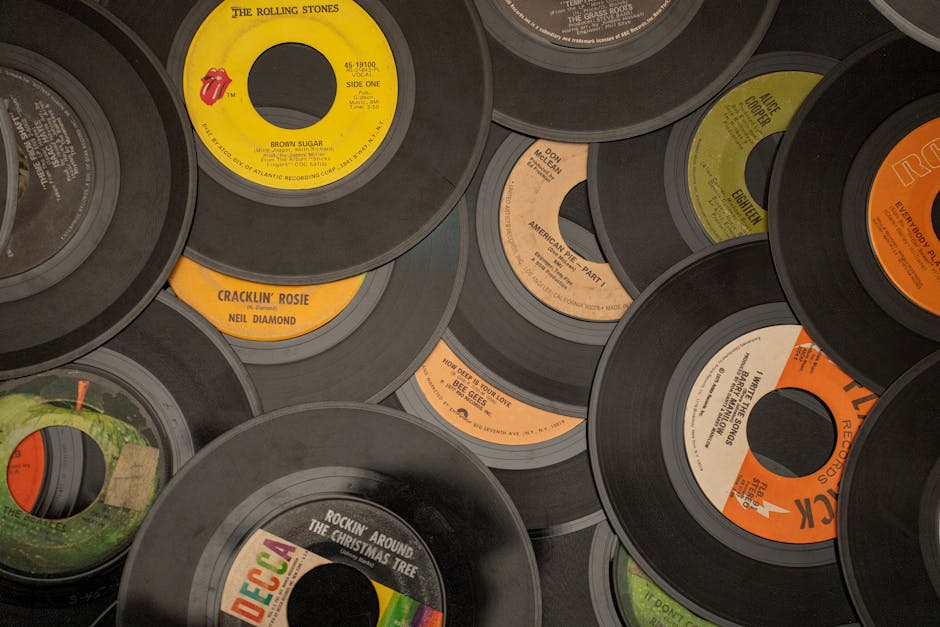
Explore the heart of Nashville's music industry. Discover iconic studios and the history of the legendary Nashville Sound at your own pace.
 Easy
EasyNashville, United States
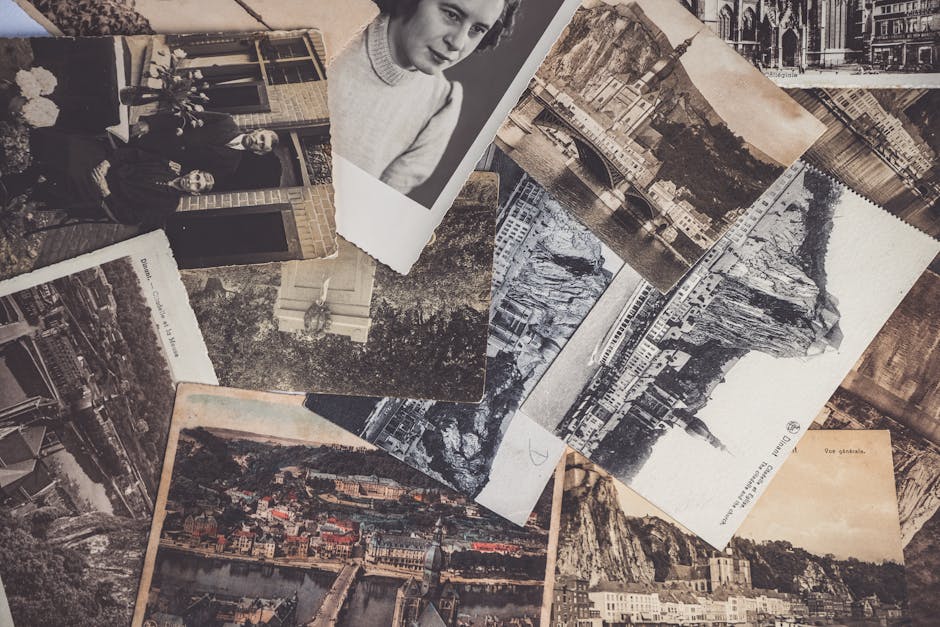
Explore Nashville's oldest neighborhood! Discover Victorian architecture, Civil War history, and world-class craft beer on this self-guided walk.