Self-guided audio tour in Verona
Start Free on iPhone
Start free on iPhone to unlock this self-guided walking tour in Verona. Hear all the stories that make it amazing, walk at your own pace, and begin whenever you want.
Your Private Tour Guide
Verona is a city where history and fiction are inextricably linked, creating an atmosphere of timeless romance. This self-guided walk invites you to step into the world of William Shakespeare’s most famous tragedy, wandering through the narrow, marble-paved streets of the Città Antica. While the Bard may have never set foot in Italy, his descriptions of the feuding families, the Montecchi and the Capuleti, were based on real noble lineages that once dominated this medieval stronghold. This walking route is designed for those who want to explore the literary soul of the city at their own pace, away from the constraints of a rigid schedule. Beginning at the ancient Roman gateway of Corso Porta Borsari, you will traverse the heart of the historic center. You will visit the bustling Piazza delle Erbe, which reflects the vibrant street life Shakespeare depicted in the play’s opening scenes. From there, the trail leads to the imposing Scaliger Tombs, the gothic resting places of the Della Scala lords who ruled Verona during the era of the star-crossed lovers. You will also discover the fortified residence known as Romeo’s House and the world-famous balcony at Juliet’s House, where myth and architecture merge. The journey concludes at the serene Museo degli affreschi, home to the site traditionally identified as Juliet’s Tomb. This neighborhood stroll offers more than just literary connections; it is a visual feast of Romanesque and Gothic architecture, vibrant frescoes, and hidden courtyards. Whether you are a photography enthusiast looking for the perfect shot of medieval masonry or a history buff tracing the real-life inspirations for the Capulets and Montagues, this walking route Verona offers a comprehensive look at the city's heritage. By following this audio walk, you can immerse yourself in the legends of Verona while enjoying the independence of a self-guided adventure. Discover why this city remains the ultimate destination for romantic souls and literature lovers alike.
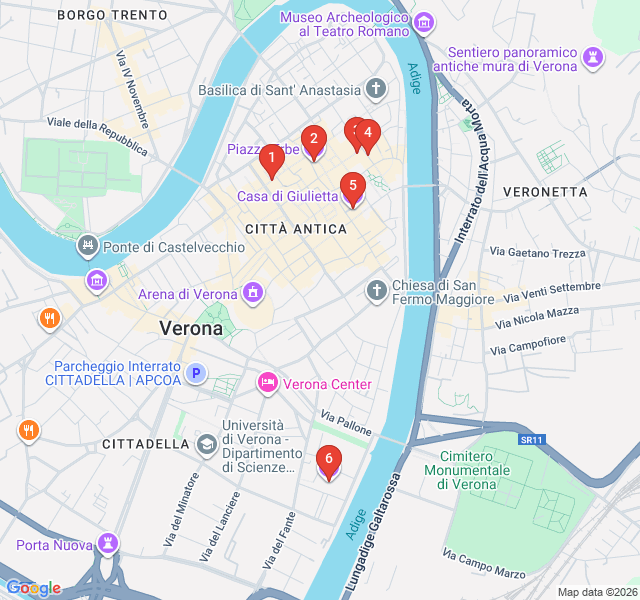
Numbers indicate the order of stops on the tour.
Start your journey at Corso Porta Borsari, a majestic limestone gateway that dates back to the 1st century AD. In Roman times, this was the main entrance to the city, known as Porta Iovia. As you stand before its two arched openings and tiered windows, imagine the travelers and merchants who have passed through here for two millennia. During the Middle Ages, the era in which Shakespeare set his play, this area was a bustling thoroughfare connecting the city's ancient roots with its growing medieval power. The elegant buildings lining the street today represent centuries of Veronese history, from Roman foundations to Renaissance facades. This is the perfect place to begin your exploration of the city's dual identity as both a historical powerhouse and a literary dreamscape.
Welcome to Piazza delle Erbe, often called the most beautiful square in Italy. This was once the Roman Forum, the center of political and economic life. Today, it remains the city's beating heart, filled with market stalls and surrounded by historic palaces like the Palazzo Maffei and the Case Mazzanti, famous for its 16th-century frescoes. Shakespeare’s play begins with a brawl in a public place, and standing here, you can easily envision the lively, sometimes volatile energy of Verona’s streets. Look up at the Torre dei Lamberti, which has watched over the city since 1172. The square’s fountain, featuring the 'Madonna Verona' statue, dates back to the 14th century, bridging the gap between the Roman past and the medieval world of Romeo and Juliet.
A short walk from the square brings you to the Arche Scaligere, or Scaliger Tombs. These extraordinary Gothic funerary monuments belong to the Della Scala family, who ruled Verona from the 13th to the 14th century. The elaborate wrought-iron fence features the ladder motif, the family's emblem. These lords were the real-life counterparts to Prince Escalus in Shakespeare’s tragedy, the authority figures struggling to maintain order amidst the feuding nobility. The tombs are a masterpiece of stone carving, with equestrian statues and intricate canopies that reflect the immense wealth and power of the dynasty. Their reign provided the backdrop for the legends of the Montagues and Capulets, making this site essential for understanding the historical context of the play.
Located in a quiet side street, this imposing medieval building is traditionally known as Romeo’s House. Unlike the more famous Juliet’s House, this site remains a private residence and is not open for interior visits, but its exterior is a perfectly preserved example of a fortified 13th-century noble home. Notice the swallow-tail merlons atop the walls, a sign of the family’s Ghibelline political alignment. The Montecchi family—the real Montagues—were indeed a powerful clan in Verona, and historical records confirm their presence in this district. Above the arched entrance, a plaque displays a quote from the play, reminding us of the tragic fate of the young lover who allegedly called these stone walls home. It offers a more somber, authentic glimpse into medieval life than the more commercialized sites nearby.
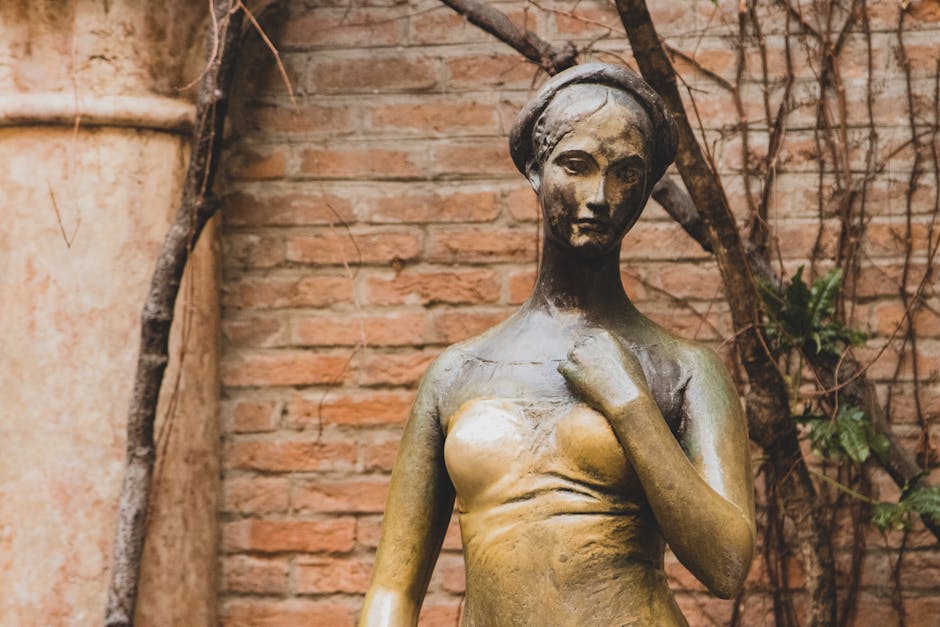
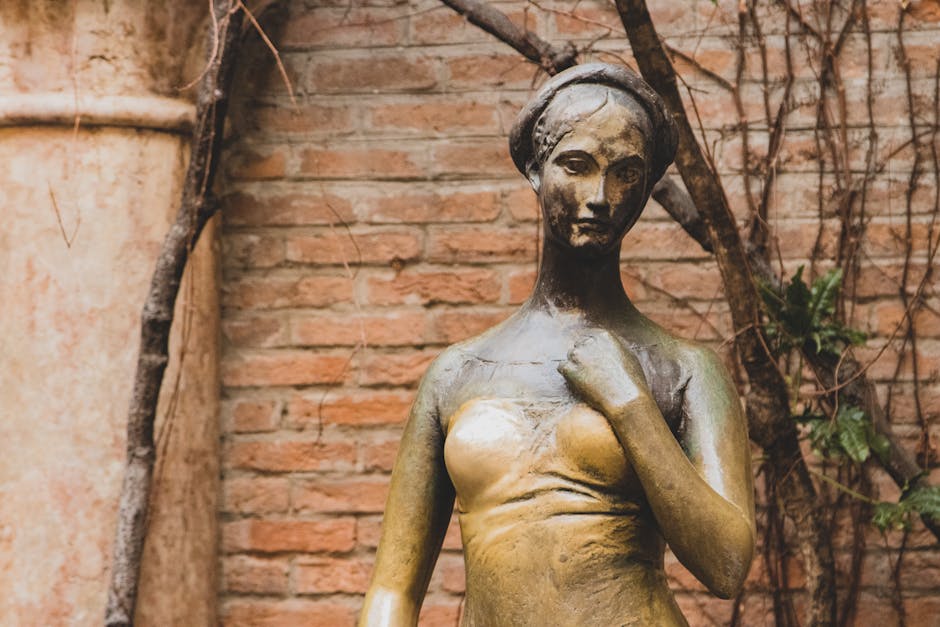
You have reached the most iconic stop on the trail: Juliet’s House. This 13th-century residence belonged to the Dal Cappello family, whose name likely inspired the 'Capulets' of fiction. As you enter the courtyard, you’ll see the famous bronze statue of Juliet and the balcony that has become a global symbol of romance. Interestingly, the balcony was actually added in the 1930s using a repurposed medieval sarcophagus to satisfy the expectations of travelers. Despite its mix of fact and folklore, the atmosphere here is undeniable. Thousands of people leave messages of love on the walls of the entrance tunnel, continuing a tradition of romantic pilgrimage that has lasted for centuries. It is a testament to the enduring power of Shakespeare’s storytelling and Verona's role as the 'City of Love.'
The final stop on our route is the Museo degli affreschi 'G.B. Cavalcaselle,' located within the former monastery of San Francesco al Corso. In the dark, atmospheric crypt of this complex lies a red marble sarcophagus known as Juliet’s Tomb. According to tradition, this is where the tragic finale of the play occurred. Even in the 19th century, famous figures like Lord Byron visited this site to pay their respects to the legend. Beyond the tomb, the museum houses a stunning collection of frescoes rescued from the facades of Veronese buildings, offering a look at the 'Urbs Picta' (Painted City) as it would have appeared in the Renaissance. The peaceful cloisters provide a reflective end to your walk, allowing you to contemplate the blend of history, art, and myth that defines Verona.
Start Free on iPhone
Explore “Star-Crossed Lovers: The Shakespeare Trail” with your very own Private Tour Guide with Zigway. Start free on iPhone, skip the large group and the fixed routes, and hear the city come alive as you go.
Your Private Tour Guide
Don't miss the good stuff
Explore Freely
 Moderate
Verona, Italy
Explore Verona’s most magnificent cathedrals and basilicas on this self-guided walk through the city's artistic and spiritual heart.
 Easy
EasyVerona, Italy
Discover the flavors of Verona on this self-guided walk through historic wine cellars, vibrant markets, and the city's most iconic culinary landmarks.
 Easy
EasyVerona, Italy
Savor Verona's vibrant aperitivo culture on this self-guided stroll through historic squares and charming wine bars. Discover the city's heartbeat.
 Moderate
Verona, Italy
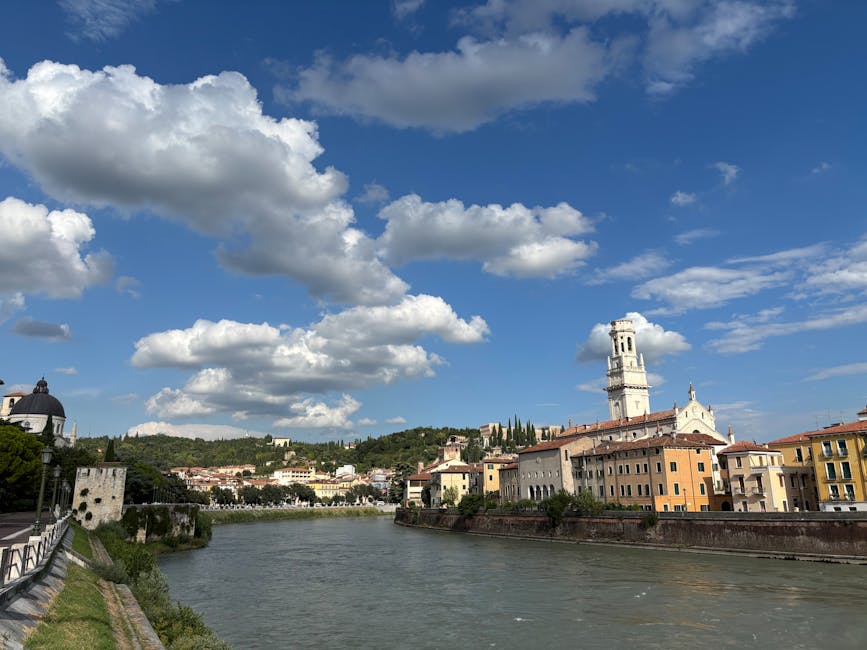
Discover Verona’s most romantic viewpoints and historic bridges on this scenic self-guided walk along the Adige River.
 Easy
EasyGdansk, Poland
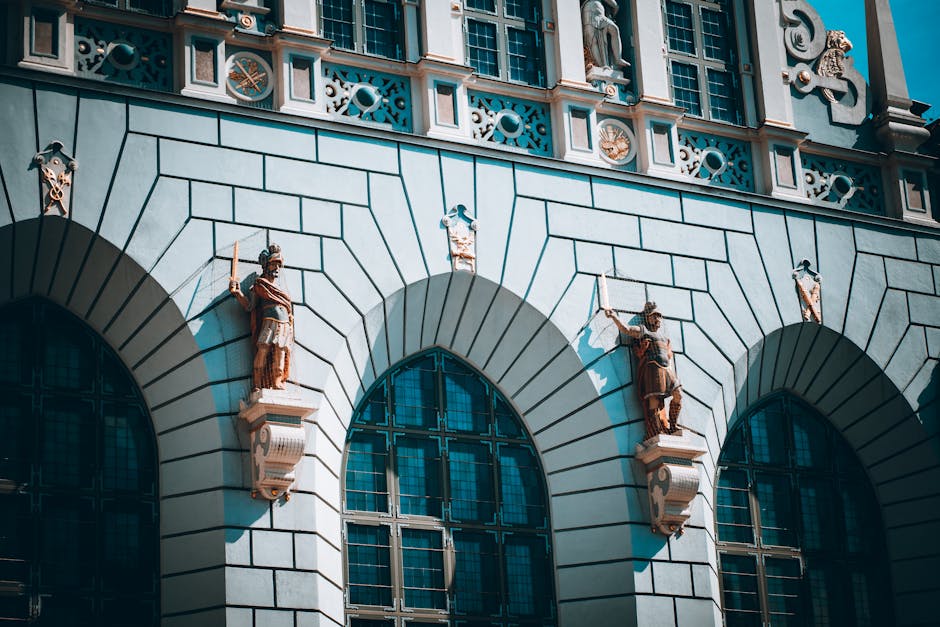
Discover the opulent Royal Way of Gdansk at your own pace. Explore Hanseatic history, gilded architecture, and the iconic Neptune's Fountain.
 Easy
EasyNairobi, Kenya
Explore the history of Kenya’s independence through the statues, monuments, and parks that define Nairobi’s political heart on this self-guided walk.
 Easy
EasyNairobi, Kenya
Discover Nairobi's iconic skyline on this self-guided architecture walk through the CBD’s most famous modernist and Brutalist landmarks.
 Easy
EasyKrakow, Poland
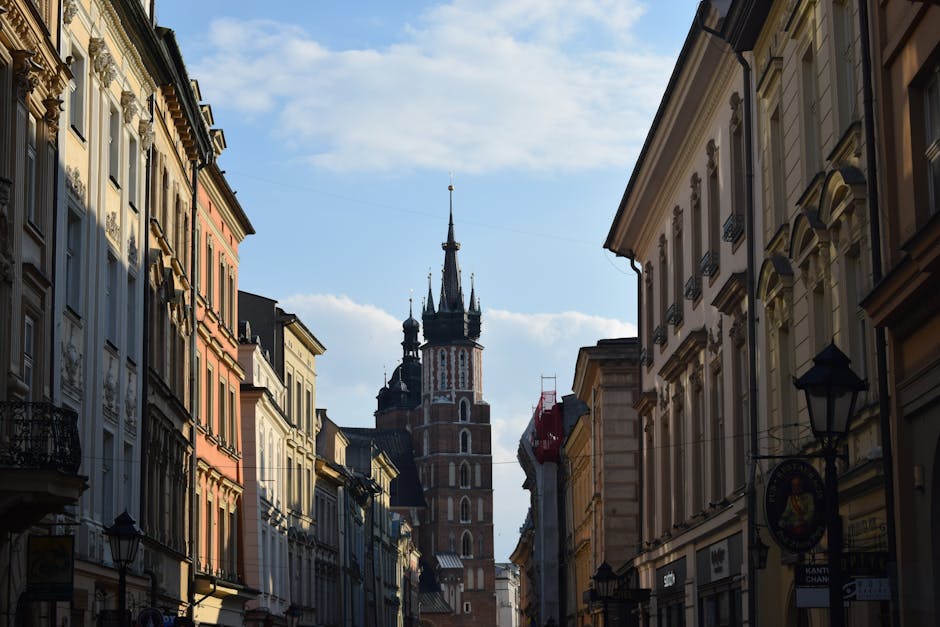
Uncover Krakow's legendary past on this self-guided walk from literary monuments to the fire-breathing Wawel Dragon.
 Easy
EasyRome, Italy
Explore Rome’s industrial heart on this self-guided walk featuring massive murals, the 'Iron Colosseum,' and unique industrial archaeology.
 Easy
EasyRome, Italy
Explore Rome’s whimsical Fairytale District. A self-guided walk through Art Nouveau palaces, mythical fountains, and the magical Coppedè architecture.
 Moderate
Rome, Italy
Uncover Rome's hidden history on this self-guided walk through ancient gladiator pits, subterranean temples, and buried Roman houses.
 Challenging
Rome, Italy
Walk the 'Queen of Roads.' Explore ancient catacombs, imperial villas, and historic basalt stones on this scenic self-guided Roman adventure.