Self-guided audio tour in Varanasi
Start Free on iPhone
Start free on iPhone to unlock this self-guided walking tour in Varanasi. Hear all the stories that make it amazing, walk at your own pace, and begin whenever you want.
Your Private Tour Guide
Step away from the crowded riverfront and enter the rhythmic heart of Varanasi’s silk weaving industry. This self-guided walk takes you through the labyrinthine lanes of Sarai Mohalla and Saray Mohana, where the clatter of handlooms has provided the city's soundtrack for centuries. On this walking route, you will uncover the intricate process behind the world-famous Banarasi silk, from the raw yarn markets to the finished masterpieces that grace weddings across India. The journey begins at the Bunkar Market, a bustling hub where weavers and traders haggle over silk threads and dyes. As you explore, you will witness the unique cultural tapestry of the city, where Muslim weaving communities and Hindu traditions intertwine. Landmarks like the towering Alamgir Masjid provide a historical backdrop, offering a glimpse into the 17th-century skyline of the Ganges. This neighborhood stroll isn't just about shopping; it is an immersion into a living heritage. You will see artisans practicing 'Zari' work, the art of weaving fine gold and silver threads into silk, a craft that has earned the region a Geographical Indication (GI) tag. Whether you are a textile enthusiast or a curious traveler, this self-guided adventure offers a rare look at the 'Bunkars' (weavers) at work in their home workshops. While a walking tour Varanasi often focuses solely on the ghats, this route reveals the industrial soul of the city. You can discover at your own pace how a single saree can take weeks to complete, involving complex patterns drawn on graph paper and punched into wooden cards. By the time you reach the showrooms of Sarnath, you will have a deep appreciation for the patience and precision required to maintain this ancient art form in a modern world.
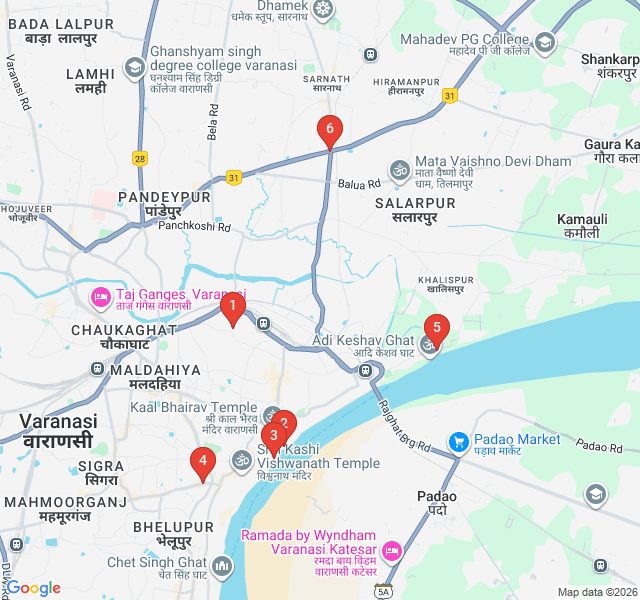
Numbers indicate the order of stops on the tour.
Welcome to the Bunkar Market, the primary artery of Varanasi's silk trade. 'Bunkar' means weaver, and this is where the magic begins. Observe the piles of raw silk hanks, often imported from China or sourced from Karnataka, being weighed and sold. The air here is thick with the scent of dyes and the energy of commerce. This isn't a place for finished garments; it's a place for materials. Look for the 'Gaddi'—traditional floor-seated offices—where traders negotiate prices. This market serves thousands of family-run loom operations across the city, acting as the starting point for the intricate Banarasi sarees that are cherished worldwide.
Standing tall over the Panchganga Ghat, the Alamgir Masjid is a striking example of 17th-century architecture. Built by the Mughal Emperor Aurangzeb on the site of an older temple, its minarets once dominated the Varanasi skyline. While the architecture is a blend of Islamic and Hindu influences, the mosque serves as a vital landmark for the local weaving community, which is predominantly Muslim. The peaceful courtyard offers a moment of reflection and a spectacular vantage point over the Ganges. It symbolizes the historical layers of the city, where different faiths have coexisted and contributed to the city's artistic legacy for generations.
As you walk along the riverfront toward the weaving clusters, pause at Guleria Kothi. This beautifully restored 18th-century mansion is built entirely of Chunar sandstone. It represents the 'Kothi' culture of Varanasi, where wealthy merchants and royalty built grand residences along the holy river. While now a boutique hotel, the structure maintains its heritage charm with arched doorways and ornate balconies. It provides a stark contrast to the humble weaving workshops you are about to enter, illustrating the wealth that the silk trade brought to the city’s elite over the centuries.
Enter the world of wholesale manufacturing at the Banaras Handloom Company. Here, you can see the transition from the loom to the showroom. This facility showcases the diversity of Banarasi weaving techniques, such as 'Kadwa' (where motifs are woven individually) and 'Phekwa' (the cut-work technique). The sheer volume of silk here is breathtaking. You might notice the 'Nakshas' or master designs—complex patterns created on graph paper that guide the weaver's hands. This stop highlights the scale of the industry, which remains one of the largest employers in the region despite the rise of power looms.
Welcome to Saray Mohana, a dedicated weavers' village on the outskirts of the main city. In this community, almost every house contains a pit loom. As you walk through the narrow lanes, the rhythmic 'thwack-thwack' of the wooden shuttles is constant. This village is famous for its fine silk and the preservation of traditional hand-weaving methods. You can often see silk threads being stretched and dried in the sun outside the homes. It is a humble environment where some of the world's most expensive and intricate fabrics are created by hand, often involving three weavers working simultaneously on a single saree.
Our final stop is the Mehta Silk showroom in Sarnath. After seeing the raw materials and the humble workshops, this is where you see the final, polished result. This establishment functions almost like a museum of silk, displaying heavy brocades, delicate organzas, and vibrant georgettes. Sarnath is also the site where Lord Buddha gave his first sermon, making it a fittingly serene end to your journey. Take a moment to feel the weight of a genuine hand-loomed saree; the density of the silk and the purity of the silver and gold thread are the hallmarks of a craft that has survived for over a thousand years.
Start Free on iPhone
Explore “Silks and Shuttles: The Weavers of Sarai Mohalla” with your very own Private Tour Guide with Zigway. Start free on iPhone, skip the large group and the fixed routes, and hear the city come alive as you go.
Your Private Tour Guide
Don't miss the good stuff
Explore Freely
 Moderate
Varanasi, India
Discover the spiritual heart of Varanasi on this self-guided walk through ancient lanes, grand corridors, and sacred riverfront ghats.
 Moderate
Varanasi, India
Explore the ancient spiritual reservoirs of Varanasi on this self-guided walk through sacred kunds and the iconic Durga Temple.
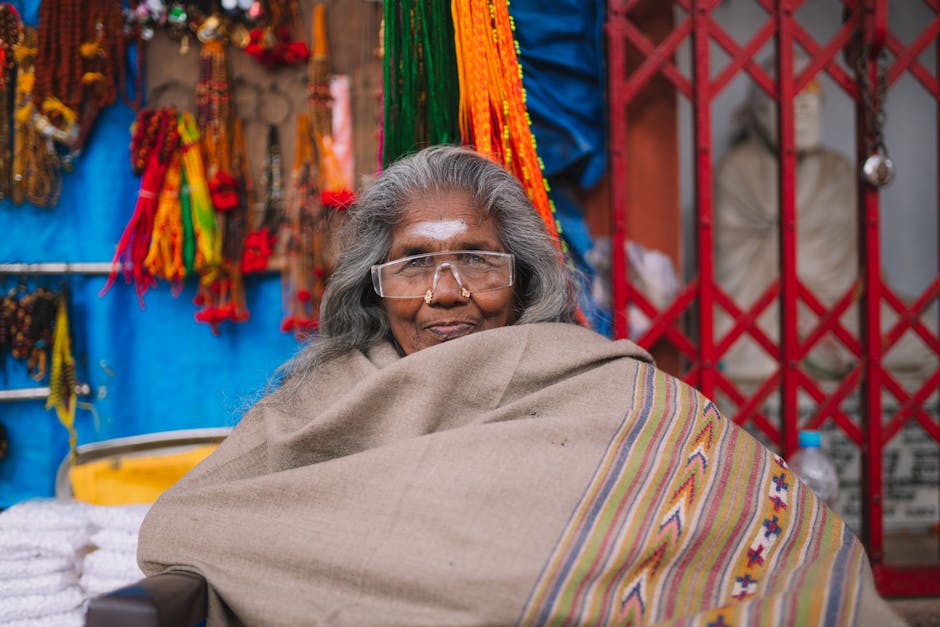 Easy
EasyVaranasi, India
Discover the literary soul of Varanasi on this self-guided walk through Assi, the home of legendary poets, scholars, and historic tea-stall debates.
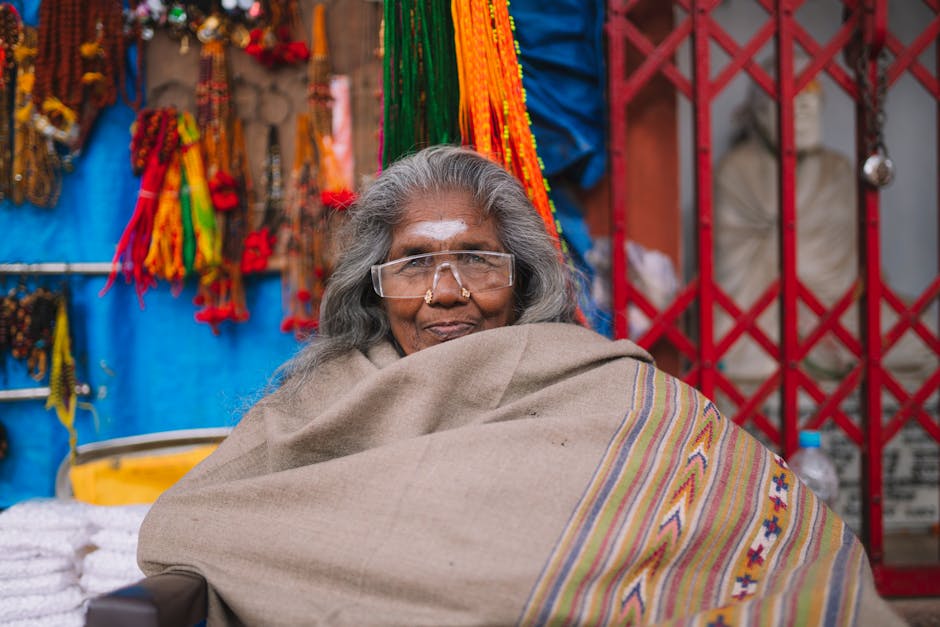 Easy
EasyVaranasi, India
Explore the lush greenery and Indo-Saracenic architecture of Banaras Hindu University on this peaceful self-guided campus stroll.
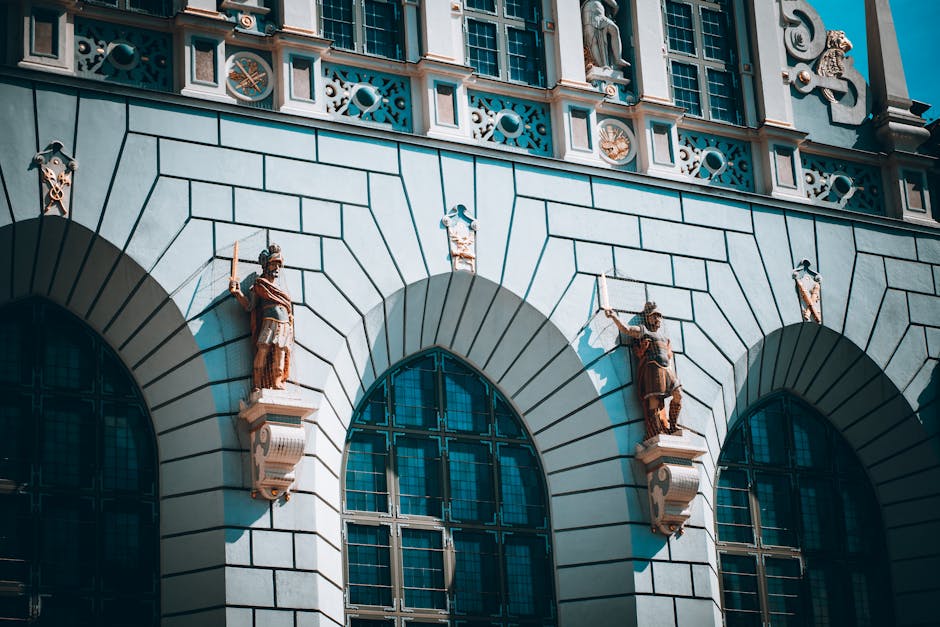 Moderate
Gdansk, Poland
Discover Zaspa, a massive open-air gallery where grey housing blocks are transformed by over 60 monumental murals. Explore at your own pace.
 Moderate
Nairobi, Kenya
Discover the creative soul of Nairobi on this self-guided walk through the city's premier art galleries, markets, and artisan workshops.
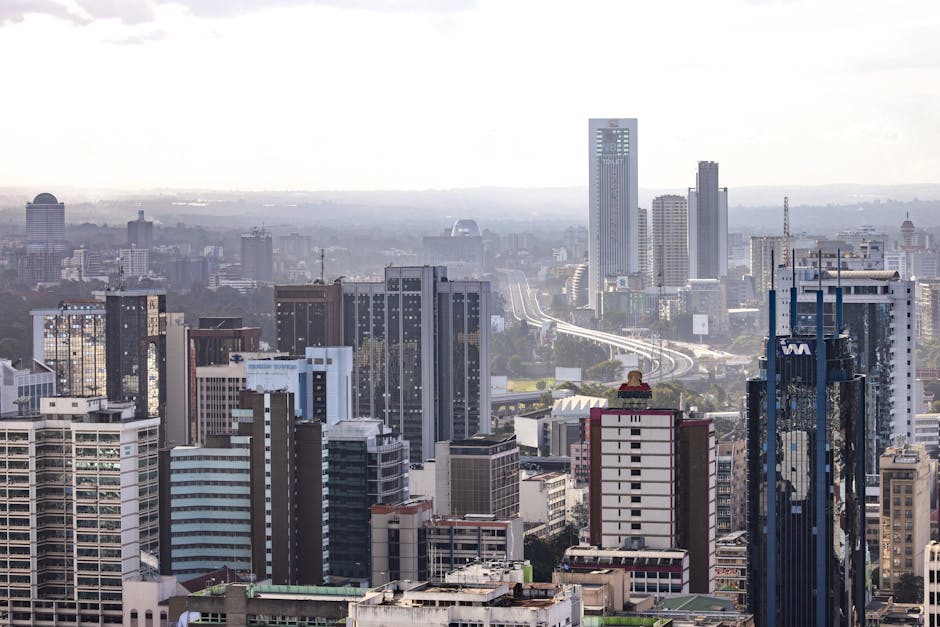 Moderate
Nairobi, Kenya
Discover Nairobi's lush side on this self-guided walk through botanical gardens, historic memorials, and vibrant local markets.
 Moderate
Nairobi, Kenya
Discover the pulse of Nairobi's contemporary art scene on this self-guided walk through the galleries and creative spaces of Kilimani.
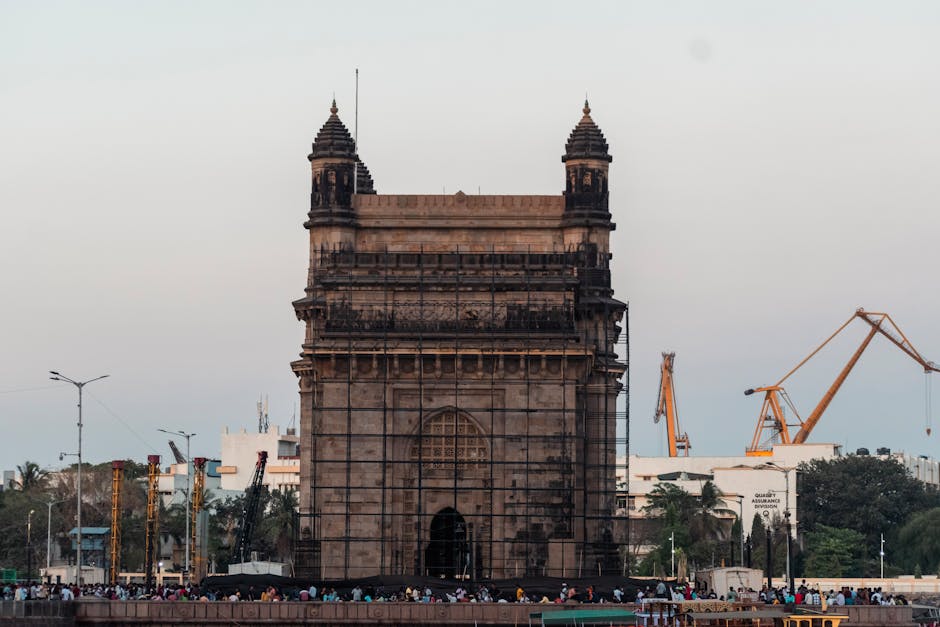 Easy
EasyMumbai, India
Explore Mumbai's stunning UNESCO Art Deco heritage on this self-guided walking route along the iconic Marine Drive promenade.
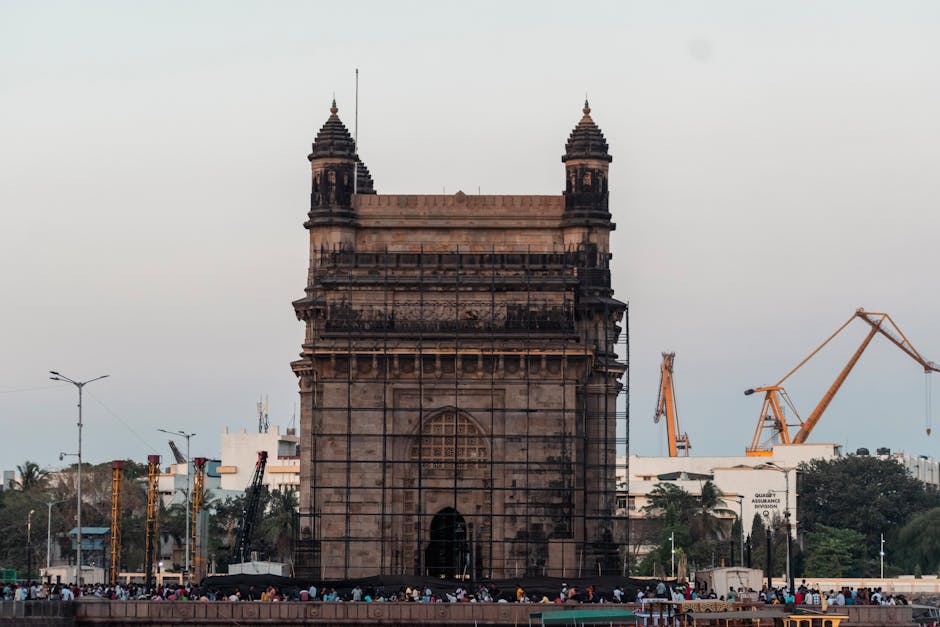 Challenging
Mumbai, India
Experience the sensory explosion of Mumbai's historic markets on this challenging self-guided walk through Kalbadevi and Crawford Market.
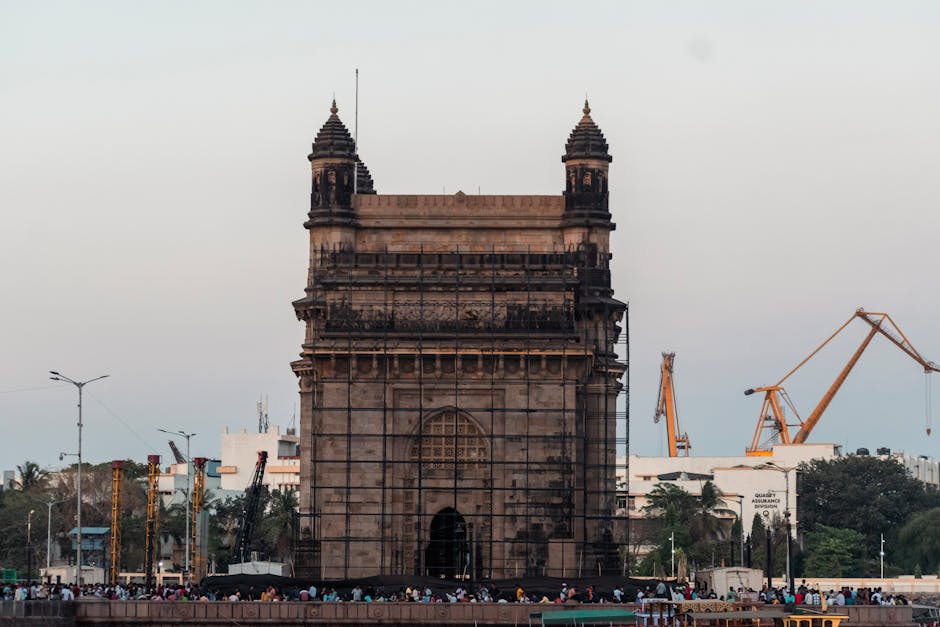 Easy
EasyMumbai, India
Explore Mumbai's colonial legacy on this self-guided walk through Colaba's iconic landmarks, from the Gateway of India to grand Art Deco palaces.
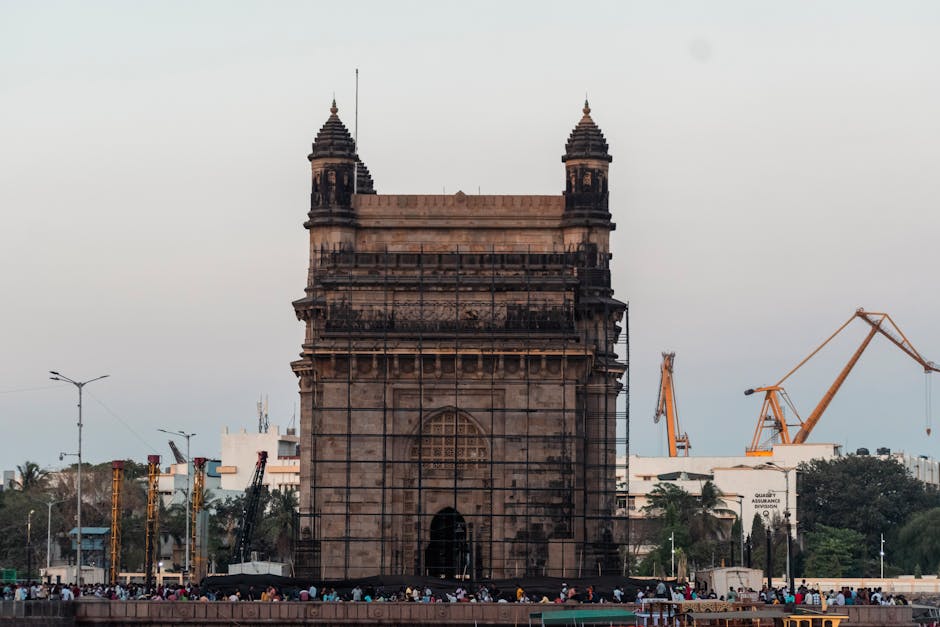 Moderate
Mumbai, India
Explore the ancient fishing village of Worli Koliwada, historic forts, and stunning sea views on this self-guided cultural walking route.