Self-guided audio tour in Mumbai
Start Free on iPhone
Start free on iPhone to unlock this self-guided walking tour in Mumbai. Hear all the stories that make it amazing, walk at your own pace, and begin whenever you want.
Your Private Tour Guide
Step into a world where time slows down amidst the frantic pace of South Mumbai. This self-guided walk invites you to explore the heart of the Fort district, a neighborhood defined by its grand Victorian architecture and the aromatic legacy of the Parsi community. The Parsis, followers of the Zoroastrian faith who migrated from Persia, have left an indelible mark on Mumbai’s culinary and cultural landscape. This route focuses on the iconic Irani cafes—once ubiquitous cornerstones of the city—where marble-topped tables, bentwood chairs, and vintage mirrors tell stories of a bygone era. As you follow this neighborhood stroll, you will encounter more than just food; you will witness the living history of a community that helped build modern Mumbai. From the sacred, soot-stained facades of fire temples to the wood-fired ovens of century-old bakeries, this walking route Mumbai offers a sensory journey through heritage. You will discover the secrets of 'Brun Maska,' the richness of 'Berry Pulao,' and the quiet dignity of the Ateshbehrams. This is not just a food crawl; it is an independent exploration of the resilience and hospitality that define the Parsi spirit. Whether you are a history buff or a culinary enthusiast, this self-guided adventure allows you to soak in the atmosphere of the Fort at your own pace, away from the typical tourist trails. Experience the unique blend of Persian heritage and Indian soul that makes this walking tour Mumbai a truly essential experience for any visitor looking to understand the city's diverse roots.
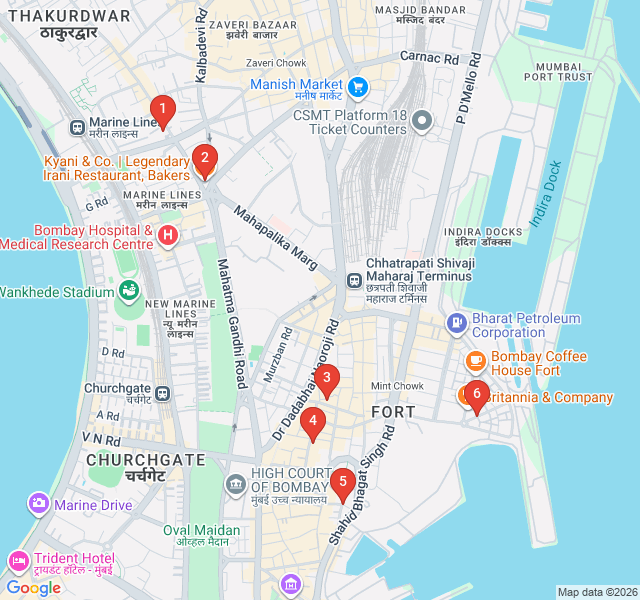
Numbers indicate the order of stops on the tour.
Begin your self-guided adventure at the H.B. Wadiaji Ateshbehram, consecrated in 1830. This is one of the highest grades of fire temples in the Zoroastrian faith. While the inner sanctum is reserved strictly for members of the Parsi community, the grand facade offers a glimpse into the architectural reverence of the faith. Notice the winged 'Faravahar' symbol above the entrance, representing the soul's journey. The Parsis, fleeing religious persecution in Persia centuries ago, found a home in India and became pivotal in Mumbai’s development as a global port. The temple stands as a testament to their enduring presence and religious devotion in the heart of the city.
Cross the street to Kyani & Co., arguably the most famous Irani cafe in Mumbai. Established in 1904, little has changed here in over a century. Take a moment to admire the dark wood cabinetry, the checkered tablecloths, and the towering ceilings. This cafe was a hub for students and intellectuals for decades. On this self-guided walk, you are encouraged to try their signature 'Brun Maska'—a crusty bread roll slathered with butter—paired with a cup of sweet, milky Irani chai. Don't leave without noticing the 'no-nonsense' rules once famously posted on the walls, a quirk of many traditional Irani establishments.
Navigate through the bustling lanes of Fort to reach Ideal Corner. Interestingly, this space began as a garage for printing machines before transitioning into a beloved eatery in the 1980s. It represents a more modern chapter of Parsi culinary history while maintaining traditional flavors. This is a fantastic spot to observe the local office crowd enjoying a hearty lunch. If you are here on a weekend, look for 'Dhansak,' the quintessential Parsi dish made of lentils and meat, traditionally served on Sundays. The atmosphere here is bright and welcoming, showcasing how Parsi culture has adapted and thrived in the contemporary city.
As you approach Yazdani Bakery, the scent of fresh yeast and ginger will guide you. Founded in the 1950s, this bakery is housed in a building that once served as a Japanese bank. Step inside to see the massive wood-fired ovens that have been burning for decades. Yazdani is famous for its sourdough-style bread and ginger biscuits. Unlike the more formal cafes, Yazdani feels like a workshop of flavor. The walls are adorned with vintage posters and awards, highlighting its status as a local institution. It is a rare, living piece of Mumbai’s industrial-culinary heritage that continues to serve thousands daily.
Jimmy Boy is where you can experience the grandeur of a Parsi wedding feast without the invitation. Known for serving 'Lagan nu Bhonu' (wedding meal), this restaurant offers a more upscale take on the traditional cafe vibe. The high ceilings and mezzanine floor reflect the Victorian architecture of the Fort district. Try the 'Sali Peredu' (eggs over potato matchsticks) or their famous 'Berry Pulao,' a recipe featuring tart barberries imported from Iran. This stop highlights the sophisticated side of Parsi cuisine, blending Persian influences with local Indian spices and ingredients in a beautiful historic setting.
Your walking route concludes near the historic Ballard Estate area on the edge of Fort. This neighborhood, designed by George Wittet, feels like a slice of London with its uniform grey stone buildings. While 'Britannia & Co.' is the most famous name here, the entire street reflects the maritime and mercantile history of the city. The area was reclaimed from the sea and served as the gateway for many Europeans and Iranians arriving in India. Reflect on the journey you've taken—from sacred fires to bustling bakeries—and how this small but influential community has shaped the cosmopolitan fabric of Mumbai.
Start Free on iPhone
Explore “The Irani Cafe & Parsi Trail” with your very own Private Tour Guide with Zigway. Start free on iPhone, skip the large group and the fixed routes, and hear the city come alive as you go.
Your Private Tour Guide
Don't miss the good stuff
Explore Freely
 Easy
EasyMumbai, India
Explore Mumbai's stunning UNESCO Art Deco heritage on this self-guided walking route along the iconic Marine Drive promenade.
 Challenging
Mumbai, India
Experience the sensory explosion of Mumbai's historic markets on this challenging self-guided walk through Kalbadevi and Crawford Market.
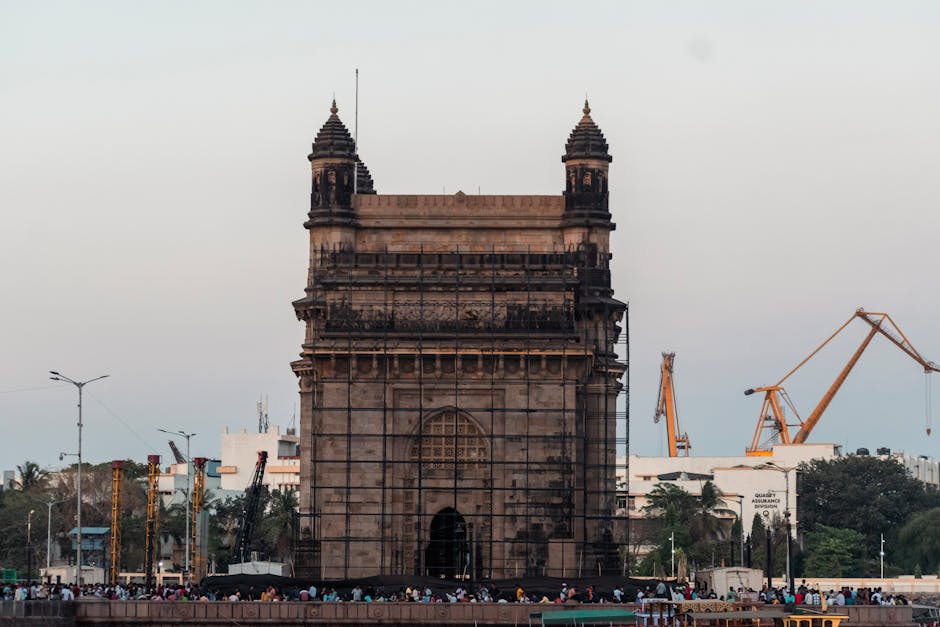 Easy
EasyMumbai, India
Explore Mumbai's colonial legacy on this self-guided walk through Colaba's iconic landmarks, from the Gateway of India to grand Art Deco palaces.
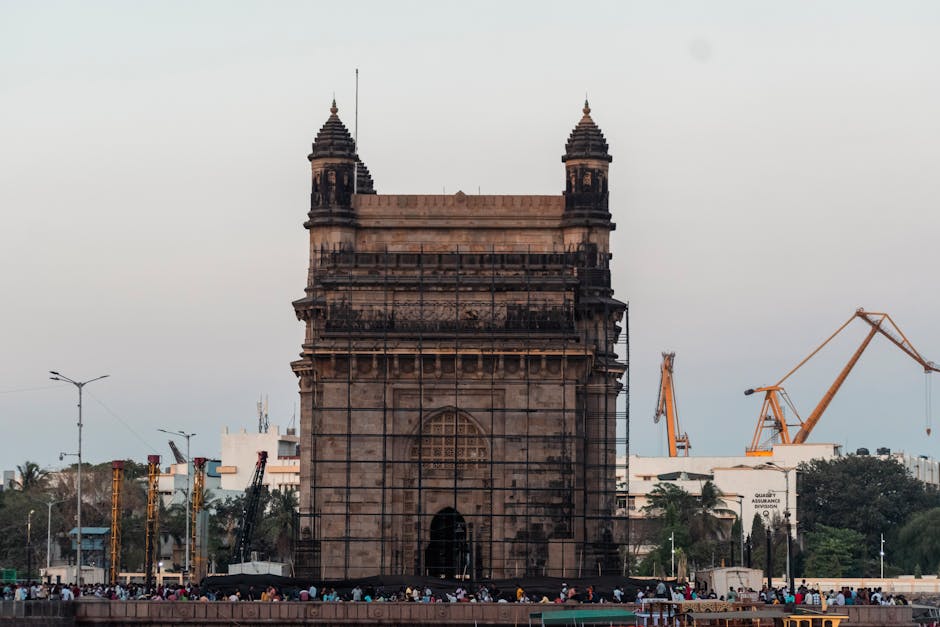 Moderate
Mumbai, India
Explore the ancient fishing village of Worli Koliwada, historic forts, and stunning sea views on this self-guided cultural walking route.
 Moderate
Nairobi, Kenya
Taste your way through Nairobi's Westlands on this self-guided walk featuring street snacks, cultural landmarks, and hidden foodie gems.
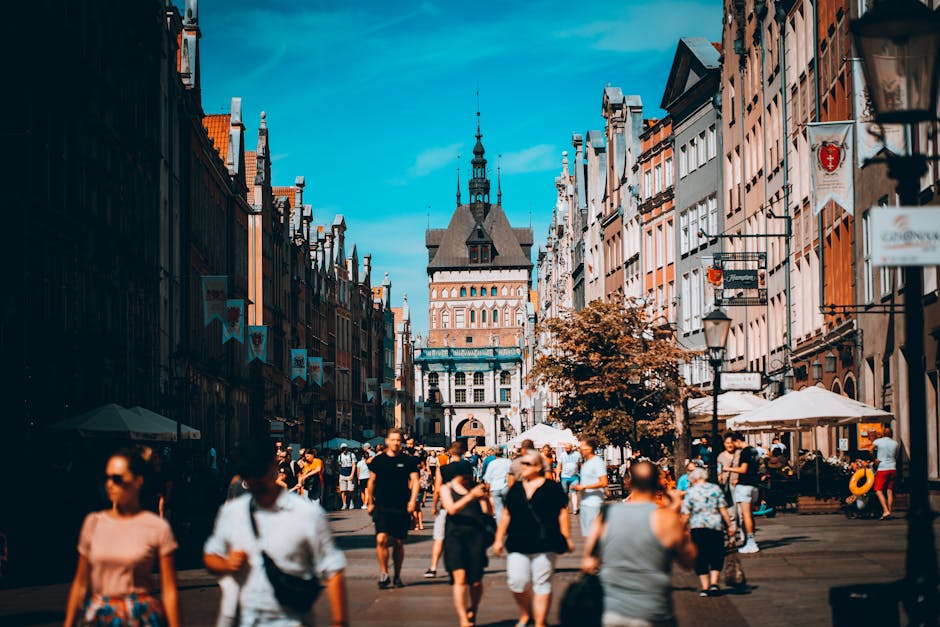 Easy
EasyGdansk, Poland
Taste the history of the Baltic. Explore Gdansk's culinary heritage from medieval markets to gold-flecked liqueurs on this self-guided walk.
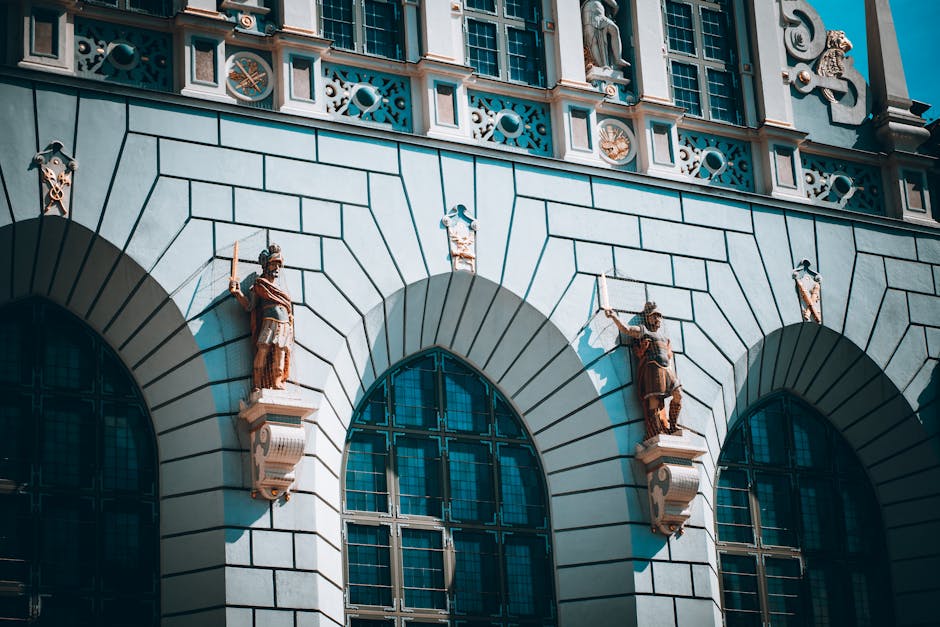 Moderate
Gdansk, Poland
Discover the origins of WWII in Gdansk on this self-guided walk through heroic last stands, massive museums, and strategic hilltop fortifications.
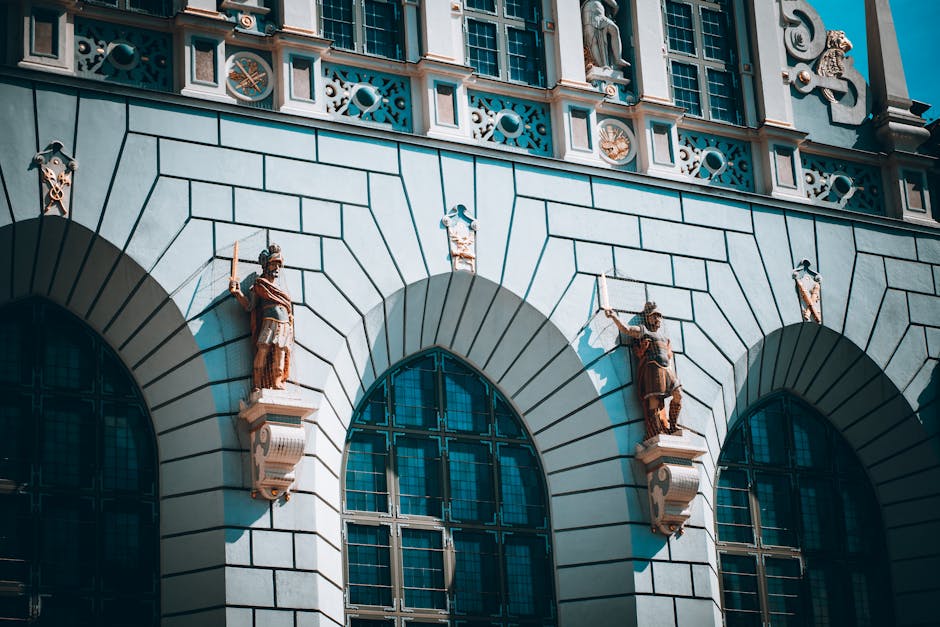 Moderate
Gdansk, Poland
Discover Zaspa, a massive open-air gallery where grey housing blocks are transformed by over 60 monumental murals. Explore at your own pace.
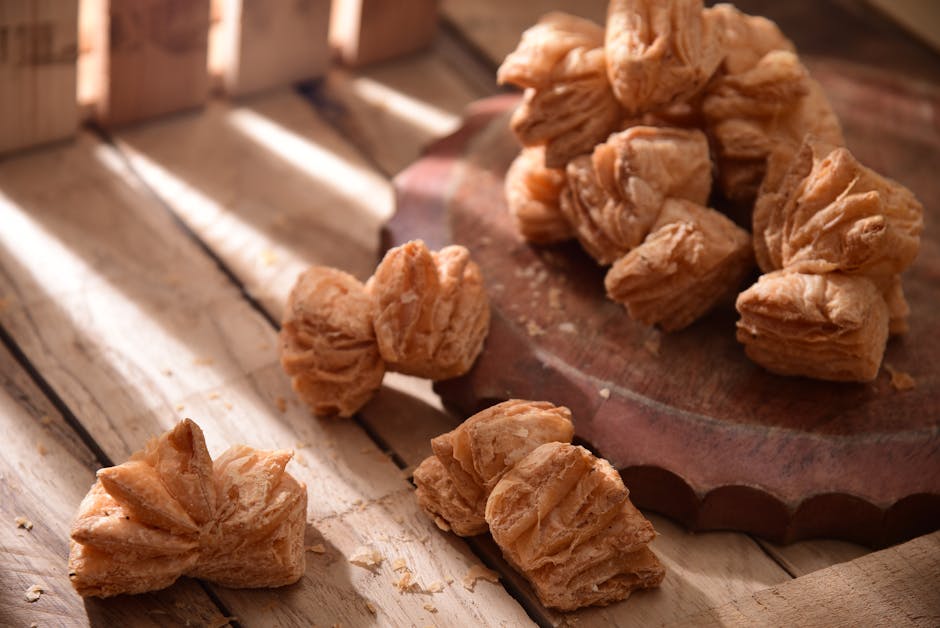 Challenging
Delhi, India
Explore the legendary flavors of Old Delhi on this self-guided audio walk through the historic markets and hidden food stalls of the Walled City.
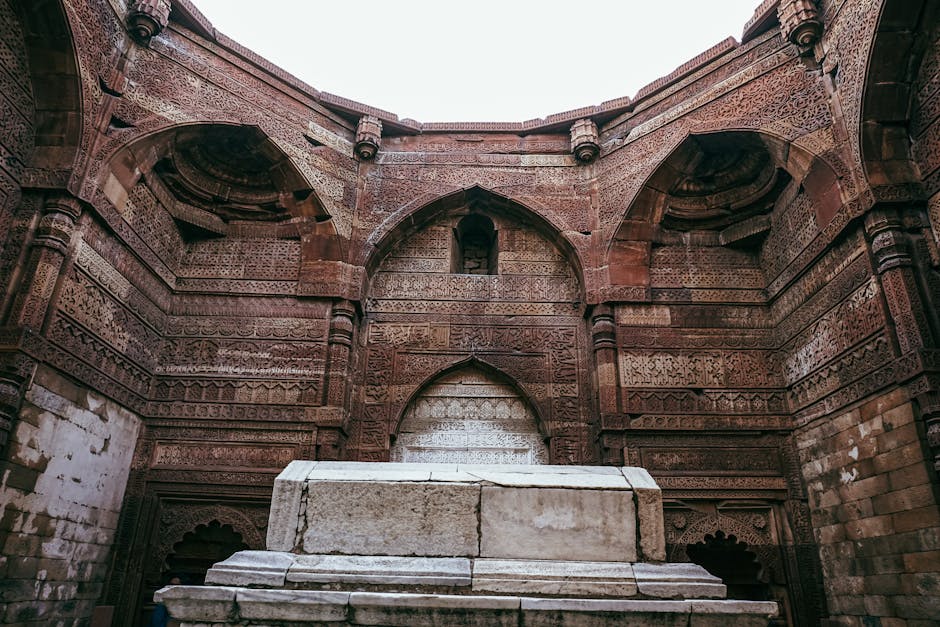 Easy
EasyDelhi, India
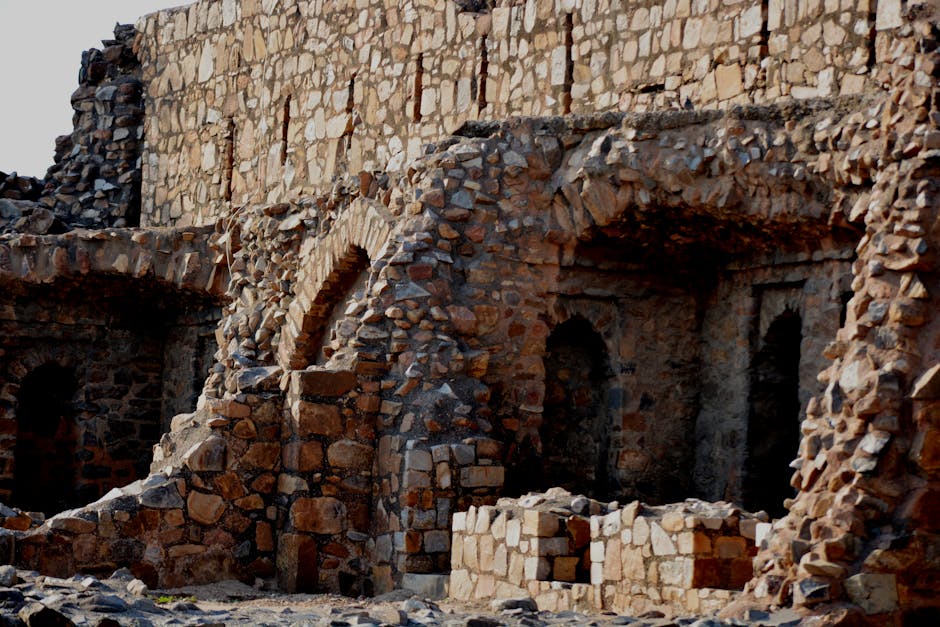
Explore where 14th-century ruins meet high-end fashion in Delhi's most creative urban village on this self-guided neighborhood stroll.
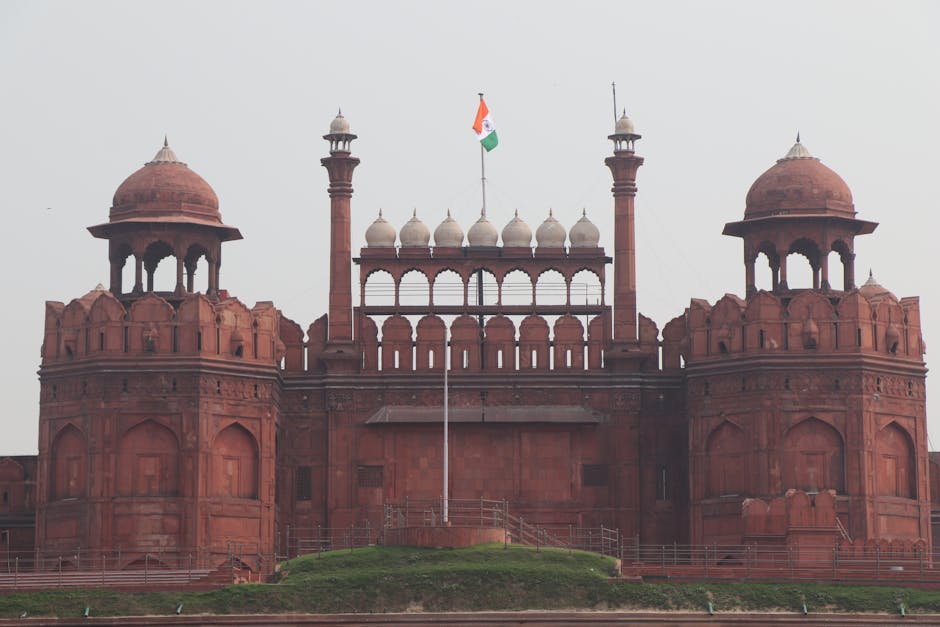 Moderate
Delhi, India
Explore Delhi's soul from the markets of Janpath to the hidden alleys of Little Tibet on this culture-rich, self-guided food and neighborhood stroll.
 Challenging
Delhi, India
Experience the sensory magic of Old Delhi on this self-guided walk through historic spice markets, silver lanes, and grand Mughal monuments.