Self-guided audio tour in Guanajuato
Start Free on iPhone
Start free on iPhone to unlock this self-guided walking tour in Guanajuato. Hear all the stories that make it amazing, walk at your own pace, and begin whenever you want.
Your Private Tour Guide
Guanajuato’s steep, winding callejones and sun-drenched plazas aren’t just beautiful—they are the cradle of Mexico’s most famous artist. This self-guided walk, The Muralist’s Roots, takes you through the historic heart of Guanajuato to explore the early life and lasting influence of Diego Rivera. Before he became a giant of the 20th-century art world and one half of Mexico’s most famous power couple with Frida Kahlo, Rivera was a boy roaming these very streets. By following this walking route, you’ll discover how the city’s unique blend of colonial grandeur and industrial grit shaped the vision of a man who would eventually paint the history of a nation on its own walls. The journey begins at Rivera’s childhood home, now a meticulously preserved museum. From there, your neighborhood stroll winds past the Museo del Pueblo de Guanajuato and into the bustling Plaza De La Paz. You’ll see the city through the eyes of an artist, noting the dramatic shadows on the University of Guanajuato’s stairs and the opulent details of the Teatro Juárez. This isn’t a standard guided tour Guanajuato experience; it’s a personal invitation to step into the past. As you explore independently, you’ll encounter the local printmaking tradition that Rivera so admired, ending at a contemporary studio that keeps the spirit of Mexican graphic art alive. Whether you are an art history buff or a first-time visitor, this audio walk provides a deep dive into the cultural soul of Guanajuato. You’ll learn about the social tensions that fueled Rivera’s revolutionary murals and see the architectural gems that make this UNESCO World Heritage site so spectacular. This walking tour Guanajuato route is designed for those who want to uncover the hidden stories behind the facades at their own pace. By the time you reach the final stop, you’ll have a profound understanding of why Guanajuato remained a touchstone for Rivera throughout his career.
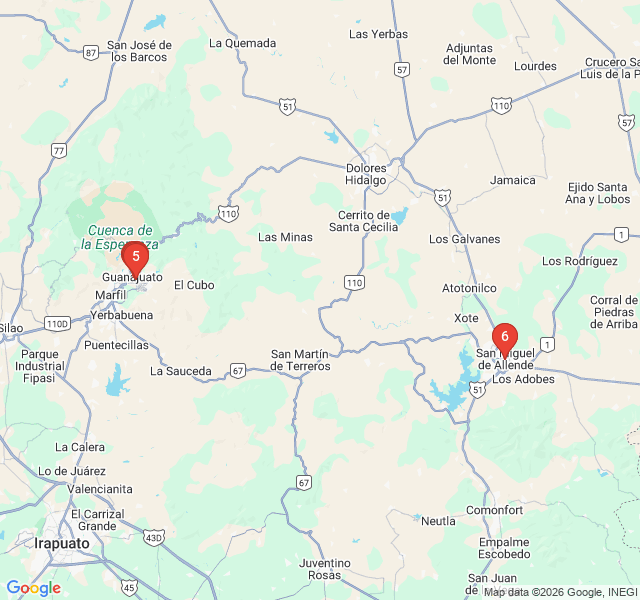
Numbers indicate the order of stops on the tour.
Welcome to the birthplace of a legend. Diego Rivera was born in this very house in 1886. As you stand before this 19th-century facade, imagine a young Diego, then known as Diego María de la Concepción Juan Nepomuceno Estanislao de la Rivera y Barrientos Acosta y Rodríguez, sketching on the floors. The museum inside recreates the family's living quarters on the ground floor, filled with period furniture that reflects their middle-class status. The upper floors transition from his personal history to his professional evolution, housing a significant collection of his early works. You can trace his journey from traditional academic drawings to the beginnings of the cubist and muralist styles that would eventually make him a household name globally.
Just a short walk away is the Museo del Pueblo, housed in a magnificent 17th-century mansion that once belonged to the Marquis of Rayas. While Rivera’s work focused on the future of the Mexican people, this museum anchors you in their past. It features an impressive collection of religious art and civil paintings from the 18th and 19th centuries. Pay close attention to the Hermenegildo Bustos collection; Rivera himself was a great admirer of Bustos, an indigenous painter whose honest, unpretentious portraits of local people heavily influenced the muralist’s own approach to capturing the 'Mexican soul' on a grand scale. The building’s courtyard and chapel are works of art in themselves.
You are now in the symbolic heart of the city: the Plaza de la Paz, or Plaza of Peace. Surrounded by some of Guanajuato’s most important colonial buildings, this triangular plaza has been the site of countless historical events. The bright yellow Basilica of Our Lady of Guanajuato dominates the view, housing a jewel-encrusted statue that is said to be the oldest piece of Christian art in Mexico. For a young Rivera, this plaza represented the social and religious hierarchy of his time. The contrast between the wealthy mine owners who built these mansions and the laborers who worked the silver mines nearby provided the foundational themes of class struggle that would later define his revolutionary murals.
Look up at the towering white facade and the iconic 86 steps of the University of Guanajuato. Completed in the 1950s, this neoclassical masterpiece is the intellectual engine of the city. While the university as an institution dates back much further, the building’s dramatic architecture reflects the modern Mexican identity that Rivera helped forge. The university is a center for the arts, and its presence ensures that Guanajuato remains a city of students and thinkers. Rivera believed that education and art belonged to the masses, a sentiment that echoes through the halls of this public institution. The stairs are a favorite spot for locals to sit and watch the city move.
Prepare to be dazzled by the Teatro Juárez, one of the most beautiful theaters in Mexico. Built between 1872 and 1903, it represents the Belle Époque era in which Rivera grew up. The exterior is guarded by bronze lions and topped by statues of the Greek Muses. Inside, the decor is an explosion of Moorish-inspired luxury. This theater was the pinnacle of high culture during the Porfiriato, the long presidency of Porfirio Díaz. For Rivera, such opulence stood in stark contrast to the lives of the indigenous and working-class people he chose to champion in his art. It remains a functioning venue and a symbol of the city's deep-rooted love for the performing arts.
To conclude our walk, we visit a space that keeps the fire of Mexican graphic arts burning. El Pinche Grabador is a contemporary printmaking studio that honors the tradition of the Taller de Gráfica Popular. Diego Rivera was a staunch supporter of printmaking because it allowed art to be reproduced cheaply and shared with the common people. This studio continues that legacy, producing intricate woodcuts and linocuts that often carry social or political messages. As you look at the presses and the drying prints, you are seeing the modern evolution of the same creative energy that drove Rivera to cover the walls of Mexico with the stories of its people.
Start Free on iPhone
Explore “The Muralist’s Roots: Diego Rivera’s Guanajuato” with your very own Private Tour Guide with Zigway. Start free on iPhone, skip the large group and the fixed routes, and hear the city come alive as you go.
Your Private Tour Guide
Don't miss the good stuff
Explore Freely
 Moderate
Guanajuato, Mexico
Explore the myths and hidden alleys of Guanajuato on this self-guided walk through romantic corners and legendary historic sites.
 Easy
EasyGuanajuato, Mexico
Explore Guanajuato's vibrant nightlife through hidden mezcalerias, historic cantinas, and musical plazas on this self-guided evening stroll.
 Challenging
Guanajuato, Mexico
Ascend from the famous mummies to the opulent silver mines on this challenging self-guided walk through Guanajuato's industrial and colonial past.
 Easy
EasyGuanajuato, Mexico
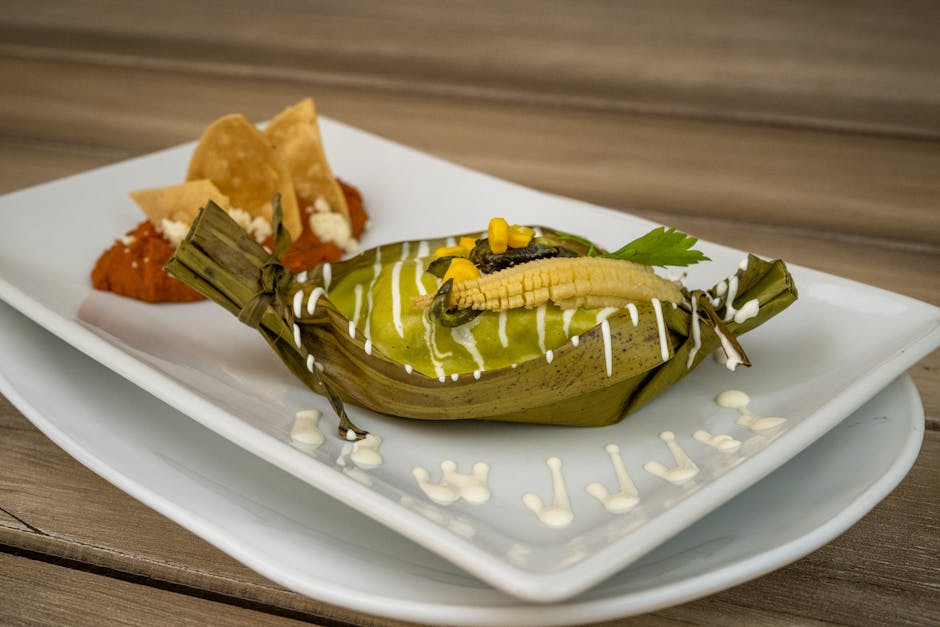
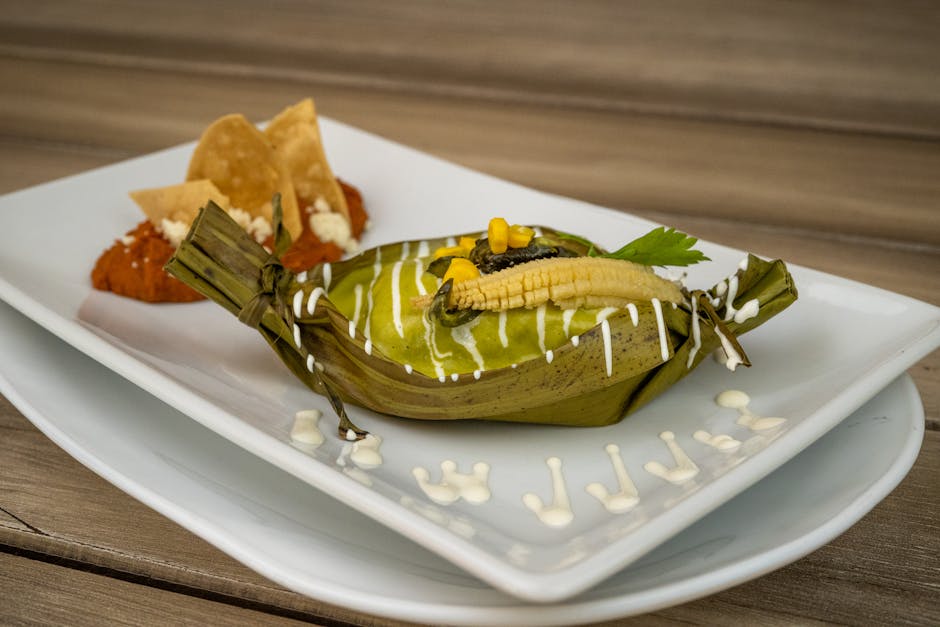
Discover the vibrant tastes of Guanajuato on this self-guided walk through markets, plazas, and local sweet shops.
 Easy
EasyKrakow, Poland
Explore the historic heart of Kazimierz on this self-guided walk through synagogues, ancient cemeteries, and vibrant squares.
 Easy
EasyGothenburg, Sweden
Discover Gothenburg’s 17th-century Dutch foundations, historic canals, and military fortifications on this self-guided architectural walk.
 Easy
EasyNairobi, Kenya
Explore Nairobi's architectural evolution from colonial-era landmarks to iconic Brutalist skyscrapers on this historic self-guided walking route.
 Easy
EasyNairobi, Kenya
Discover Nairobi's iconic skyline on this self-guided architecture walk through the CBD’s most famous modernist and Brutalist landmarks.
 Easy
EasyMexico City, Mexico
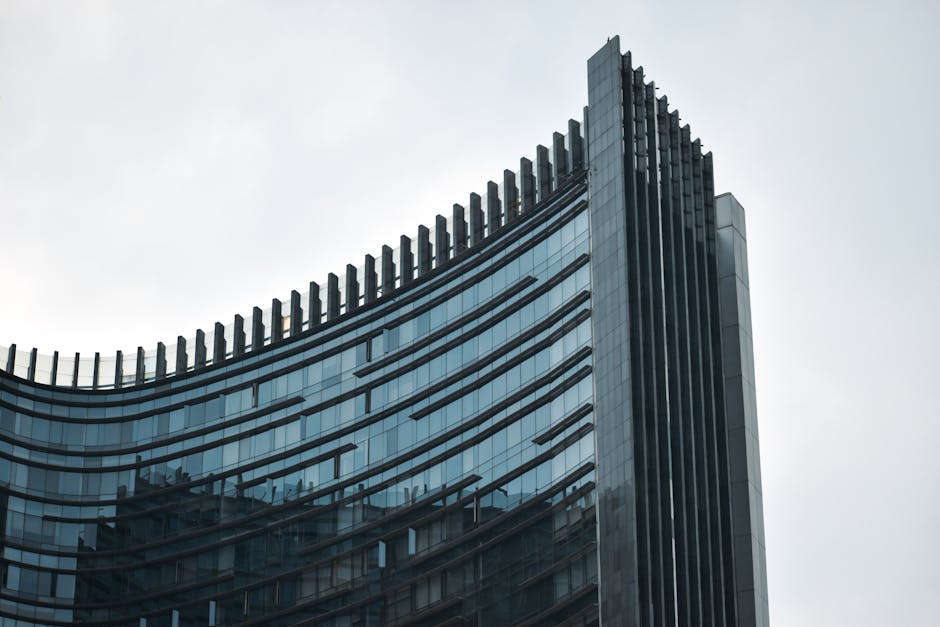
Explore Mexico City's most glamorous district on this self-guided walk through Polanco's luxury boutiques, lush parks, and iconic art museums.
 Easy
EasyMexico City, Mexico
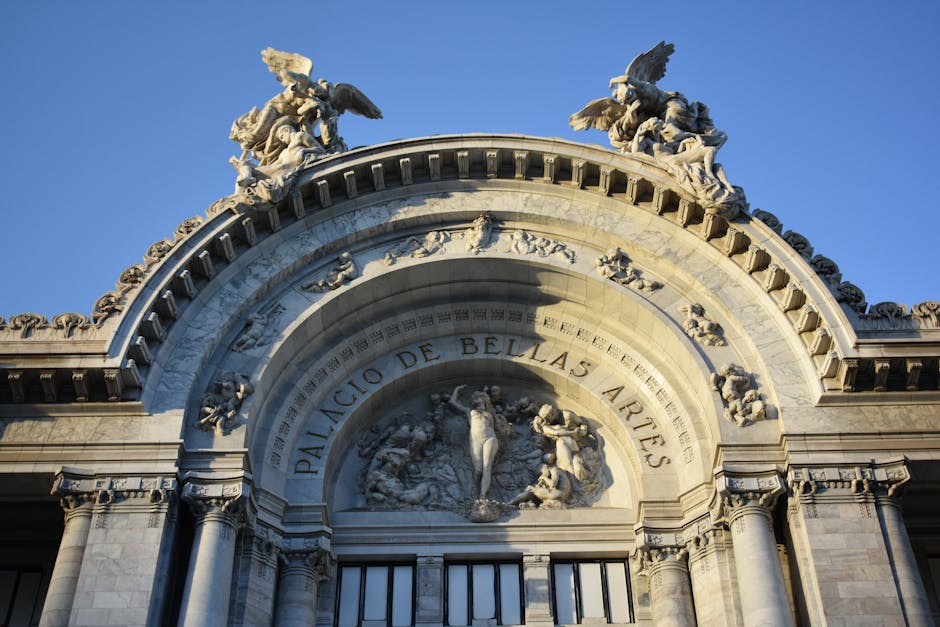
Explore the Art Deco architecture and gourmet food scene of Roma Norte on this self-guided neighborhood stroll through Mexico City’s creative heart.
 Easy
EasyMexico City, Mexico
Explore the epic murals of Rivera, Orozco, and Siqueiros on this self-guided walking route through the heart of Mexico City’s historic center.
 Moderate
Mexico City, Mexico
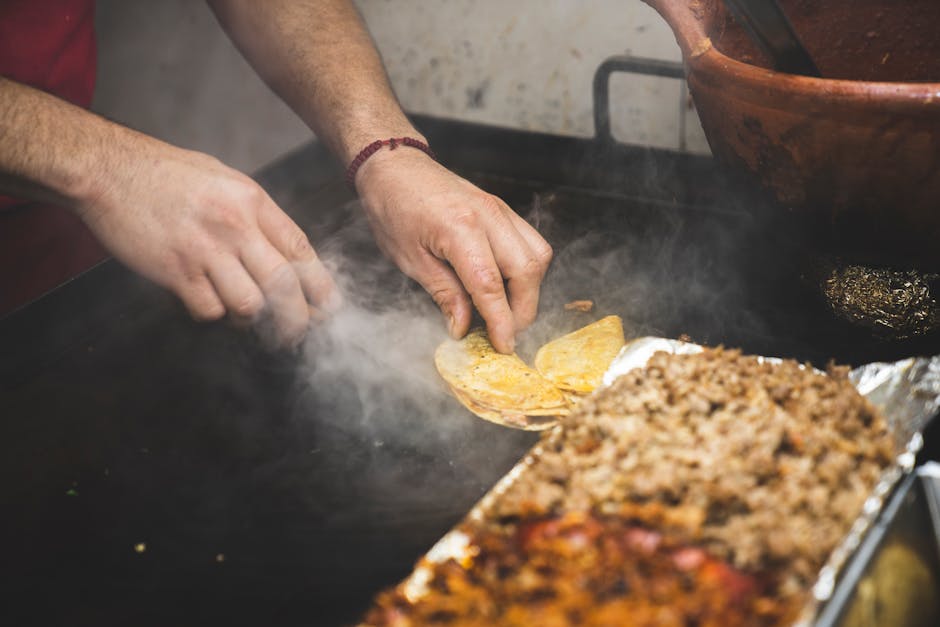
Taste the legendary tacos and cantina culture of Narvarte on this self-guided walk through Mexico City's most authentic foodie neighborhood.