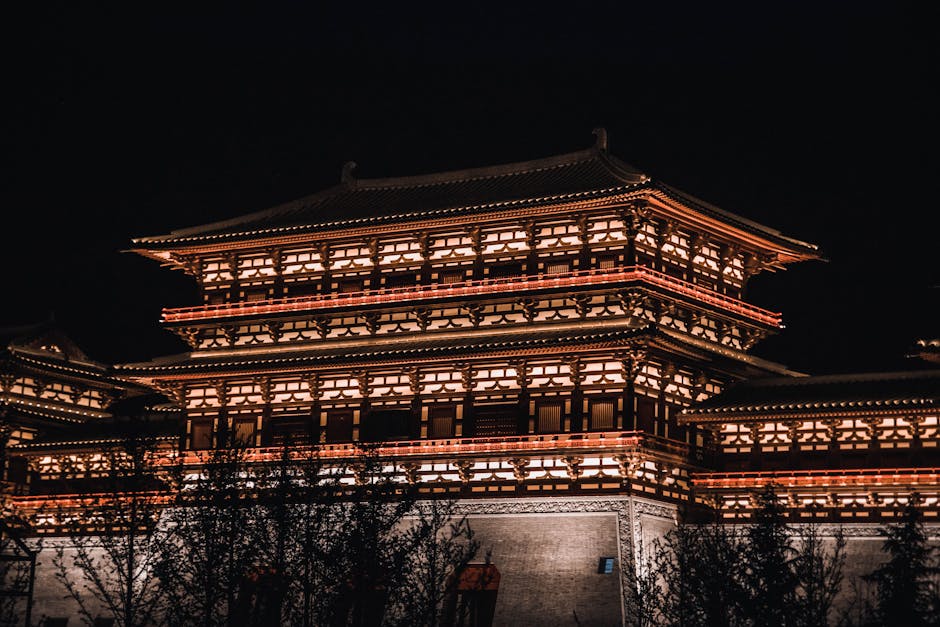
Self-guided audio tour in Xian
Start Free on iPhone
Start free on iPhone to unlock this self-guided walking tour in Xian. Hear all the stories that make it amazing, walk at your own pace, and begin whenever you want.
Your Private Tour Guide
Xi’an, the ancient capital once known as Chang’an, was the heart of the Tang Dynasty, a period of unparalleled cultural and architectural brilliance. This self-guided walk through the Yanta District invites you to step back into that golden age, exploring the Qujiang Royal Heritage Route. Unlike a traditional walking tour Xian, this audio walk allows you to linger at the sites that interest you most, from the towering presence of the Giant Wild Goose Pagoda to the shimmering waters of Tang Paradise. The Qujiang district was once the site of royal gardens and imperial retreats, and today it serves as a vibrant cultural hub that blends ancient history with modern architecture. Your journey begins at the Dayan Pagoda South Square, where the spirit of the Great Tang is palpable. As you navigate the neighborhood stroll, you will encounter the architectural majesty of the Tang era, reimagined for the modern day. You might find yourself wandering through the Datang Everbright City, a pedestrian mall that feels like a living movie set, or discovering hidden artistic treasures at the Qujiang Art Museum. This route is particularly special for its focus on the Tang legacy, offering insights into the Buddhist history of the Giant Wild Goose Pagoda and the imperial aesthetics of the surrounding gardens. While some might look for a guided tour Xian to navigate these sprawling sites, exploring independently gives you the freedom to capture the perfect photograph of the pagoda at sunset or enjoy a quiet moment by the lake. This self-guided walking route is designed for those who appreciate history and architecture, providing a deep dive into the stories of Xuanzang, the Tang emperors, and the evolution of Xi’an from a medieval metropolis to a modern city. Whether you are a first-time visitor or a repeat traveler, the Qujiang area offers a unique perspective on China's imperial past. With your audio walk as a companion, you can discover the enduring influence of the Tang Dynasty on Chinese culture and urban design, all at your own pace.
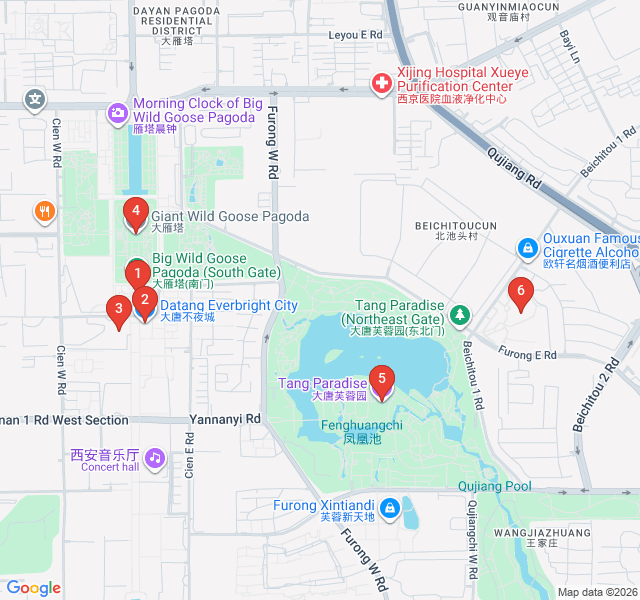
Numbers indicate the order of stops on the tour.
Start your self-guided adventure at the feet of the Xuanzang statue. This monk is a legendary figure in Chinese history, having traveled to India to bring back Buddhist scriptures. The square serves as a grand entrance to the temple complex. Look around at the traditional Tang-style buildings flanking the plaza, which use the characteristic dougong bracket systems. This space is a favorite for locals and travelers alike, acting as a gateway between the bustling modern city and the sacred history of the pagoda. It is an ideal spot for photography, especially with the pagoda framed against the wide-open sky.
As you walk south, you enter a pedestrian paradise that recreates the vibrant atmosphere of a Tang Dynasty marketplace. Stretching over two kilometers, this area is a masterclass in modern architectural homage. The street is lined with sculptures depicting Tang poets, musicians, and emperors, bringing the history of the 7th to 9th centuries to life. By day, it is a grand boulevard; by night, it transforms into a neon-lit spectacle of lights and music. This neighborhood stroll captures the energy of ancient Chang’an, which was once the largest and most cosmopolitan city in the world.
Located beneath the Westin Hotel, this museum offers a sophisticated look at the region's artistic heritage. It is particularly famous for its collection of mural paintings from various dynasties, providing a visual record of life, fashion, and beliefs in ancient China. The museum’s location itself is significant, as it sits on land that was once part of the imperial Qujiang Pool garden complex. Exploring this space allows you to see the intricate details of Tang-era art up close, from delicate pottery to grand murals that once adorned the tombs of royalty.
This iconic landmark is the soul of the district. Built in 652 AD, the pagoda was originally constructed to house the sutras and figurines brought back from India by the monk Xuanzang. Its simple, elegant brick structure is a classic example of Tang Dynasty architecture, though it has been renovated and reinforced over the centuries. As you walk around its base, consider the engineering feat of its construction without the use of cement. The pagoda has survived numerous earthquakes and remains a symbol of Xi’an’s enduring spiritual and cultural significance.
This massive cultural theme park is a recreation of the original Tang-era imperial gardens. It is the first of its kind in China to showcase Tang culture across all five senses. The park is centered around the Qujiang Pool, with various pavilions and buildings dedicated to different aspects of the Tang lifestyle, such as poetry, tea culture, and imperial banquets. The architecture here is based on historical records, offering a glimpse into the scale and luxury of royal life over a millennium ago. It is a peaceful place to explore the intersection of nature and classical Chinese design.
Your walking route concludes at this modern attraction, which represents the contemporary side of the Qujiang district. While it may seem a far cry from the Tang Dynasty, its presence here highlights how the area has evolved into a premier destination for recreation and family leisure. The facility features a large aquarium and various marine life exhibits, continuing the district's tradition as a place of wonder and public gathering. From here, you can easily access local transport to return to the city center or continue your exploration of the nearby parks.
Start Free on iPhone
Explore “Tang Dynasty Glories: The Qujiang Royal Heritage Route” with your very own Private Tour Guide with Zigway. Start free on iPhone, skip the large group and the fixed routes, and hear the city come alive as you go.
Your Private Tour Guide
Don't miss the good stuff
Explore Freely
 Moderate
Xian, China
Discover the Silk Road's legacy and modern local life in Xian’s West City on this immersive self-guided audio walk through markets and history.
 Moderate
Xian, China
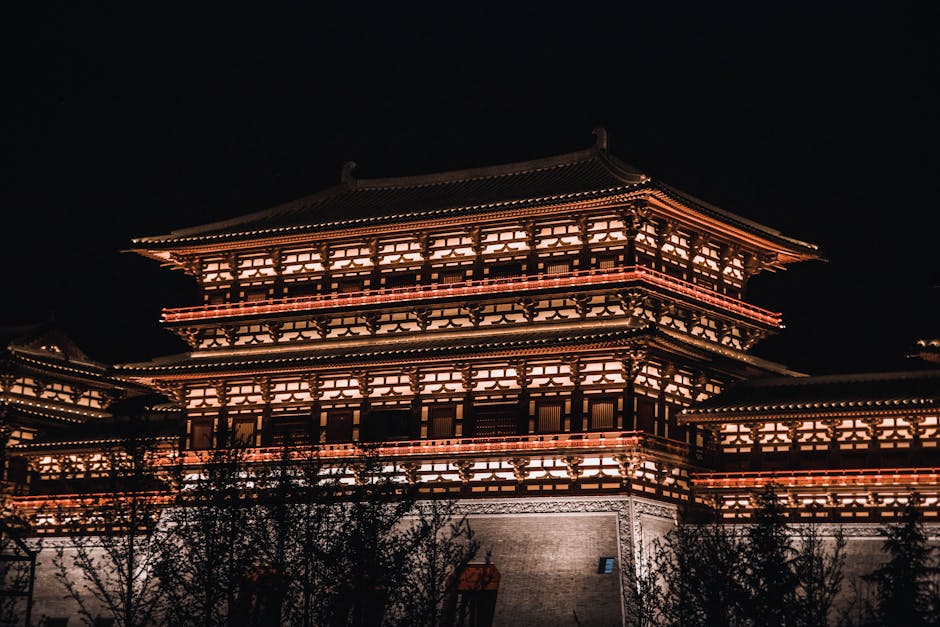
Discover the 'Palace of Great Brilliance' and the mighty Ming-era fortifications on this self-guided walk through Xi'an's historic northern district.
 Easy
EasyXian, China
Discover the hidden bars and artisan coffee shops of Defu Lane on this self-guided stroll through Xi'an's most bohemian neighborhood.
 Moderate
Xian, China
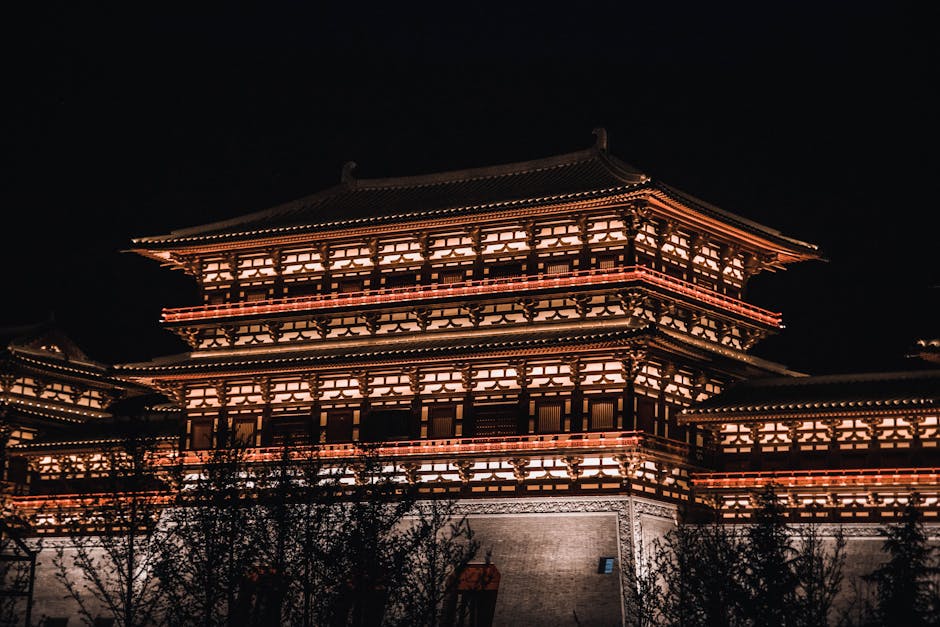
Explore Xian’s spiritual side on this self-guided walk through ancient Buddhist temples and hidden Taoist abbeys.
 Moderate
Vienna, Austria
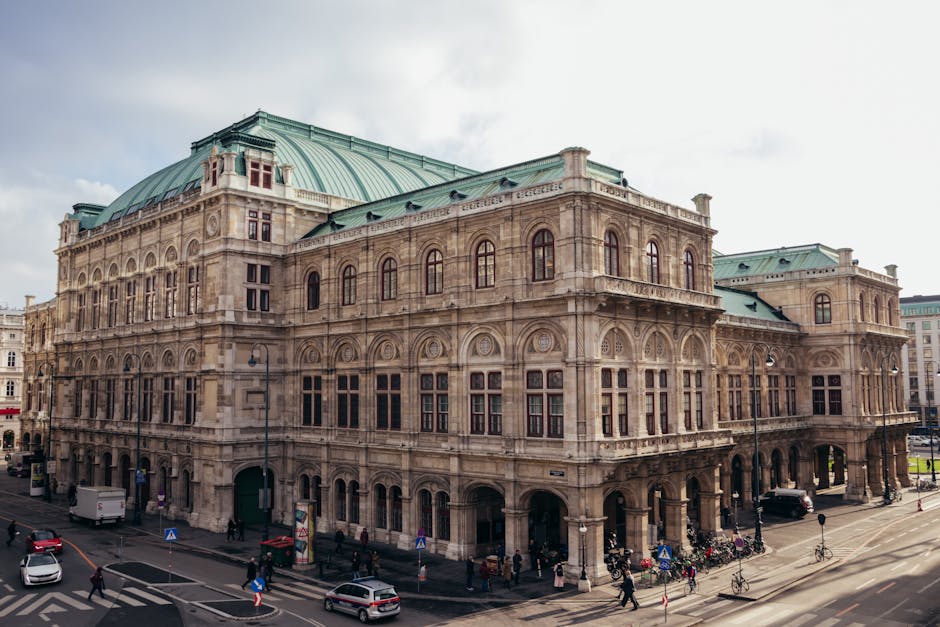
Discover the noir world of The Third Man and Cold War Vienna on this atmospheric self-guided audio walk through the historic Innere Stadt.
 Easy
EasyGdansk, Poland
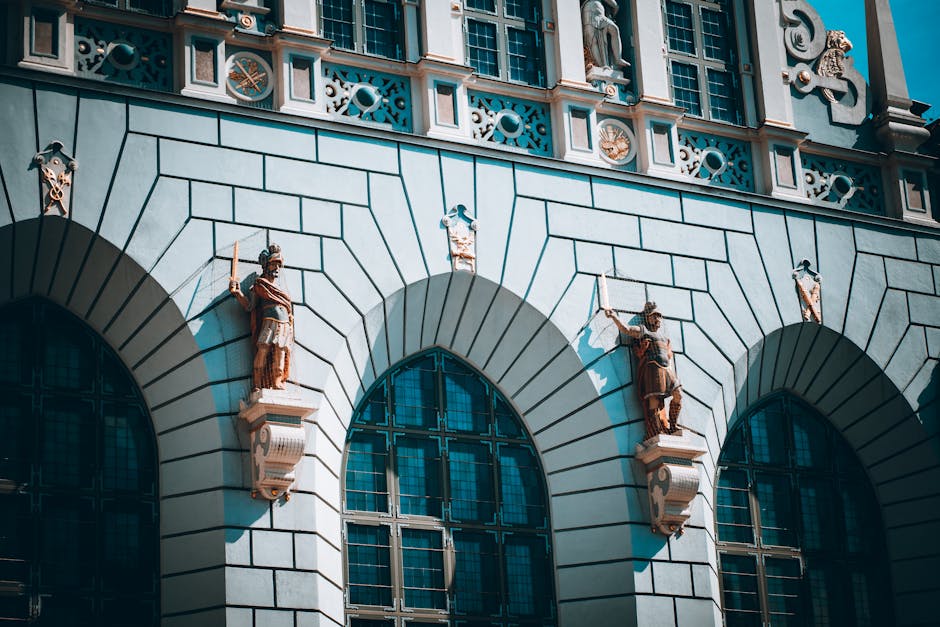
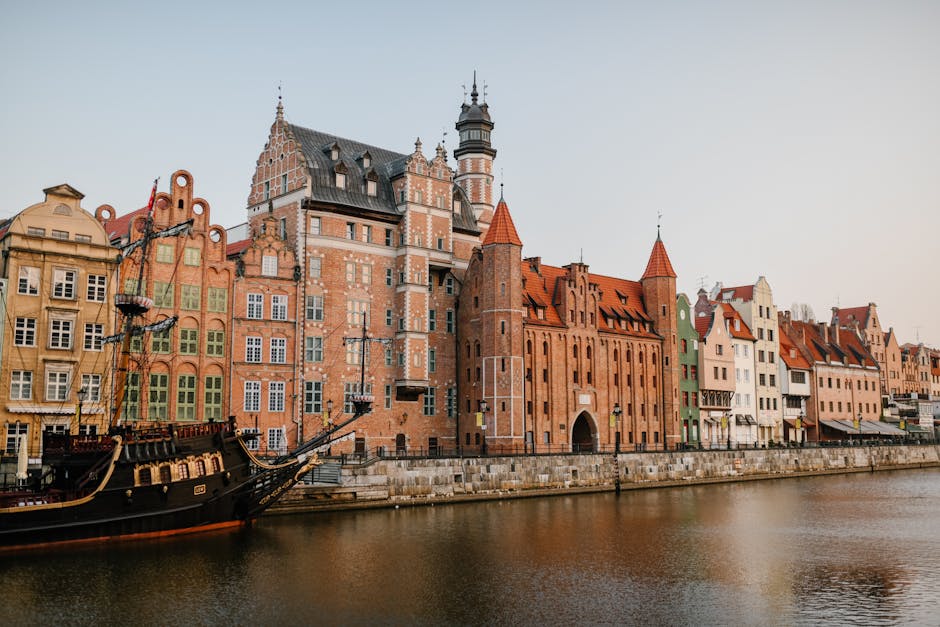
Discover the opulent Royal Way of Gdansk at your own pace. Explore Hanseatic history, gilded architecture, and the iconic Neptune's Fountain.
 Easy
EasyGdansk, Poland
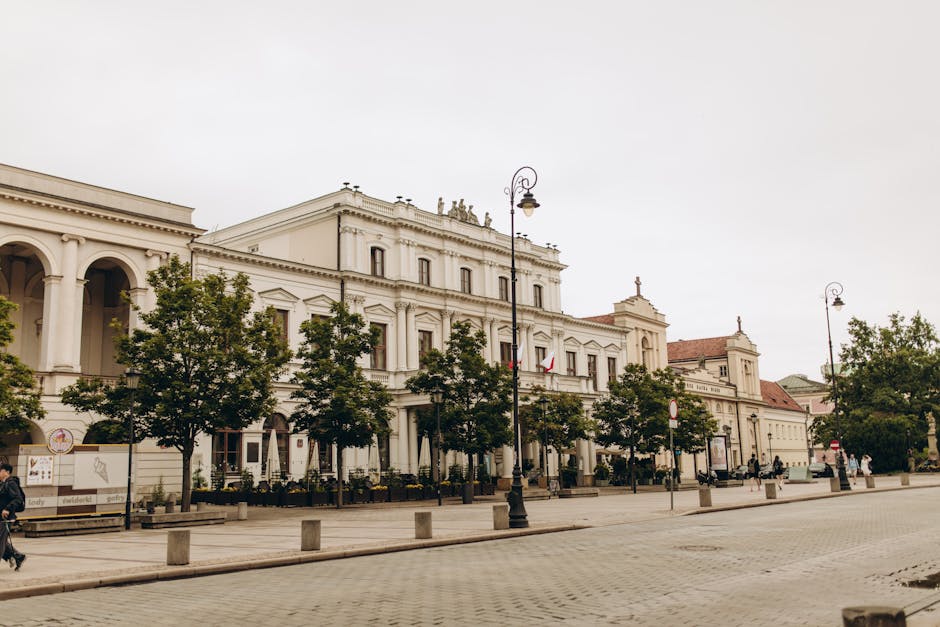
Discover the 'Baltic Gold' on this self-guided walk through Gdansk's historic mills, massive cathedrals, and the magical Mariacka Street.
 Easy
EasyWarsaw, Poland
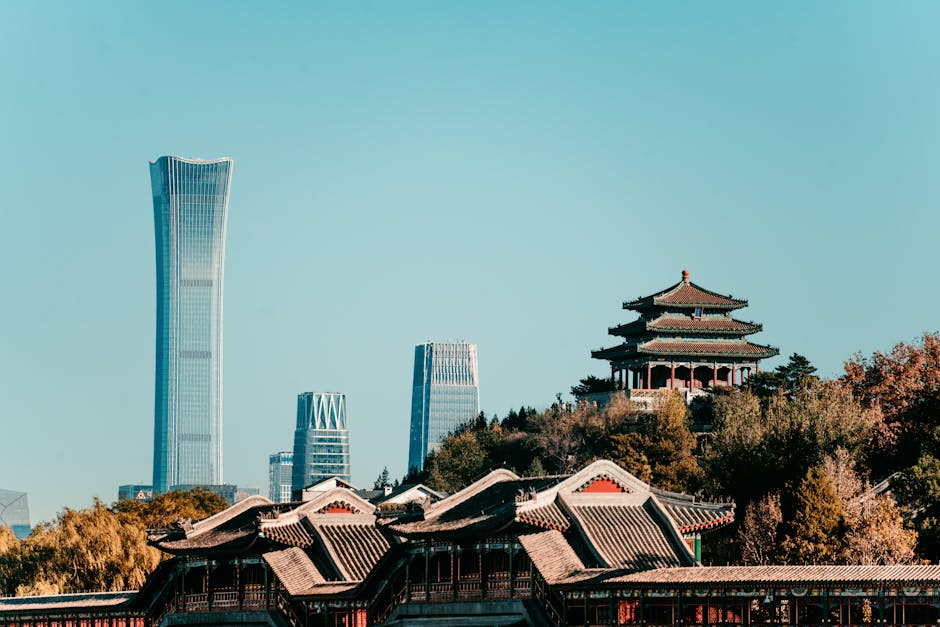
Explore the 'Polish Versailles' at your own pace. Discover Baroque architecture, royal history, and stunning gardens on this self-guided walk.
 Easy
EasyBeijing, China
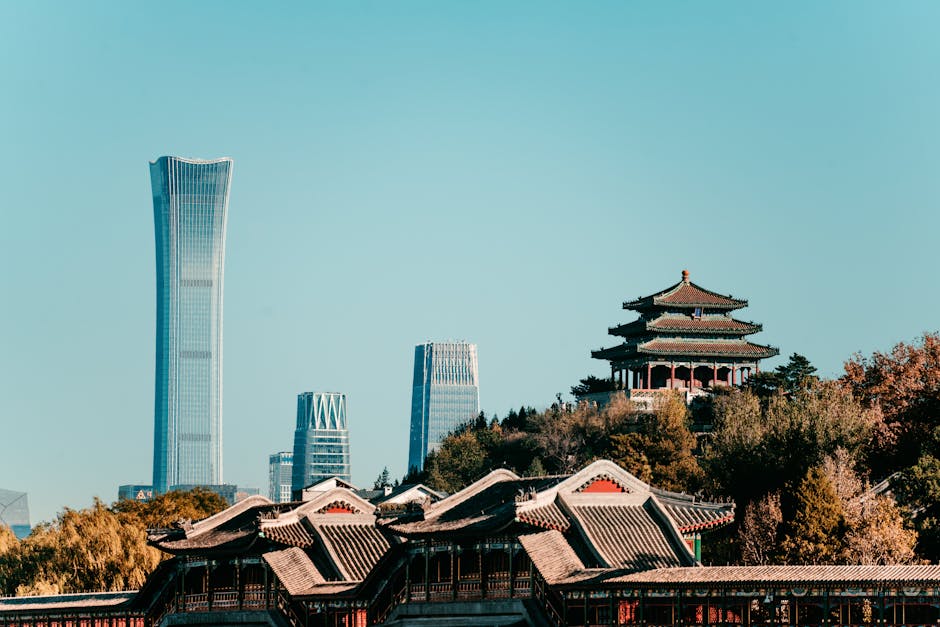
Explore Beijing's premier art district on this self-guided walk through the industrial-chic 798 Art Zone and the massive tanks of 751 D・PARK.
 Moderate
Beijing, China
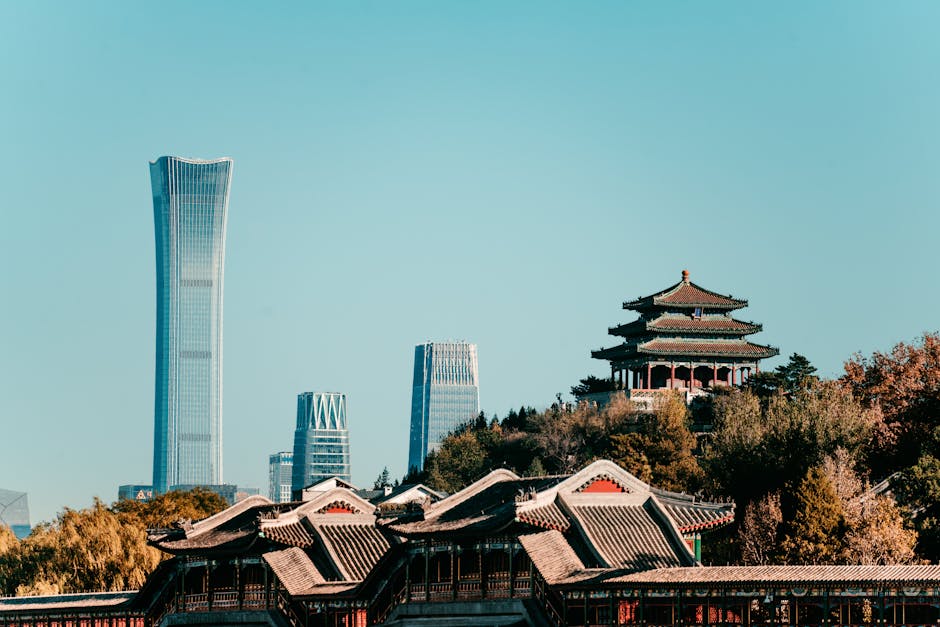
Explore the majestic red walls, imperial moats, and hilltop vistas of Beijing's Forbidden City on this self-guided architectural walking route.
 Moderate
Beijing, China
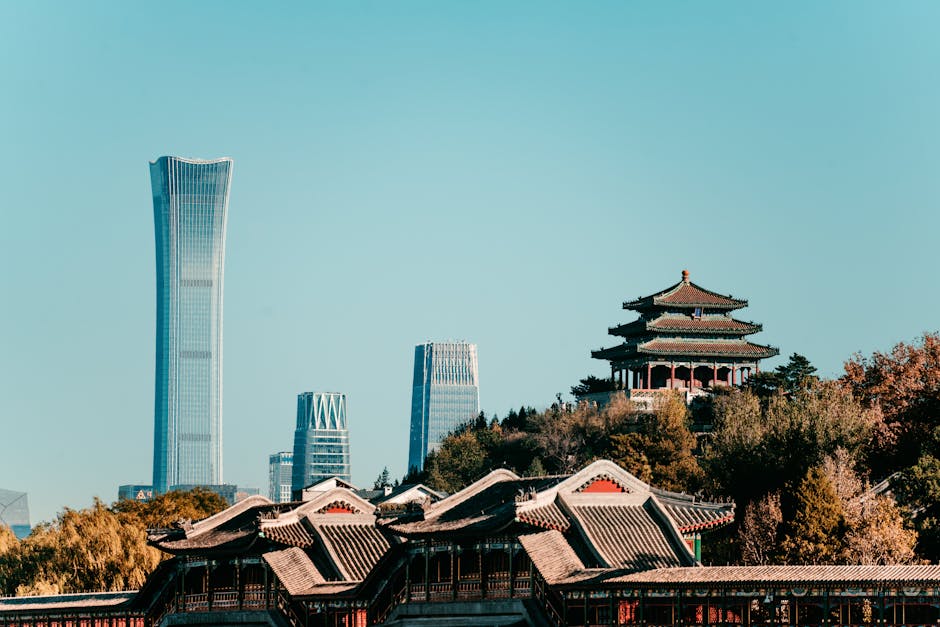
Explore the spiritual heart of Beijing on this self-guided walk through the Temple of Heaven's iconic altars, ancient pines, and vibrant park life.
 Easy
EasyBeijing, China
A culinary and cultural self-guided walk through Beijing's historic Dongsi neighborhood, featuring ancient mosques, hutongs, and iconic local eats.