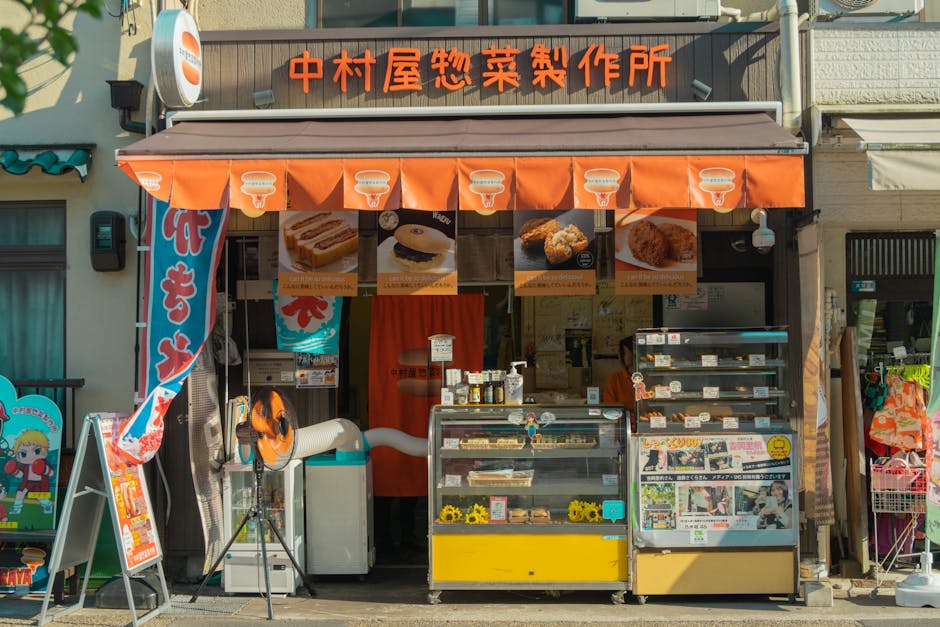
Self-guided audio tour in Kyoto
Start Free on iPhone
Start free on iPhone to unlock this self-guided walking tour in Kyoto. Hear all the stories that make it amazing, walk at your own pace, and begin whenever you want.
Your Private Tour Guide
Step into the sensory heart of Japan's ancient capital with this self-guided walking route through Kyoto’s downtown district. Known as the 'Savors of the Samurai Kitchen,' this neighborhood stroll connects the city's legendary culinary traditions with the dramatic history of the warriors who once walked these streets. Your journey begins at the 400-year-old Nishiki Market, an atmospheric arcade where the scents of toasted sesame, pickled radish, and fresh seafood fill the air. As you explore independently, you will discover how Kyoto’s unique geography and history influenced its sophisticated food culture, from the refined snacks served in samurai courts to the humble ingredients used by local monks. Beyond the market stalls, this walking route takes you through the transition from sacred spaces to modern commerce. You will visit shrines tucked away in busy shopping arcades and explore the basement food halls of iconic department stores, a phenomenon known as 'depachika' that represents the pinnacle of Japanese culinary presentation. The path also leads to one of the most significant historical sites in Japan: the location of the Honnō-ji incident. Here, the powerful daimyo Oda Nobunaga met his end, a pivotal moment that changed the course of Japanese history forever. This walking tour Kyoto experience is designed for those who want to move at their own pace, pausing to sample local delicacies or photograph hidden architectural details. You will finish your walk by the serene Kamogawa Park, where the Kamo River provides a peaceful backdrop to reflect on the day's discoveries. Whether you are a first-time visitor or a seasoned traveler, this route offers a deep dive into the flavors and stories that define Kyoto. By following this audio walk, you avoid the constraints of a traditional guided tour Kyoto and instead gain the freedom to immerse yourself in the local atmosphere exactly how you choose. **Note:** This area is known for its ever-changing character. Street art, pop-up venues, and temporary exhibitions may differ from what's described. That's part of the adventure - you might discover something entirely new!
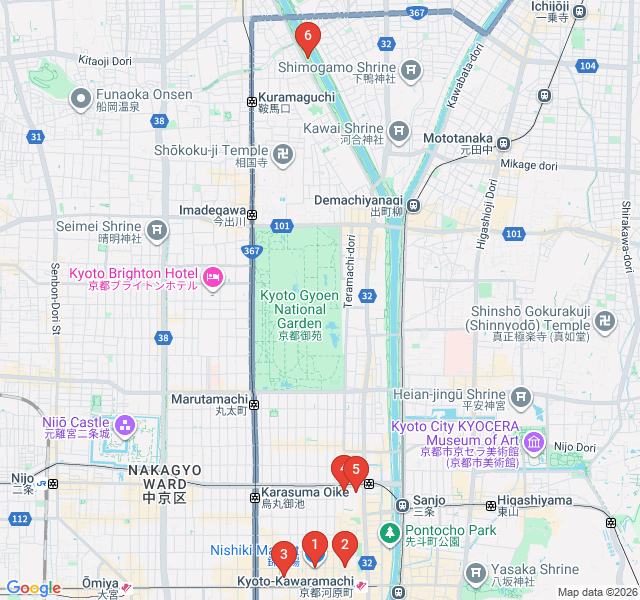
Numbers indicate the order of stops on the tour.
Welcome to Nishiki Market, affectionately known as 'Kyoto's Kitchen.' This narrow, five-block long shopping street has served the city for over four centuries. Originally a wholesale fish market, it has evolved into a vibrant corridor of over 100 stalls and shops. As you walk through, look for local specialties like 'tsukemono' (Japanese pickles), 'yuba' (tofu skin), and 'tamagoyaki' (rolled omelets). The market is a testament to Kyoto's 'Washoku' or traditional dietary culture. Note the colorful stained-glass ceiling above you, which protects the delicate goods from the elements. Because this is a working market, the specific vendors and seasonal offerings change frequently, so keep an eye out for what looks freshest today.
At the eastern end of the market, you will find Nishiki Tenmangu, a Shinto shrine dedicated to Sugawara no Michizane, the deity of learning and scholarship. Despite being surrounded by modern commerce, this remains a peaceful spiritual anchor for the neighborhood. Look for the bronze bull statue near the entrance; it is said that rubbing the bull will grant you wisdom. Another unique feature is the 'Nishiki-no-mizu' spring, a deep well that provides high-quality groundwater used by the local community for centuries. This shrine is a perfect example of how the sacred and the secular coexist harmoniously in Kyoto's daily life.
While it looks like a standard department store from the outside, the basement of Daimaru Kyoto houses a 'depachika'—a subterranean food wonderland. In Japan, these basements are where high-end culinary art meets daily convenience. You will find everything from perfectly sculpted wagashi (traditional sweets) to premium bento boxes and international delicacies. This is where the descendants of the samurai class and modern Kyotoites alike come to find the highest quality ingredients. It is a fantastic place to observe the meticulous attention to detail and packaging that is central to Japanese gift-giving culture. Don't be afraid to wander the aisles and admire the displays.
Teramachi-dori, which translates to 'Temple Town Street,' has a history dating back to the late 16th century. It was created by the warlord Toyotomi Hideyoshi, who moved many of the city's temples here to centralize them for better control and defense. Today, the street is a covered arcade that perfectly blends the old and the new. You will pass historic tea shops and traditional paper stores standing right next to modern clothing boutiques and electronics shops. This mix of commerce and spirituality is a hallmark of Kyoto's urban design. Keep an eye out for the small stone markers and temple entrances that peak out between the storefronts.
You are now standing at Honnō-ji, a site of immense historical gravity. In 1582, this temple was the setting of the infamous Honnō-ji incident, where the powerful warlord Oda Nobunaga was betrayed by his general Akechi Mitsuhide. Nobunaga, who was near to unifying Japan, was forced to commit ritual suicide as the temple burned around him. The temple has been rebuilt several times since then, and the current structures date from the 19th century. Inside the grounds, you can find a cenotaph dedicated to Nobunaga. It is a quiet place of reflection that stands in stark contrast to the busy shopping streets you just navigated.
End your walk at the banks of the Kamo River, or Kamogawa. This river is the literal and figurative lifeblood of Kyoto. The park area along the banks is a favorite gathering spot for locals. During the summer months, you might see 'yuka'—elevated wooden platforms built over the water by nearby restaurants to provide a cool dining experience. The river is also famous for the 'Kamo River delta' and the stepping stones shaped like turtles further upstream. It is the perfect place to sit, enjoy any snacks you may have picked up at Nishiki Market, and watch the city go by. From here, you are perfectly positioned to explore the nearby Gion district or head back toward the city center.
Start Free on iPhone
Explore “Savors of the Samurai Kitchen” with your very own Private Tour Guide with Zigway. Start free on iPhone, skip the large group and the fixed routes, and hear the city come alive as you go.
Your Private Tour Guide
Don't miss the good stuff
Explore Freely
 Moderate
Kyoto, Japan
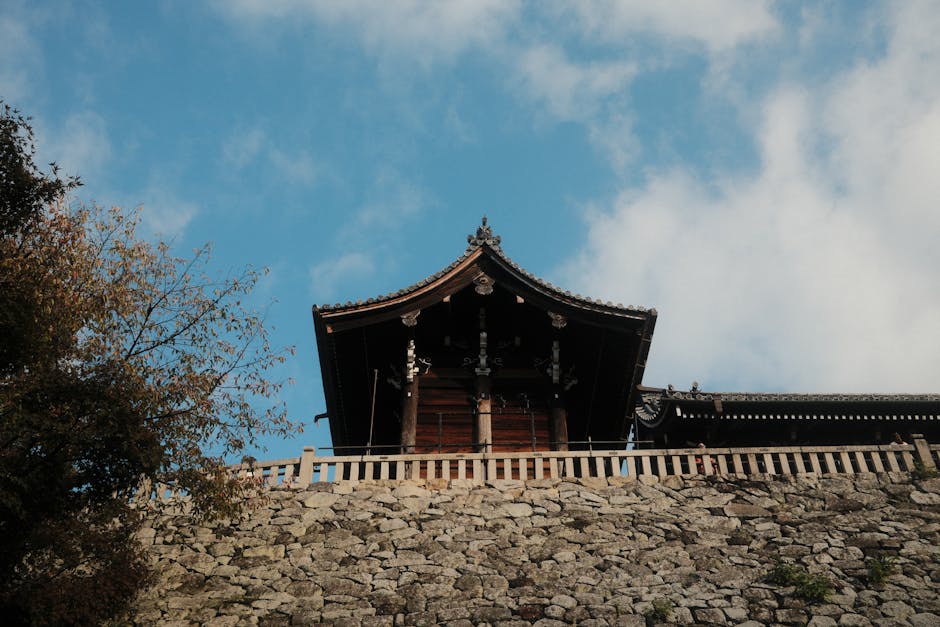
Discover the soul of old Kyoto on this self-guided walk through preserved stone lanes, iconic pagodas, and the grand wooden stage of Kiyomizu-dera.
 Challenging
Kyoto, Japan
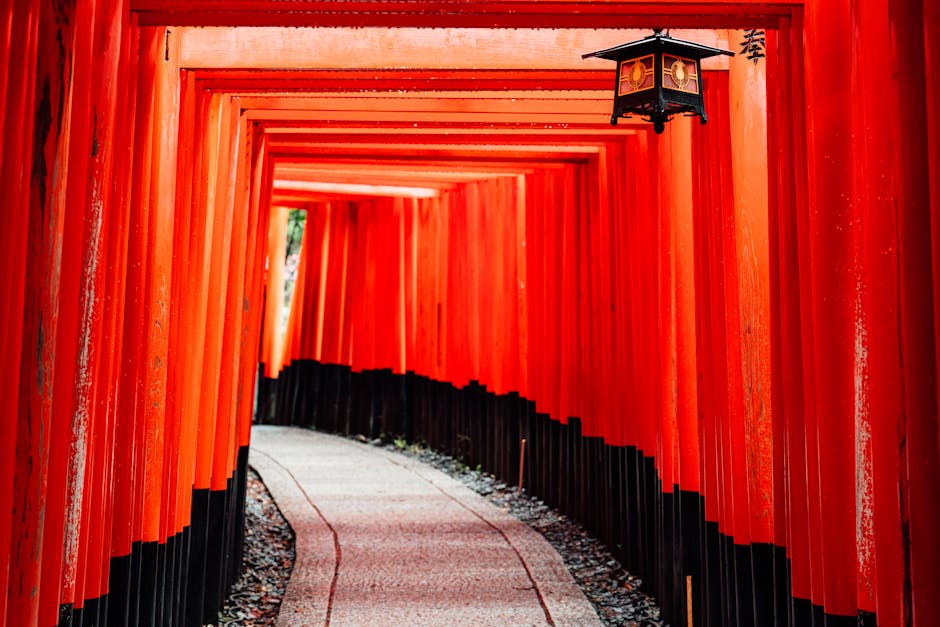
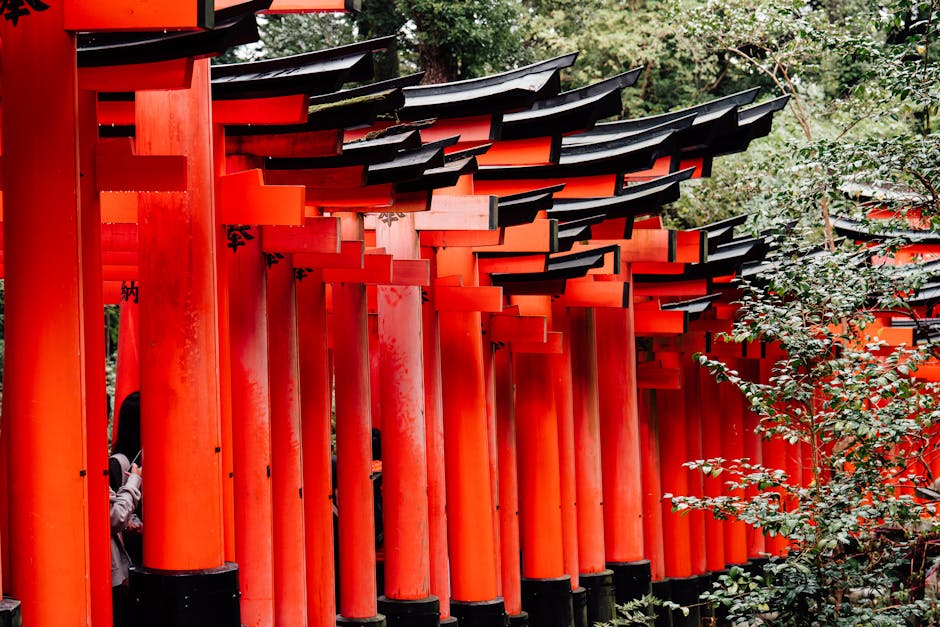
Ascend the sacred Mount Inari through thousands of vermillion torii gates on this challenging and spiritual self-guided walk in Kyoto.
 Easy
EasyKyoto, Japan
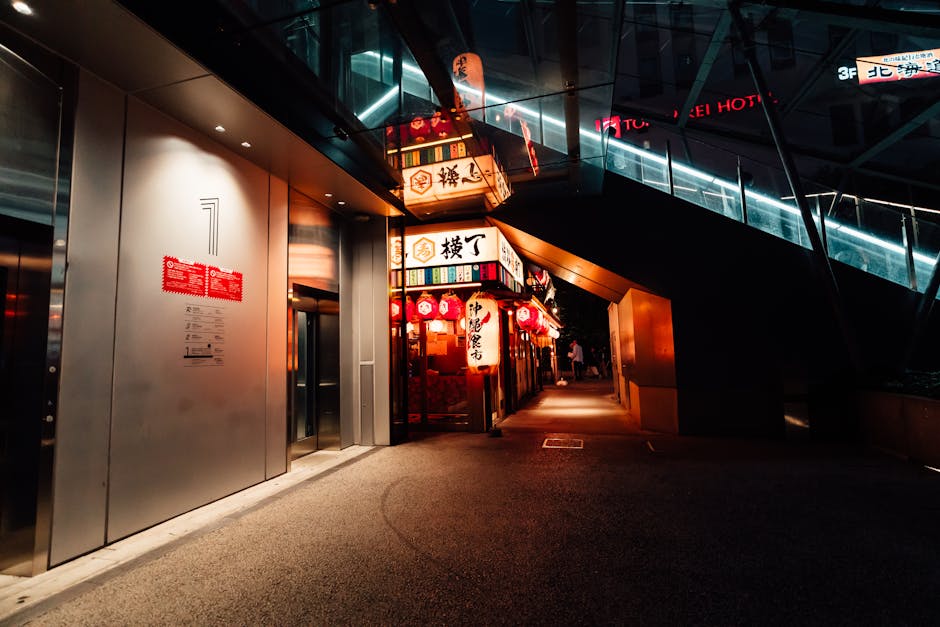
Explore Kyoto's most atmospheric alleyway. Discover geiko history, riverside dining, and hidden nightlife on this self-guided evening stroll.
 Moderate
Kyoto, Japan
Experience a serene self-guided walk along Kyoto's iconic Philosopher's Path, visiting Zen temples, hidden shrines, and the stunning Silver Pavilion.
 Easy
EasyGdansk, Poland
Taste the history of the Baltic. Explore Gdansk's culinary heritage from medieval markets to gold-flecked liqueurs on this self-guided walk.
 Easy
EasyInnsbruck, Austria
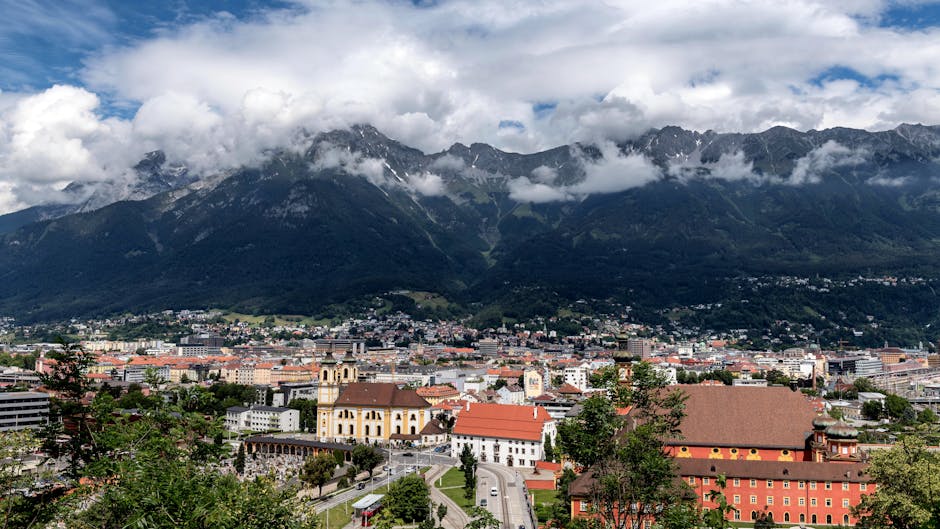
Discover the flavors of Tyrol on this self-guided stroll through Innsbruck’s historic Old Town and vibrant market hall.
 Easy
EasyGothenburg, Sweden
Discover Gothenburg’s maritime flavors on this self-guided walk through historic market halls and iconic seafood landmarks.
 Easy
EasyGothenburg, Sweden
Explore Gothenburg's elegant academic district, featuring grand 19th-century stone architecture and the iconic cultural hub of Götaplatsen.
 Moderate
Tokyo, Japan
Discover Tokyo's premier creative district on this self-guided walk through Roppongi’s world-class museums and striking modern architecture.
 Easy
EasyTokyo, Japan
Discover the 'Old Tokyo' charm of Yanaka on this self-guided walk through historic temples, artisan alleys, and a stunning torii gate shrine.
 Easy
EasyTokyo, Japan
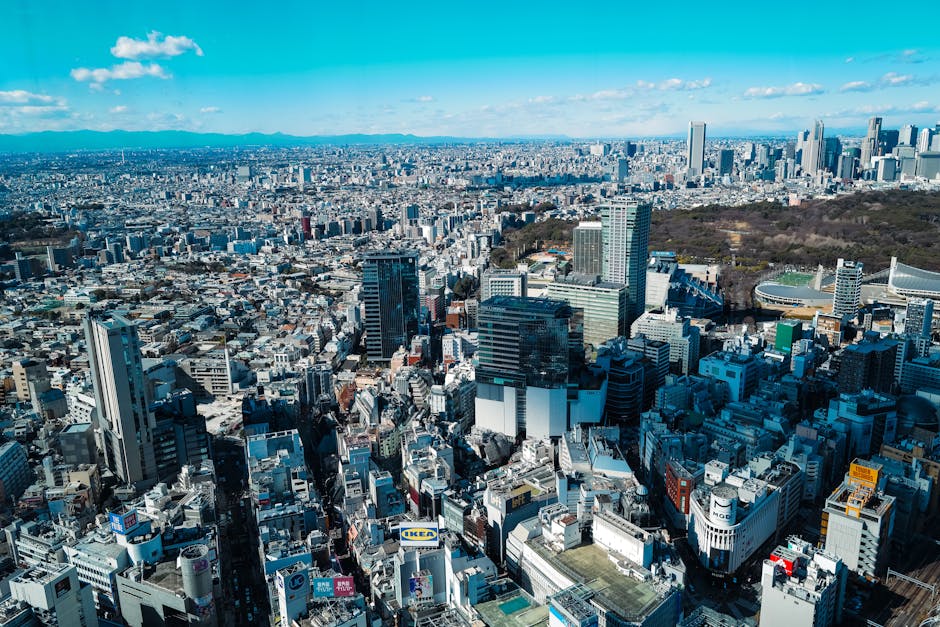
Experience Shibuya's electric energy on this self-guided walk from the iconic Scramble Crossing to the panoramic views of Shibuya Sky.
 Easy
EasyTokyo, Japan
Explore Tokyo's indie heart. From vintage fashion in Shimokitazawa to world-class art in Shinjuku, discover the city's creative soul independently.