Self-guided audio tour in Cork
Start Free on iPhone
Start free on iPhone to unlock this self-guided walking tour in Cork. Hear all the stories that make it amazing, walk at your own pace, and begin whenever you want.
Your Private Tour Guide
Perched on a ridge overlooking the River Lee, the Shandon neighborhood represents the historic soul of Cork’s northside. This self-guided walk invites you to explore a district defined by its industrial heritage and its iconic skyline. For centuries, this area was the powerhouse of the city’s economy, home to the Cork Butter Exchange, which was once the largest butter market in the world. As you navigate the steep, narrow streets, you will encounter the tangible remains of this global trade and the resilient community that grew around it. This walking route highlights the unique architectural character of Shandon, from the circular elegance of the Firkin Crane to the quiet, 18th-century sanctuary of Skiddys Almshouse. While many visitors are drawn to the famous Shandon Bells at St. Anne’s Church, this neighborhood stroll offers a deeper look at the social history of the area. You will discover how the butter trade shaped the city’s development and see how historic religious sites continue to anchor the community today. This is an ideal walking tour Cork offers for those who prefer to explore at their own pace, away from the more commercialized city center. Whether you are interested in industrial history, ecclesiastical architecture, or simply enjoying panoramic views of the city, this route provides a comprehensive introduction to one of Ireland's most atmospheric urban quarters. It is a moderate walk with some significant inclines, reflecting the hilly topography that gives Shandon its distinctive character.
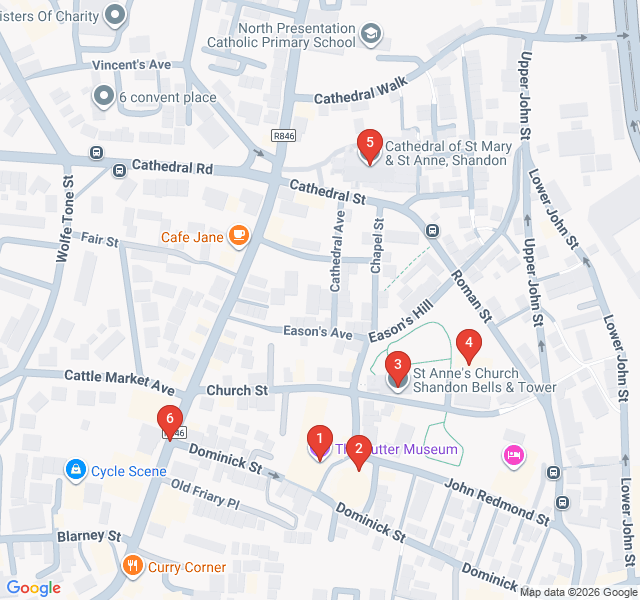
Numbers indicate the order of stops on the tour.
Start your self-guided adventure at the site where Cork once ruled the world’s dairy trade. In the 19th century, the Cork Butter Exchange was the largest of its kind globally, exporting Irish butter as far as Australia and the West Indies. The museum itself is housed in the historic exchange building. Inside, you can learn about the traditional craft of butter-making and how the 'Cork Brand' became a worldwide gold standard for quality. The development of this exchange was crucial to the growth of Cork as a major international port, transforming the Shandon area into a bustling commercial hub that supported thousands of local families.
Just steps away stands the Firkin Crane, a building whose name and shape tell the story of its past. A 'firkin' was a wooden barrel used for packing butter, and this circular building served as a weighing house for the exchange. Opened in 1855, its unique rotunda design allowed for the efficient movement of barrels. While it is now a premier center for dance and performance in Ireland, the architecture remains a striking monument to the neighborhood's industrial roots. Notice the limestone masonry and the way the building anchors the historic Shandon Craft Centre square.
Perhaps the most famous landmark in the city, St. Anne's Church was built in 1722. It is best known for its bells, which were immortalized in the song 'The Bells of Shandon.' A unique feature of the tower is its clock, known locally as the 'Four-Faced Liar' because, historically, the four faces rarely showed exactly the same time due to wind resistance on the hands. The tower’s walls are built of red sandstone and white limestone—the colors of Cork. If you choose to climb the tower, you can see the internal mechanism of the clock and even try your hand at ringing the famous bells.
Tucked away near the church is Skiddys Almshouse, a rare and peaceful example of 18th-century social architecture. Built around 1718, it is the oldest inhabited building in Cork. It was originally founded to provide housing for the 'virtuous poor' of the city, funded by a legacy from Stephen Skiddy. The building is arranged around a central courtyard with a distinctive arcade, reflecting a style of charitable housing that has largely disappeared from modern cities. It stands as a testament to the long history of community care and social structures within the Shandon district.
Commonly known as the 'North Cathedral,' this is the seat of the Catholic Bishop of Cork and Ross. Established in 1808, it stands in contrast to the Anglican St. Anne's nearby. The cathedral has undergone several major renovations, most notably after a fire in 1820 and a significant 1960s interior remodeling. It serves as a spiritual landmark for the northside community. The exterior features neo-Gothic elements and a massive tower that complements the Shandon skyline. Inside, the spacious nave and intricate carvings reflect the importance of this site in Cork's religious history during the 19th-century Catholic Emancipation.
Conclude your walking route on Shandon Street, the vibrant main artery of this historic quarter. This steep street has been a commercial heart for centuries, once filled with shops serving the workers of the butter trade. Today, it retains a gritty, authentic Cork character with a mix of traditional businesses and multicultural shops. As you walk down the hill toward the river, look back to see the Shandon Bells looming over the rooftops. This street captures the essence of the 'real' Cork—a place where history is lived every day on the doorstep of its residents.
Start Free on iPhone
Explore “Shandon Bells and Butter Traditions” with your very own Private Tour Guide with Zigway. Start free on iPhone, skip the large group and the fixed routes, and hear the city come alive as you go.
Your Private Tour Guide
Don't miss the good stuff
Explore Freely
 Easy
EasyCork, Ireland
Explore the architectural evolution of Cork on this self-guided walk across the iconic bridges of the River Lee's North and South channels.
 Easy
EasyCork, Ireland
Discover Cork’s literary heart on this self-guided walk through historic libraries, iconic bookshops, and academic landmarks.
 Easy
EasyCork, Ireland
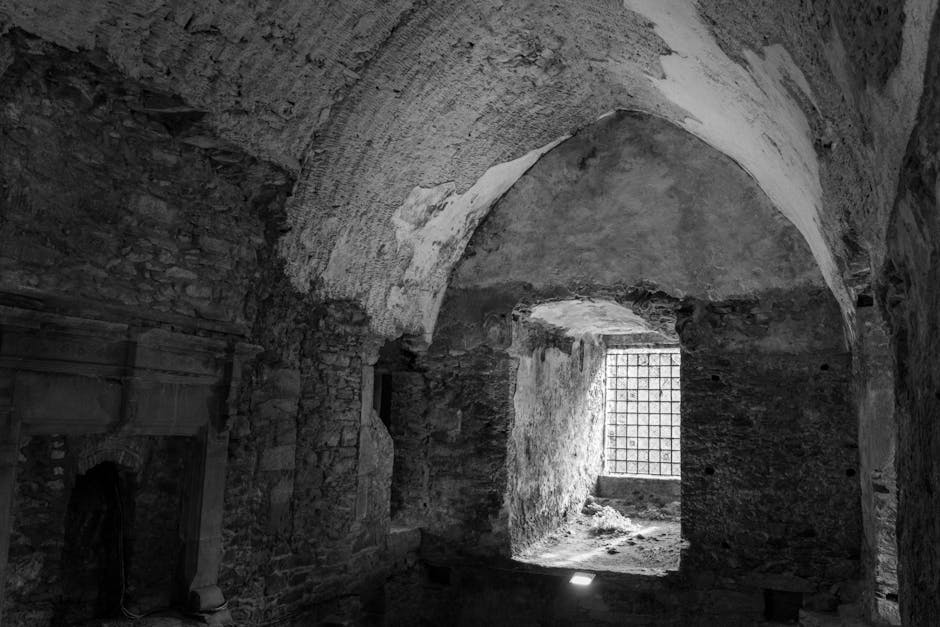
Explore the scenic River Lee, the iconic Shakey Bridge, and the historic Gothic architecture of University College Cork on this peaceful stroll.
 Easy
EasyCork, Ireland
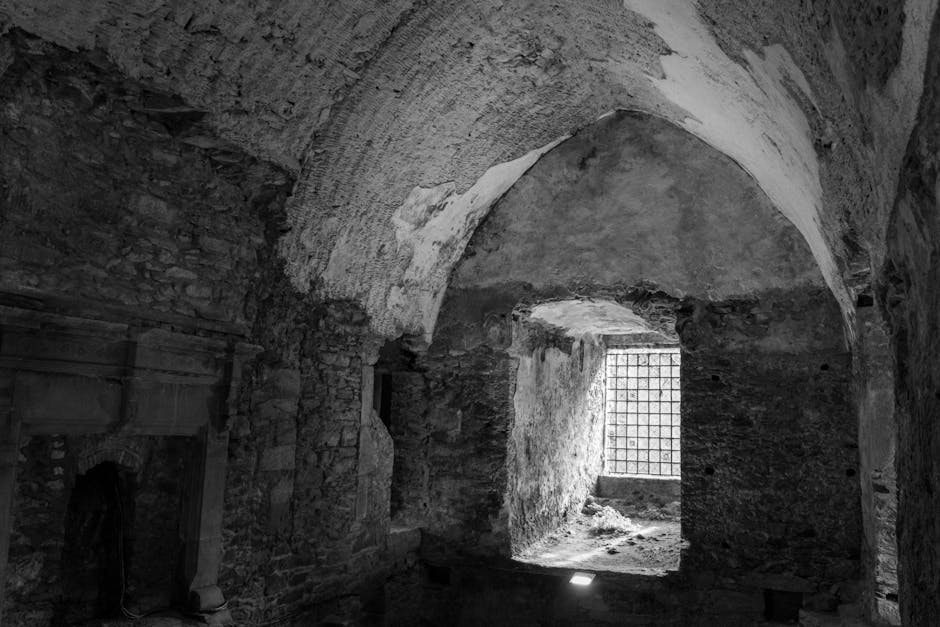
Explore Cork's vibrant urban gallery with this self-guided walk through the Ardú Street Art Trail's massive murals.
 Moderate
Vienna, Austria
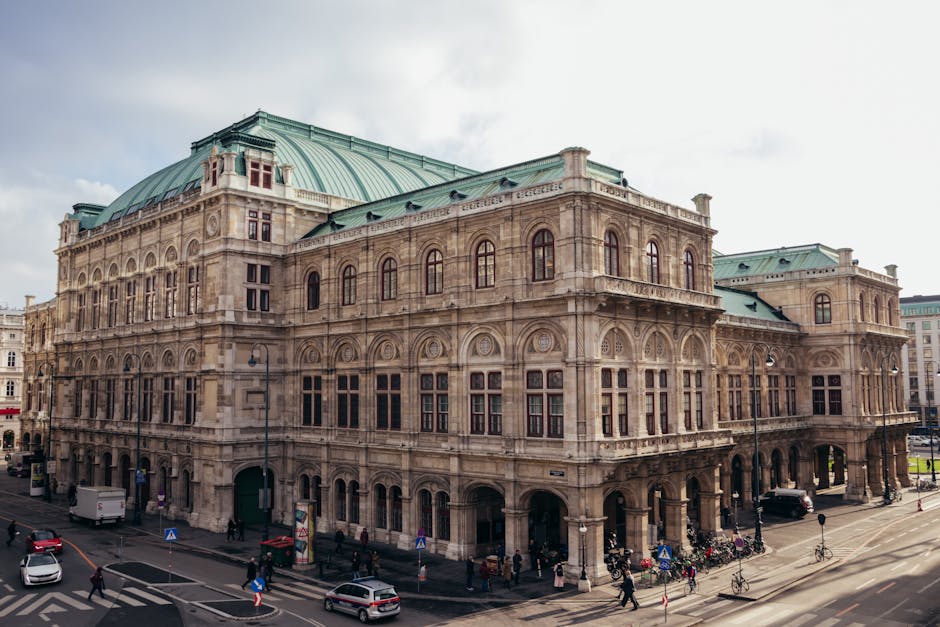
Discover the noir world of The Third Man and Cold War Vienna on this atmospheric self-guided audio walk through the historic Innere Stadt.
 Moderate
Gdansk, Poland
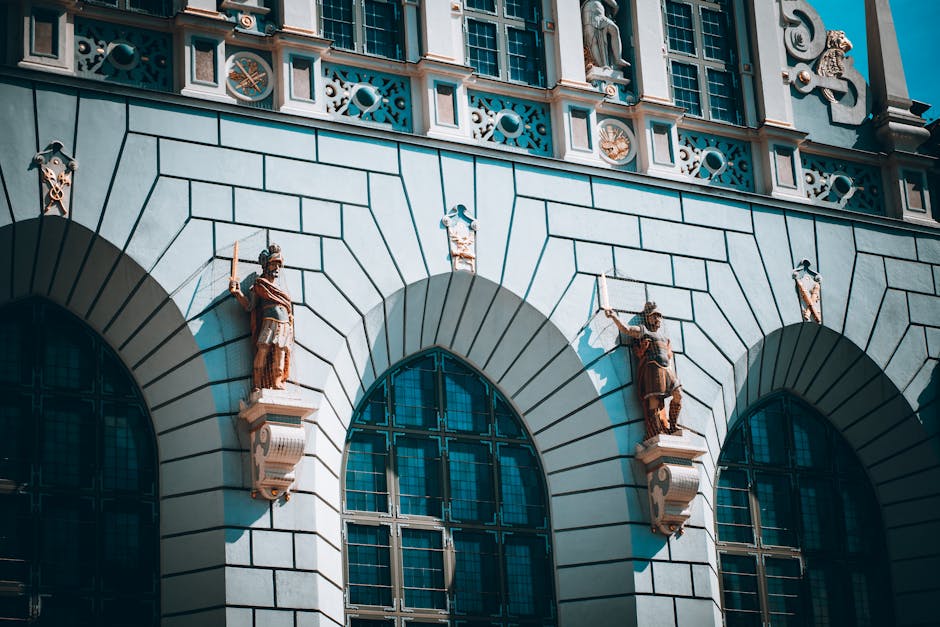
Discover the origins of WWII in Gdansk on this self-guided walk through heroic last stands, massive museums, and strategic hilltop fortifications.
 Moderate
Warsaw, Poland
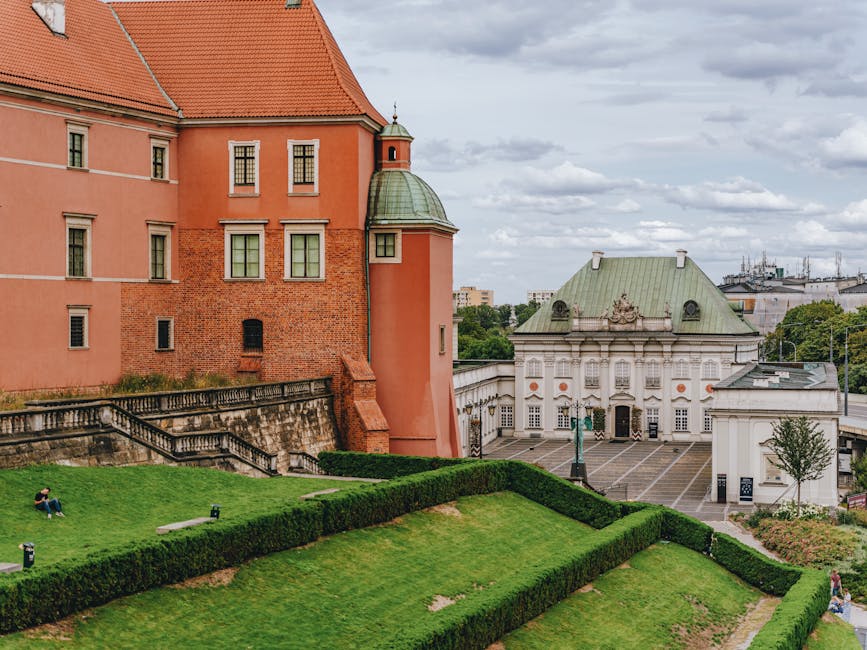
Explore the resilient spirit of Warsaw's Muranów district on this self-guided walk through the history and landmarks of the former Jewish Ghetto.
 Moderate
Warsaw, Poland
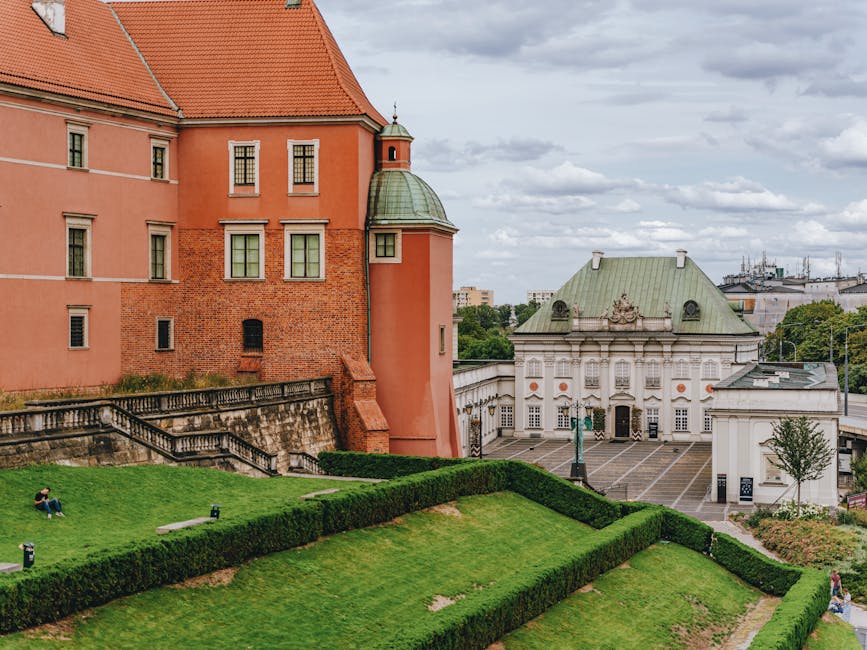
A powerful self-guided walk through Warsaw's WWII history, tracking the 1944 Uprising from ruined skyscrapers to solemn memorials.
 Easy
EasyDublin, Ireland
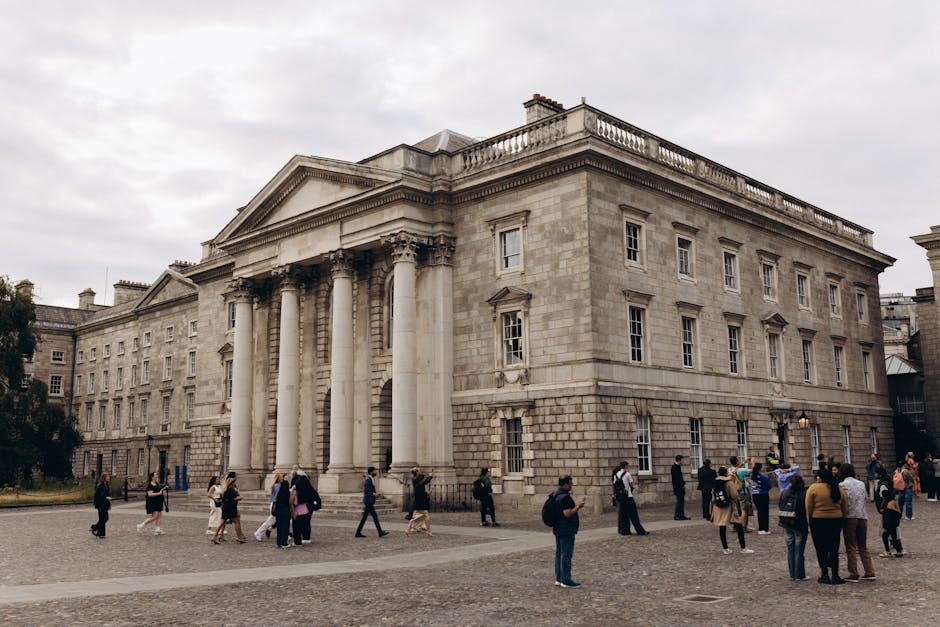
Explore Dublin's 'Silicon Docks' on this self-guided walk featuring futuristic bridges, famine history, and world-class modern architecture.
 Moderate
Dublin, Ireland
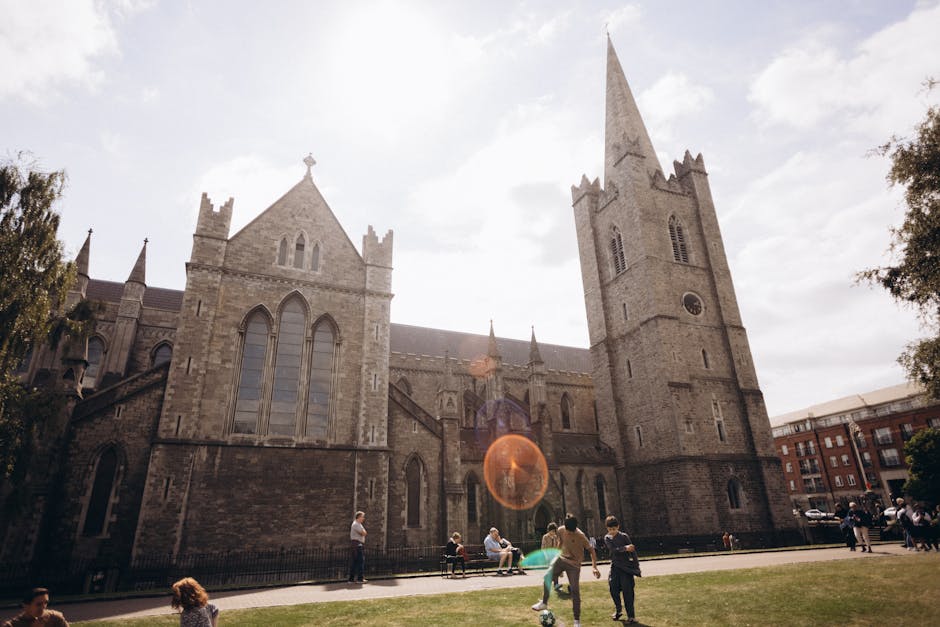
Uncover Dublin’s macabre history on this self-guided walk featuring mummies, medieval rebels, and the city’s most infamous legends.
 Moderate
Dublin, Ireland
Discover Dublin's poetic waterways and modern docks on this self-guided walk through leafy canals and glass-fronted tech hubs.
 Easy
EasyDublin, Ireland
Explore Dublin's storied streets at your own pace on this self-guided literary walk, from Joyce’s statues to Wilde’s colorful memorial.