Self-guided audio tour in Auckland
Start Free on iPhone
Start free on iPhone to unlock this self-guided walking tour in Auckland. Hear all the stories that make it amazing, walk at your own pace, and begin whenever you want.
Your Private Tour Guide
Embark on an independent exploration of the 'City of Sails' with this self-guided walking route along Auckland’s iconic waterfront. This journey invites you to witness the dramatic transformation of a gritty industrial port into a world-class maritime destination. As you stroll, you will peel back the layers of Auckland’s history, from its early colonial settlements to its modern identity as a global hub for yachting and innovation. This walking route offers the freedom to linger by the shimmering waters of the Waitematā Harbour or dive deep into the architectural stories behind the city’s most famous landmarks. Your adventure begins at Viaduct Harbour, a place that rose to international fame during New Zealand’s successful America’s Cup defenses. From there, you will cross the innovative Wynyard Crossing to enter the Wynyard Quarter, a masterclass in urban regeneration. Here, the industrial past is preserved through the towering cement silos of Silo Park and the repurposed fishing wharves of North Wharf. You’ll discover how the city has balanced its working-waterfront roots with a desire for public space and sustainable design. The second half of your neighborhood stroll takes you toward the historic heart of the harbor. You will encounter the striking Edwardian Baroque architecture of the Downtown Terminal, a building that has served as the gateway to Auckland’s islands for over a century. Finally, the route concludes at Queens Wharf, where historic cargo sheds stand alongside modern installations. This self-guided walk is perfect for history enthusiasts, architecture lovers, and anyone looking to experience the sea-breeze charm of Auckland at their own pace. Whether you are interested in the engineering of bascule bridges or the evolution of New Zealand’s maritime trade, this walking tour Auckland provides a comprehensive and flexible way to see the city’s liquid front door.
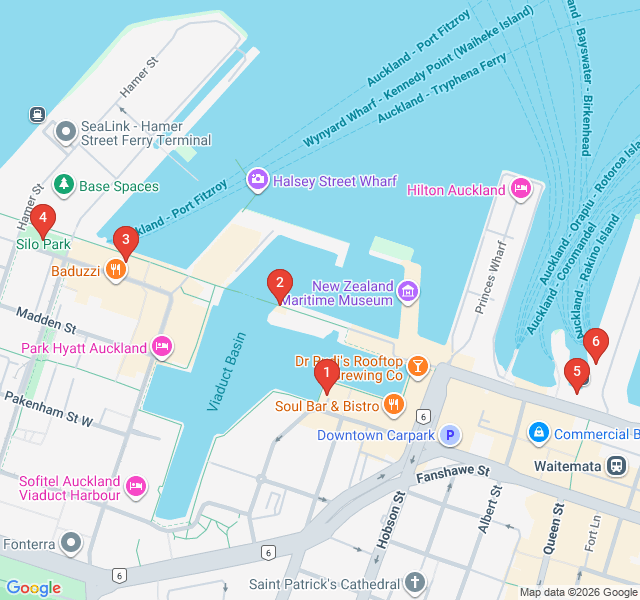
Numbers indicate the order of stops on the tour.
Welcome to Viaduct Harbour, the heartbeat of Auckland’s maritime scene. This area was once a humble commercial fishing port, but it underwent a massive transformation in the late 1990s to host the America’s Cup. As you walk along the quayside, look at the variety of vessels—from sleek racing yachts to massive luxury superyachts. This harbor isn't just about wealth, though; it represents New Zealand's deep-seated connection to the sea. The basin was originally created in the early 1900s to accommodate the timber trade and local fishing fleets. Today, it serves as a testament to how urban design can turn an industrial utility into a vibrant social hub while maintaining its nautical spirit.
Before you is the Wynyard Crossing, a vital link between the Viaduct and the newer Wynyard Quarter. This is a double-leaf bascule bridge, which means its two sections lift upward to allow boats to enter and exit the inner Viaduct basin. Since opening in 2011, it has become a favorite spot for locals to stop and watch the maritime traffic. When the sirens sound and the gates close, take a moment to appreciate the engineering. It’s a functional piece of infrastructure that doubles as a viewing platform, offering one of the best perspectives of the Auckland skyline and the Sky Tower reflecting in the water below.
As you step onto North Wharf, you are entering a space where the city meets the sea in a very literal way. This area was designed with the 'Sea+City' philosophy, ensuring that the working fishing industry wasn't pushed out by development. If you look toward the water, you might still see fishing trawlers unloading their catch. The architecture here is intentionally rugged, using shipping containers and heavy timber to honor the area's history. The promenade is lined with repurposed industrial buildings that now house eclectic eateries, but the real star is the atmosphere—a blend of salty sea air and modern urban energy that defines 21st-century Auckland.
Silo Park is perhaps the most striking example of Auckland’s industrial heritage being given a second life. The towering concrete structures you see were once used for storing bulk cement by the Golden Bay Cement company. Instead of tearing them down, the city preserved Silo 6 and the massive Silo 7 as landmarks. Today, they serve as canvases for art installations and backdrops for open-air cinema in the summer. The park’s design includes a 'wetland' area that filters stormwater before it enters the harbor, showing how the city is looking toward a sustainable future while keeping its industrial bones visible for all to see.
Moving back toward the city center, you arrive at the Downtown Terminal, dominated by the magnificent Auckland Ferry Building. Completed in 1912, this Edwardian Baroque masterpiece was built using Coromandel granite and Melbourne brick. For over a century, it has been the primary departure point for ferries heading to Devonport, Waiheke Island, and beyond. In the early 20th century, the harbor was the city's main highway, and this building was the grand entrance. Take a look at the ornate clock tower and the intricate stonework; it stands as a dignified reminder of a time when the ferry was the most sophisticated way to travel.
Your walk concludes at Queens Wharf, a site that was closed to the public for nearly a century while it served as a secure shipping terminal. It was reopened in 2011 and now serves as a major public space and cruise ship terminal. Here you can see Shed 10, the last remaining original cargo shed on the waterfront, dating back to 1910. Contrast that with 'The Cloud,' a modern structure built for the Rugby World Cup. From the end of the wharf, you can look out over the Waitematā Harbour toward the volcanic cone of Rangitoto Island, reflecting on how this shoreline has evolved from a colonial trading post to the vibrant, open space it is today.
Start Free on iPhone
Explore “Sails and Settlements: Auckland's Waterfront Heritage” with your very own Private Tour Guide with Zigway. Start free on iPhone, skip the large group and the fixed routes, and hear the city come alive as you go.
Your Private Tour Guide
Don't miss the good stuff
Explore Freely
 Easy
EasyAuckland, New Zealand
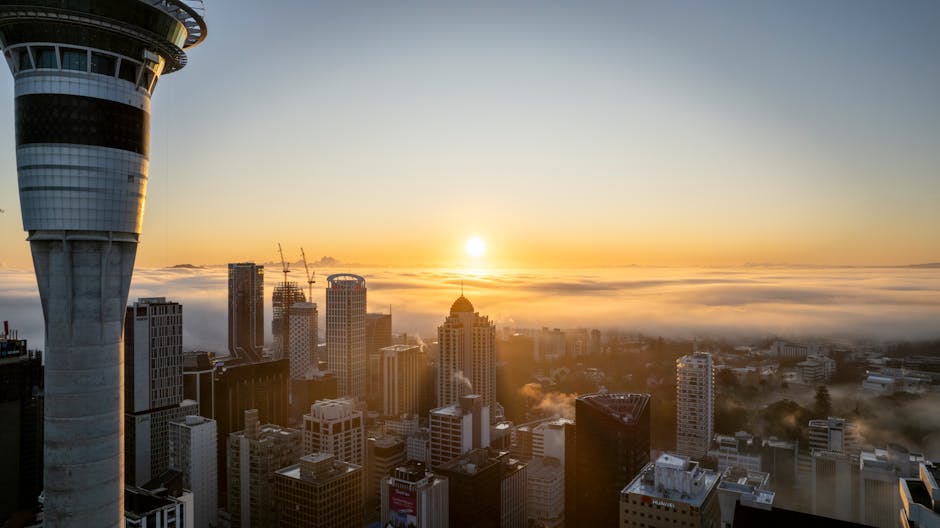
Discover Auckland's sustainable future on this self-guided walk through the award-winning architecture and industrial history of Wynyard Quarter.
 Moderate
Auckland, New Zealand
Discover Auckland's highest volcanic peak, sacred Māori history, and stunning 360-degree views on this self-guided walking route up Maungawhau.
 Easy
EasyAuckland, New Zealand
Explore the gritty soul of Auckland on this self-guided walk through Karangahape Road’s street art, heritage, and legendary nightlife spots.
 Moderate
Auckland, New Zealand
Explore Auckland's iconic coastline, Art Deco architecture, and Maori heritage on this scenic self-guided walking route from Bastion Point to the Bay.
 Easy
EasyGothenburg, Sweden
Explore Gothenburg's maritime soul on this self-guided walk from historic shipyards to sleek modern piers and iconic industrial landmarks.
 Easy
EasyGdansk, Poland
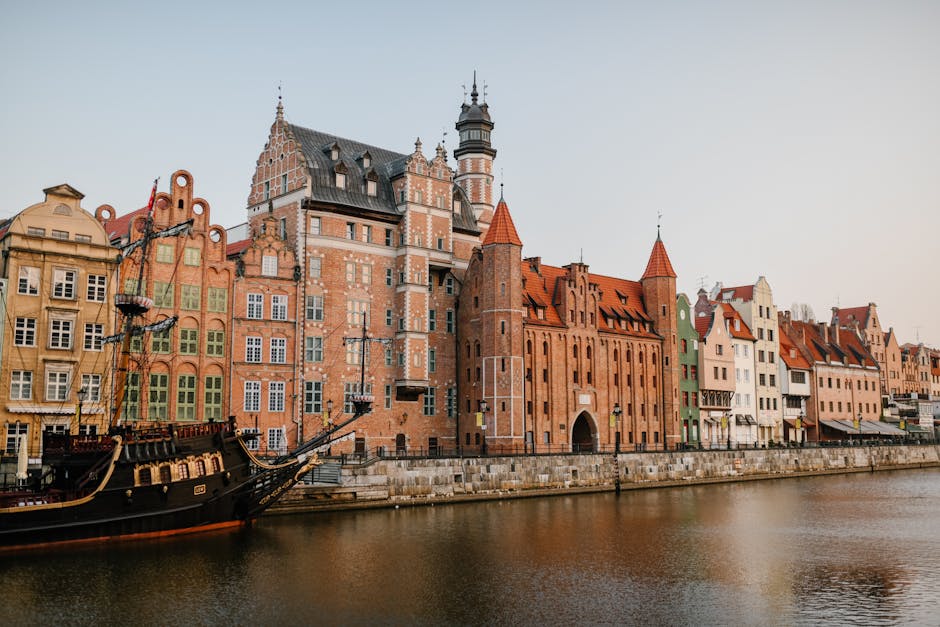
Discover the opulent Royal Way of Gdansk at your own pace. Explore Hanseatic history, gilded architecture, and the iconic Neptune's Fountain.
 Easy
EasyGdansk, Poland
Discover the 'Baltic Gold' on this self-guided walk through Gdansk's historic mills, massive cathedrals, and the magical Mariacka Street.
 Easy
EasyHelsinki, Finland
Discover Helsinki's oldest neighborhood on this self-guided audio walk through Kruununhaka’s historic streets, hidden courtyards, and scenic shores.
 Challenging
Wellington, New Zealand
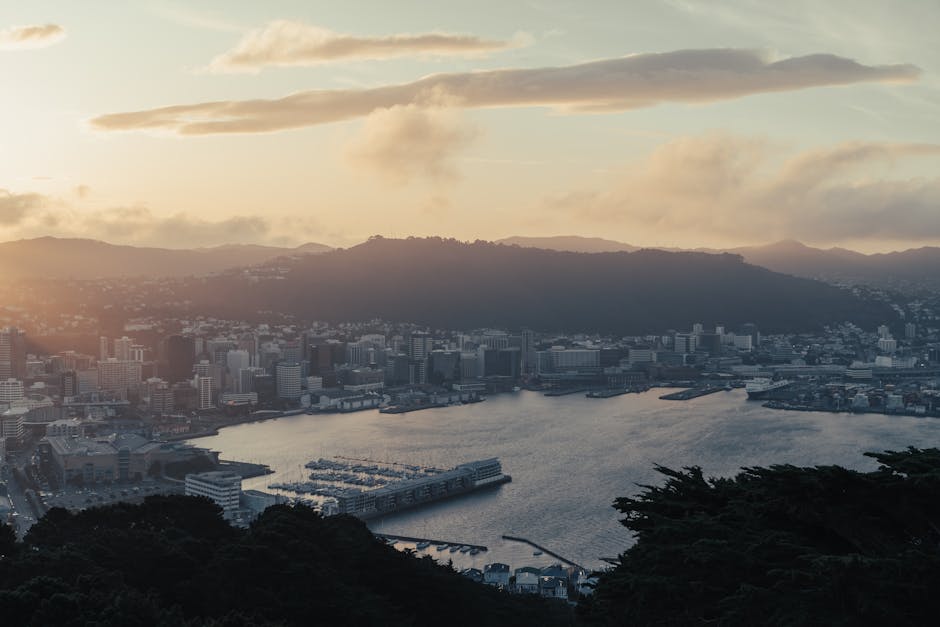
Explore cinematic forests and 360-degree harbor views on this self-guided walk to Wellington's iconic Mount Victoria summit.
 Easy
EasyWellington, New Zealand
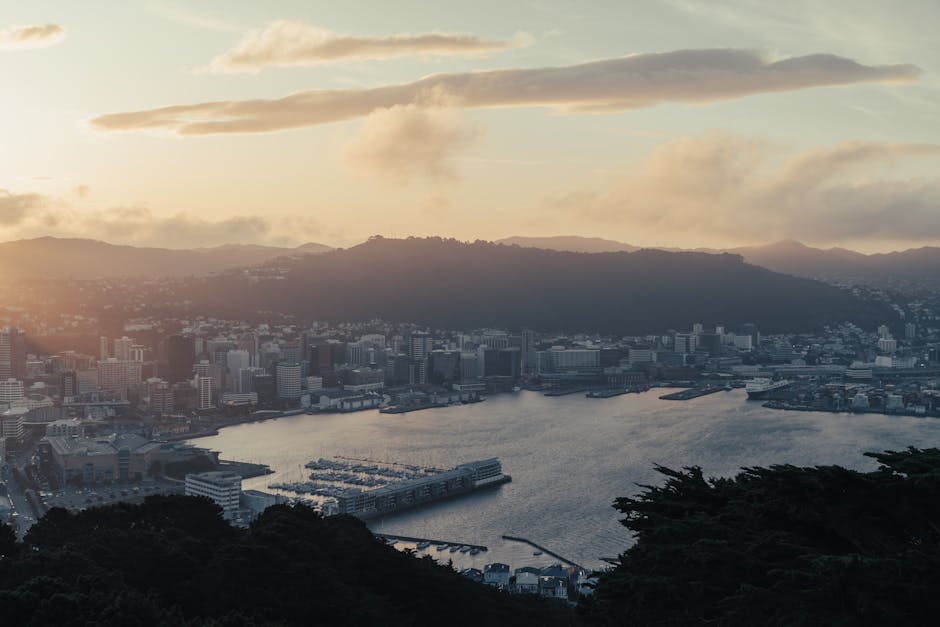
Discover iconic sculptures and harbor views on this easy self-guided walk along Wellington's vibrant waterfront.
 Moderate
Wellington, New Zealand
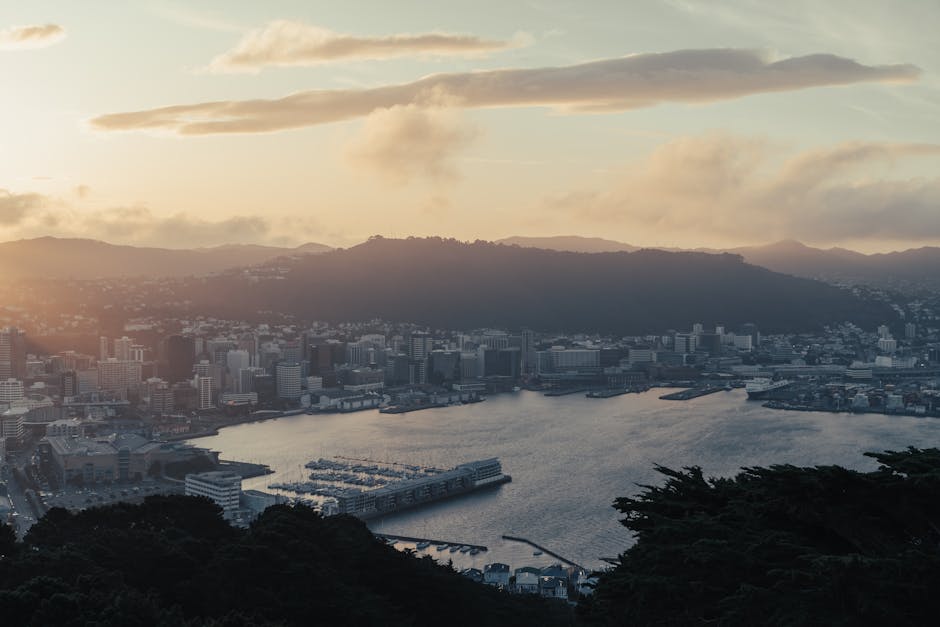
Discover panoramic views, celestial history, and lush floral displays on this scenic self-guided stroll from Kelburn heights to the city center.
 Easy
EasyWellington, New Zealand
Uncover Wellington’s hidden history and haunted theaters on this atmospheric self-guided walk through the city's dark past and vibrant nightlife.