Self-guided audio tour in Brisbane
Start Free on iPhone
Start free on iPhone to unlock this self-guided walking tour in Brisbane. Hear all the stories that make it amazing, walk at your own pace, and begin whenever you want.
Your Private Tour Guide
Step into the neon-soaked heartbeat of Brisbane with this self-guided neighborhood stroll through Fortitude Valley. Known locally as 'The Valley,' this district is Australia’s first dedicated entertainment precinct, a place where high-society ballrooms once stood and where the nation’s indie rock scene found its voice in the 1990s. This walking route invites you to uncover the layers of history hidden behind heritage facades and beneath the glow of modern signage. Whether you are a music lover or a history buff, you will discover how a former retail hub transformed into a gritty, vibrant center for nightlife and creativity. On this walking route, you will trace the evolution of the city's social life. The journey begins at the site of the legendary Cloudland, a venue whose controversial demolition in the 1980s still echoes in the city's cultural memory. From there, you will explore iconic music venues that have hosted global superstars and local legends alike. The Valley is a place of contrasts, where grand 1930s department stores like McWhirter’s now overlook a bustling pedestrian mall filled with street performers and late-night revelers. As you navigate the flat, easy-to-walk streets, this audio walk provides the context that casual visitors often miss. You will learn about the 'Fitzgerald Inquiry' era that shaped the neighborhood's reputation and see how the area has reinvented itself as a hub for boutique hotels and rooftop bars. This walking tour Brisbane experience is designed for independence; you can stop for a drink at a historic pub or browse the local boutiques whenever you choose. By the time you reach the Art Deco elegance of The Tivoli, you will understand why The Valley remains the undisputed soul of Brisbane’s music scene. It is a journey through decades of rebellion, rhythm, and resilience. **Note:** This area is known for its ever-changing character. Street art, pop-up venues, and temporary exhibitions may differ from what's described. That's part of the adventure - you might discover something entirely new!
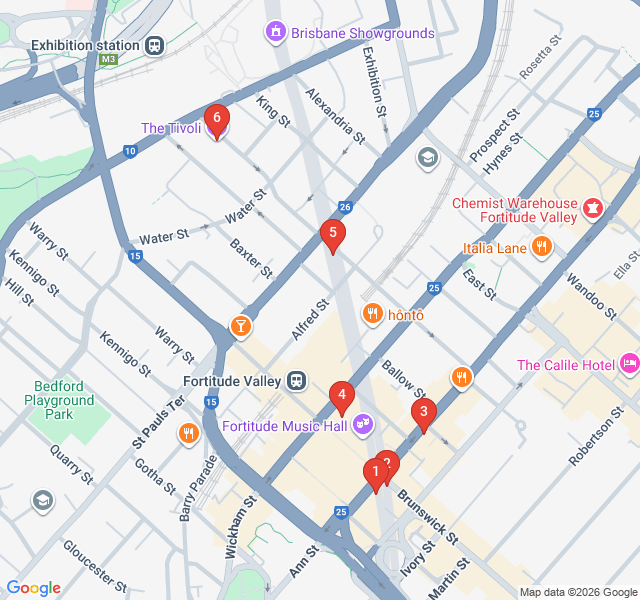
Numbers indicate the order of stops on the tour.
You are standing near the site of what was once Australia's most famous ballroom. Opened in 1940 as 'Luna Park,' Cloudland was an architectural marvel with a retractable roof and a sprung dance floor. For decades, it was the social peak of Brisbane, hosting everyone from American GIs during WWII to rock legends like Buddy Holly and AC/DC. Its story ended in tragedy for heritage lovers; in 1982, the 'Midnight Express' demolition crew tore it down in the dead of night, sparking public outrage. While the physical building is gone, its spirit as a symbol of Brisbane’s nightlife remains a cornerstone of The Valley's identity.
The Empire Hotel has stood as a sentinel at the gateway of the Valley since the late 1800s. The current building, dating back to the 1930s, reflects the era when this district was a premier shopping destination. Notice the classic pub architecture that has survived through the Valley’s many transformations. In the late 20th century, hotels like this were the backdrop for a more turbulent era of Brisbane’s history, serving as meeting points for the colorful characters that defined the neighborhood's 'gritty' years. Today, it represents the successful blend of heritage preservation and modern nightlife culture.
Look up to the first floor of this unassuming building to find The Zoo. For over 30 years, this venue was the beating heart of Brisbane’s independent music scene. Founded by Joc Curran and C.P. Collins in 1992, it was a fiercely independent, female-run space that hosted acts like Silverchair, The Pixies, and Lorde before they were global stars. The Zoo became a sanctuary for the 'Brisbane Sound' and proved that a small, sweaty room in the Valley could have a massive impact on the international stage. Please note that while venues in the Valley may change ownership or focus, the cultural legacy of this spot is etched into the city's musical DNA.
Dominating the corner of Wickham and Brunswick Streets is the massive McWhirter’s building. This was once the largest department store in Queensland, a rival to the great shops of London and New York. The stunning Art Deco facade you see today was completed in the 1930s, featuring intricate masonry and grand windows. As the Valley shifted from a retail hub to an entertainment district, McWhirter’s evolved too, eventually being converted into apartments and a bustling marketplace. It stands as a reminder of the Valley's wealthy mercantile past and its ability to adapt to the changing needs of the city.
As you move toward Constance Street, you'll notice a shift toward the modern Valley. This area has become a canvas for Brisbane's street art scene, with large-scale murals often appearing on the brick walls of old warehouses. The LyLo Brisbane site (formerly the Limes Hotel) helped pioneer the 'rooftop bar' culture that defines Brisbane’s social life today. The mix of industrial heritage and sleek modern design here shows how the Valley has moved from its rough-around-the-edges reputation toward a more polished, boutique experience without losing its creative edge. Keep an eye out for temporary art installations that frequently pop up in this precinct.
The final stop is The Tivoli, affectionately known as 'The Tiv.' Originally built in 1917 as a bakery and later used as a library, it was transformed in the 1980s into a performance space modeled after the Paradis Latin in Paris. With its Art Deco interior and incredible acoustics, it is consistently voted one of Australia's best live music venues. It has hosted legends like Bob Dylan and Prince. Standing here at the edge of the Valley, you can see how the neighborhood's history is a cycle of repurposing old spaces for new creative energy. The Tivoli remains a vital, living monument to the power of live performance in Brisbane.
Start Free on iPhone
Explore “The Valley's Music and Neon History” with your very own Private Tour Guide with Zigway. Start free on iPhone, skip the large group and the fixed routes, and hear the city come alive as you go.
Your Private Tour Guide
Don't miss the good stuff
Explore Freely
 Moderate
Brisbane, Australia
Explore Brisbane's iconic riverfront architecture and skyline views on this scenic self-guided photography walk across the city's famous bridges.
 Easy
EasyBrisbane, Australia
Explore Brisbane’s bohemian heart on this self-guided walk through West End’s global food scene and historic parks.
 Easy
EasyBrisbane, Australia
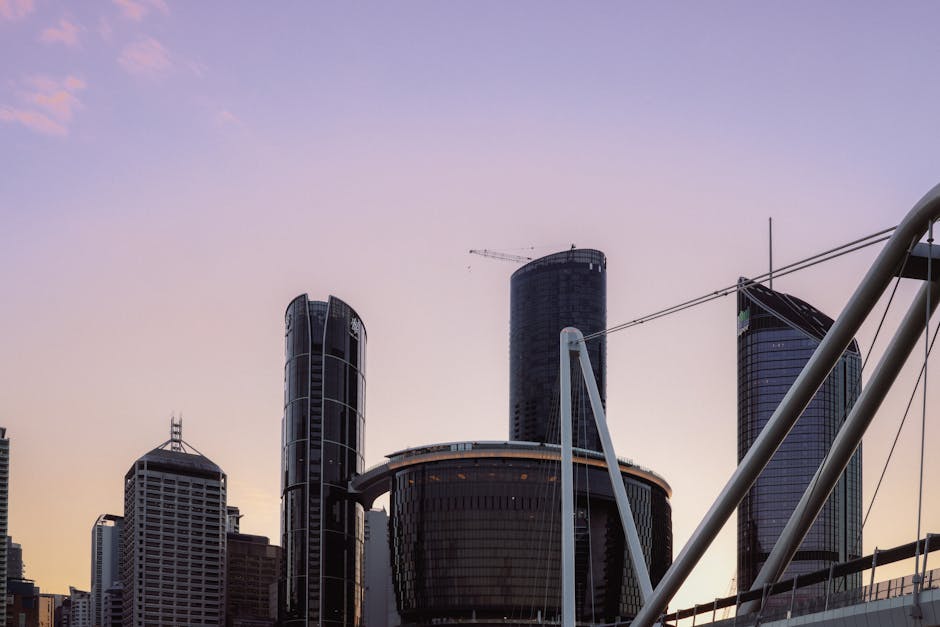
Discover Brisbane’s architectural gems on this self-guided stroll through the South Bank Cultural Precinct’s iconic galleries and gardens.
 Moderate
Brisbane, Australia
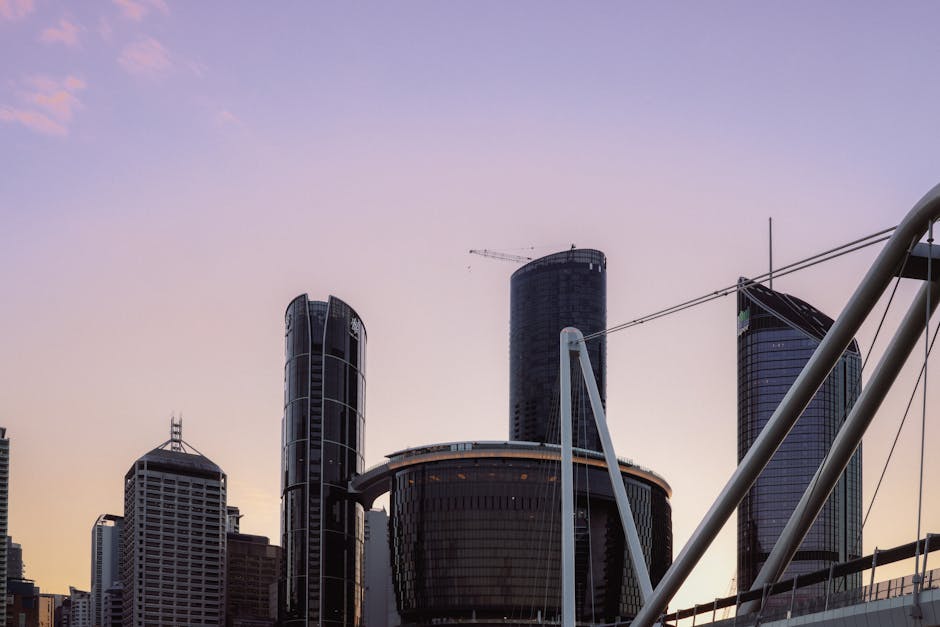
A scenic self-guided stroll from the lush City Botanic Gardens to the dramatic volcanic cliffs and panoramic river views of Kangaroo Point.
 Easy
EasyVienna, Austria
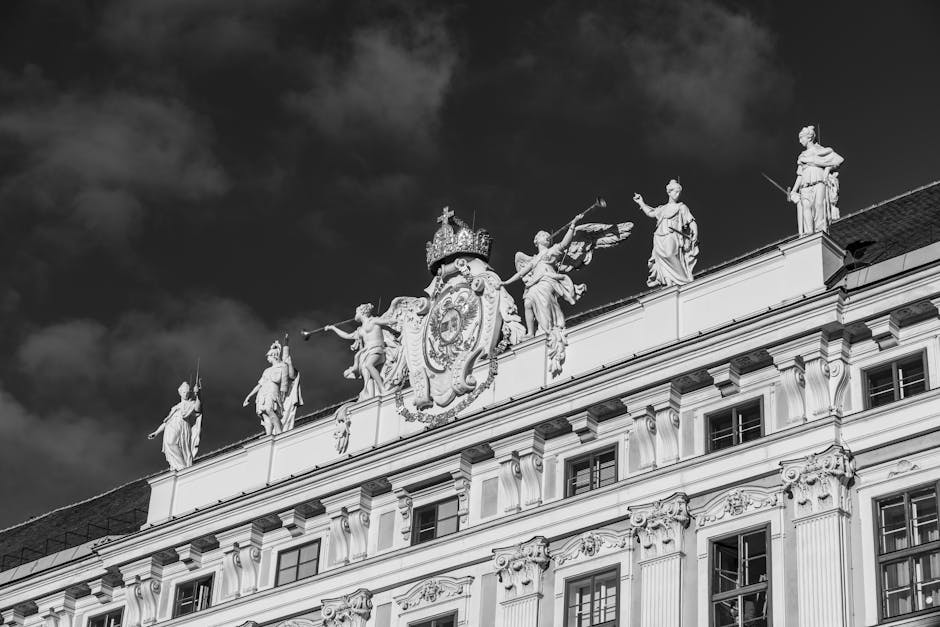
Explore Vienna’s vibrant open-air gallery along the Danube Canal on this self-guided street art and nightlife stroll through Leopoldstadt.
 Easy
EasyKrakow, Poland
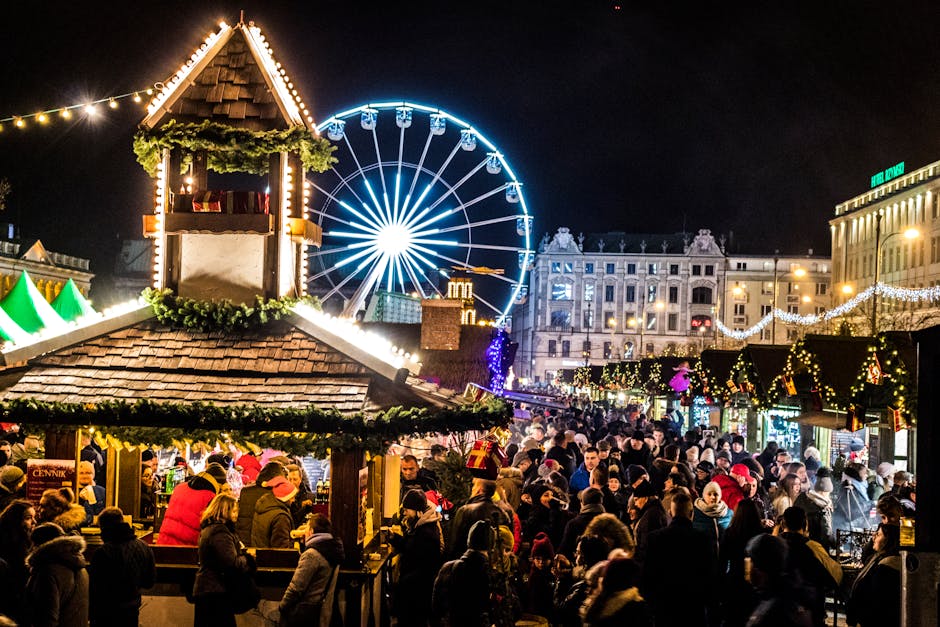
Explore Krakow's hidden nightlife with this self-guided walk through medieval cellars, jazz clubs, and bohemian bars in the Old Town and Kazimierz.
 Easy
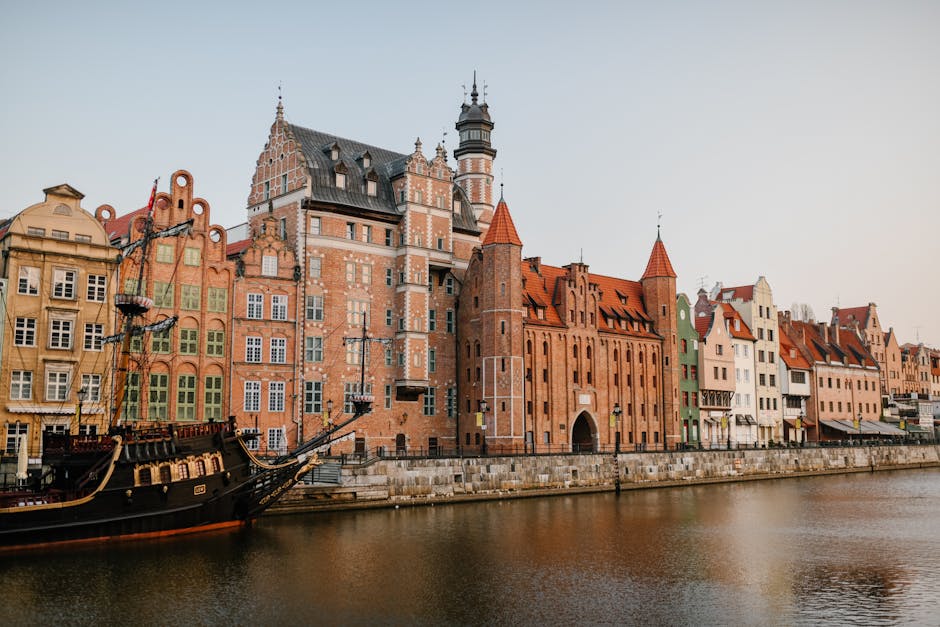
EasyGdansk, Poland
Discover the neon-lit rebirth of Gdansk's shipyards on this self-guided walk through industrial food halls, container bars, and legendary clubs.
 Easy
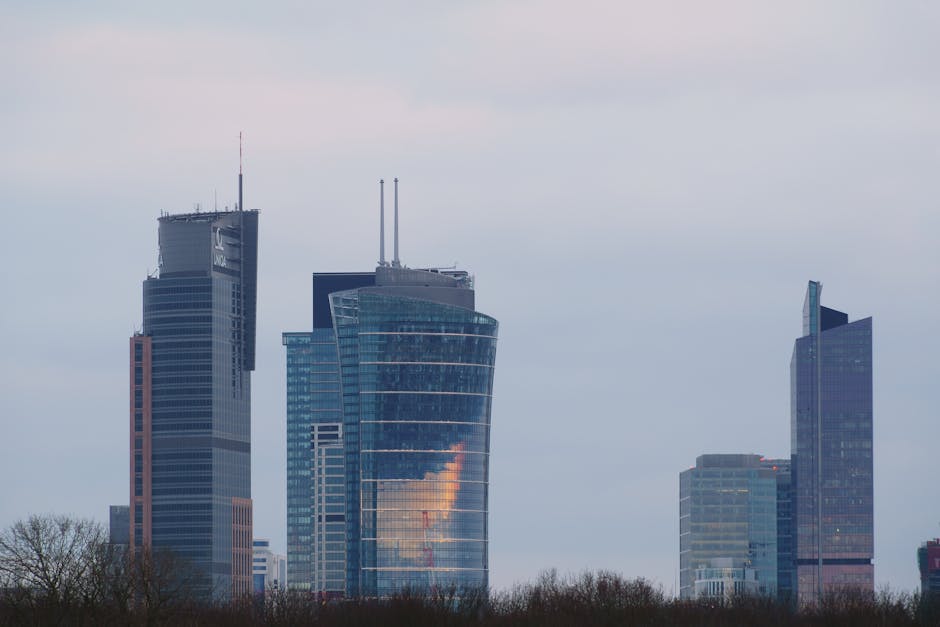
EasyWarsaw, Poland
Discover the hidden courtyards and grand pre-war architecture of Warsaw's most atmospheric neighborhood on this self-guided stroll.
 Easy
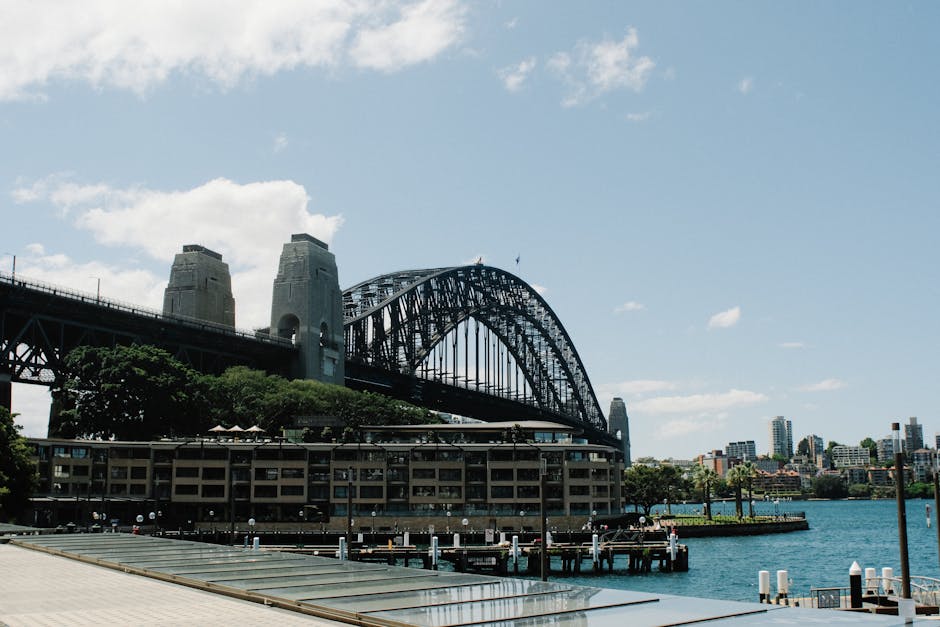
EasySydney, Australia
Explore Sydney’s boldest waterfront precinct on this self-guided walk through modern architecture and reclaimed natural landscapes.
 Easy
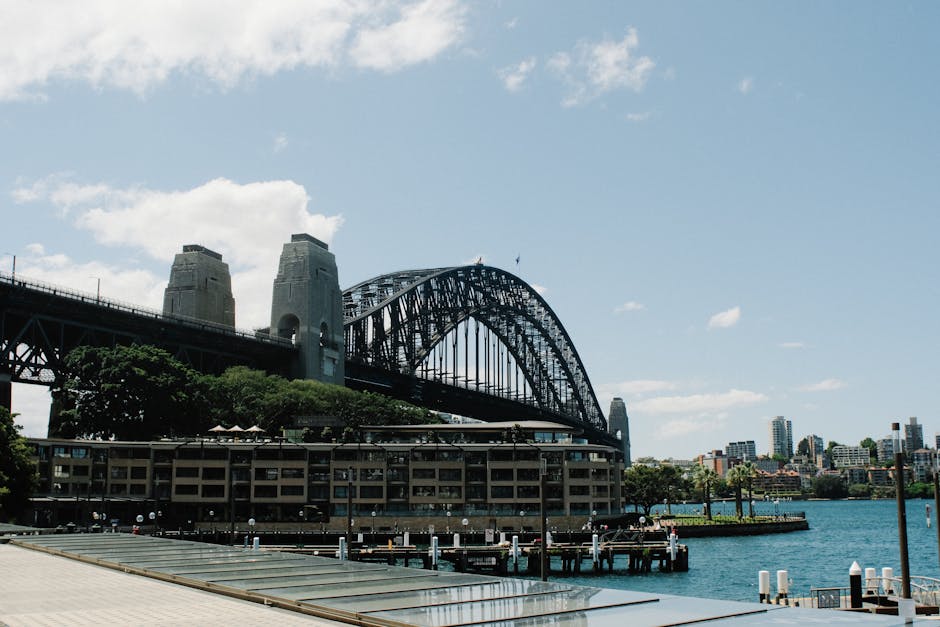
EasySydney, Australia
Discover Sydney's most stylish neighborhood on this self-guided walk through Art Deco gems and bohemian history.
 Moderate
Sydney, Australia
Explore Surry Hills' creative soul on this self-guided walk through Sydney’s premier coffee, art, and fashion district.
 Moderate
Sydney, Australia
Explore the rugged maritime history and stunning harbor views of Sydney's historic Balmain peninsula on this self-guided walk.