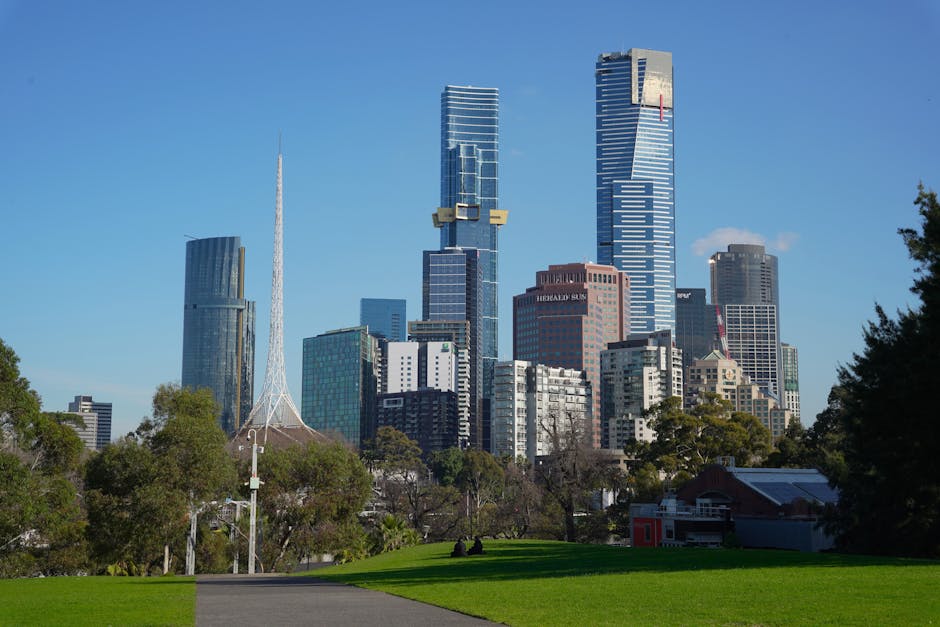
Self-guided audio tour in Melbourne
Start Free on iPhone
Start free on iPhone to unlock this self-guided walking tour in Melbourne. Hear all the stories that make it amazing, walk at your own pace, and begin whenever you want.
Your Private Tour Guide
Step back into the 1850s, an era when Melbourne transformed from a struggling colonial outpost into one of the wealthiest cities on earth. This self-guided walk explores the architectural legacy of the Victorian Gold Rush, a period of unprecedented prosperity that earned the city the title 'Marvellous Melbourne.' As you follow this walking route through the eastern edge of the CBD and into the leafy fringes of Carlton, you will encounter the grand civic buildings and cultural landmarks that defined the British Empire's southern jewel. The journey begins at the State Library Victoria, a temple of knowledge that rose from the gold fields' riches, and takes you past the ornate facades of Spring Street, where politics and high society converged. You will discover the stories behind the unfinished grandeur of Parliament House and the ghostly legends of the Princess Theatre. This neighborhood stroll captures the essence of 19th-century ambition, where Renaissance Revival and Second Empire styles were used to signal Melbourne's arrival on the world stage. Whether you are an architecture enthusiast or a history buff, this audio walk provides the context to understand how gold shaped the city's DNA. The route concludes at the majestic Royal Exhibition Building, a UNESCO World Heritage site that stands as a testament to the international exhibitions of the late 1800s. Along the way, you can admire the intricate ironwork, bluestone foundations, and soaring domes that make this area a premier destination for those seeking a walking tour Melbourne experience. Explore at your own pace, stopping for a coffee in the gardens or a photo of the city's iconic landmarks. While many visitors opt for a traditional guided tour Melbourne offers, this self-guided approach allows you to linger at the details that fascinate you most, from the gold vaults of the Old Treasury to the luxury of the Hotel Windsor.
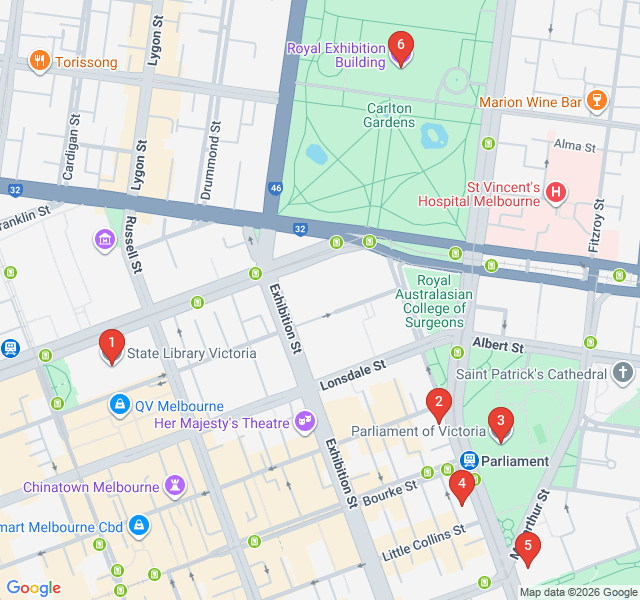
Numbers indicate the order of stops on the tour.
Begin your exploration at the State Library Victoria, established in 1854. This institution was a bold statement of cultural intent for a young colony. The highlight is the La Trobe Reading Room, opened in 1913. When it was completed, its octagonal dome was the largest reinforced concrete structure of its kind in the world. It was designed to hold over a million books and 320 readers. Notice the neoclassical exterior, which was intended to reflect the democratic ideals of the era. The library was free to everyone over the age of 14, provided they had clean hands—a revolutionary concept at the time. Today, it remains a vibrant hub for researchers and visitors alike.
A short walk brings you to the Princess Theatre, an architectural masterpiece of the Second Empire style. Opened in 1886, it features a unique opening roof that provided ventilation in the days before air conditioning. The theater is also famous for its resident ghost, Frederick Federici, an opera singer who suffered a fatal heart attack during a performance in 1888. To this day, the theater staff keeps a seat vacant for him in the dress circle on every opening night. Look up at the 'Angel of the Arts' crowning the facade, a symbol of the high-culture aspirations that gold wealth brought to Melbourne’s entertainment scene.
Standing atop the hill on Spring Street, the Parliament of Victoria is one of the most significant buildings in Australia. Construction began in 1855, but the building you see today is technically unfinished; the original plans included a massive central dome that was never built due to the economic depression of the 1890s. Despite this, its Roman Doric columns and grand steps project immense power. This building served as the meeting place of the Federal Parliament of Australia from 1901 until 1927. The interiors, which can often be viewed on non-sitting days, are even more opulent, featuring extensive use of gold leaf and intricate wood carvings.
Across from Parliament House sits the Hotel Windsor, known affectionately as the 'Grand Duchess of Spring Street.' Opened in 1883 as 'The Grand,' it predates the famous Savoy in London and the Waldorf Astoria in New York. This hotel was the site where the Constitution of Australia was drafted in 1898. Its architecture is a blend of Victorian and Renaissance Revival styles. For over a century, it has hosted royalty, celebrities, and politicians. While you explore the exterior, imagine the high-society balls and political deals that took place behind its heavy doors. It remains one of the few surviving grand 19th-century hotels in the world.
The Old Treasury Building is considered one of the finest examples of Renaissance Revival architecture in Australia. Designed by a 19-year-old architect named J.J. Clark and completed in 1862, its primary purpose was to store the vast quantities of gold coming from the Victorian diggings. If you go inside, you can still see the original bluestone gold vaults in the basement. The building’s elegant proportions and refined stonework were intended to convey a sense of stability and permanence during a time of rapid, chaotic growth. It now serves as a museum dedicated to the history of Melbourne and its governance.
Your walk concludes at the Royal Exhibition Building, the first building in Australia to be awarded UNESCO World Heritage status. Completed in 1880 for the Melbourne International Exhibition, it was designed by Joseph Reed, who drew inspiration from the Florence Cathedral and the Rundbogenstil of Germany. It is a triumphant symbol of the 'International Exhibition' movement. In 1901, it hosted the opening of the first Parliament of Australia. Surrounded by the beautiful Carlton Gardens, the building’s Great Hall and soaring dome remain as impressive today as they were over 140 years ago. It stands as the ultimate monument to the wealth and ambition of the Gold Rush era.
Start Free on iPhone
Explore “Gold Rush Grandeur and Victorian Splendor” with your very own Private Tour Guide with Zigway. Start free on iPhone, skip the large group and the fixed routes, and hear the city come alive as you go.
Your Private Tour Guide
Don't miss the good stuff
Explore Freely
 Easy
EasyMelbourne, Australia
Discover St Kilda's bohemian charm, iconic Luna Park, and wild penguin colony on this scenic self-guided bayside stroll.
 Easy
EasyMelbourne, Australia
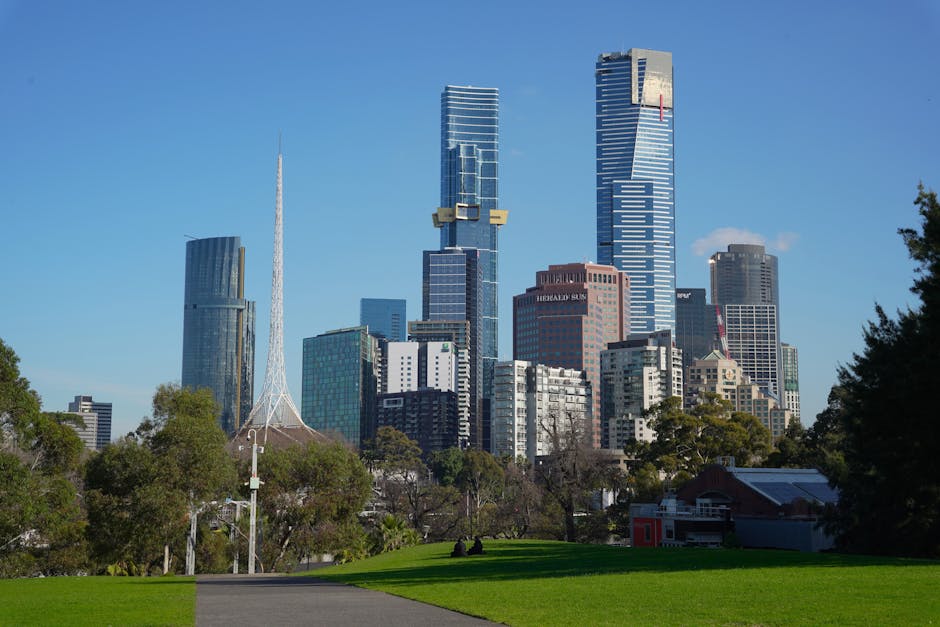
Explore Melbourne's futuristic waterfront on this self-guided walk through Docklands, featuring iconic architecture and quirky public art.
 Easy
EasyMelbourne, Australia
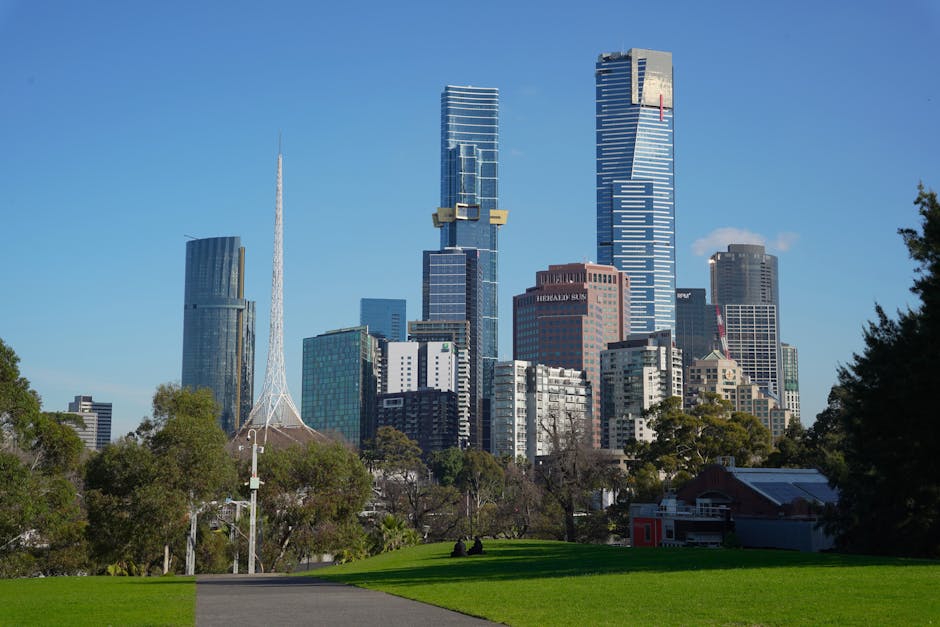
Explore Melbourne's UNESCO City of Literature status on this self-guided walk through grand libraries, iconic bookshops, and creative hubs.
 Moderate
Melbourne, Australia
Discover Collingwood’s industrial past and craft beer present on this self-guided neighborhood stroll through historic breweries and iconic pubs.
 Moderate
Vienna, Austria
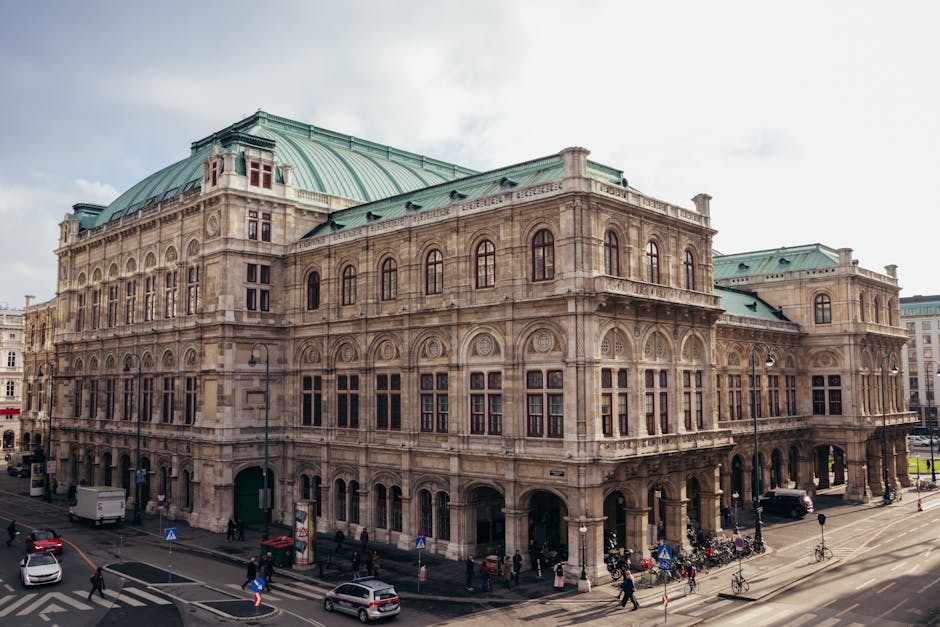
Follow the footsteps of Mozart and Strauss through Vienna’s historic center on this self-guided walk through the city's rich musical history.
 Easy
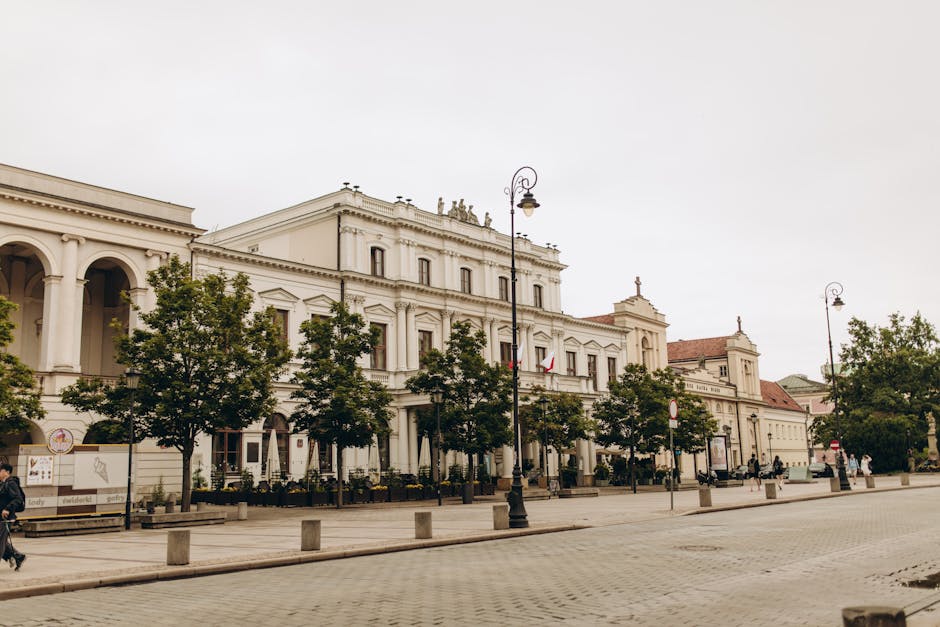
EasyGdansk, Poland
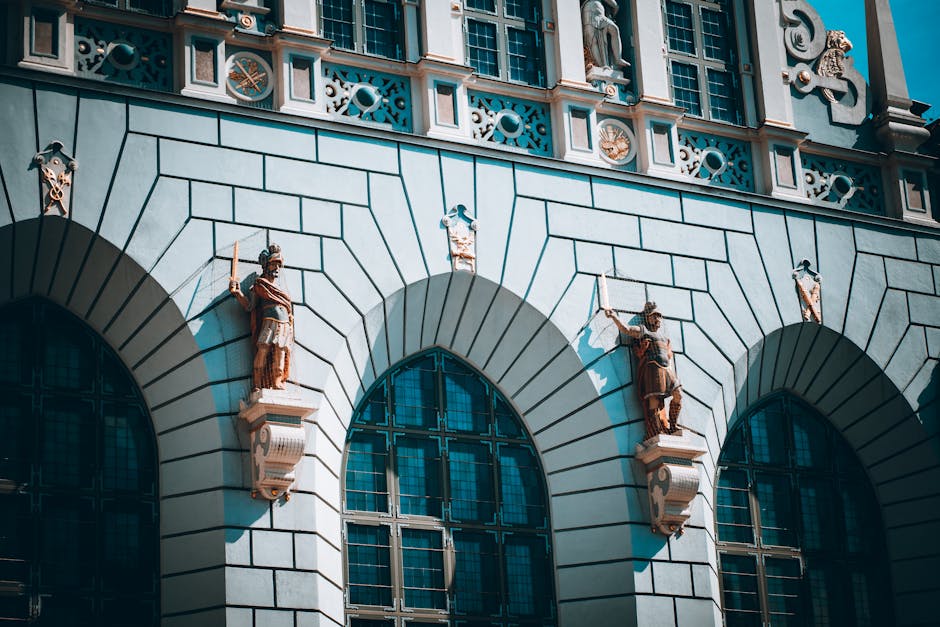
Discover the opulent Royal Way of Gdansk at your own pace. Explore Hanseatic history, gilded architecture, and the iconic Neptune's Fountain.
 Easy
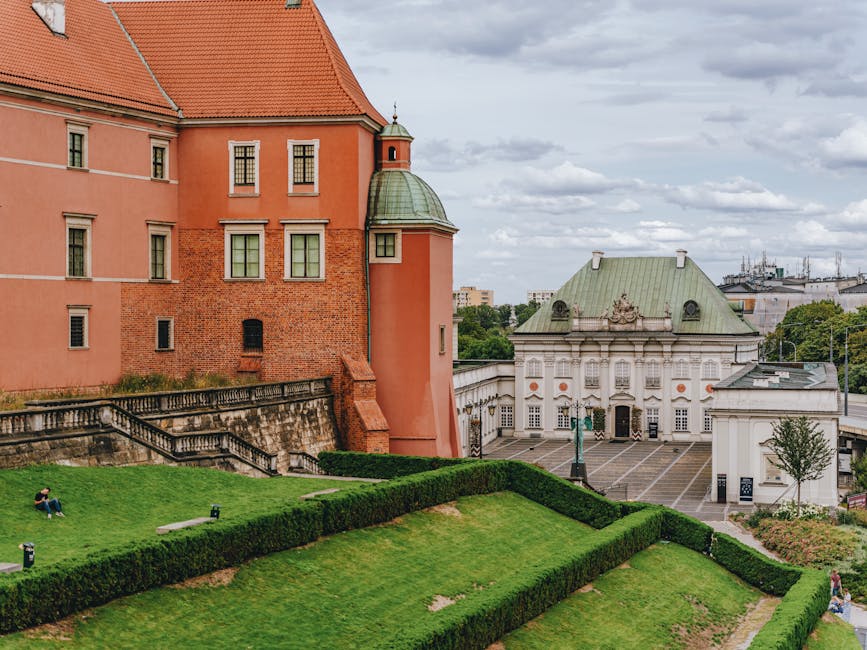
EasyWarsaw, Poland
Explore the 'Polish Versailles' at your own pace. Discover Baroque architecture, royal history, and stunning gardens on this self-guided walk.
 Moderate
Warsaw, Poland
Explore the resilient spirit of Warsaw's Muranów district on this self-guided walk through the history and landmarks of the former Jewish Ghetto.
 Easy
EasySydney, Australia
Explore Sydney’s boldest waterfront precinct on this self-guided walk through modern architecture and reclaimed natural landscapes.
 Easy
EasySydney, Australia
Discover Sydney's most stylish neighborhood on this self-guided walk through Art Deco gems and bohemian history.
 Moderate
Sydney, Australia
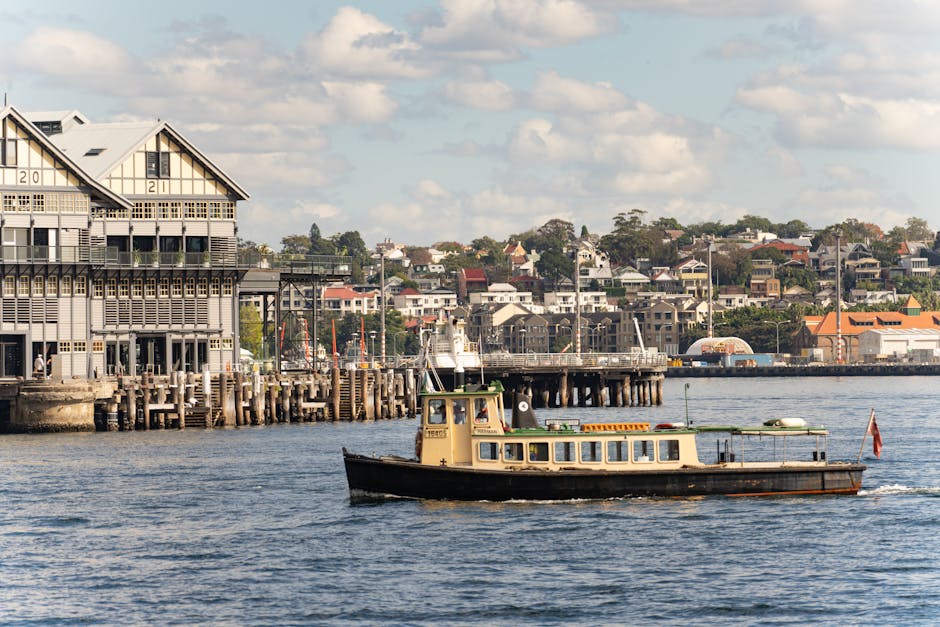
Explore Surry Hills' creative soul on this self-guided walk through Sydney’s premier coffee, art, and fashion district.
 Moderate
Sydney, Australia
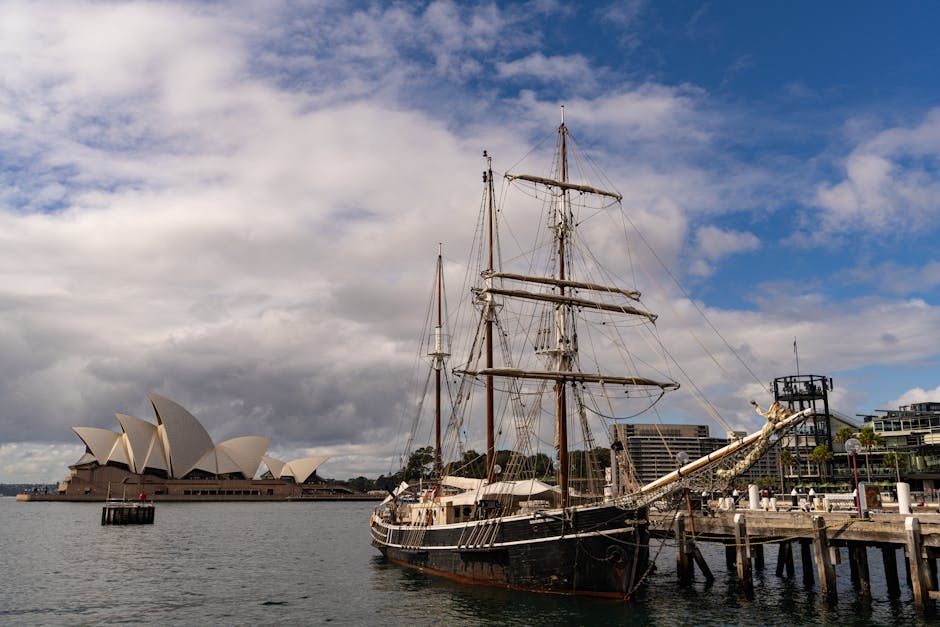
Explore the rugged maritime history and stunning harbor views of Sydney's historic Balmain peninsula on this self-guided walk.