Self-guided audio tour in Amsterdam
Start Free on iPhone
Start free on iPhone to unlock this self-guided walking tour in Amsterdam. Hear all the stories that make it amazing, walk at your own pace, and begin whenever you want.
Your Private Tour Guide
De Pijp is the beating heart of Amsterdam’s culinary scene and its most eclectic neighborhood. Often referred to as the 'Latin Quarter' of the city, this district was originally built in the late 19th century to house the working class, but it has since evolved into a vibrant melting pot of cultures, flavors, and creative energy. On this self-guided walking route, you will uncover the layers of history that transformed these narrow streets into a foodie paradise. From the aromatic stalls of the world-famous Albert Cuyp Markt to the hidden gems of Surinamese cuisine, this neighborhood stroll offers a sensory feast that goes far beyond the typical tourist path. As you explore independently, you’ll notice the unique 'Amsterdam School' architecture and the cozy 'brown cafes' that define the local atmosphere. This walking tour Amsterdam experience allows you to dive into the story of Samuel Sarphati, the visionary who helped shape this area, and discover how waves of migration have influenced the city's palate. You'll pass through bustling squares where locals gather for 'borrel' (afternoon drinks) and find tranquility in the English-style greenery of Sarphatipark. Whether you are sampling a warm stroopwafel or learning about the craft beer revolution in a former monastery, this route captures the authentic spirit of De Pijp. By following this walking route, you avoid the rigid schedules of a traditional guided tour Amsterdam might offer, giving you the freedom to linger at a market stall or grab an extra coffee whenever the mood strikes. The area is constantly evolving, with new pop-ups and boutiques appearing alongside century-old businesses, making it a place where tradition and trendiness live side-by-side. Get ready to taste your way through the history of one of Europe’s most diverse districts. **Note:** This area is known for its ever-changing character. Street art, pop-up venues, and temporary exhibitions may differ from what's described. That's part of the adventure - you might discover something entirely new!
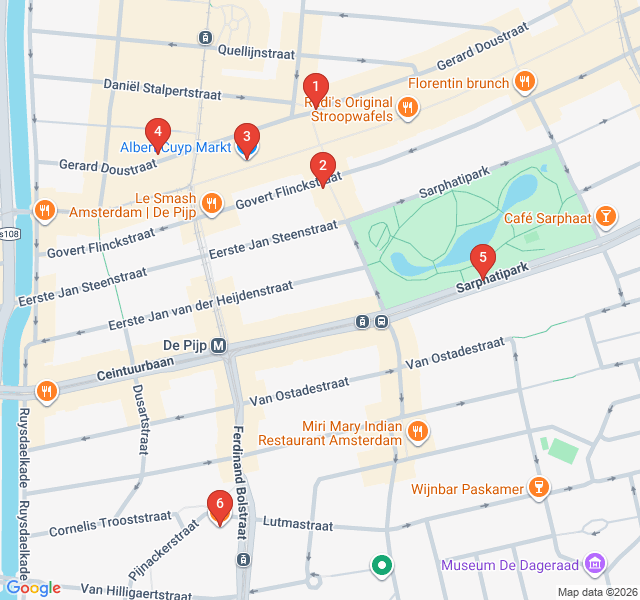
Numbers indicate the order of stops on the tour.
Welcome to Gerard Douplein, the social anchor of the De Pijp neighborhood. Named after a famous pupil of Rembrandt, this square perfectly encapsulates the 'gezelligheid' or coziness that the Dutch are famous for. In the late 1800s, this area was rapidly developed to house the city's growing workforce. Today, the square is surrounded by eclectic bars and eateries. Take a moment to look at the architecture; the buildings here are classic examples of the 19th-century expansion of Amsterdam. This is the perfect spot to begin your self-guided adventure, as it represents the transition from the historic center to the bohemian spirit of the south.
As you walk toward the market, you'll pass numerous coffee spots. Amsterdam has a deep-rooted coffee culture dating back to the Dutch East India Company. In De Pijp, the 'coffee lounge' has evolved from the traditional brown cafe into modern, minimalist spaces. While specific shops may change their decor or menus, the ritual remains the same: a 'koffie verkeerd' (Dutch latte) and perhaps a slice of apple pie. This area is a hub for the city's 'creatives,' and you'll often see locals working on laptops or catching up over a brew. It’s the fuel that keeps this energetic neighborhood moving.
You are now standing in the Albert Cuyp Markt, which has been the heart of De Pijp since 1905. With over 260 stalls, it is often cited as the busiest market in the Netherlands. This is where the culinary crossroads truly meet. You can find everything from fresh North Sea herring and traditional Dutch cheeses to exotic spices and fabrics. Don't miss the chance to see a stroopwafel being made fresh—the smell of caramelizing sugar is a staple here. The market reflects the neighborhood's diversity; as the population changed over the decades, so did the goods sold on these stalls, making it a living history of Amsterdam's migration patterns.
Just off the main market drag, you'll find a concentration of Surinamese eateries, with Warung Spang Makandra being one of the most storied. Suriname was a Dutch colony until 1975, and the migration that followed brought a rich culinary heritage to Amsterdam. Surinamese food is a unique fusion of Indian, African, Javanese, and Chinese influences. Establishments like this are famous for 'roti' and 'saoto soup.' This stop highlights how De Pijp became a welcoming home for various cultures, forever changing the city's food landscape. Please note that local businesses often update their interiors, but the soul of the food remains a neighborhood constant.
After the bustle of the market, Sarphatipark offers a peaceful retreat. This English-style landscape park was designed in the late 19th century and named after Samuel Sarphati, a Jewish physician and urban planner who dedicated his life to improving the living conditions of Amsterdam’s poor. The park is a protected monument and serves as the 'green lung' of De Pijp. As you walk through, notice the monument dedicated to Sarphati in the center. This park is where the neighborhood comes to breathe, exercise, and picnic, providing a stark, beautiful contrast to the dense urban streets surrounding it.
We conclude our neighborhood stroll at Brouwerij Troost. This craft brewery is uniquely housed in a former monastery that later served as a school. It’s a prime example of 'herbestemming'—the Dutch practice of repurposing historic buildings for modern use. While the brewing equipment is state-of-the-art, the building's high ceilings and industrial feel hint at its past. Craft beer has seen a massive resurgence in Amsterdam over the last decade, and Troost is at the forefront of the local movement. It’s the perfect place to reflect on your walk through De Pijp with a locally brewed pint in hand.
Start Free on iPhone
Explore “Culinary Crossroads: A Taste of De Pijp” with your very own Private Tour Guide with Zigway. Start free on iPhone, skip the large group and the fixed routes, and hear the city come alive as you go.
Your Private Tour Guide
Don't miss the good stuff
Explore Freely
 Easy
EasyAmsterdam, Netherlands
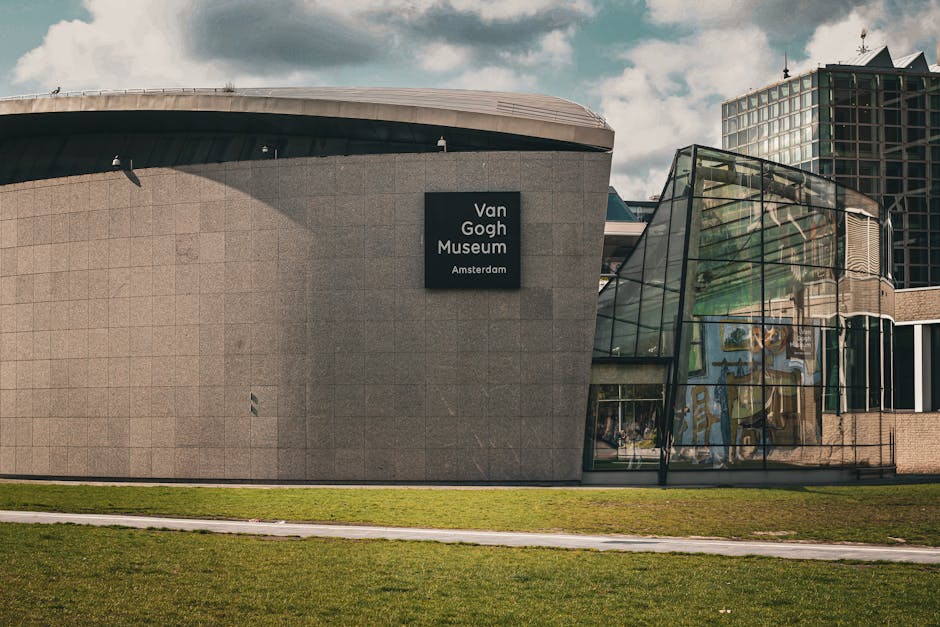
Discover Amsterdam's cultural heart on this self-guided walk from the iconic Museumplein to the serene blooming gardens of Vondelpark.
 Easy
EasyAmsterdam, Netherlands
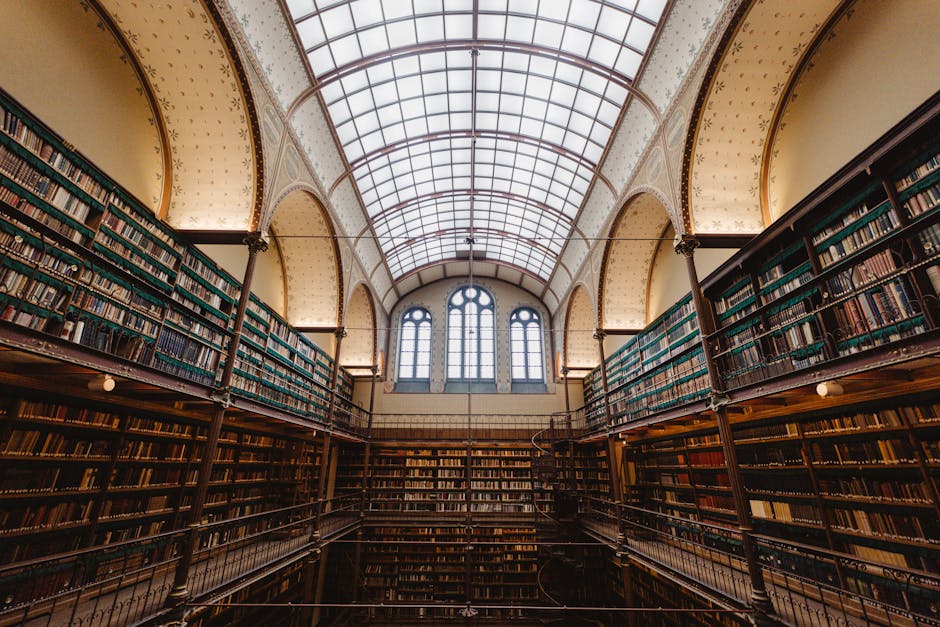
Discover Amsterdam's literary heart on this self-guided walk through historic bookshops, writers' haunts, and the homes of revolutionary thinkers.
 Easy
EasyAmsterdam, Netherlands
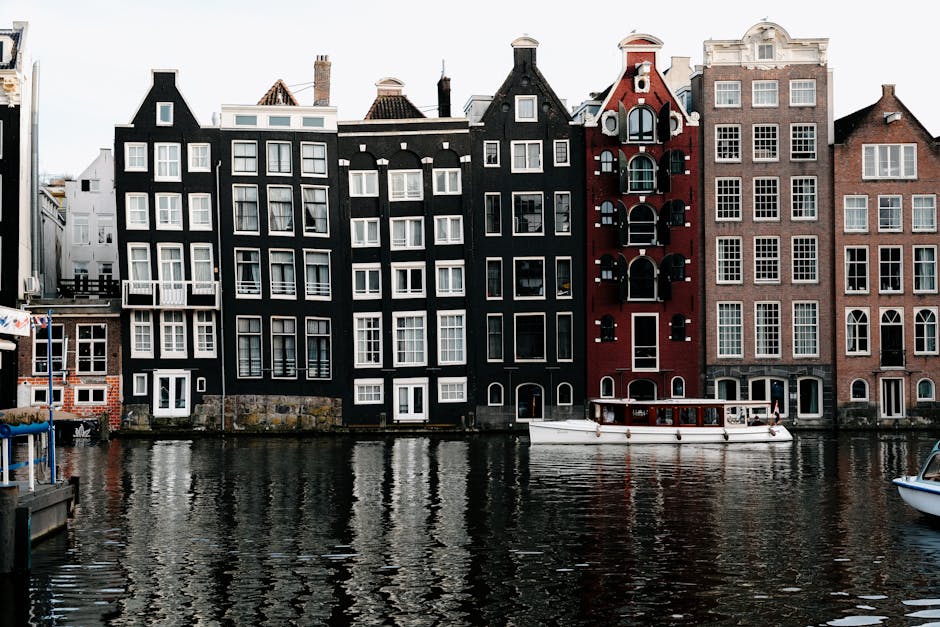
Capture the magic of Amsterdam with this self-guided photography walk across the iconic bridges and scenic banks of the Amstel River.
 Easy
EasyAmsterdam, Netherlands
Discover the opulent 17th-century mansions and rich history of Amsterdam's famous Canal Belt on this self-guided architectural walking route.
 Moderate
Nairobi, Kenya
Taste your way through Nairobi's Westlands on this self-guided walk featuring street snacks, cultural landmarks, and hidden foodie gems.
 Easy
EasyGdansk, Poland
Taste the history of the Baltic. Explore Gdansk's culinary heritage from medieval markets to gold-flecked liqueurs on this self-guided walk.
 Moderate
Helsinki, Finland
Explore Helsinki's bohemian heart. Discover historic saunas, granite churches, and the vibrant local life of the Kallio neighborhood at your own pace.
 Easy
EasyGothenburg, Sweden
Discover Gothenburg’s maritime flavors on this self-guided walk through historic market halls and iconic seafood landmarks.
 Easy
EasyRotterdam, Netherlands
Explore Rotterdam’s cultural heart on this self-guided walk through world-class museums, modernist villas, and futuristic architectural landmarks.
 Easy
EasyRotterdam, Netherlands
Capture Rotterdam's iconic skyline and historic bridges on this scenic self-guided photography walk along the Maas River and Noordereiland.
 Moderate
Rotterdam, Netherlands
Explore Rotterdam’s lush side through secret gardens, historic harbors, and the elegant 19th-century Shipping Quarter on this self-guided walk.
 Easy
EasyRotterdam, Netherlands
Explore Rotterdam's neon-lit streets and vibrant nightlife at your own pace with this independent audio walk through the city's coolest districts.