Self-guided audio tour in Abu Dhabi
Start Free on iPhone
Start free on iPhone to unlock this self-guided walking tour in Abu Dhabi. Hear all the stories that make it amazing, walk at your own pace, and begin whenever you want.
Your Private Tour Guide
Step into the vibrant heart of Al Markaziyah, where the heritage of Abu Dhabi’s trading past meets the soaring ambitions of its future. This self-guided walk invites you to explore the fascinating contrast between the city's classic commercial centers and the architectural marvels that now define its skyline. As you navigate this neighborhood stroll, you will witness the evolution of a city that transformed from a pearl-diving hub into a global metropolis in just a few decades. The journey begins along Hamdan Street, a legendary stretch of pavement that has served as the city's commercial backbone for generations. Here, the air is filled with the spirit of traditional commerce, where long-standing shops offer everything from intricate leather goods to bespoke tailoring. It is a place where the pace is bustling and the history is tangible in every storefront. As you transition from the older shopping complexes toward the World Trade Center district, the architecture shifts dramatically. You will encounter the visionary work of world-renowned architects who have reimagined the traditional Arabian marketplace for the 21st century. One of the primary highlights of this walking route is the World Trade Center Mall, a stunning structure designed by Foster + Partners. Built on the site of the city’s original Central Market, it features a modern interpretation of a souk, complete with intricate woodwork and dappled light that mimics the traditional palm-frond roofs of old. This area serves as a perfect example of how Abu Dhabi honors its roots while embracing cutting-edge design. The walk concludes at the base of the Burj Mohammed Bin Rashid, the tallest building in the city, which stands as a shimmering glass monolith over the historic market grounds. This independent exploration allows you to see Abu Dhabi not just as a collection of skyscrapers, but as a living, breathing city with a deep respect for its commercial heritage. Whether you are interested in high-end retail, local history, or world-class architecture, this walking tour Abu Dhabi provides a comprehensive look at the city's urban soul.
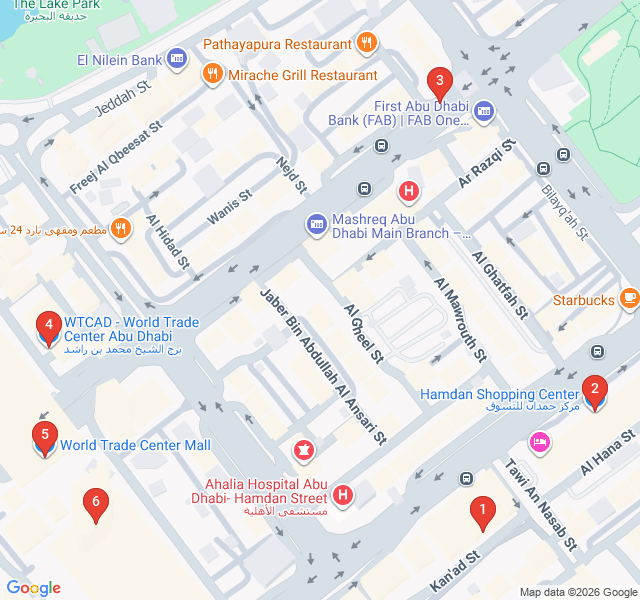
Numbers indicate the order of stops on the tour.
Welcome to the starting point of your neighborhood stroll through Al Markaziyah. The Hamdan Liwa Centre and the surrounding blocks represent the classic commercial pulse of Abu Dhabi. Long before the mega-malls of the 21st century, this was where the city came to shop. The area is a dense grid of mixed-use buildings, where residential apartments sit atop a maze of retail stores. As you look around, notice the functional, mid-century modern influence in the older buildings. This district has remained a constant in a rapidly changing city, serving as a hub for the diverse expatriate communities that have helped build Abu Dhabi. It’s a place of utility and history, setting the stage for the architectural transformation you are about to witness.
Standing before you is the Hamdan Shopping Center, one of the most iconic retail landmarks in the city. Opened in the 1980s, it remains a beloved destination for locals and long-term residents. Unlike the polished glass malls you might see elsewhere, Hamdan Center is famous for its specialized goods. Step inside to find a world of leather shoes, suitcases, gold jewelry, and vintage watches. It captures an era of Abu Dhabi’s growth where the 'shopping center' was the social heart of the community. The labyrinthine corridors and the smell of leather and perfume offer a nostalgic glimpse into the city’s retail heritage before the age of global luxury brands.
You are now walking along Khalifa Bin Zayed The First Street, one of the primary arteries of the city. Named after the former President of the UAE, this street is a showcase of Abu Dhabi's urban evolution. As you walk, look up at the variety of architectural styles. You’ll see older, sand-colored buildings with traditional recessed windows designed to keep out the heat, standing right next to sleek, glass-fronted office towers. This street connects the old city center with the newer developments toward the Corniche. It is a bustling corridor where the city’s business and daily life converge, reflecting the fast-paced development that has characterized the emirate over the last fifty years.
You have arrived at the World Trade Center Abu Dhabi complex, a site of immense historical significance. This entire block was once home to the city’s original Central Market, the traditional 'Souk' where residents traded everything from fish to fabric. After the old market was destroyed by a fire in 2003, the government commissioned a complete redevelopment. The goal was to create a modern landmark that still felt connected to the site's history. The resulting complex, designed by the firm Foster + Partners, is a masterpiece of contemporary Arabian architecture, blending commercial towers with a reimagined marketplace that honors the site's legacy as a center of trade.
Enter the World Trade Center Mall, specifically the area known as 'The Souk.' Notice the incredible woodwork and the intricate patterns on the walls and ceilings. This isn't just a mall; it's an architectural tribute to the past. The sliding roof panels and the use of natural light are inspired by traditional Emirati architecture, which used palm fronds to provide shade while allowing breezes to pass through. Here, you can find traditional perfumes, carpets, and handicrafts alongside modern cafes. It is a rare space where the atmosphere of a traditional bazaar is successfully translated into a high-end, contemporary environment. Take a moment to appreciate the play of shadows on the wooden floors, a signature element of this design.
Your walk concludes at the base of the Burj Mohammed Bin Rashid. Rising 381 meters into the air, this is the tallest building in Abu Dhabi. Its sleek, undulating glass facade is designed to reflect the surrounding environment, making it appear almost liquid against the desert sky. This tower is part of the larger World Trade Center complex and serves as a residential anchor for the district. Standing here, looking up at this 92-story giant situated on the site of the old market, you can see the full circle of Abu Dhabi’s journey: from a traditional trading post to a world-class architectural destination. It is a fitting end to a route that celebrates the city's ability to reach for the stars without forgetting its foundations.
Start Free on iPhone
Explore “Souks and Skyscrapers: The World Trade Center Route” with your very own Private Tour Guide with Zigway. Start free on iPhone, skip the large group and the fixed routes, and hear the city come alive as you go.
Your Private Tour Guide
Don't miss the good stuff
Explore Freely
 Easy
EasyAbu Dhabi, United Arab Emirates
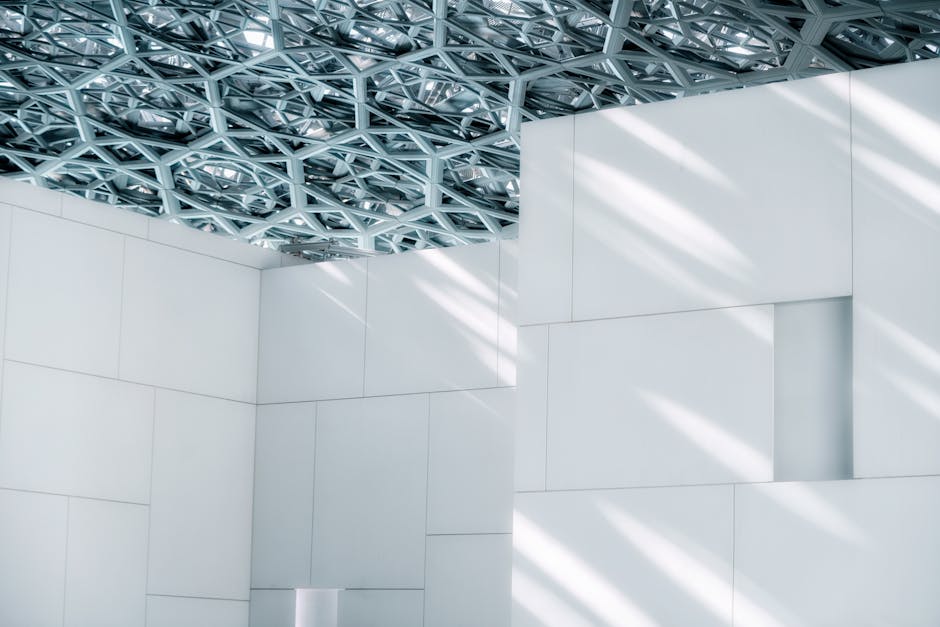
Explore a world-class cultural hub featuring the Louvre, the Abrahamic Family House, and stunning architecture on this self-guided Saadiyat walk.
 Easy
EasyAbu Dhabi, United Arab Emirates
Discover Abu Dhabi's futuristic financial hub and luxury waterfront on this easy self-guided stroll through Al Maryah Island's glass canyons.
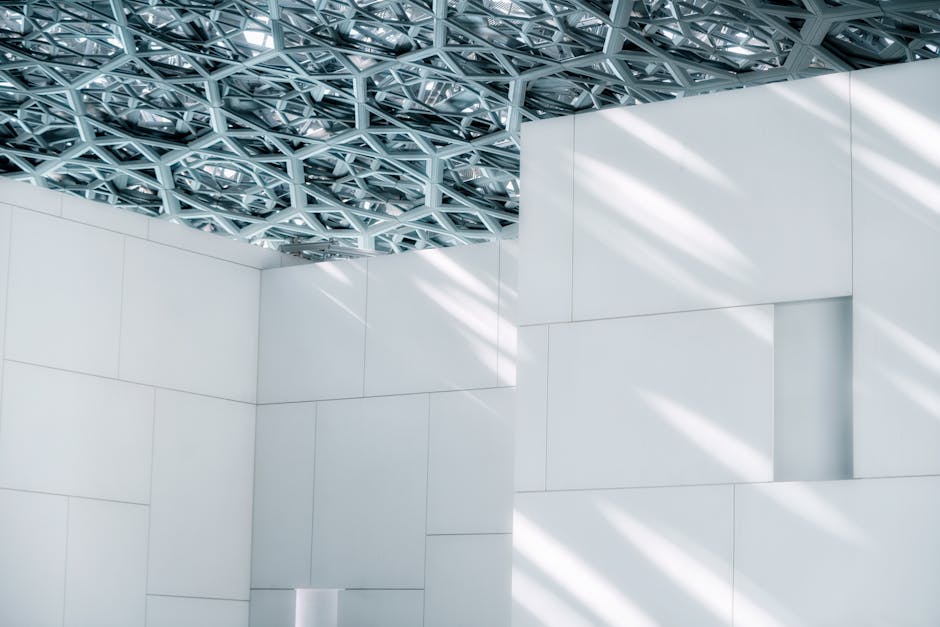 Moderate
Abu Dhabi, United Arab Emirates
Discover the royal heart of Abu Dhabi on this self-guided walk through iconic palaces, memorials, and architectural marvels in Ras Al Akhdar.
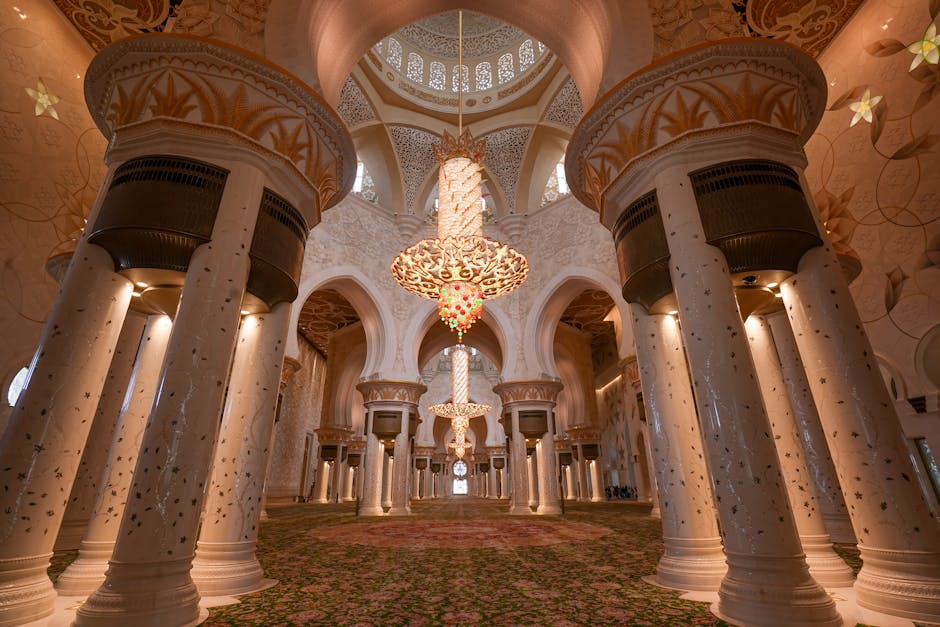 Easy
EasyAbu Dhabi, United Arab Emirates
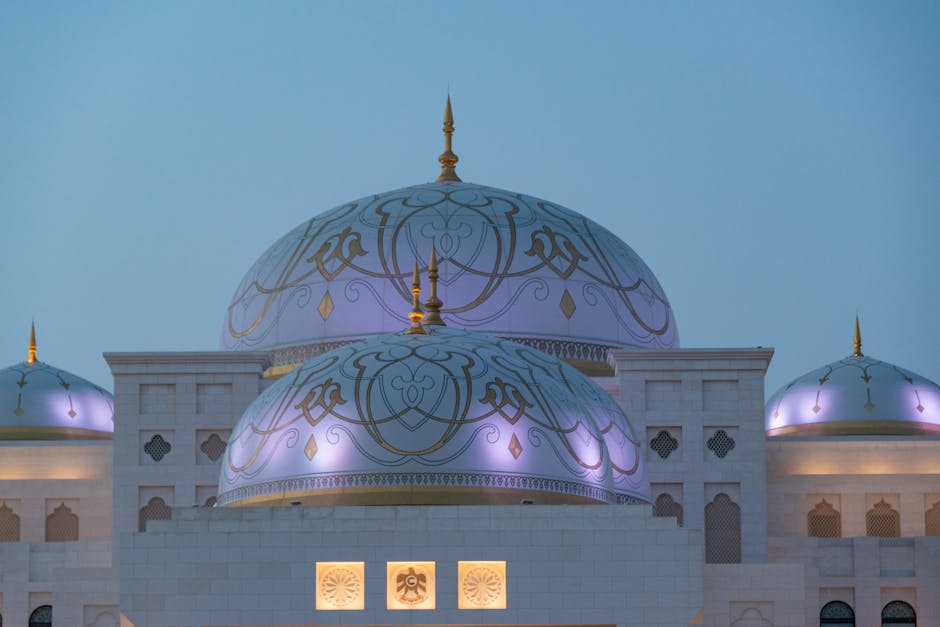
Explore Abu Dhabi's historic gateway and the majestic Grand Mosque on this scenic, self-guided perimeter walk filled with history and photography.
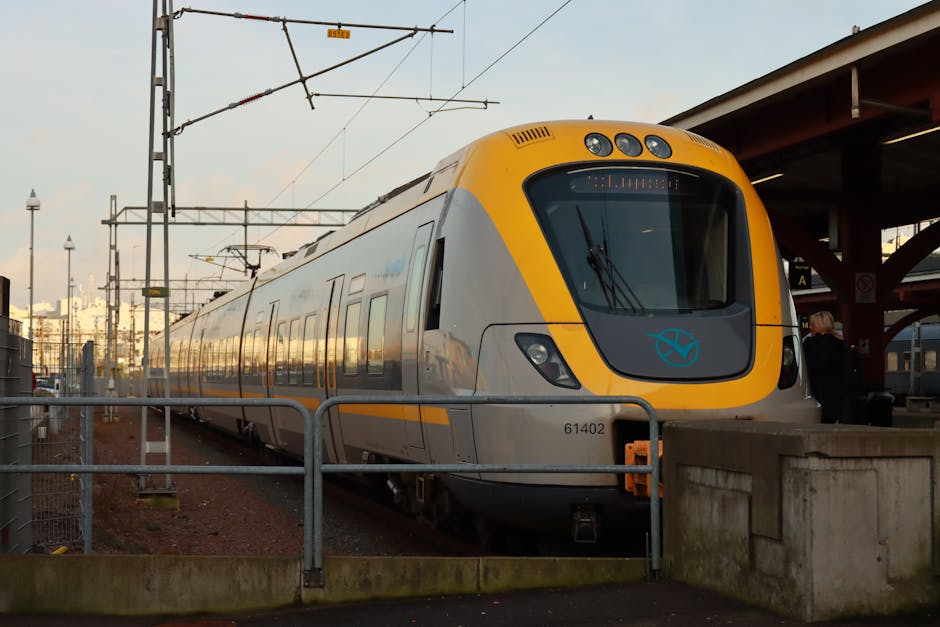 Easy
EasyGothenburg, Sweden
Discover Gothenburg’s 17th-century Dutch foundations, historic canals, and military fortifications on this self-guided architectural walk.
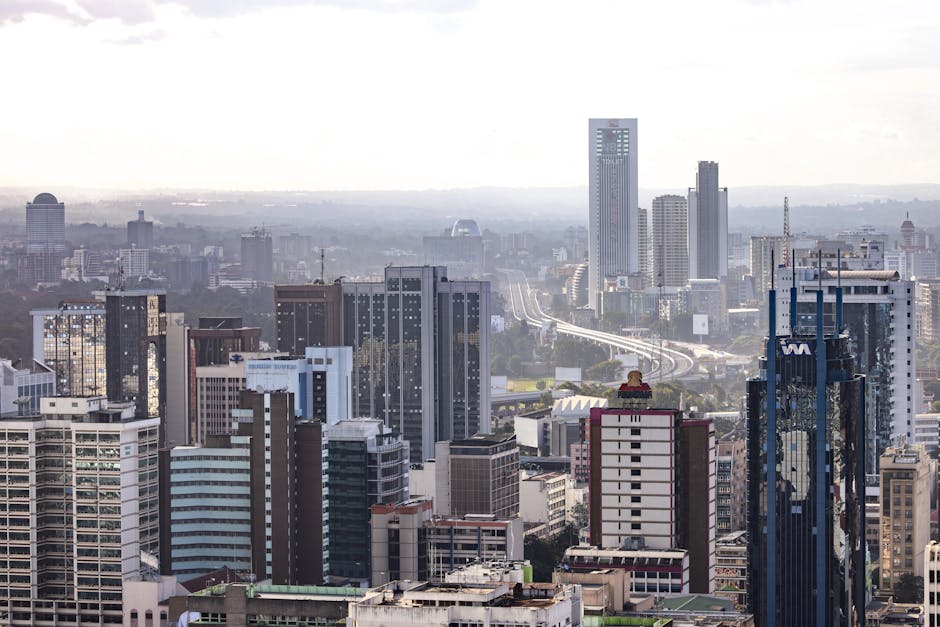 Easy
EasyNairobi, Kenya
Explore Nairobi's architectural evolution from colonial-era landmarks to iconic Brutalist skyscrapers on this historic self-guided walking route.
 Easy
EasyNairobi, Kenya
Discover Nairobi's iconic skyline on this self-guided architecture walk through the CBD’s most famous modernist and Brutalist landmarks.
 Easy
EasyKrakow, Poland
Explore the historic heart of Kazimierz on this self-guided walk through synagogues, ancient cemeteries, and vibrant squares.
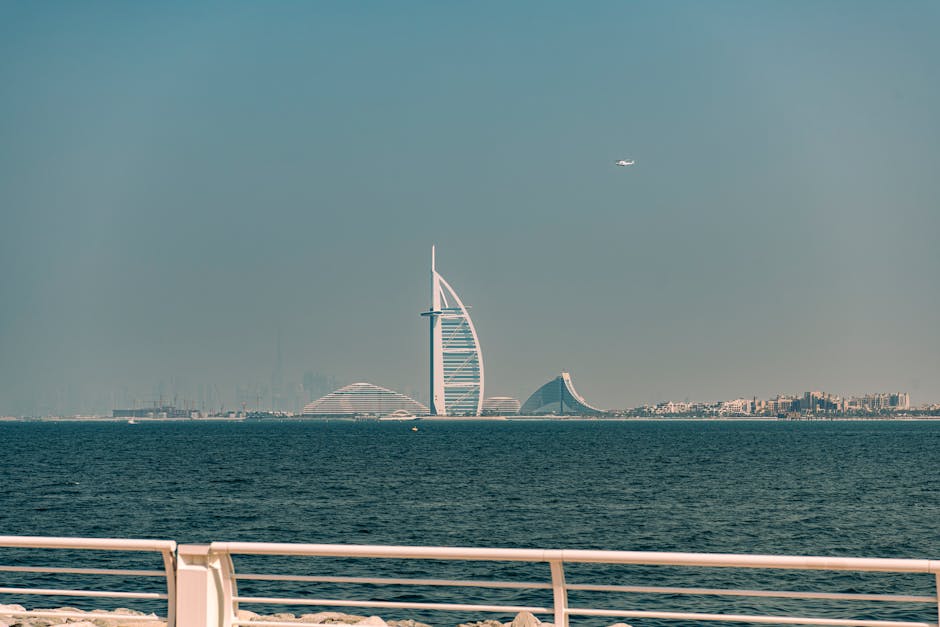 Moderate
Dubai, United Arab Emirates
Discover the futuristic skyline and shimmering waters of Business Bay on this self-guided walking route along the Dubai Water Canal.
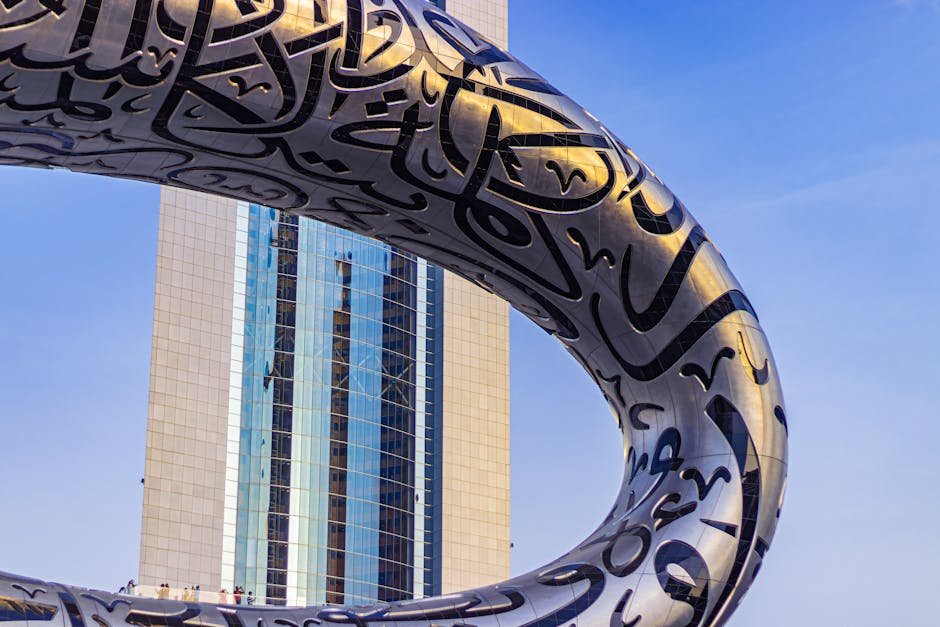 Easy
EasyDubai, United Arab Emirates
Explore Dubai's creative soul on this self-guided walk from historic museums to the futuristic galleries of the Dubai Design District.
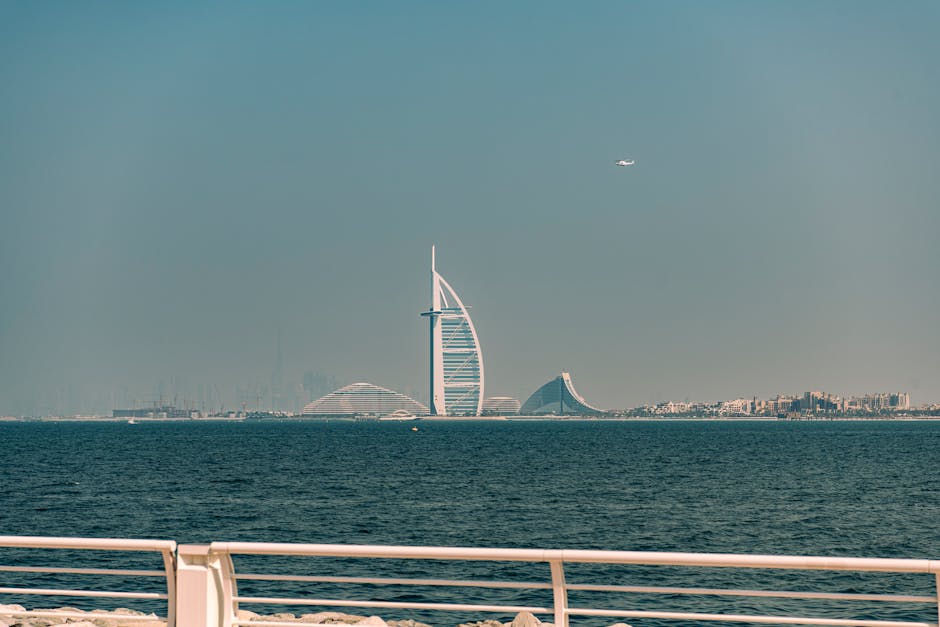 Easy
EasyDubai, United Arab Emirates
Explore Dubai Marina’s record-breaking architecture and scenic waterfront at your own pace on this self-guided skyline adventure.
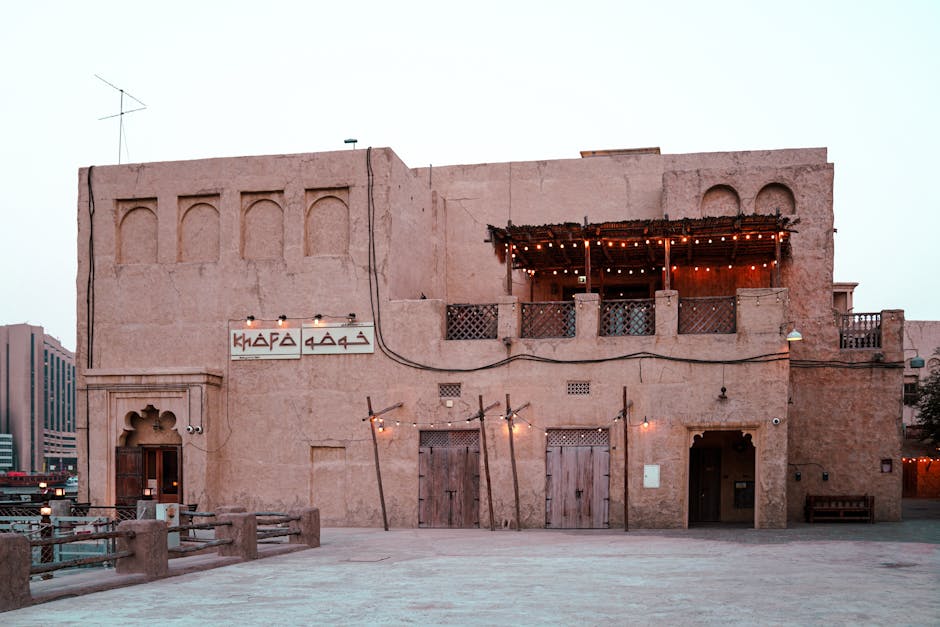 Easy
EasyDubai, United Arab Emirates
Discover the soul of old Dubai on this self-guided stroll through historic wind towers, hidden art galleries, and maritime heritage sites.