Self-guided audio tour in Johannesburg
Start Free on iPhone
Start free on iPhone to unlock this self-guided walking tour in Johannesburg. Hear all the stories that make it amazing, walk at your own pace, and begin whenever you want.
Your Private Tour Guide
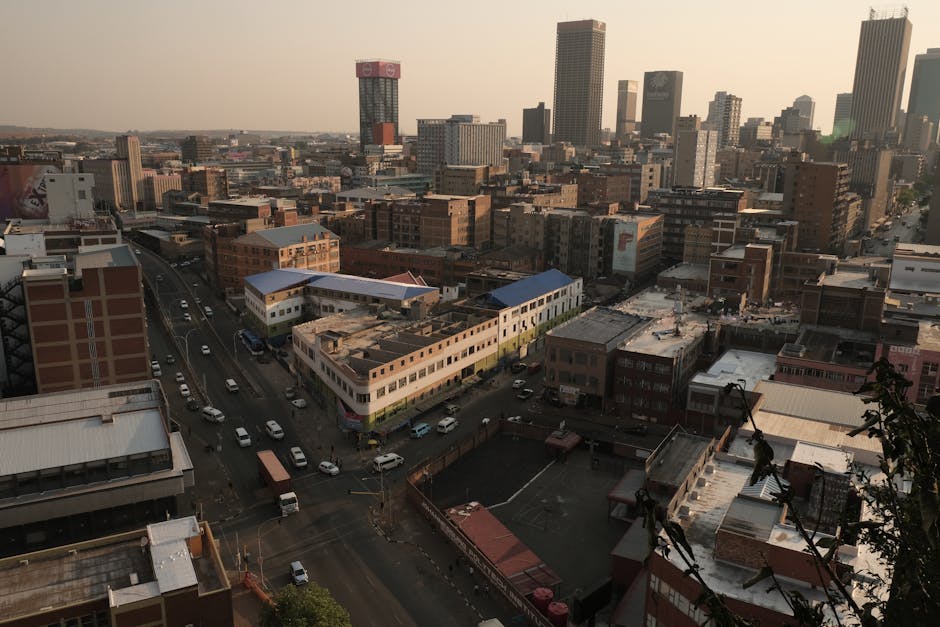
Perched on a ridge overlooking the sprawling cityscape of Johannesburg, Troyeville is a neighborhood that defies simple categorization. This self-guided walk invites you to explore one of the city's oldest and most eclectic suburbs, where Edwardian architecture meets vibrant street art and a deep-seated history of political activism. Starting in the industrial fringes of Jeppestown and ascending toward the 'Bohemian Heights,' this walking route captures the essence of a community that has long been a sanctuary for artists, intellectuals, and revolutionaries. As you wander, you will discover the legacy of Johannesburg's early mining magnates juxtaposed against the grit of modern urban regeneration. The route highlights the suburb's unique Portuguese heritage, best experienced through its local landmarks and the iconic views from the ridge. You will encounter Bjala Square, a beacon of social enterprise, and the grand Jeppestown Post Office, which stands as a testament to the area's century-old roots. The climb rewards you with a visit to the Spaza Art Gallery, a hidden gem tucked into a residential garden that serves as the creative pulse of the neighborhood. The walk also touches on the somber side of South Africa's struggle for democracy, culminating at the home of David Webster, an academic and activist whose life and tragic assassination remain etched into the pavement of Troyeville. This neighborhood stroll is more than just a sightseeing exercise; it is an immersion into the soul of a suburb that has remained fiercely independent and culturally diverse throughout the decades. For those seeking a walking tour Johannesburg experience that avoids the typical tourist traps, this independent route offers a raw and authentic look at the city's evolution. Whether you are drawn by the panoramic views of the CBD skyline or the intricate mosaic art found on nearly every corner, Troyeville provides a rich tapestry of stories waiting to be uncovered at your own pace.
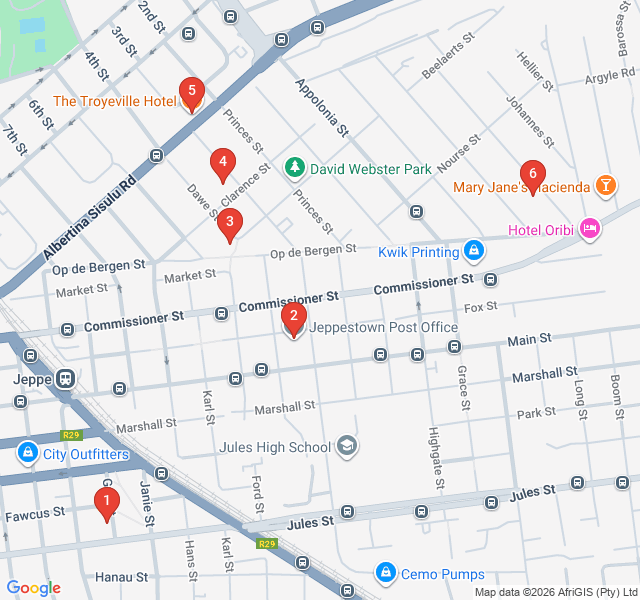
Numbers indicate the order of stops on the tour.
Start your self-guided adventure at Bjala Square, a cornerstone of urban revitalization in Jeppestown. The name 'Bjala' means 'beer' in Sesotho, a nod to the building's former life as a brewery warehouse. Today, it stands as a vibrant social enterprise hub. This space exemplifies the 'maker' culture of the area, housing affordable residential units and workspaces for local entrepreneurs. As you stand here, notice the transition from the industrial grit of the lower streets to the creative energy that defines the neighborhood. It is a perfect example of how Johannesburg repurposes its industrial heritage to meet modern community needs, setting the stage for the mix of history and innovation you will see on this walking route.
A short walk brings you to the Jeppestown Post Office, a grand Edwardian structure that dates back to the early 1900s. Designed during the British colonial era, its red-brick facade and clock tower are hallmarks of the architecture that once dominated the city's eastern suburbs. Jeppestown itself was one of the first suburbs established after the discovery of gold, named after the Jeppe family who were prominent early developers. This building has survived fires and the general decline of the inner city, remaining a steadfast landmark. Observe the intricate masonry and the scale of the building, which reflects the high expectations early residents had for this once-fashionable residential district.
As you begin your ascent into Troyeville, the spire of the Troyeville Baptist Church comes into view. Established in 1897, this is one of the oldest Baptist congregations in South Africa. The church's prominent position on the ridge made it a literal and metaphorical lighthouse for the community. Its architecture is simple yet commanding, reflecting the non-conformist religious traditions of the late 19th century. Over the years, the church has witnessed the suburb's demographic shifts, from the early English and Jewish settlers to the large Portuguese influx in the mid-20th century, and finally to the diverse pan-African community that calls Troyeville home today.
Welcome to the heart of Troyeville’s bohemian spirit. The Spaza Art Gallery, founded by artist Andrew Lindsay, is not your typical white-cube gallery. It is a 'spaza'—a term usually referring to a small informal convenience shop—tucked into a residential property. The garden and walls are a riot of mosaic art, sculptures, and recycled installations. This space has been a sanctuary for local artists for decades, fostering a community-centric approach to art. Take a moment to wander through the garden; the mosaics often tell stories of the city's daily life and political struggles. It is a living workshop where the line between the art and the environment completely disappears.
No neighborhood stroll here is complete without visiting the Troyeville Hotel. Established in 1924, this venue became legendary during the apartheid era as a 'grey' space where people of all races could mingle, often under the watchful eye of the security police. It was a favorite haunt for anti-apartheid activists, journalists, and writers. Beyond its political history, the hotel is famous for its Portuguese cuisine—a legacy of the many immigrants from Madeira and Mozambique who settled here. From the terrace, you can see one of the best views of the Johannesburg skyline and the nearby Ellis Park Stadium. It remains a cultural landmark where the city's intellectual and grit-loving crowds still gather.
The final stop on our walking route is a site of deep historical significance: the former home of David Webster. Webster was an anthropologist at the University of the Witwatersrand and a dedicated anti-apartheid activist. In 1989, he was assassinated by a government hit squad right outside his front door. The house remains a private residence, but the external walls are covered in elaborate mosaics that serve as a memorial to his life and work. This site is a powerful reminder of the high cost of the struggle for freedom in South Africa. It marks the end of our journey through Troyeville, a suburb that has always been a home for those who think differently and stand their ground.
Start Free on iPhone
Explore “Troyeville Bohemian Heights” with your very own Private Tour Guide with Zigway. Start free on iPhone, skip the large group and the fixed routes, and hear the city come alive as you go.
Your Private Tour Guide
Don't miss the good stuff
Explore Freely
 Easy
EasyJohannesburg, South Africa
Explore Johannesburg's cultural soul on this self-guided walk through Newtown’s historic theaters, jazz venues, and powerful migrant labor museums.
 Easy
EasyJohannesburg, South Africa
Discover the 'City of Gold' on this self-guided walk through Johannesburg’s historic mining district, from Gandhi Square to Mandela’s law office.
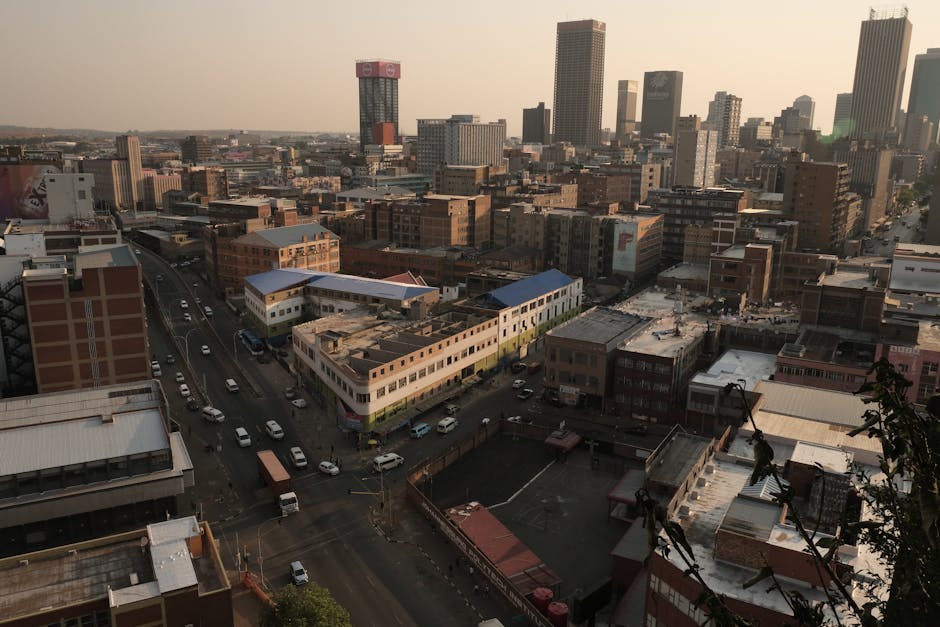 Moderate
Johannesburg, South Africa
Explore the creative soul of Johannesburg on this self-guided walk through Melville’s iconic bookstores, cafes, and ancient ridges.
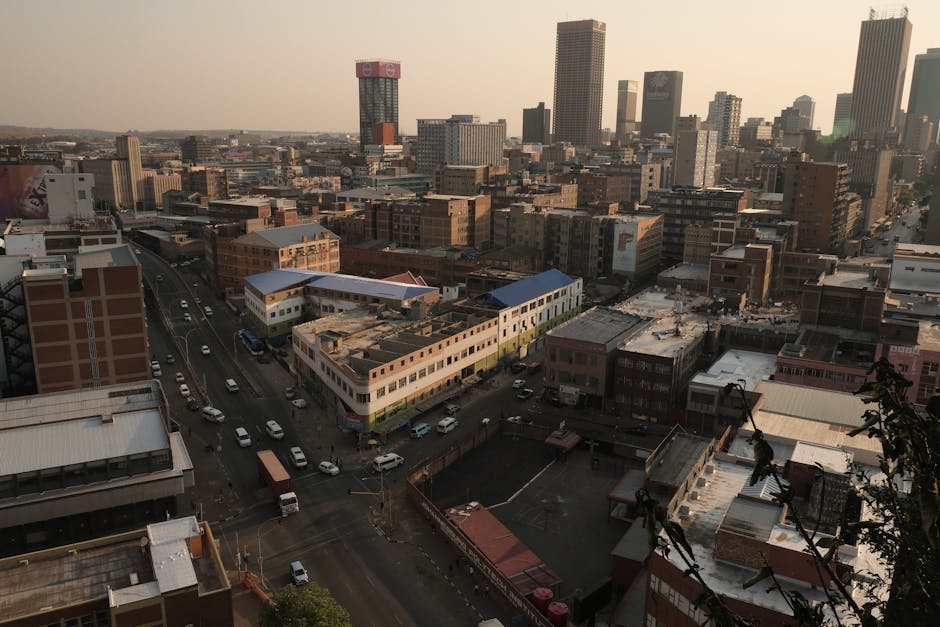 Easy
EasyJohannesburg, South Africa
A sensory self-guided walk through Johannesburg's Indian district, featuring aromatic spices, legendary street food, and rich anti-apartheid history.
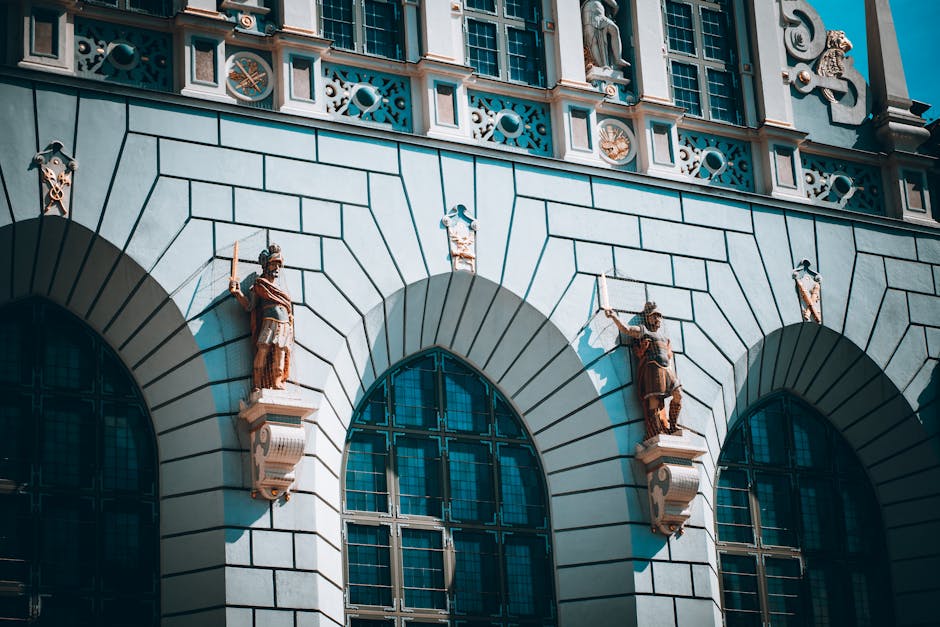 Moderate
Gdansk, Poland
Discover Zaspa, a massive open-air gallery where grey housing blocks are transformed by over 60 monumental murals. Explore at your own pace.
 Moderate
Nairobi, Kenya
Discover the creative soul of Nairobi on this self-guided walk through the city's premier art galleries, markets, and artisan workshops.
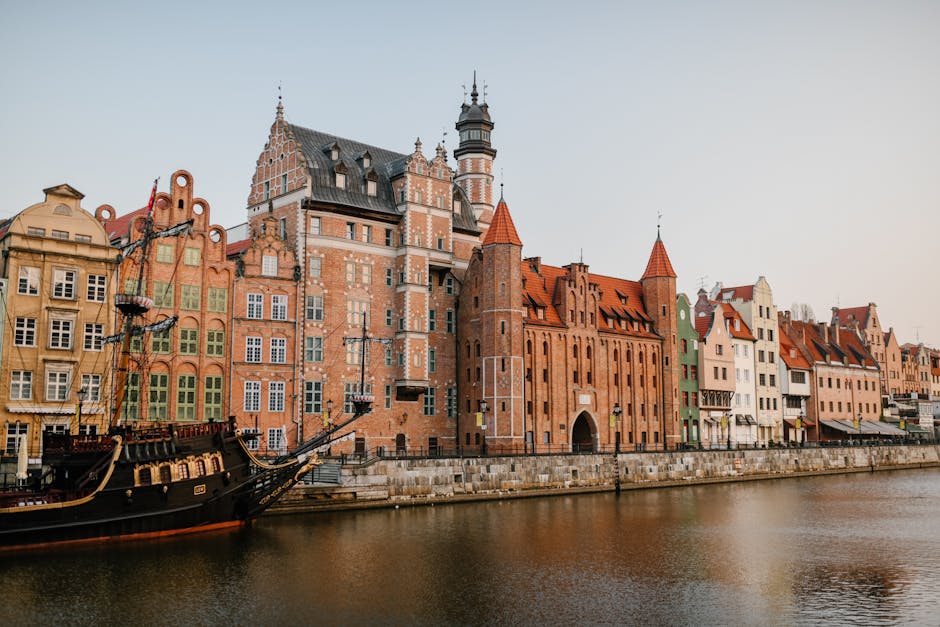 Moderate
Gdansk, Poland
Discover the bohemian soul of Gdańsk. Explore the literary landmarks of Günter Grass, Prussian villas, and the trendy cafes of historic Wrzeszcz.
 Moderate
Helsinki, Finland
Explore Helsinki's bohemian heart. Discover historic saunas, granite churches, and the vibrant local life of the Kallio neighborhood at your own pace.
 Moderate
Cape Town, South Africa
Explore the vibrant murals and creative hubs of Woodstock on this self-guided neighborhood stroll through Cape Town's artistic heart.
 Easy
EasyCape Town, South Africa
Explore the evolution of Cape Town’s harbor from its 18th-century roots to a modern cultural hub on this self-guided maritime history walk.
 Easy
EasyCape Town, South Africa
Discover the heritage of Cape Town on this self-guided audio walk through the historic Company’s Garden and its surrounding landmarks.
 Easy
EasyCape Town, South Africa
Explore Cape Town's bohemian heart and scientific heritage on this self-guided walk through the eclectic and historic Observatory neighborhood.