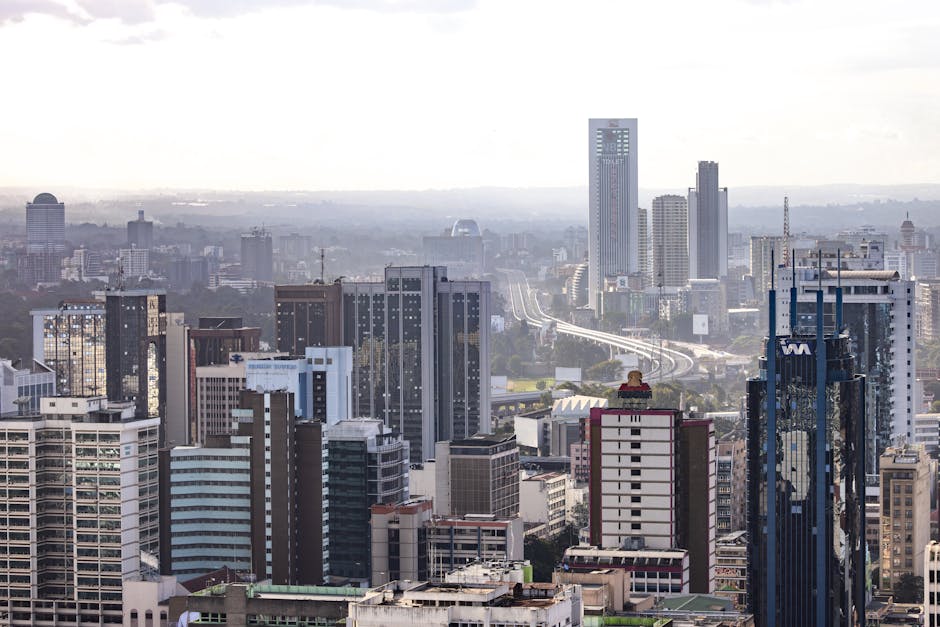
Self-guided audio tour in Nairobi
Start Free on iPhone
Start free on iPhone to unlock this self-guided walking tour in Nairobi. Hear all the stories that make it amazing, walk at your own pace, and begin whenever you want.
Your Private Tour Guide
Nairobi is a city born from the grit of industrial ambition. Unlike many global capitals that evolved over centuries, Nairobi was quite literally conjured out of a swampy marshland in 1899 to serve as a supply depot for the Uganda Railway. This self-guided walk, 'Steam and Steel,' invites you to explore the foundational bones of the city, tracing the path of the 'Lunatic Line'—a railway project so ambitious and dangerous it earned a place in global folklore. On this neighborhood stroll through the southern edge of the Central Business District, you will discover how a single line of steel transformed East Africa forever. The route begins at the atmospheric Kenya Railway Museum, where retired steam giants sit in silent testimony to a bygone era of travel. From there, you will navigate the transit arteries that once moved thousands of workers and tons of cargo, seeing how the railway influenced everything from education to leisure. You will pass the historic Technical University, originally founded to provide the technical skills needed for a modernizing nation, and the lush greens of the Railway Golf Course, a reminder of the social hierarchies established during the colonial era. The walk culminates at the Nairobi Railway Station, the very heart from which the city's pulse first began to beat. This walking route is perfect for history buffs and those curious about the industrial heritage that shaped modern Kenya. By following this audio walk, you gain a deeper understanding of Nairobi’s identity—not just as a modern metropolis, but as a site of immense human effort, engineering marvels, and the complex legacy of the British Empire in Africa. Explore independently and at your own pace as you uncover the stories of the engineers, laborers, and dreamers who built a city where only lions and migratory herds once roamed.
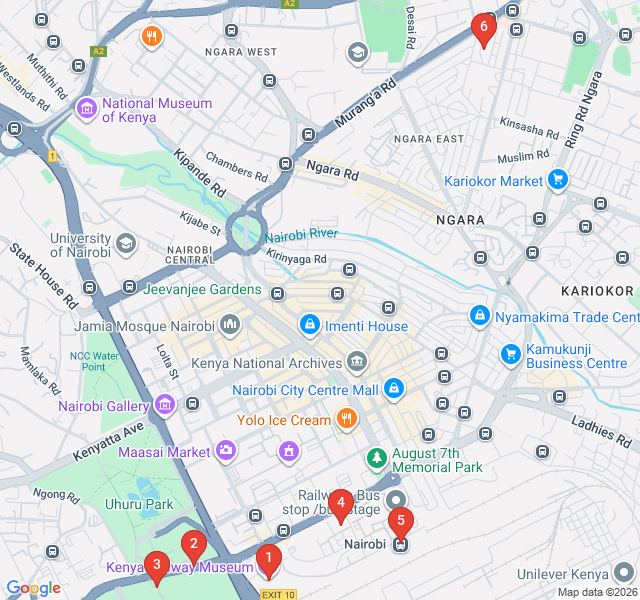
Numbers indicate the order of stops on the tour.
Welcome to the starting point of our industrial journey. The Kenya Railway Museum is a treasure trove of East African history, housing some of the most impressive steam locomotives ever built. As you look at these massive iron beasts, consider the nickname 'The Lunatic Line.' The British Parliament gave the railway this name because of the astronomical cost and the sheer impossibility of the terrain. Between 1896 and 1901, thousands of laborers faced malaria, heat, and even man-eating lions to lay these tracks. Inside the museum grounds, you can see the 'Class 59' locomotives—the most powerful steam engines to ever run on a meter-gauge track. This museum isn't just about machines; it's about the birth of a nation's infrastructure.
As you step out onto Haile Selassie Avenue, you are walking along one of Nairobi’s most vital transit corridors. Originally known as Whitehouse Road, named after the chief engineer of the railway, George Whitehouse, this street was the dividing line between the railway operations and the emerging commercial town. To your left and right, the bustle of the city is a direct descendant of the depot activity that started here over 120 years ago. The avenue was renamed in honor of the Ethiopian Emperor Haile Selassie, reflecting Kenya's transition from a colonial railway outpost to a leader in pan-African politics. Notice the blend of old and new structures that line this busy thoroughfare.
To your side lies the Kenya Railway Golf Course, established in 1921. In the early days of the railway, leisure was strictly organized. This 9-hole course was created primarily for the railway's senior staff and officials. It serves as a green lung in the middle of a concrete city, but it also tells a story of social stratification. While the engines were being repaired and cargo moved just a few hundred yards away, the elite of the railway administration would spend their afternoons here. It remains one of the oldest golf clubs in the country, maintaining a tradition of sport that has survived the transition from the steam era to the digital age.
The imposing buildings you see belong to the Technical University of Kenya. Its history is inextricably linked to the railway’s need for skilled labor. Founded in the 1950s as the Royal Technical College of East Africa, it was the first institution of its kind in the region. The railway required more than just manual laborers; it needed surveyors, mechanics, and engineers. This institution was the crucible where the technical minds of a new Kenya were forged. The architecture reflects the mid-century modern style, emphasizing functionality and progress—a fitting aesthetic for a school dedicated to building the nation's future through science and technology.
You are now standing at the Nairobi Railway Station, the literal ground zero of the city. Before this station was built in 1899, there was no Nairobi—just a swamp the Maasai called 'Enkare Nyrobi.' The railway reached this point and the engineers realized they needed a flat place to store materials before tackling the steep climb into the Kikuyu Escarpment. They chose this spot, and the rest is history. The station building itself is a classic piece of colonial railway architecture. Even today, with the modern Standard Gauge Railway operating from a different terminal, this historic station remains a hub for commuter trains, keeping the city’s original spirit of movement alive.
Our final stop brings us to the Railway Quarters. These residential blocks were built to house the various grades of railway employees. The architecture here is distinct, featuring red-tiled roofs and thick stone walls designed to keep the interiors cool in the equatorial sun. These quarters created a unique 'railway culture'—a community within a community where families lived, worked, and socialized together for generations. Walking through this area feels like stepping back in time, offering a glimpse into the domestic side of the industrial machine. It concludes our stroll through the steam and steel that built Nairobi, leaving you at the edge of the vibrant city center.
Start Free on iPhone
Explore “Steam and Steel: Nairobi's Railway Heritage” with your very own Private Tour Guide with Zigway. Start free on iPhone, skip the large group and the fixed routes, and hear the city come alive as you go.
Your Private Tour Guide
Don't miss the good stuff
Explore Freely
 Easy
EasyNairobi, Kenya
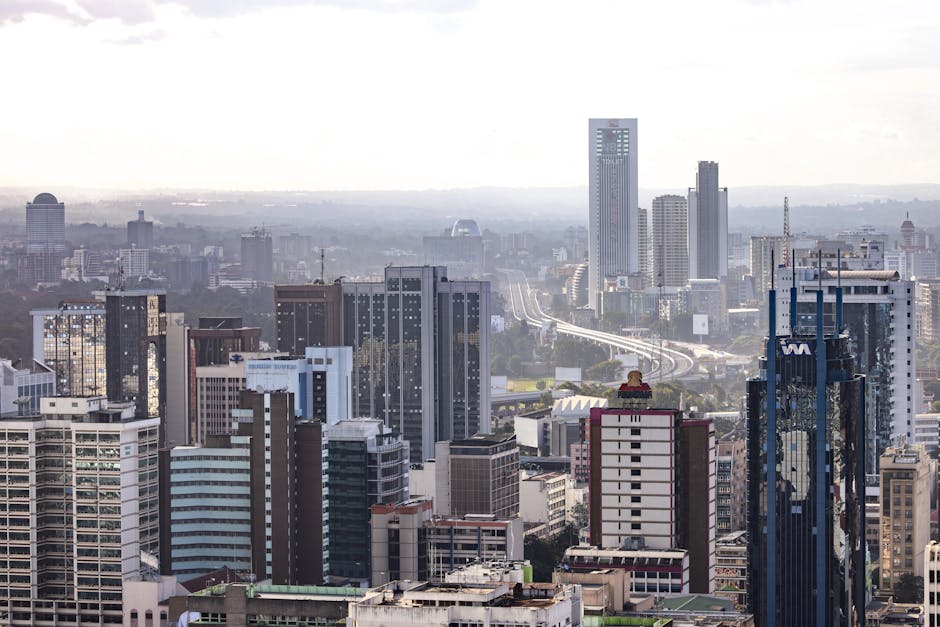
Explore Nairobi's architectural evolution from colonial-era landmarks to iconic Brutalist skyscrapers on this historic self-guided walking route.
 Moderate
Nairobi, Kenya
Discover the creative soul of Nairobi on this self-guided walk through the city's premier art galleries, markets, and artisan workshops.
 Moderate
Nairobi, Kenya
Taste your way through Nairobi's Westlands on this self-guided walk featuring street snacks, cultural landmarks, and hidden foodie gems.
 Easy
EasyNairobi, Kenya
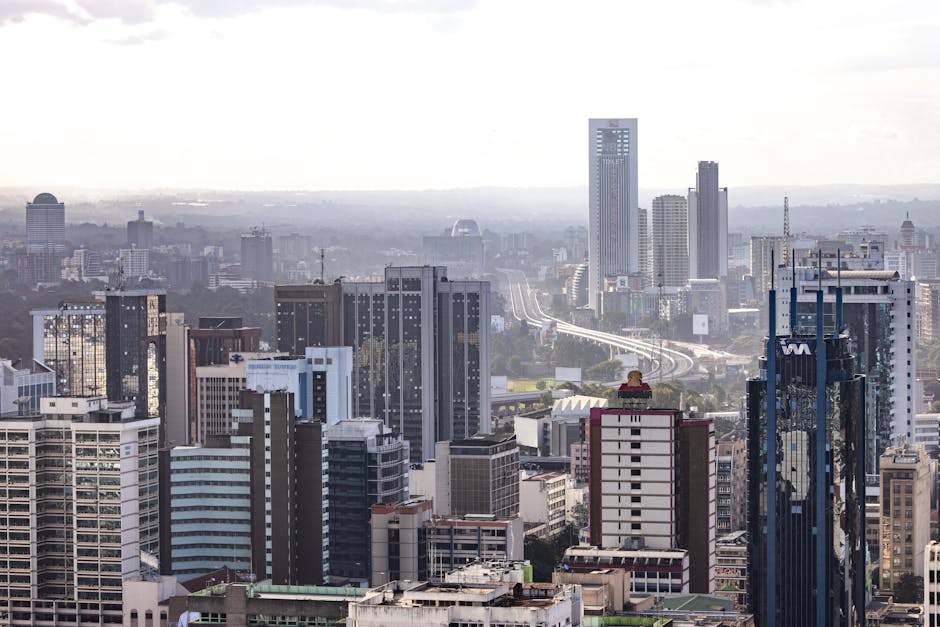
Explore the history of Kenya’s independence through the statues, monuments, and parks that define Nairobi’s political heart on this self-guided walk.
 Easy
EasyKrakow, Poland
Explore the historic heart of Kazimierz on this self-guided walk through synagogues, ancient cemeteries, and vibrant squares.
 Easy
EasyWarsaw, Poland
Follow the life of Fryderyk Chopin through Warsaw’s historic center. See where he lived, studied, and where his heart remains today.
 Easy
EasyGothenburg, Sweden
Discover Gothenburg’s 17th-century Dutch foundations, historic canals, and military fortifications on this self-guided architectural walk.
 Easy
EasyKrakow, Poland
Explore the prestigious Jagiellonian University district, featuring Neo-Gothic architecture, Baroque churches, and Krakow's hidden scholarly gems.