Three Kings Day (Día de Reyes)
Families gather to eat Rosca de Reyes bread, celebrating the arrival of the Magi.
Why it matters: It marks the traditional end of the Christmas season and is a major day for gift-giving and community sharing.
From the vibrant streets of Mexico City to the historic plazas of Oaxaca, discover the most significant cultural celebrations and events across Mexico in 2026.
Start Free on iPhone
Use Zigway to pair festivals, concerts, sports highlights, and cultural events across Mexico with self-guided walks in the cities you want to explore.
Your Private Tour Guide
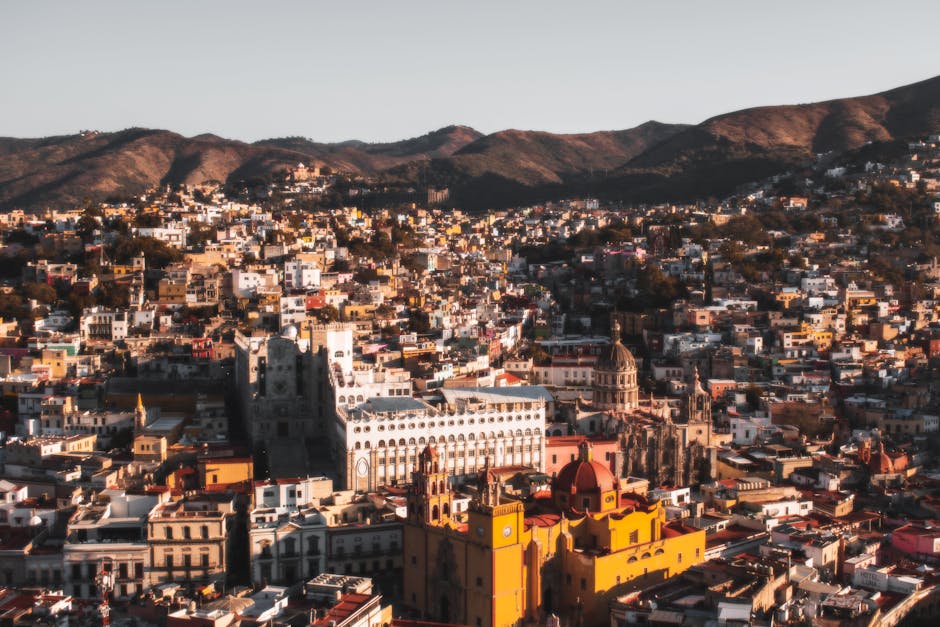
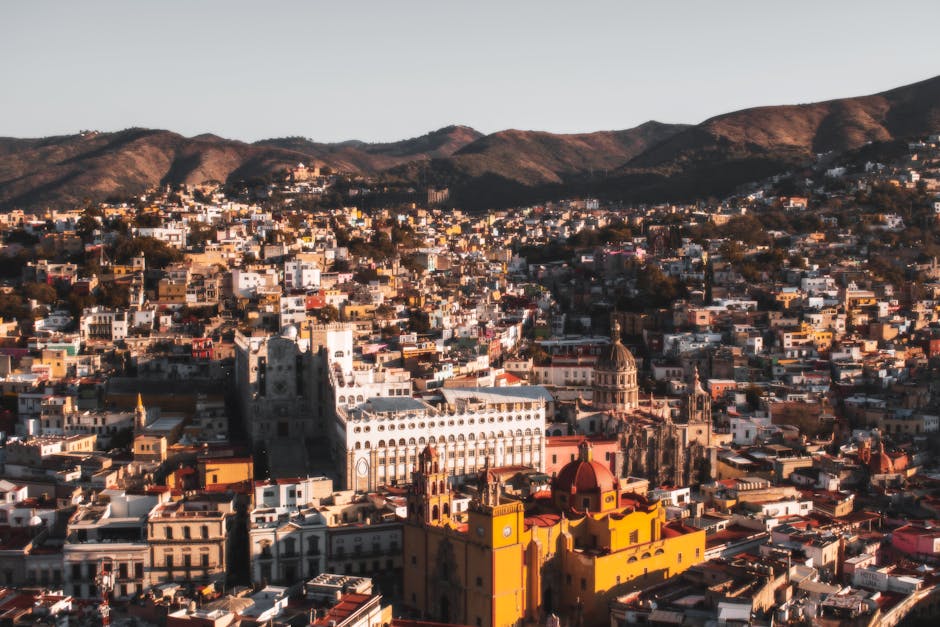
Mexico in 2026 offers a profound journey through time and tradition, blending ancient indigenous customs with modern artistic expression. This year, the country continues to showcase its rich heritage through diverse festivals that transform urban centers and rural villages alike. Whether you are exploring the high-altitude neighborhoods of Mexico City, the colonial architecture of Guanajuato, or the culinary heart of Oaxaca, the calendar is filled with events that highlight the nation's identity. From the solemnity of Holy Week to the exuberant energy of Independence Day and the mystical atmosphere of Day of the Dead, every month provides a unique perspective on Mexican life. Visitors can expect a mix of world-class art fairs, traditional music gatherings, and seasonal food festivals that celebrate local ingredients. This guide helps you navigate the major cultural milestones of the year, ensuring you experience the authentic spirit of Mexico's most cherished celebrations across its diverse regions.
Planning a trip to Mexico around its major events requires an understanding of the country's vast geography and seasonal shifts. Many festivals, such as the Cervantino in Guanajuato or the Guelaguetza in Oaxaca, draw large crowds, making early logistics essential. While major cities like Mexico City offer robust infrastructure and public transport, smaller towns may rely on local buses or taxis. Consider the climate; the central highlands can be cool in the evenings, while coastal regions remain tropical year-round. Aligning your visit with a local feria or religious holiday provides a deeper connection to the community, offering insights into history and art that standard sightseeing might miss. Always respect local customs, especially during religious processions and indigenous ceremonies.
Move from the national calendar to city-by-city event pages for more local detail.
January in Mexico begins with the traditional Three Kings Day celebrations, offering a peaceful yet festive atmosphere as the holiday season concludes.
Families gather to eat Rosca de Reyes bread, celebrating the arrival of the Magi.
Why it matters: It marks the traditional end of the Christmas season and is a major day for gift-giving and community sharing.
February is a peak month for the contemporary art scene and vibrant pre-Lenten carnivals across the country.
Latin America's leading contemporary art fair featuring galleries from around the world.
Why it matters: It establishes Mexico City as a global hub for the modern art market and attracts international collectors.
One of the world's largest carnivals featuring parades, fireworks, and live brass band music.
Why it matters: It combines traditional 'banda' music with modern parade floats, reflecting the unique culture of the Pacific coast.
As spring arrives, Mexico celebrates with massive music festivals and ancient astronomical alignments at archaeological sites.
A massive multi-day festival dedicated to Ibero-American music and rock culture.
Why it matters: It is the premier stage for Spanish-language rock and alternative music in the Western Hemisphere.
Thousands of visitors dress in white and climb the Sun Pyramid to receive solar energy.
Why it matters: It represents a modern connection to pre-Hispanic spiritual traditions and astronomical knowledge.
April is dominated by Semana Santa, a week of profound religious processions and traditional family gatherings.
Intense and dramatic religious processions featuring hooded penitents in a colonial setting.
Why it matters: It is one of the most visually striking and traditional Easter observances in the country.
May brings historic commemorations and regional fairs that highlight local crafts and livestock.
Military parades and historical reenactments of the 1862 victory over French forces.
Why it matters: While widely celebrated abroad, in Puebla it remains a significant point of local civic pride and history.
June is a month of colorful celebrations, including major Pride events and local patron saint festivities.
One of the largest Pride parades in Latin America, filling the Paseo de la Reforma with color.
Why it matters: It showcases the city's progressive social landscape and vibrant LGBTQ+ community.
July belongs to the south, with Oaxaca hosting its most famous indigenous cultural gathering.
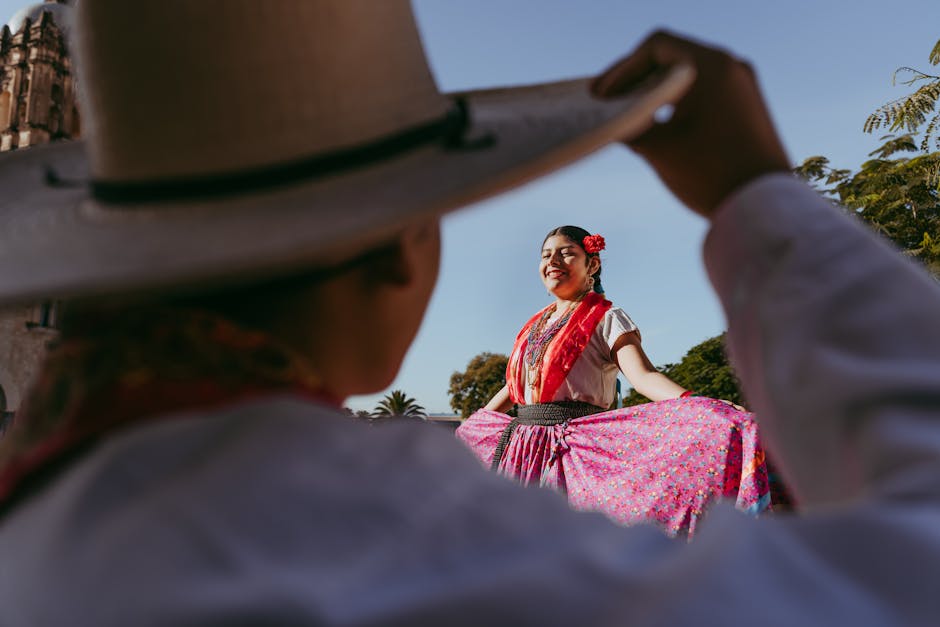
A celebration of indigenous dance, music, and costume from the eight regions of Oaxaca.
Why it matters: It is the most significant indigenous cultural exchange in Mexico, emphasizing communal sharing.
August highlights the grape harvest and the world-renowned traditions of mariachi music.
The world's best mariachi bands gather for concerts, parades, and public auditions.
Why it matters: Guadalajara is the birthplace of mariachi, and this event preserves the musical heritage of the nation.
September is the 'Mes de la Patria,' defined by patriotic fervor and the celebration of Mexican independence.
The President reenacts the call to revolution, followed by fireworks and national festivities.
Why it matters: It is the most important civic holiday in Mexico, symbolizing national sovereignty and identity.
October transforms the colonial streets of Guanajuato into a global stage for the performing arts.
A massive arts festival featuring international opera, theater, dance, and visual arts.
Why it matters: It is the most important artistic and cultural event in Latin America, originally inspired by the works of Cervantes.
High-speed racing at one of the most atmospheric tracks on the F1 calendar.
Why it matters: The event is famous for its 'Foro Sol' stadium section and the incredible energy of the local fans.
November is a mystical time in Mexico, as the country welcomes back the souls of the departed.
Elaborate altars, marigold-covered cemeteries, and parades honoring deceased loved ones.
Why it matters: It is a unique blend of indigenous and Catholic beliefs, celebrating the cycle of life and death.
A large-scale parade featuring giant puppets, dancers, and catrinas.
Why it matters: A modern tradition that has become a global visual symbol of Mexican culture.
December is filled with religious devotion and unique local traditions that close out the year.
Millions of pilgrims visit the Basilica to honor Mexico's patron saint.
Why it matters: It is the largest pilgrimage in the Americas and a cornerstone of Mexican spiritual life.
A unique competition where artisans carve intricate scenes out of oversized radishes.
Why it matters: A century-old tradition that showcases the incredible creativity and agricultural skill of local residents.
Pair the event calendar with self-guided walks and neighborhood routes.
EasyGuanajuato, Mexico
Explore the childhood home and artistic inspirations of Diego Rivera on this self-guided stroll through historic Guanajuato.
ModerateGuanajuato, Mexico
Explore the myths and hidden alleys of Guanajuato on this self-guided walk through romantic corners and legendary historic sites.
EasyGuanajuato, Mexico
Explore the hidden depths of Guanajuato on a self-guided walk through historic stone tunnels and vibrant plazas.
EasyGuanajuato, Mexico
Explore Guanajuato's vibrant nightlife through hidden mezcalerias, historic cantinas, and musical plazas on this self-guided evening stroll.
Don't miss the good stuff
Explore Freely