
Japan Events Calendar 2027: Matsuri, Hanami & GREEN×EXPO

Japan in 2027 month by month, from the International Horticultural Expo (GREEN×EXPO 2027) in Yokohama to Nara's Omizutori fire ritual, Kyoto's Gion Matsuri, Aomori's Nebuta floats and Nagasaki Kunchi.

Start Free on iPhone

Here for the events? Walk the cities with audio stories

Between festivals and concerts, start a self-guided audio walk in any city you visit with Zigway. Go at your own pace, whenever you're free.

Start free on iPhone

Your Private Tour Guide

5000+
cities
200+
countries
20+
languages
30000+
walks completed

Japan's calendar is built on shrine and temple festivals (matsuri), most of them held on the same dates every year, so it is easier to plan around than many countries. 2027 adds one big extra: GREEN×EXPO 2027, the International Horticultural Expo in Yokohama, open from 19 March to 26 September. The year starts with New Year shrine visits and the Toka Ebisu crowds in Osaka, then Setsubun on 3 February and the Sapporo Snow Festival. In March, Nara's Omizutori fire ritual at Tōdai-ji runs from 1 to 14 March, followed by cherry blossom season from late March into April. May has the Aoi Matsuri in Kyoto on 15 May and, because 2027 is an odd-numbered year, Tokyo's Kanda Matsuri in its full form. July is the month of Kyoto's Gion Matsuri, Fukuoka's Hakata Gion Yamakasa and Osaka's Tenjin Matsuri, and early August brings the big Tōhoku festivals, Nebuta in Aomori and Tanabata in Sendai, before the Obon dances and Kyoto's mountain fires on 16 August. Autumn is float-festival season in Nagasaki and Takayama and ends with the Jidai and Kurama festivals in Kyoto on 22 October and the autumn leaves in November. Dates marked 'typically' follow how the festival is usually scheduled and had not been confirmed for 2027 at the time of writing.

Planning for Japan events in 2027

Japan's rail network makes it easy to combine festivals: the Tōkaidō Shinkansen links Tokyo, Kyoto and Osaka in under three hours, and Nara is under an hour from Kyoto or Osaka. Hotels fill up and prices rise during Golden Week (29 April to 5 May 2027), Obon in mid-August and the New Year holidays, and in Kyoto during the Gion Matsuri and the cherry blossom and autumn leaf peaks, so book well ahead. The rainy season runs from early June to mid-July in most of the country, and typhoons are most likely from August to October. Most matsuri are free to watch; paid seating is sold for a few parades and fireworks, and the best roadside spots fill hours in advance. GREEN×EXPO 2027 is in the Kamiseya area of western Yokohama, reached by shuttle bus from nearby stations rather than directly by train.

Explore City Event Guides in Japan

Move from the national calendar to city-by-city event pages for more local detail.

January

January opens with the New Year holidays, when millions visit shrines for the year's first prayers, followed by Osaka's festival for the god of business.

3 events
Religious1–3 January 2027 (busiest days)Tokyo

Hatsumōde at Meiji Jingū

Area: Meiji Jingū, Shibuya, Tokyo

Hatsumōde is the first shrine visit of the year. At Meiji Jingū, Tokyo's best-known shrine, around three million people queue through the forest approach in the first three days to throw coins, pray and buy new charms and fortunes (omikuji).

Why it matters: It is the biggest religious gathering in Japan and shows how central the New Year is to Japanese life.
Religious9–11 January 2027 (fixed dates)Osaka

Tōka Ebisu

Area: Imamiya Ebisu Shrine, Naniwa, Osaka

Around a million people visit Imamiya Ebisu Shrine over three days to pray to Ebisu, the god of prosperity, and buy lucky bamboo branches (fukuzasa) decorated by shrine maidens, with the main day on 10 January.

Why it matters: It is the first big festival of the year in Osaka, a city built on trade, and has the energy of a market more than a solemn ritual.

FestivalTypically the fourth Saturday of January 2027Nara

Wakakusa Yamayaki

Area: Mount Wakakusa, Nara Park, Nara

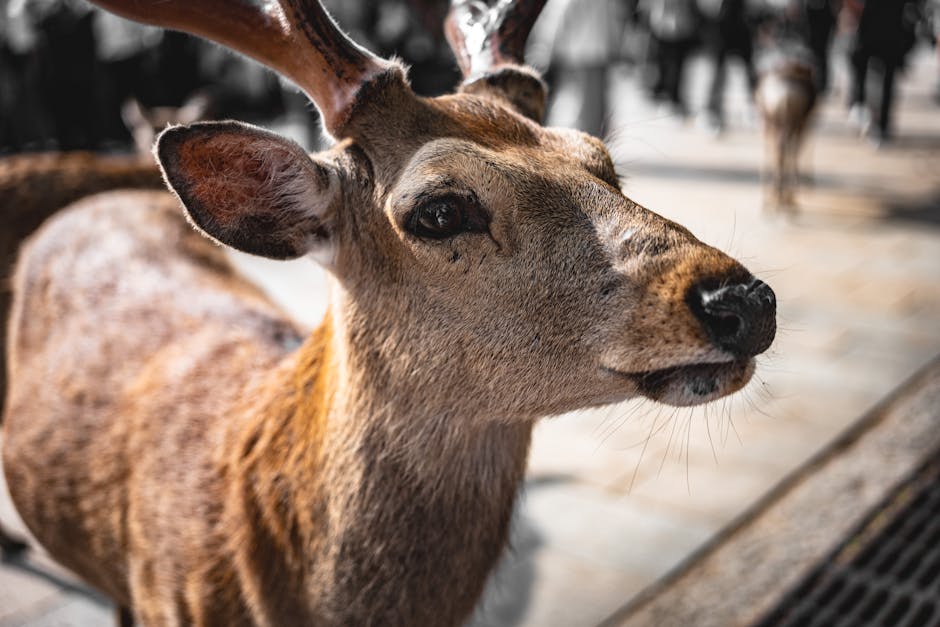
At dusk, after a fireworks display, the dry grass on Mount Wakakusa behind Nara Park is set alight, and the whole hillside burns for around half an hour, visible from across the city.

Why it matters: It is a striking way to see Nara's temple district at night, with Tōdai-ji and Kōfuku-ji in the foreground.

February

February is the coldest month, with Setsubun on 3 February, snow sculptures in Sapporo and lanterns in Nagasaki for Lunar New Year.

3 events
Religious3 February 2027Tokyo

Setsubun Bean-Throwing

Area: Sensō-ji, Asakusa, Tokyo, and temples and shrines nationwide

Setsubun marks the eve of spring in the old calendar. Temples and shrines hold mamemaki ceremonies, in which priests, celebrities and sumo wrestlers throw roasted soybeans into the crowd to drive out demons; Sensō-ji in Asakusa holds one of the best-known.

Why it matters: It is a lively, family-friendly ritual and a common sight in homes, schools and temples across the country.

FestivalTypically about a week in early February 2027

Sapporo Snow Festival

Area: Ōdōri Park and Susukino, Sapporo

Huge snow and ice sculptures, some the size of buildings, line Ōdōri Park in central Sapporo, with ice sculptures in the Susukino entertainment district and snow slides for children at a third site.

Why it matters: It is Japan's biggest winter festival and draws around two million visitors to Hokkaido.

FestivalTypically about two weeks from Lunar New Year (6 February 2027)

Nagasaki Lantern Festival

Area: Shinchi Chinatown and central Nagasaki

Around 15,000 Chinese lanterns light up Nagasaki's Shinchi Chinatown and the canals and parks around it, with dragon dances, acrobatics and a parade of figures in Qing-dynasty dress.

Why it matters: Nagasaki was Japan's only window to China and the West for over two centuries, and the festival grew out of its Chinese community's New Year.

March

March brings plum blossoms, Nara's ancient fire ritual and, on 19 March, the opening of GREEN×EXPO 2027 in Yokohama. Cherry blossoms usually start opening at the end of the month.

3 events
Religious1–14 March 2027 (fixed dates)Nara

Omizutori (Shuni-e) at Tōdai-ji

Area: Nigatsu-dō, Tōdai-ji, Nara

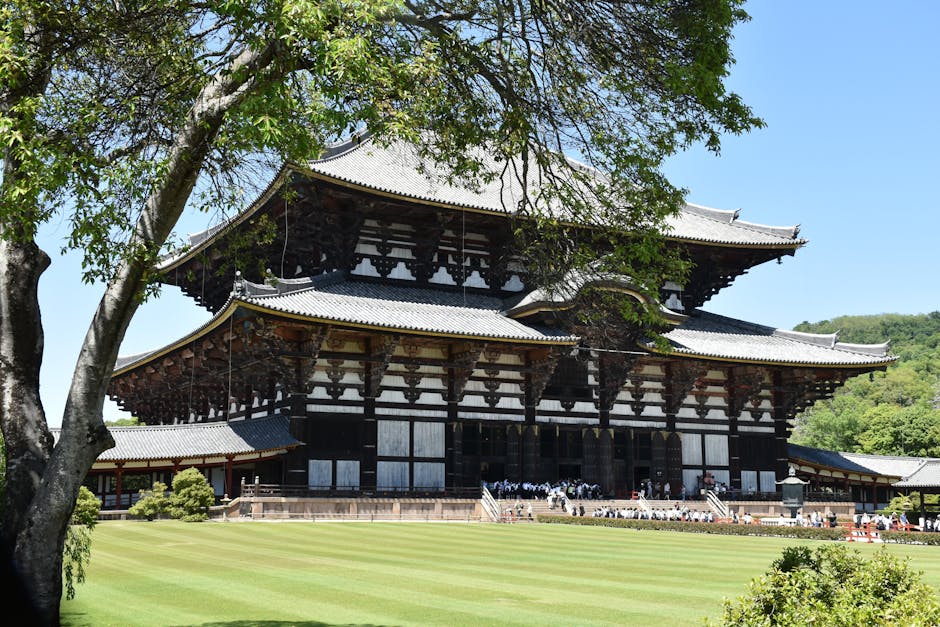
Every night for two weeks, monks run huge burning torches along the balcony of Nigatsu-dō hall, showering sparks over the crowd below; the torches are biggest on 12 March. The ceremony is part of a ritual of repentance held every year since 752.

Why it matters: Few Buddhist rituals anywhere have been held so long without a break, and locals say spring arrives in Nara when it ends.

Nature19 March – 26 September 2027

GREEN×EXPO 2027 (International Horticultural Expo)

Area: Kamiseya, Seya and Asahi wards, Yokohama

An international horticultural expo on a large site in western Yokohama, planted with millions of flowers and plants that change with the seasons. Around 600 cherry trees are expected to be in bloom at the opening, and the site is organised into themed villages on green technology, craft, farming and food, plus a Japan Pavilion and Garden and international gardens.

Why it matters: It is the first top-category (A1) horticultural expo in Japan since Osaka's Expo '90, recognised by the Bureau International des Expositions.

NatureTypically mid-February to mid-March 2027

Mito Plum Blossom Festival

Area: Kairakuen Garden, Mito, Ibaraki

Kairakuen, one of Japan's three great landscape gardens, has about 3,000 plum trees of around 100 varieties, which bloom before the cherry blossoms. The festival adds tea ceremonies, local food stalls and evening illuminations.

Why it matters: Plum blossom viewing is older than cherry blossom viewing in Japan, and Kairakuen is the classic place to do it.

April

April is cherry blossom season in most of the country and the start of Kyoto's spring dance performances. Golden Week begins on 29 April.

3 events
NatureTypically late March to early April 2027 in Tokyo and Kyoto

Hanami (Cherry Blossom Viewing)

Area: Parks nationwide, including Ueno Park (Tokyo) and Maruyama Park (Kyoto)

For about a week of peak bloom, people spread picnic mats under the cherry trees in parks for food, drink and evening parties, and many parks illuminate the trees at night. Popular spots include Ueno Park and the Chidorigafuchi moat in Tokyo and Maruyama Park and the Philosopher's Path in Kyoto.

Why it matters: Hanami is the most loved seasonal custom in Japan, and the short bloom shapes the whole spring travel calendar.

ArtsTypically throughout April 2027Kyoto

Miyako Odori

Area: Gion Kōbu Kaburenjō Theatre, Gion, Kyoto

The geiko and maiko of Gion Kōbu, Kyoto's largest geisha district, perform a spring dance show several times a day, with seasonal scenes, live music and elaborate costumes. Held since 1872; tickets are sold in advance.

Why it matters: It is the most accessible way for visitors to see geiko and maiko perform.

Festival14–15 April 2027 (fixed dates)

Takayama Spring Festival (Sannō Matsuri)

Area: Hie Shrine and the old town, Takayama, Gifu

Twelve ornate festival floats (yatai) are displayed around Hie Shrine in Takayama's old town, some with mechanical karakuri puppets that perform on top, and are lit with lanterns for an evening procession.

Why it matters: It is often called one of Japan's three most beautiful festivals, and the floats are part of a UNESCO-listed group of float festivals.

May

May starts with Golden Week holidays (3–5 May 2027) and brings some of the biggest shrine festivals in Tokyo and Kyoto.

4 events
Festival3–5 May 2027 (fixed dates)Hiroshima

Hiroshima Flower Festival

Area: Peace Boulevard and Peace Memorial Park, Hiroshima

During Golden Week, Peace Boulevard and the area around Peace Memorial Park fill with stages, flower displays, food stalls and a large parade, celebrating peace and the city's revival.

Why it matters: Golden Week crowds pack the boulevard, showing Hiroshima as a lively modern city.

FestivalTypically mid-May 2027 (main festival held in odd-numbered years)Tokyo

Kanda Matsuri

Area: Kanda Myōjin Shrine, Akihabara, Kanda and Nihonbashi, Tokyo

One of Tokyo's three great festivals. In its main years the shrine's gods are carried in a procession of portable shrines, floats and people in Heian-period costume through Kanda, Akihabara and Nihonbashi, and over the following days around 200 neighbourhood mikoshi are paraded to the shrine.

Why it matters: The full festival only happens every other year, and 2027 is one of them.

Festival15 May 2027 (fixed date)Kyoto

Aoi Matsuri

Area: Kyoto Imperial Palace to Shimogamo and Kamigamo shrines, Kyoto

More than 500 people in Heian-period court costume walk with ox carts and horses from the Kyoto Imperial Palace to the Shimogamo and Kamigamo shrines, all decorated with hollyhock (aoi) leaves. Reserved seats are sold at the palace; watching along the route is free.

Why it matters: Kyoto counts it among its three great festivals, and its origins go back more than 1,400 years.

FestivalTypically the third weekend of May 2027Tokyo

Sanja Matsuri

Area: Asakusa Shrine and Sensō-ji, Asakusa, Tokyo

Asakusa's festival is Tokyo's rowdiest: on the Sunday, three heavy portable shrines from Asakusa Shrine are carried through the streets by crowds of bearers, after a weekend of around 100 neighbourhood mikoshi, music and dancing.

Why it matters: It draws close to two million people and is the best place to see the old shitamachi (downtown) culture of Tokyo.

June

June is the start of the rainy season in most of the country, though northern Japan's festivals go ahead in fine early-summer weather.

2 events
FestivalTypically the first weekend of June 2027

Hyakumangoku Matsuri

Area: Central Kanazawa and Kanazawa Castle Park

Kanazawa marks the arrival of the feudal lord Maeda Toshiie at Kanazawa Castle in 1583 with a costumed procession from the station to the castle on the Saturday, followed by lantern floating on the Asano River and dancing in the streets.

Why it matters: It celebrates the Maeda clan, whose wealth made Kanazawa a centre of crafts and gardens such as Kenroku-en.

FestivalTypically about five days in early to mid-June 2027

Yosakoi Soran Festival

Area: Ōdōri Park and central Sapporo

Hundreds of teams in bright costumes perform energetic group dances combining yosakoi dance from Kōchi with the Hokkaido fishermen's song Soran Bushi, on stages and parade routes across central Sapporo.

Why it matters: Started by students in 1992, it has become one of the largest dance festivals in Japan.

July

July is festival month in western Japan, with the Gion Matsuri in Kyoto, the Yamakasa races in Fukuoka and the Tenjin Matsuri in Osaka. The rainy season usually ends mid-month.

4 events
Festival1–15 July 2027 (fixed dates)

Hakata Gion Yamakasa

Area: Kushida Shrine and streets of Hakata, Fukuoka

Teams of men in loincloths race heavy decorated floats through the streets of Hakata, with decorated display floats on show around the city during the first two weeks. The climax is the Oiyama race at 4:59 am on 15 July.

Why it matters: It has been held for more than 770 years and is part of the UNESCO-listed group of Japanese float festivals.

FestivalThroughout July 2027; float processions on 17 and 24 JulyKyoto

Gion Matsuri

Area: Shijō and Karasuma streets and Yasaka Shrine, Kyoto

Kyoto's most famous festival lasts the whole month. Its high points are the great float processions on 17 and 24 July, when towering wooden floats hung with tapestries are pulled through the city, and the evenings before them (yoiyama), when the floats stand lit in the streets and some old merchant houses open their doors.

Why it matters: It dates back to 869 and is one of Japan's three great festivals.

Festival24–25 July 2027 (fixed dates)Osaka

Tenjin Matsuri

Area: Osaka Tenmangū Shrine and the Ōkawa River, Osaka

Osaka's biggest festival honours the god of learning. On 25 July a land procession of around 3,000 people leaves Tenmangū Shrine, followed by a river procession of about 100 boats lit with lanterns and a fireworks display over the Ōkawa River.

Why it matters: Ranked among Japan's three great festivals, it is the most spectacular sight on Osaka's rivers.

FestivalTypically the last Saturday of July 2027Tokyo

Sumidagawa Fireworks Festival

Area: Sumida River near Asakusa, Tokyo

Around 20,000 fireworks are launched from two sites on the Sumida River in an evening display watched by close to a million people from riverbanks, bridges and rooftops in Asakusa.

Why it matters: It continues a fireworks tradition on the Sumida dating back to 1733 and is Tokyo's best-known summer event.

August

August is hot and humid, the time of the great Tōhoku festivals, Obon dancing and Hiroshima's day of remembrance.

5 events
Festival2–7 August 2027 (fixed dates)

Aomori Nebuta Matsuri

Area: Central Aomori and Aomori Bay

Giant illuminated paper floats of warriors and mythical figures are pulled through Aomori at night, surrounded by drummers and hundreds of dancers (haneto) whom visitors can join if they wear the costume. On the last day the floats go out on the bay, followed by fireworks.

Why it matters: It is the biggest of the Tōhoku summer festivals and draws millions to northern Honshu.

Culture6 August 2027 (fixed date)Hiroshima

Hiroshima Peace Memorial Ceremony

Area: Peace Memorial Park, Hiroshima

On the anniversary of the 1945 atomic bombing, the city holds a ceremony in Peace Memorial Park, with a minute of silence at 8:15 am, the time the bomb exploded. In the evening thousands of paper lanterns are floated on the Motoyasu River.

Why it matters: It is the most important day in Hiroshima's calendar and a powerful time to visit the city.

Festival6–8 August 2027 (fixed dates)

Sendai Tanabata Festival

Area: Shopping arcades of central Sendai

Sendai's shopping arcades are hung with thousands of huge, colourful paper streamers made by local shops and schools, celebrating the star festival of Tanabata, with fireworks on the evening before.

Why it matters: Sendai celebrates Tanabata a month later than most of Japan, following the old calendar, and its decorations are the most elaborate in the country.

Festival12–15 August 2027 (fixed dates)

Awa Odori

Area: Central Tokushima, Shikoku

During Obon, groups of dancers and musicians fill the streets of Tokushima every evening, performing the Awa dance to shamisen, flutes and drums. Some groups invite visitors to join in.

Why it matters: More than a million spectators make it Japan's largest Obon dance festival.

Religious16 August 2027 (fixed date)Kyoto

Gozan no Okuribi

Area: Mountains around Kyoto; good views from the Kamo River and Funaoka-yama

At the end of Obon, giant bonfires in the shape of Chinese characters and symbols, including the character 大 (dai) on Mount Nyoigatake, are lit one after another on five mountains around Kyoto to guide the spirits of ancestors back to the other world.

Why it matters: It is the solemn closing of Obon in Kyoto and one of the city's most memorable sights.

September

September is still warm and is typhoon season. GREEN×EXPO 2027 enters its final weeks before closing on 26 September.

1 event
FestivalTypically the weekend before Respect for the Aged Day (mid-September 2027)

Kishiwada Danjiri Matsuri

Area: Kishiwada, Osaka Prefecture

Teams pull heavy wooden danjiri floats at full speed through the narrow streets of Kishiwada, swinging them around sharp corners (yarimawashi) while a carpenter dances on the roof.

Why it matters: Few Japanese festivals are as thrilling or as dangerous, and it has been held for about 300 years.

October

October is comfortable for travel and has some of the best float festivals, plus two of Kyoto's big events on 22 October.

4 events
Festival7–9 October 2027 (fixed dates)

Nagasaki Kunchi

Area: Suwa Shrine and central Nagasaki

The festival of Suwa Shrine brings performances by Nagasaki's neighbourhoods, including dragon dances, Dutch- and Chinese-style floats and ships spun on the shrine steps. Each neighbourhood performs only once every seven years, so the programme changes every year.

Why it matters: It reflects Nagasaki's unique history of contact with China and Europe.

Festival9–10 October 2027 (fixed dates)

Takayama Autumn Festival (Hachiman Matsuri)

Area: Sakurayama Hachiman Shrine and the old town, Takayama, Gifu

Eleven ornate floats are displayed near Sakurayama Hachiman Shrine in the northern half of Takayama's old town, with karakuri puppet shows and an evening lantern procession.

Why it matters: It is the autumn half of the Takayama festival, with the old town's sake breweries and merchant houses as a backdrop.

Festival22 October 2027 (fixed date)Kyoto

Jidai Matsuri (Festival of the Ages)

Area: Kyoto Imperial Palace to Heian Shrine, Kyoto

About 2,000 people in costumes from each period of Kyoto's history, from the Meiji era back to the Heian era, walk in procession from the Kyoto Imperial Palace to Heian Shrine.

Why it matters: It celebrates the founding of Kyoto as the capital in 794 and is a walking history lesson of Japanese dress.

Festival22 October 2027 (fixed date)Kyoto

Kurama Fire Festival (Kurama no Hi Matsuri)

Area: Yuki Shrine, Kurama, northern Kyoto

On the same evening as the Jidai Matsuri, residents of the mountain village of Kurama carry huge pine torches through the narrow main street to Yuki Shrine, chanting, until the street is filled with flame and smoke.

Why it matters: Kyoto has no more dramatic festival, though the village is small, trains are packed and access may be restricted.

November

November brings autumn colours to Kyoto and Nara and family shrine visits for children.

3 events
Religious15 November 2027, with shrine visits throughout NovemberTokyo

Shichi-Go-San

Area: Meiji Jingū (Tokyo) and shrines nationwide

Families take children aged three, five and seven, many dressed in kimono, to shrines to pray for their health and buy long red-and-white chitose-ame candy. Meiji Jingū is one of the most popular shrines for it.

Why it matters: Shrines are full of children in kimono, a sight rarely seen at other times of year.

FestivalTypically two or three days in November 2027 (the days of the rooster)Tokyo

Tori-no-ichi Fairs

Area: Ōtori Shrine, Asakusa, Tokyo

On the days of the rooster in the traditional calendar, Ōtori shrines hold night markets selling decorated bamboo rakes (kumade) for good luck in business. Stallholders clap and chant when one is sold. The biggest is at Ōtori Shrine in Asakusa.

Why it matters: It is an old Edo-period merchants' custom that still draws large crowds in Tokyo's downtown.

NatureTypically mid to late November 2027Kyoto

Autumn leaves in Kyoto

Area: Temples and gardens across Kyoto, including Tōfuku-ji, Eikan-dō and Arashiyama

Maple trees turn red at temples such as Tōfuku-ji, Eikan-dō and Kiyomizu-dera and in Arashiyama, and many temples open for special evening illuminations of their gardens.

Why it matters: Autumn colours are as celebrated as cherry blossoms in Japan, and Kyoto's temples are the classic setting.

December

December is quieter, with a few historic festivals before New Year's Eve, when temples ring their bells 108 times.

3 events
Festival2–3 December 2027 (fixed dates)

Chichibu Night Festival (Chichibu Yomatsuri)

Area: Chichibu Shrine and central Chichibu, Saitama

Huge floats covered in lanterns are hauled through Chichibu on the night of 3 December, up a steep slope to the town hall square, while a winter fireworks display lights the sky.

Why it matters: Counted among Japan's three great float festivals, it is an easy trip from Tokyo by train.

Religious15–18 December 2027 (fixed dates)Nara

Kasuga Wakamiya On-Matsuri

Area: Kasuga Taisha and Nara Park, Nara

The festival of Kasuga Taisha's Wakamiya shrine has been held without a break since 1136. Its highlight is the procession through Nara Park on 17 December, with performers in costumes from different historical periods, followed by court dance and music at a temporary shrine.

Why it matters: Ancient court music and dance (gagaku and bugaku) are seldom performed in public, and here they are free to watch.

Religious31 December 2027 (fixed date)Kyoto

Joya no Kane at Chion-in

Area: Chion-in Temple, Higashiyama, Kyoto, and temples nationwide

On New Year's Eve, Buddhist temples ring their bells 108 times, once for each earthly desire. At Chion-in, a team of monks swings a log with ropes to strike one of the largest bells in Japan.

Why it matters: It is the traditional way to see out the old year in Japan, and Chion-in's bell ringing is the most dramatic.

Explore Japan with Zigway

Pair the event calendar with self-guided walks and neighborhood routes.

Frequently Asked Questions About Japan Events in 2027

GREEN×EXPO 2027, the International Horticultural Expo, runs from 19 March to 26 September 2027 in the Kamiseya area of Yokohama. The site is planted with millions of flowers and plants, with around 600 cherry trees expected to be in bloom at the opening, plus themed 'villages' and pavilions on green technology, craft, food and farming.

Don't miss the good stuff

Explore Freely

Start free on iPhone