
Walking Tours: The Greenest Way to Explore a City
Zero fuel, zero emissions, zero infrastructure needed. Walking tours are the greenest way to explore a city. Here are five European cities proving it.

Here is a travel fact that does not get enough attention: the single lowest-carbon way to explore a city is to walk it. No fuel, no emissions, no battery, no infrastructure. Just you, your shoes, and the street. In a year when sustainability ranks as a top concern for travelers worldwide, walking tours are not just a nice option. They are the greenest choice you can make.
This is not a guilt trip. It is an invitation. The cities that are most rewarding to walk also tend to be the ones investing most heavily in pedestrian infrastructure, green spaces, and car-free zones. When a city makes it easy to walk, everyone wins: residents breathe cleaner air, visitors see more, and the neighborhood keeps its character instead of being reshaped around bus parking.
Here are five European cities leading the way in walkable, sustainable urban exploration.
Copenhagen: The City That Chose Pedestrians
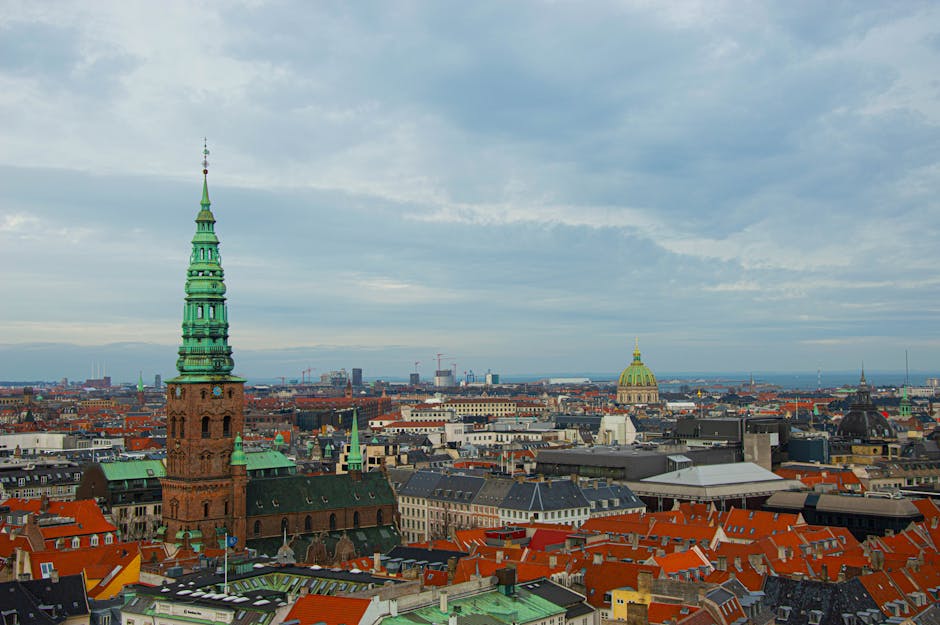
Copenhagen has been deliberately redesigning itself around people instead of cars for decades. The Stroget, one of Europe's longest pedestrian streets, has been car-free since 1962. Since then, the city has added hundreds of kilometers of bike lanes, converted parking lots into public squares, and built an entire harbor district (Nordhavn) designed around walking and cycling.
Walk from the colorful waterfront of Nyhavn (yes, it is touristy, but it is also genuinely beautiful) south into Christianshavn. This is where Copenhagen gets interesting: canal-side warehouses converted into cafes, the freetown of Christiania with its DIY architecture and communal gardens, and the Church of Our Saviour with its external spiral staircase offering panoramic city views.
Continue across the Inderhavnsbroen (the "kissing bridge," named for its two halves that swing apart for boats) to the new Nordhavn district, where you can walk waterfront promenades past swimming pools built into the harbor. The water is clean enough to swim in. That alone tells you something about Copenhagen's environmental priorities.
Explore self-guided walking tours in Copenhagen
Amsterdam: Canal Walks and Car-Free Neighborhoods
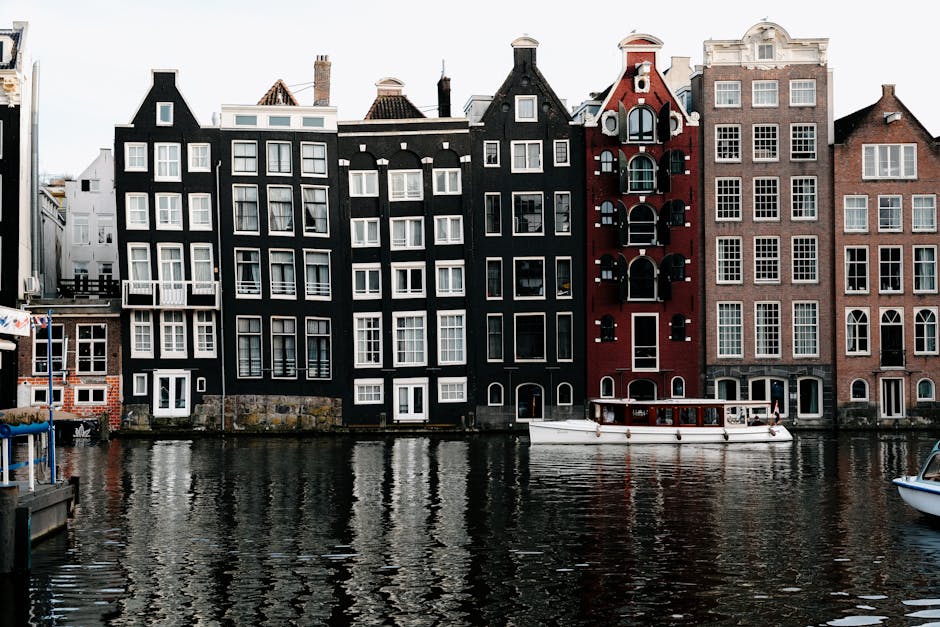
Amsterdam's canal ring (a UNESCO World Heritage site) is one of the most naturally walkable urban landscapes in the world. The concentric canals, Herengracht, Keizersgracht, and Prinsengracht, create a rhythm of bridges, water, trees, and narrow houses that rewards walking at every turn. Literally: every bridge offers a new perspective.
The city has been aggressively reducing car traffic in the center. Large sections of the Jordaan and De Pijp neighborhoods are now effectively car-free, with streets given over to cafe terraces, bicycle parking, and pedestrians. The Albert Cuypmarkt in De Pijp, one of the largest street markets in Europe, is best experienced on foot: stroopwafels from a cart, Surinamese roti, Dutch herring, all within a few hundred meters.
Amsterdam is also pioneering "15-minute city" planning, where residents can reach daily needs (shops, parks, schools, healthcare) within a 15-minute walk. For visitors, this means neighborhoods feel complete and self-contained: you can spend a full day walking the Jordaan or the Plantage without needing transit.
Explore self-guided walking tours in Amsterdam
Vienna: Imperial Gardens and Pedestrian Boulevards
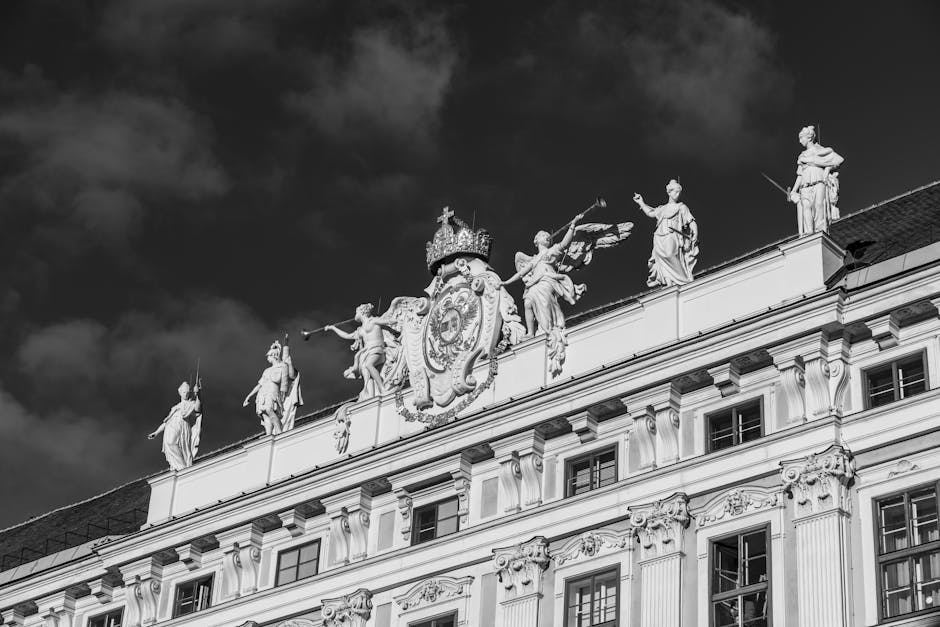
Vienna is Europe's most livable city (it has won the Mercer ranking so many times it barely makes the news anymore), and walkability is a major reason why. The Ringstrasse, the grand boulevard that encircles the old city, is a masterclass in urban design: wide sidewalks, mature trees, parks every few hundred meters, and some of the most impressive public buildings on the continent.
Walk the Ring from the Opera House to the Rathaus (City Hall) and you pass the Hofburg Palace, the Parliament, the Volksgarten (where roses bloom from May to October), the Burgtheater, and the University. It is roughly four kilometers, entirely flat, and every section has benches and shade. This is what it looks like when a city respects pedestrians.
Beyond the Ring, the Belvedere Gardens offer a green corridor through the city's art district. The Prater, Vienna's enormous public park, has kilometers of walking paths through old-growth forest that feel impossible for a city of two million. And the Danube Canal, once a neglected waterway, now has a vibrant waterfront path lined with street art, pop-up bars, and urban beaches.
Explore self-guided walking tours in Vienna
Barcelona: Superblocks and the Walkable Mediterranean City
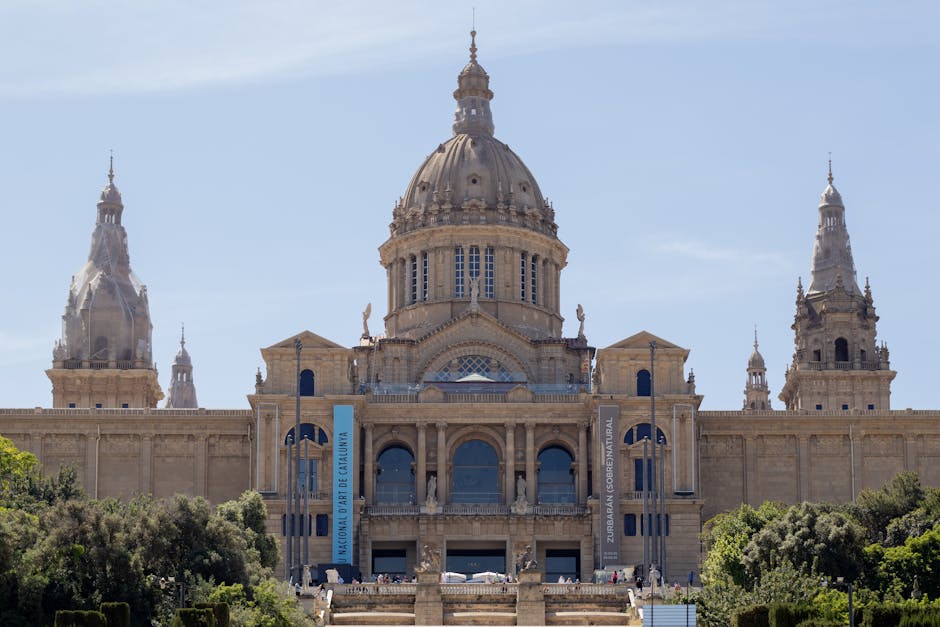
Barcelona is in the middle of one of the boldest urban experiments in Europe: Superblocks (Superilles). The concept is simple but radical. Groups of city blocks are closed to through-traffic, turning interior streets into pedestrian plazas, playgrounds, and green spaces. The first Superblock, in the Sant Marti neighborhood, transformed a grid of noisy streets into a place where children play, neighbors sit, and trees grow where cars used to park.
For walkers, the Superblock neighborhoods feel like a different city. The noise drops, the air clears, and the architecture of the Eixample (Cerda's famous grid) becomes visible in a way it never is when you are dodging traffic. Walk the Superblock around Sant Antoni Market and you will find one of the most pleasant urban spaces in southern Europe: wide sidewalks, outdoor dining, and a renovated market hall that is worth visiting just for the architecture.
Beyond the Superblocks, Barcelona's older neighborhoods are naturally walkable. Sarria, a former village absorbed by the city, has winding lanes, small plazas, and an atmosphere that feels more like Provence than a Mediterranean metropolis. The Zigway app is particularly useful in these quieter neighborhoods, where the stories are not marked by signs or crowds.
Explore self-guided walking tours in Barcelona
Berlin: The Wall Trail and Car-Free Culture
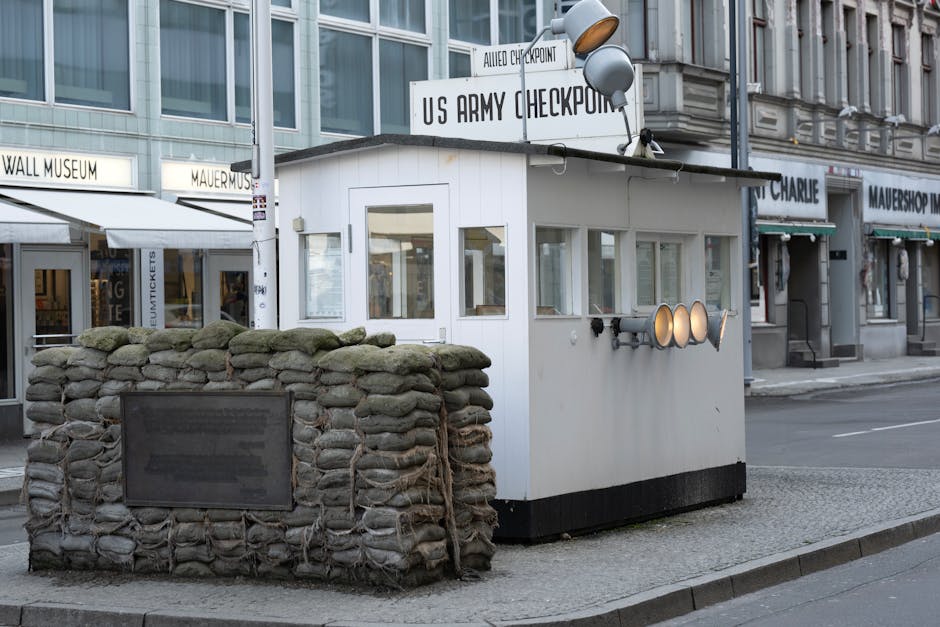
Berlin has some of the most ambitious car-free plans in Europe. Large sections of Friedrichshain and Kreuzberg have been traffic-calmed, with streets given over to cycling, walking, and outdoor dining. The city's flat terrain and enormous parks (the Tiergarten alone is larger than London's Hyde Park) make it one of the easiest European capitals to explore on foot.
The Berlin Wall Trail (Berliner Mauerweg) is one of the great urban walks in the world. The full route follows the path of the former Wall for 160 kilometers around the entire city, but shorter sections are perfect for a half-day walk. The stretch from the East Side Gallery (the longest surviving section of the Wall, covered in murals) to the Bernauer Strasse Memorial passes through neighborhoods that were literally divided for 28 years. The ghost stations (subway stops that trains passed through without stopping because they were under East Berlin) add an eerie, unforgettable layer to the walk.
Berlin also leads in urban green infrastructure. The Tempelhofer Feld, a former airport converted into a public park, is car-free, building-free, and enormous: you can walk, cycle, or rollerblade on the old runways while kite flyers and urban gardeners use the surrounding fields. It is one of the best examples in Europe of reclaiming car and aviation infrastructure for people.
Explore self-guided walking tours in Berlin
Tips for Greener City Exploration
Walking is already the most sustainable way to see a city. Here is how to lean into it further:
- Stay central. A hotel or hostel in a walkable neighborhood means you can leave the transit system to commuters. You will save money and see more.
- Pack light shoes. Comfortable, lightweight walking shoes make the difference between a three-hour walk and an all-day one. Pack shoes you would actually want to wear for 15 kilometers.
- Refill, do not rebuy. Most European cities have excellent tap water. Carry a reusable bottle and refill at public fountains (especially in Rome, where the nasoni are everywhere).
- Eat local, eat close. The best food in any city is in the neighborhoods, not the tourist strips. Walking gets you to the places where locals actually eat, which also tends to mean shorter supply chains and less waste.
- Use self-guided audio tours. Group tours often use buses to move between stops. A self-guided walk with Zigway covers the same ground with zero emissions and a more flexible schedule.
- Support walking infrastructure. Pay the entry fee. Tip the street musician. Buy from the market vendor. The economic signal that pedestrian spaces are valued is what keeps cities investing in them.
The Simplest Climate Action: Walk More
You do not need a carbon calculator to know that walking is better than driving, flying, or even taking a bus. But the argument for walking tours goes beyond emissions. Walking is how you actually experience a city: its textures, its smells, its rhythms. The sustainability benefit is real, but the selfish benefit (you will have a better trip) might be even more persuasive.
Find your next walk. Browse all Zigway destinations and explore the greenest way to see the world.