
Untrendy Travel: Why Slow Walking Tours Are the 2026 Mood
2026 is the year of untrendy travel: mood over metrics, curiosity over clout, walking over rushing. Here are five cities that reward those who slow down.

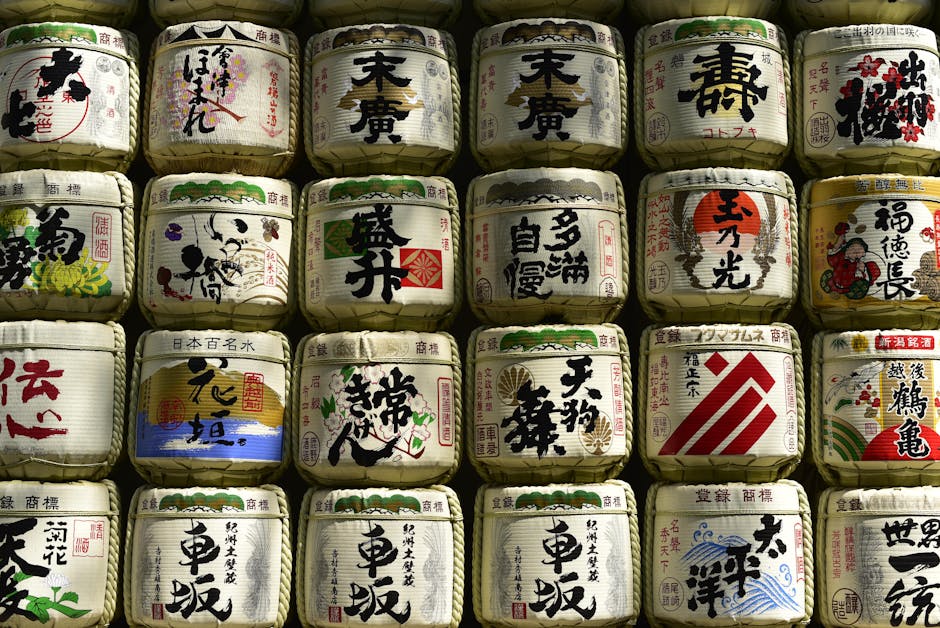
Somewhere around 2019, travel became a performance. Selfie sticks at the Trevi Fountain, color-coordinated outfits at Santorini viewpoints, 30-second Reels at places you barely looked at with your own eyes. It was exhausting. And now, in 2026, travelers are pushing back.
The word being used is "untrendy travel." It is not a rejection of travel itself, obviously. It is a rejection of the checklist approach: the idea that a trip is only valid if it produces shareable content. Untrendy travel is about mood over metrics, curiosity over clout, and silence over selfie spots. And the most natural vehicle for this kind of travel? Walking.
Here are five cities where slowing down on foot reveals something the fast version never could.
Lisbon: Following Pessoa Through Chiado
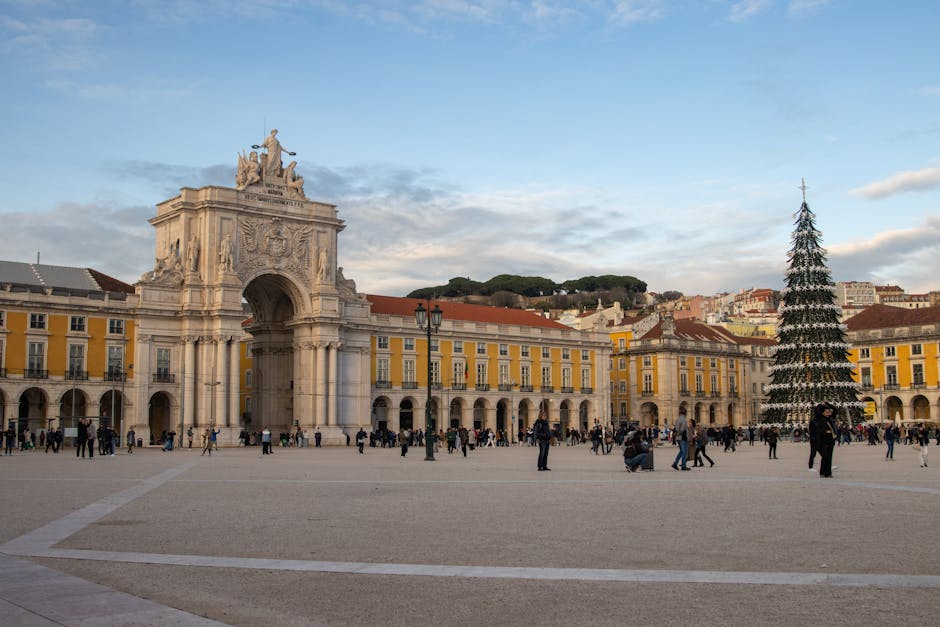
Lisbon rewards those who resist the urge to optimize. The city's hills are not obstacles; they are invitations to stop, catch your breath, and look around. Chiado, the literary heart of the city, is where the poet Fernando Pessoa spent his afternoons writing at Cafe A Brasileira. His bronze statue still sits outside, legs crossed, at a table you can join.
Walk the narrow streets around Largo do Carmo, where the roofless Carmo Convent stands open to the sky after the 1755 earthquake. Nobody rushes here. Elderly neighbors chat from windows, bookshops stay open late, and the sound of a street musician's guitar carries from three blocks away. This is the kind of Lisbon that doesn't make anyone's "Top 10 Instagram Spots" list. That is precisely why it works.
Explore self-guided walking tours in Lisbon
Florence: Medieval Lanes Beyond the Duomo
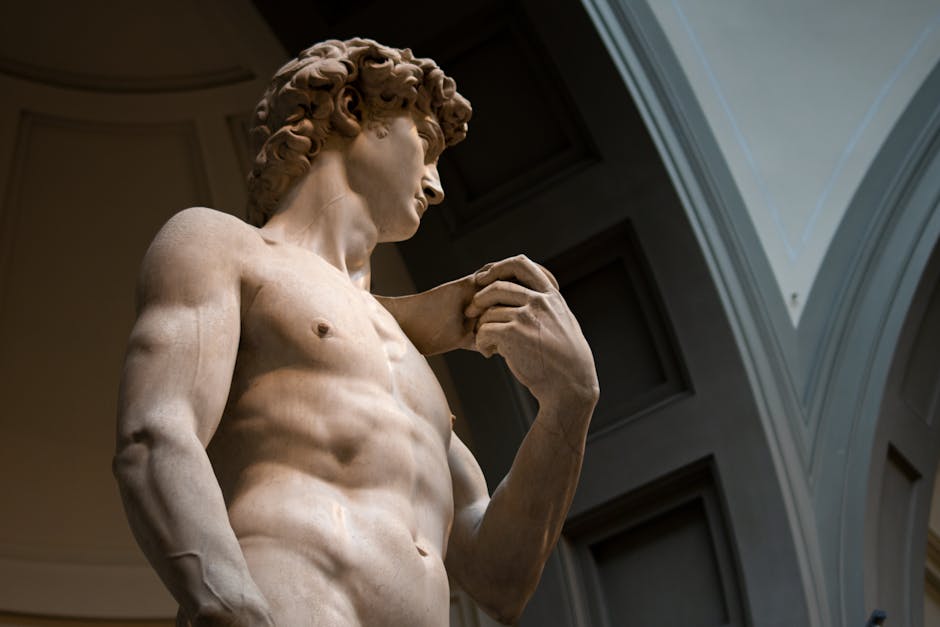
Florence has a crowd problem, and it knows it. The area around the Duomo and Ponte Vecchio is essentially a beautiful bottleneck. But walk ten minutes in any direction and the city transforms. The Oltrarno (literally "the other side of the Arno") is where Florentine artisans still work: bookbinders, leather toolers, woodcarvers. Workshops that have been in the same family for generations have their doors propped open. You can watch and nobody minds.
East of the Duomo, follow the streets Dante Alighieri would have walked: Via Dante Alighieri itself passes his supposed birthplace, and the surrounding lanes are lined with medieval tower houses that predate the Renaissance. This is Florence before it became Florence: raw, vertical, stone-dark. The tourist crowds do not reach here because there is no single attraction pulling them. There is just... a neighborhood. And that is the entire point.
Explore self-guided walking tours in Florence
Tokyo: The Quiet Side of Yanaka
Tokyo is one of the most overwhelming cities on earth, which is exactly why Yanaka feels like a miracle. This neighborhood in the city's northeast survived both the 1923 earthquake and the World War II firebombing, leaving it with something almost nowhere else in Tokyo has: continuity. Old wooden houses, narrow lanes, family-run sweet shops, and over 70 Buddhist temples packed into a handful of blocks.
Walk Yanaka Ginza, the short shopping street where vendors sell rice crackers and cat-shaped pastries (the neighborhood is famous for its stray cats). Then lose yourself in the surrounding cemetery, which sounds morbid but is actually one of the city's loveliest green spaces: cherry trees, birdsong, and gravestones of Edo-era samurai. The Zigway app is useful here because the stories behind these temples and graves are invisible without context.
Yanaka is not a secret. But it is not trending, and it does not try to be. That is its superpower.
Explore self-guided walking tours in Tokyo
Porto: Baroque Hills Above the Crowds
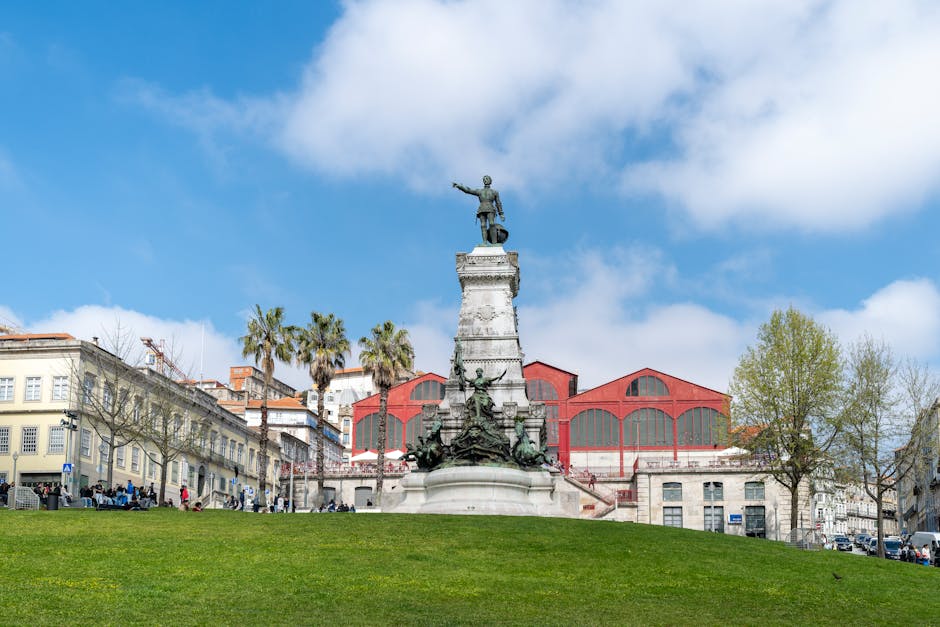
Porto's Ribeira waterfront is gorgeous, and it is packed. The pastel-colored houses stacked along the Douro have earned their place on every travel blog. But climb the steep streets behind the waterfront and you enter a different Porto: quieter, more residential, and arguably more beautiful.
The Baroque churches of the upper city (Clerigos, Carmo, and the blue-and-white tiled Igreja de Santo Ildefonso) are architectural showstoppers, but they do not draw the same density of visitors as the Ribeira. Walk Rua das Flores, which was pedestrianized a few years ago and has become a calm, beautiful corridor of old shops, tiled facades, and small cafes. Order a francesinha (Porto's outrageous meat sandwich) and a cold Super Bock. Watch the city go by.
Porto is a walking city by necessity. Its hills are steep, its streets are narrow, and its public transit does not reach the interesting parts. That is not a flaw. That is a feature.
Explore self-guided walking tours in Porto
Bath: Georgian Elegance at Walking Speed
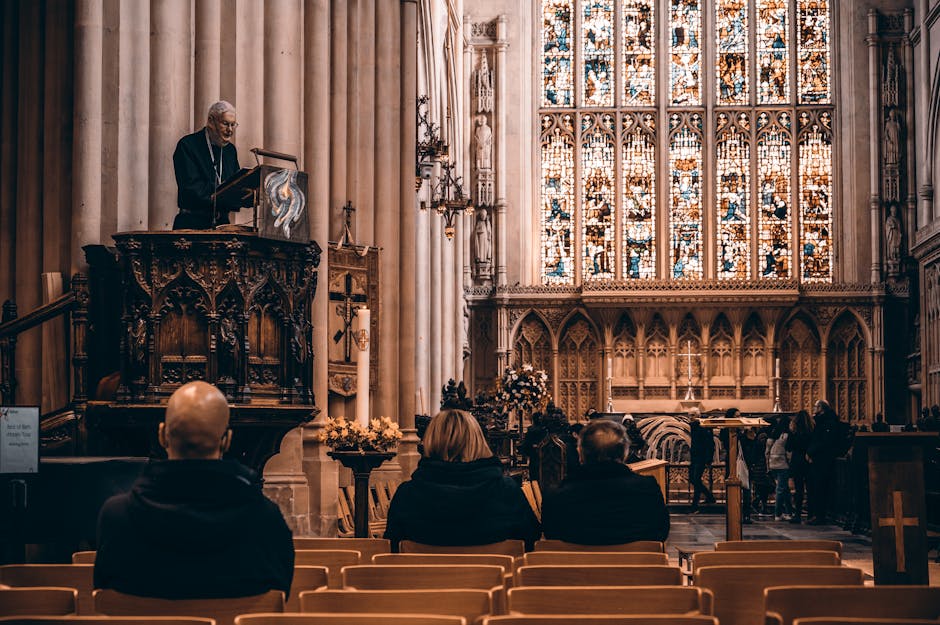
Bath is what happens when an entire city is designed to be walked. The Romans built it around hot springs. The Georgians rebuilt it around promenades. The result is a compact, golden-stone city where every street curves into a view, and rushing would mean missing most of it.
The Royal Crescent is the obvious anchor: 30 terraced houses arranged in a perfect crescent, overlooking a lawn that slopes down to the park. But walk five minutes south and you reach the Circus, an earlier masterpiece of the same architect, John Wood the Elder. The acorn finials on the roofline, the Masonic symbols carved into the stone, the way the three curved terraces form a circle that mirrors the Colosseum in Rome: you need to be on foot, and looking up, to catch any of it.
Bath is also one of the easiest cities to walk without a plan. The compact center means you will stumble into something worth seeing every few minutes: the Pulteney Bridge (one of only four bridges in the world lined with shops on both sides), the abbey, the medieval lanes around Sally Lunn's. No itinerary required.
Explore self-guided walking tours in Bath
How to Practice Untrendy Travel
Untrendy travel is not a rulebook. It is a mindset. But a few principles help:
- Leave the itinerary loose. Block out a neighborhood, not a list of attractions. Give yourself three hours and see what happens.
- Put the phone away (mostly). Take photos for yourself, not for an audience. If you are composing a caption before you have finished looking, you are doing it backwards.
- Walk at residential speed. Match the pace of the locals, not the tour groups. If everyone around you is strolling, you should be too.
- Sit down more. A bench in a good piazza with a coffee is not wasted time. It is the whole point.
- Use audio, not screens. A self-guided audio tour through Zigway lets you learn the stories behind what you are seeing without staring at your phone. Eyes up, ears open.
- Skip the top-five lists. The second-best viewpoint in any city has the same view and a tenth of the crowd.
The Best Souvenir Is a Feeling
The untrendy travel movement is not anti-technology or anti-tourism. It is pro-attention. It is the recognition that the best moments on a trip are usually the quiet ones: the street you found by accident, the conversation you had with a shopkeeper, the hour you spent doing nothing in a park. You cannot schedule those moments. But you can create the conditions for them.
Walk slower. Look longer. Listen more. The city will meet you halfway.
Ready to explore at your own pace? Browse walking tours across Europe and Asia.