
Vilnius in Summer: A Self-Guided Walking Tour
A full-day self-guided walking tour of Vilnius's UNESCO old town, including the climb to Gediminas Tower and the surviving fragments of the Jewish quarter.

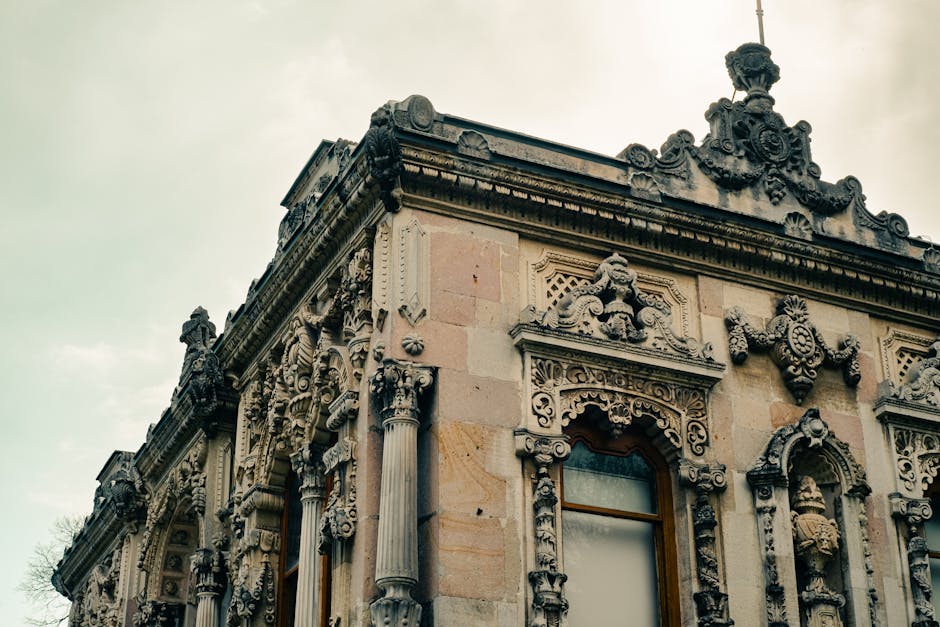
Vilnius surprises almost everyone who comes to it. The old town is the largest baroque historic core in northern Europe (a UNESCO site, with more than 1,500 surviving medieval and baroque buildings), it sits in a green river valley with viewpoints on every side, and it stays comfortably cool in summer with July averages of 23 degrees. Prices are still about half of Stockholm or Copenhagen, and the city has a relaxed, slightly bohemian energy that pulls you back even after a short visit.
This is our full-day self-guided route through Vilnius on a first visit. Old town, panoramic hilltops, hidden courtyards, and a long Lithuanian dinner. For the residential side of the city, see our Vilnius neighbourhoods piece. For why we love it as a summer city, see the Baltic capitals comparison and the coolcation Europe 2026 pillar.
9am: Cathedral Square and the Bell Tower
Start at Cathedral Square, the obvious centre of Lithuanian Vilnius. The Cathedral itself, with its bright neoclassical facade, looks Italian, but the freestanding Bell Tower in front is one of the oldest structures in the city, originally part of the medieval defensive walls. Look for the small green tile in the cobbles marked stebuklas ("miracle") on the square. Spinning on it three times is the local good-luck ritual, dating back to the Baltic Way human chain of 1989.
The Cathedral interior, especially the Chapel of St Casimir, is worth a quiet 20 minutes.
10am: Up to Gediminas Tower

Behind the Cathedral, a switchback path climbs Gediminas Hill to the red-brick Gediminas Tower at the top. It is the surviving stump of the old castle complex, around 20 minutes' walk up at an easy pace. The view from the top is the postcard view of Vilnius: red roofs, baroque domes, the Neris and Vilnia rivers winding around the green hills.
Entry to the tower museum costs about 6 euros, but the surrounding hilltop is free to walk and the view is the same from outside the tower.
11:30am: Pilies Street and the baroque churches
Walk south from Cathedral Square down Pilies Street, the medieval spine of the old town. Every other building is a baroque guild house or a working art gallery. Stop at the Church of St Anne, a late-Gothic red-brick masterpiece that Napoleon famously said he would carry back to Paris in the palm of his hand. The neighbouring Bernardine Church and the Bernardine Gardens behind it are an easy 30-minute pause.
Keep walking south past the University. The Vilnius University courtyards (open to walk through, free) are some of the most beautiful spaces in the city, a stack of arcaded baroque squares from the 16th century onward.
1pm: Lunch break
Aim for one of the old town's smaller restaurants. Etno Dvaras (touristy but good) does proper Lithuanian: cepelinai (potato dumplings stuffed with meat), saltibarsciai (pink cold beetroot soup, perfect in summer), and dark rye bread with cured pork fat. Around 12 to 18 euros for lunch including a beer. For something quieter, Lokys is the long-time local favourite hidden in a cellar on Stikliu Street.
3pm: Secret courtyards
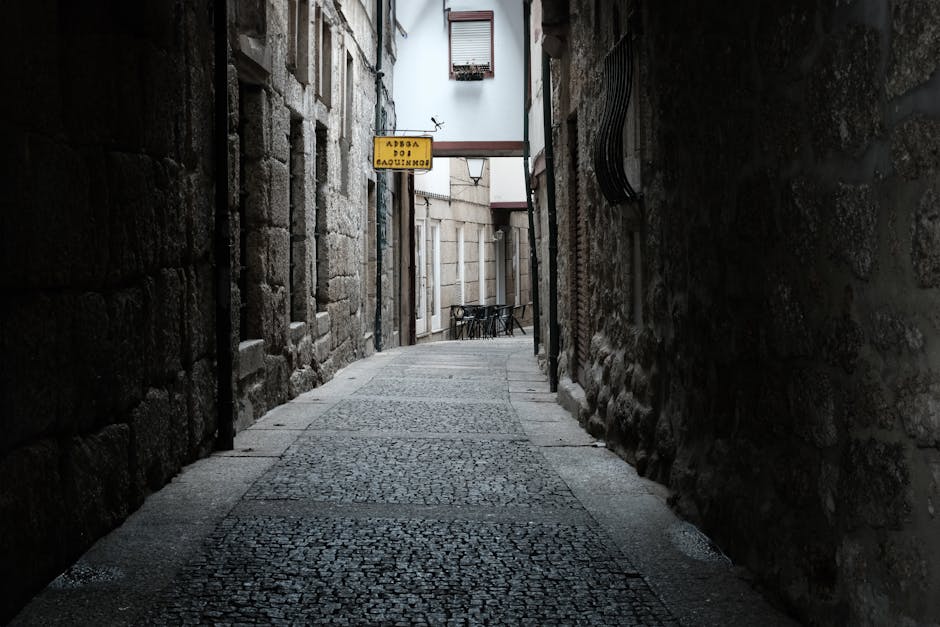
Like Tallinn, Vilnius is full of inner courtyards (kiemai) tucked behind ordinary-looking street facades. The best are clustered on Stikliu Street, Pilies Street, and the small lanes off Didzioji. Some are open all day. Others you have to push through a doorway to discover.
Allow an hour for unhurried exploration. The most famous is the Literatu Street (Literatu Gatve) wall, where local artists have installed dozens of small plaques honouring Lithuanian writers, end-to-end down one alley. It is a tiny, quietly moving moment.
4:30pm: Jewish Vilnius
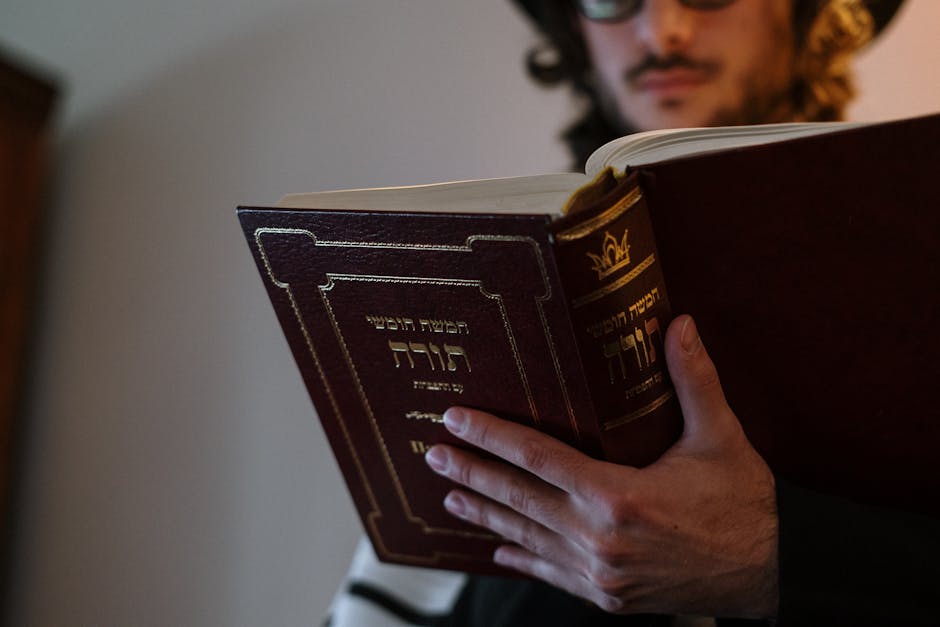
Vilnius was, until 1941, one of the great Jewish cities of Europe, called the Jerusalem of the North. Almost the entire community was murdered during the Holocaust, and most of the physical traces were destroyed. But walking what remains is essential to understanding the city.
The streets around Vokieciu, Stikliu, Mesiniu, and Zydu (Jews' Street) were the heart of the old ghetto. Plaques on building walls mark surviving fragments. The Choral Synagogue on Pylimo Street is the only one of the city's pre-war synagogues still in use. The Vilna Gaon State Jewish Museum is a few blocks away and worth a separate hour.
This is a slower, more sombre 90 minutes. Take it.
7pm: Dinner and the evening
Walk east toward Uzupis, the artists' republic, for dinner. We cover Uzupis in detail in our Vilnius neighbourhoods piece, but the short version is: cross the small bridge over the Vilnia river, find the angel statue, and you are there. Sweet Root is the city's most celebrated tasting-menu restaurant (book ahead). For something cheaper and lively, Spunka beer bar serves the local craft beer scene with cheese boards.
In summer, sunset is around 10pm. The walk back through the old town to Cathedral Square after dinner, with the baroque facades floodlit and the streets quiet, is the right way to end a Vilnius day.
Practical notes
- Total walking distance: about 8 to 10km over the day, plus the climb up Gediminas Hill.
- Cobbles: the old town is almost entirely cobblestoned. Good walking shoes essential.
- Cash: rarely needed. Even small cafes take cards.
- Where to stay: the old town for atmosphere, Uzupis for character, Snipiskes (across the river) for newer hotels and a younger scene.
Walk this route with Zigway
This loop maps to three of our Vilnius tours (Baroque Gems, Panoramic Viewpoints, and Secret Courtyards), with a separate Jewish Heritage walk that you can do as a follow-on or on a second morning. Pop in headphones, walk at your pace, pause whenever a courtyard or a plaque pulls your attention.
For Vilnius's other side (Uzupis, Snipiskes, the wooden Zverynas district, street art), see our Vilnius neighbourhoods piece. Or jump straight to all Vilnius walking tours.