
Baltic Coolcation: Tallinn, Riga, and Vilnius Compared
Tallinn, Riga, and Vilnius compared for a Baltic summer trip. Medieval, architectural, or bohemian, which capital fits you, and how to combine all three.

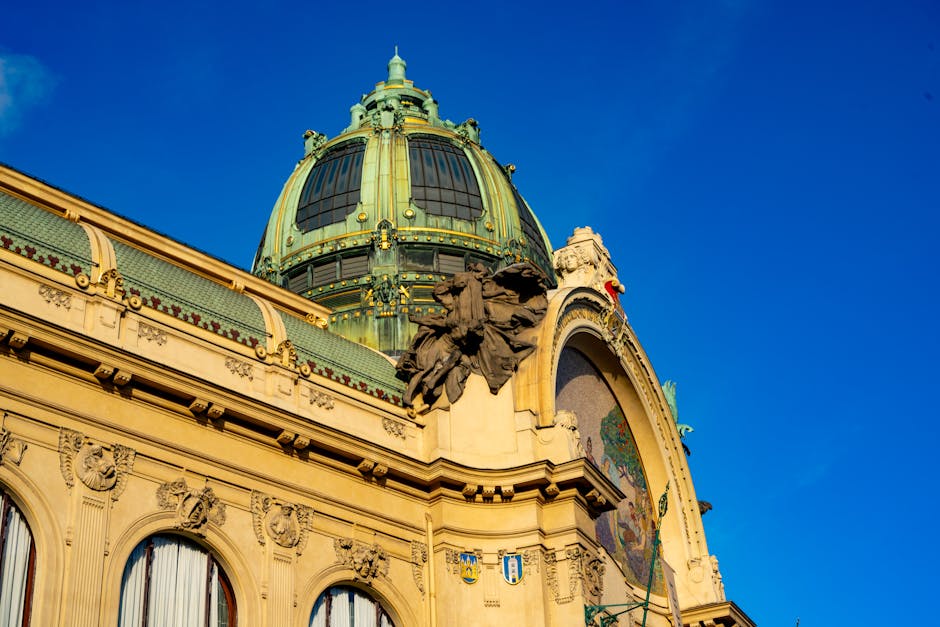
The three Baltic capitals get clumped together so often that travellers sometimes assume they are interchangeable. They are not. Tallinn, Riga, and Vilnius share a climate, a complicated 20th century, and a deep coffee culture, but the cities themselves could not be more different. One is medieval, one is Art Nouveau, one is baroque. One is polished, one is grittier, one is positively bohemian.
If you are coming for a Baltic summer (and 2026 is the year to do it, with July averages in all three sitting at a perfect 22 to 23 degrees), this is how we would compare them. Pick one, pick two, or do all three on the long-distance bus or the daily train. For the broader Europe picture, see our coolcation Europe 2026 pillar.
The one-line summary of each
- Tallinn is the medieval fairytale. Best for first-timers, photographers, and anyone who loves an intact walled old town.
- Riga is the architectural heavyweight. The largest collection of Art Nouveau in Europe, a thumping market scene, and a complicated soul.
- Vilnius is the bohemian one. Baroque churches and a self-declared artists' republic. The warmest, loosest, cheapest of the three.
Tallinn: the medieval one
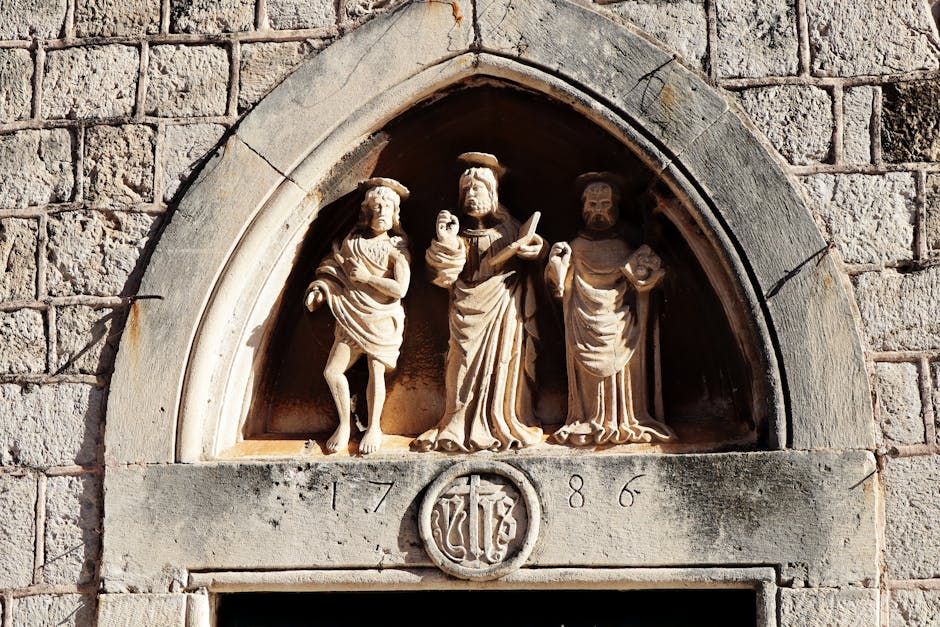
Population: 460,000. July avg high: 22 degrees. Best for: 2 to 3 days.
Tallinn's old town is a UNESCO site and one of the most intact medieval cores anywhere in Europe. The walls are still mostly standing, you can climb the towers, and the lower town is a knot of guild houses and merchant squares that has barely changed since the Hanseatic League ran the show. Tourists know this. By 11am the main square (Raekoja Plats) is busy.
The trick is to walk early, hit the lower town between 7am and 10am, then escape to the neighbourhoods. Kalamaja, the wooden-house district just outside the walls, has the craft beer scene, the brunch spots, and a slower pace. Telliskivi, the converted railway-yard cultural complex, is open all day and free.
Tallinn is also the most digitally easy of the three. Estonia invented e-residency and runs most government on an app. Wi-fi is everywhere, payments are contactless by default, and English is universal.
See our Tallinn walking tours.
Riga: the architectural one
Population: 615,000. July avg high: 22 degrees. Best for: 3 days.
Riga is the largest and most architecturally extraordinary of the three. It has more Art Nouveau (or Jugendstil) buildings than Vienna, Paris, or any other European city, mostly concentrated in the area known as the Quiet Centre. Alberta Street alone is worth a half-day with a camera. The old town (Vecriga) is medieval like Tallinn's but more lived-in, more weathered, and less of a tourist set-piece.
Riga's Central Market is built inside five repurposed German zeppelin hangars from the 1920s. It is the largest market in the Baltics and one of the great food walks in northern Europe: barrels of soused gherkins, smoked sprats, dark rye bread, fresh berries by the kilo. Go hungry.
The riverside has only recently been reclaimed from Soviet-era neglect, and the creative scene in Miera Street, a few tram stops north of the centre, is where the city's design and music people congregate. Riga rewards a longer stay.
Vilnius: the bohemian one
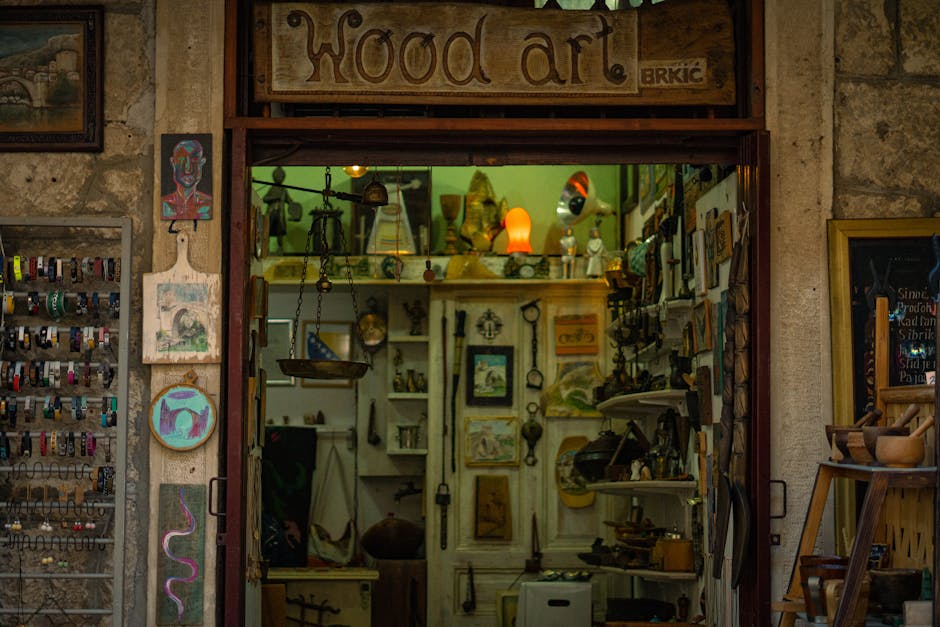
Population: 590,000. July avg high: 23 degrees. Best for: 2 to 3 days.
Vilnius has the largest baroque old town in the Baltics, but its character comes from elsewhere. Across the Vilnia River from the old town sits Uzupis, a tiny district that in 1997 declared itself a self-governing artists' republic. It has its own constitution (etched on metal plaques in 30 languages), its own president, and an unofficial border post that stamps your passport with a Uzupis seal if you ask. The whole thing is half-joke, half-genuine.
Beyond the bohemian theatre, Vilnius is the cheapest of the three (meals, drinks, hotels), the warmest in July, and the easiest for slow walking. The Bernardine Gardens are a perfect afternoon stop. The viewpoint from Gediminas Tower is one of the best in the Baltics. And the rapidly modernising Snipiskes district, just over the bridge, has the city's coolest cafe and bar scene right next to a surviving cluster of pre-Soviet wooden houses.
Side by side: how to choose
| If you want... | Pick |
|---|---|
| A storybook medieval city break | Tallinn |
| The best architecture and food market | Riga |
| A cheap, loose, creative weekend | Vilnius |
| Easiest to combine with a Helsinki stop | Tallinn (2-hour ferry) |
| The most "Eastern European" feel | Vilnius |
| A digital-nomad-friendly base | Tallinn |
| A place to spend an entire week without exhausting | Riga |
How to do all three in one trip
This is the classic Baltic loop, and it works beautifully in summer. Two routes, depending on which end you fly into:
South to north (Vilnius to Tallinn, 7 to 10 days):
- Fly into Vilnius. Spend 2 to 3 days.
- Take the long-distance bus (Lux Express or Ecolines) to Riga, about 4 hours. Spend 3 days.
- Bus or train to Tallinn, another 4 hours. Spend 2 to 3 days.
- Optional: ferry from Tallinn to Helsinki in 2 hours and fly home from there.
North to south (Tallinn to Vilnius): Same legs in reverse. Helsinki to Tallinn ferry is a nice atmospheric arrival.
Trains in the Baltics are slow and limited (Rail Baltica is still being built). Buses are the local default and they are clean, on time, and cheap. Tickets at luxexpress.eu.
When to go
Late June through mid-August is reliable summer weather. The Baltic capitals have some of the longest summer daylight in continental Europe, with the sun setting around 10:30pm at peak. Avoid early June if you want warmth (sea breezes can still be cold), and avoid the very last week of August when rains pick up.
Major events to plan around: Tallinn Old Town Days in early June, Riga's Midsummer (Jani) on 23 to 24 June, and the Vilnius Christopher Summer Festival in July and August.
Walk them with Zigway
We have built a dozen-plus self-guided walks for each of the three capitals: medieval old towns, Art Nouveau routes, wooden-house districts, food markets, and after-dark walks. Pop in headphones, follow the route, pause whenever you want a coffee. No groups, no fixed pace.
If you only do one Baltic capital this summer, the answer probably depends on which paragraph above made you nod. If you can do two, Tallinn and Riga is our slightly preferred pairing for the architectural contrast. If you can do three, you get one of the great underrated European summer trips.
See all our cities or download Zigway to start planning.