
Coolcation Europe 2026: Every City Under 25 Degrees in July
Where to take a summer city break in Europe when the south is unwalkably hot. Every coolcation city under 25 degrees in July, mapped by region.

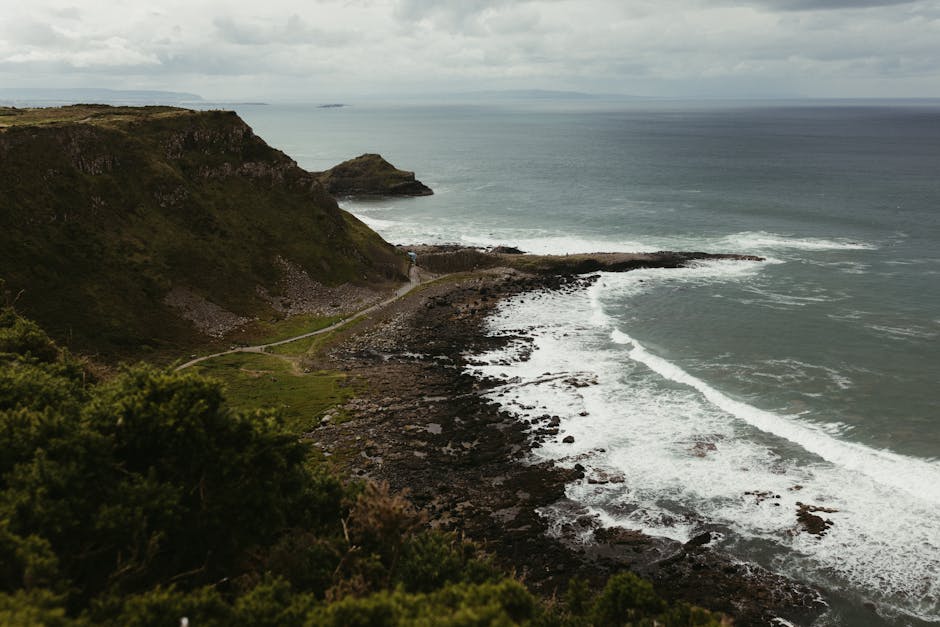
If you have looked at a European weather map lately, you already know the story. The continent that used to mean a warm summer holiday now means triple-digit Fahrenheit afternoons in Seville, packed metros in Rome, and beach umbrellas in 38-degree Lisbon. So a new word has crept into travel chat: the coolcation. The idea is simple. Skip the heat, head north, find cities where July afternoons still cap out somewhere comfortable for a long walk.
We spend our days at Zigway helping people explore cities on foot, so we have been quietly building this list for our own travels and our app's users. Here it is, mapped out by region, with the average July high for each city and the kind of walk we would do there. Every city below has a real shot at staying under 25 degrees Celsius (77 Fahrenheit) for most of the day, even in peak summer.
Why coolcation, and why now
The shift is not subtle. Southern Europe has now logged three consecutive summers where June, July, or August broke 40 degrees in major tourist cities. Trains delay. Cathedral queues become medical risks. The kind of slow, all-day wandering that makes a city break worth taking just stops being possible after 11am.
Meanwhile, the cities we are about to walk through stay genuinely temperate. Tallinn averages 22 in July. Bergen, 19. Reykjavik, a downright crisp 14. These are places where you can leave your hotel at 10am with a coffee and not return until midnight, and never once feel like you need to hide indoors.
If you want the short version: the best coolcations in Europe right now sit in three bands. Nordic and Baltic capitals on the eastern arc, fjord towns on the Norwegian coast, and alpine cities at altitude in Switzerland, Austria, and Slovenia. Below, we map each band city by city.
The Nordic band: Stockholm to Reykjavik
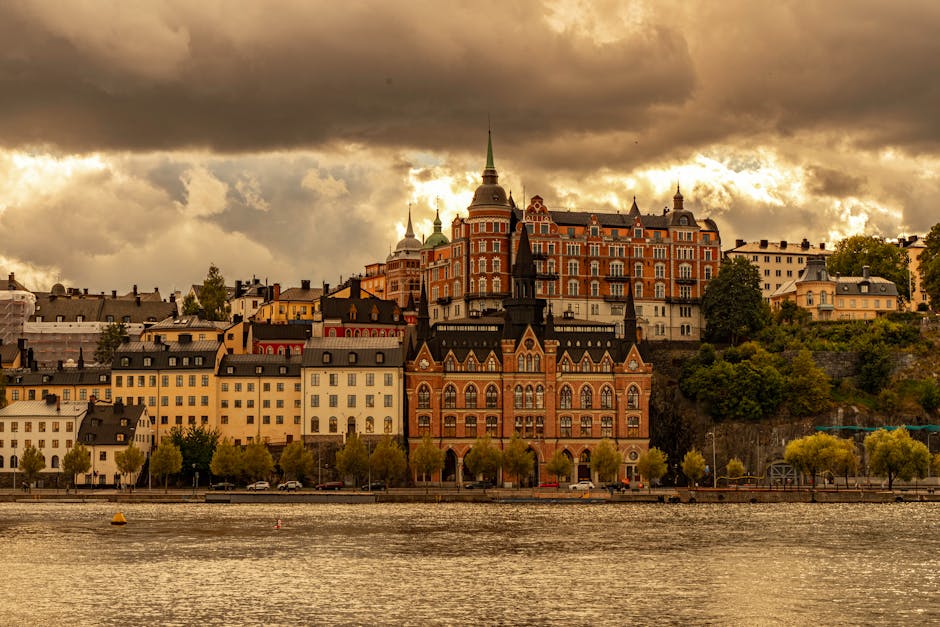
This is the heartland of the coolcation. Five capitals, five different vibes, and not one of them gets uncomfortably hot.
Stockholm (July avg high: 23) is the most familiar entry point. The city spans 14 islands, so you are never more than ten minutes from a breeze off the water. Walk Gamla Stan in the morning, then ferry over to Djurgarden for the afternoon. See our Stockholm self-guided walks for ideas.
Copenhagen (July avg high: 22) has the most walkable old city of the Nordic capitals, plus an obsessive cycling culture that keeps cars out of the centre. Norrebro and Vesterbro deliver the new-Nordic food scene without the heat exhaustion that Lisbon or Barcelona inflict in July. Browse Copenhagen tours here.
Helsinki (July avg high: 22) is the dark horse. It sits right on the Baltic, has a design district that rivals Copenhagen's, and the locals decamp to the Suomenlinna sea fortress every weekend. Light until almost midnight in July. Look at Helsinki walking routes.
Oslo (July avg high: 22) gives you fjords on your doorstep. The new opera house roof is a public park you can walk up, and the harbour promenade now runs unbroken for nine kilometres. See Oslo's walking tours.
Reykjavik (July avg high: 14) is in a category of its own. Some travellers find it too cold for summer, but if you want the polar opposite of Mediterranean heat, this is it. Bring a sweater, even in August. Reykjavik walks here.
The Baltic trio: Tallinn, Riga, Vilnius
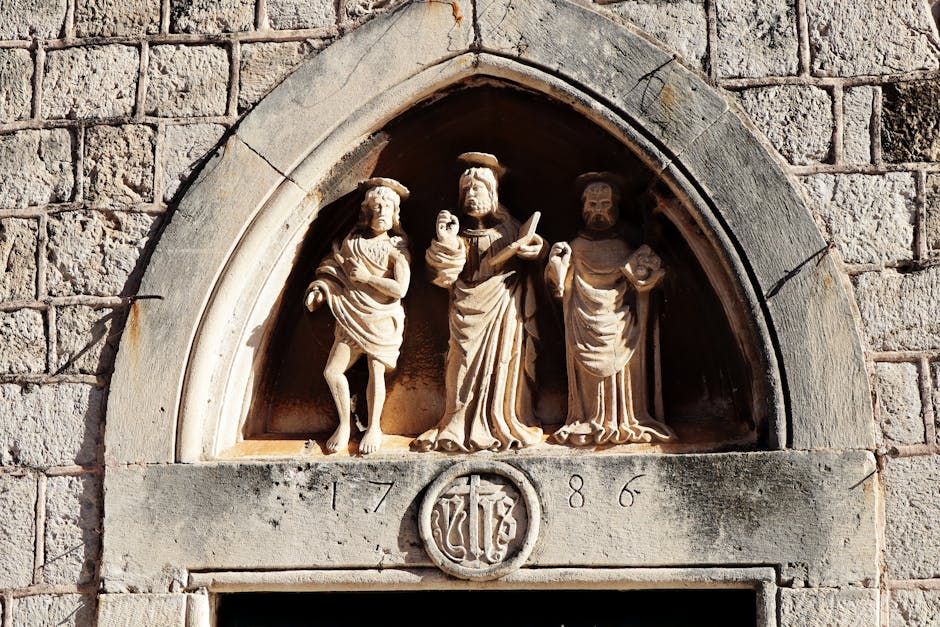
If we had to pick one cluster for first-time coolcationers, it would be this. The Baltic capitals are cooler than the Nordic ones in spirit too: smaller, cheaper, less polished, and almost criminally walkable. You can do all three in ten days on the night bus or the daily train.
Tallinn (July avg high: 22) leads the trio. Its old town is the kind of fairytale tangle of red roofs and stone walls that Prague used to be before the crowds arrived. Wander the lower town, climb to Toompea for the views, then head to Kalamaja for wooden houses and craft beer. We have a full collection of Tallinn walking tours.
Riga (July avg high: 22) is the wild card. Latvia's capital has the largest collection of Art Nouveau architecture in Europe, a Central Market built in old zeppelin hangars, and a riverside that locals have only recently reclaimed. Browse Riga tours.
Vilnius (July avg high: 23) is the warmest of the three but also the loosest. The bohemian Uzupis quarter declared itself a self-governing republic in the 1990s and still issues souvenir passport stamps. Baroque churches, leafy parks, and one of the best-value summer city breaks we know. See Vilnius walks.
The alpine band: cities at altitude
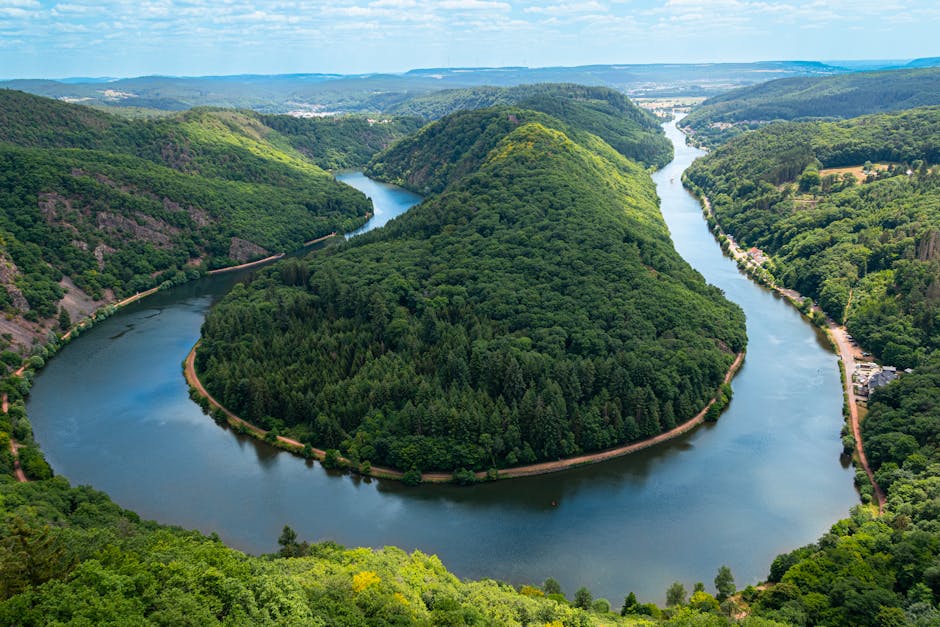
Altitude is the underappreciated trick of European summers. Every 100 metres of elevation knocks roughly 0.65 degrees off the temperature. The cities below are all at least 300m up, which is why they stay liveable while the plains around them swelter.
Bern (July avg high: 24, elevation 540m) is Switzerland's quietest capital. The old town is a UNESCO site that you can walk end-to-end in 90 minutes, the Aare river loops around it for swimming, and the locals literally float downstream after work in the summer. Browse Bern walking tours.
Salzburg (July avg high: 24, elevation 424m) gets crowded with Mozart pilgrims, but step five blocks off the main drag and you have hidden Baroque courtyards to yourself. Hike up to Monchsberg for panoramic walks above the heat. See Salzburg walks.
Innsbruck (July avg high: 25, elevation 574m) is the alpine play. Cable cars from the city centre put you above 2,000 metres in 20 minutes, where it is 15 degrees cooler. Mornings in the old town, afternoons in the mountains, evenings back in town for dinner. Innsbruck routes here.
Ljubljana (July avg high: 26, elevation 295m) just sneaks into our list because the riverside is shaded almost end to end. Combine with Lake Bled or the Julian Alps for a true alpine reset. Ljubljana walks here.
The British Isles wildcard
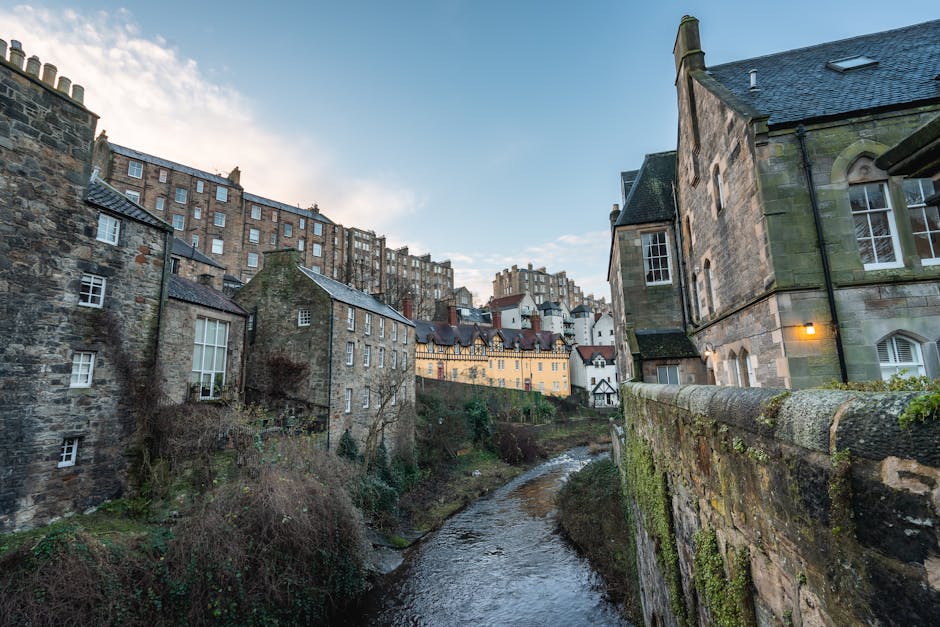
Worth flagging if you want a coolcation that still gives you a major cultural buzz: Edinburgh (July avg high: 19) hosts the Fringe in August, with thousands of shows in a city you can walk in a day. Edinburgh tours here.
Dublin (July avg high: 19) is one of the easiest English-language walks in this whole list. Dublin tours here.
How we built this list
We pulled 30-year July averages from national meteorological services (not airport-only readings, which can run hot), cross-referenced against the past three summers' actual highs, and then walked every city ourselves at some point in the past two years. The cutoff is a 30-year mean July high of 25 degrees Celsius or lower, with a 90th-percentile day under 30. That filter knocked out Paris, Vienna, and Prague, all of which used to qualify but no longer do.
For the walking-tour angle: a city only earns its place on the list if you can comfortably do four to six hours on foot without needing to retreat indoors. That is the real test of a summer city. By that measure, the entries above are the best in Europe right now.
Quick planning tips
- Book trains, not flights, where you can. The Nordic and Baltic rail networks are excellent, and a coolcation that involves flying defeats some of its own purpose. Night trains from Berlin, Brussels, and Vienna now reach most of these cities.
- Pack a light layer. Even in July, mornings in Bergen, Reykjavik, and the alpine cities can dip below 12 degrees. A packable shell is non-negotiable.
- Walk early, walk late. Daylight in the Nordic cities runs to 11pm in July. We use Zigway to start tours at 6am and finish at 10pm with a long lunch break, and we have never been hot.
- Avoid the second week of August. It is the one week the Nordic cities can briefly hit 28 to 30 degrees. Late June, early July, and late August are the sweet spots.
Start walking
If this list has done its job, you are already half-planning a trip. We have built free self-guided audio walks for every city above, designed so you can pause, detour, sit in a square for an hour, and pick up exactly where you left off. No groups, no schedules, no umbrellas held aloft. Just you, your headphones, and a city that has the decency to stay below 25 degrees.
Browse the full map of cities we cover, or download the app and pick your first coolcation. We will see you on the cobbles.