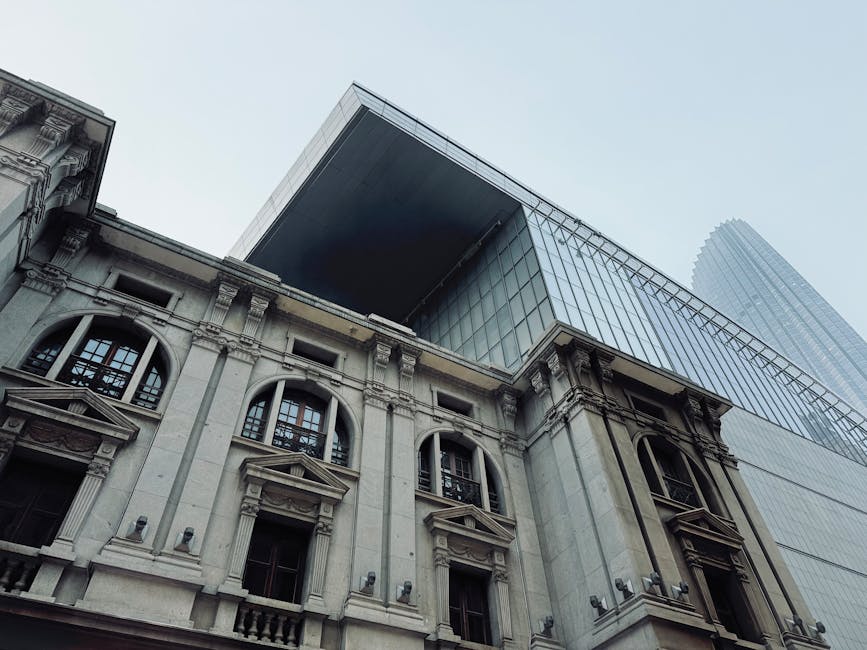
Self-guided audio tour in Vilnius
Start Free on iPhone
Start free on iPhone to unlock this self-guided walking tour in Vilnius. Hear all the stories that make it amazing, walk at your own pace, and begin whenever you want.
Your Private Tour Guide
Discover the striking duality of Vilnius on this self-guided walk through the New City Center and the enigmatic Šnipiškės neighborhood. For decades, the skyline north of the Neris River has been a battleground between the future and the past. This walking route takes you from the bustling, athletic energy of the White Bridge into a landscape of glass-and-steel skyscrapers that define Lithuania's modern economic identity. You will explore how the city has transformed from its Soviet-era planning into a vibrant, European business hub, featuring architectural landmarks like the National Art Gallery and the soaring Europa Tower. However, the true soul of this neighborhood stroll lies in its contrasts. Just steps away from the futuristic headquarters of global banks, you will enter 'Skansenas' or the wooden heart of Šnipiškės. This area, often referred to by locals as 'Shanghai,' is a protected historical site where 19th-century wooden cottages, unpaved roads, and outdoor water pumps persist in the shadow of 21st-century high-rises. It is one of the most surreal urban experiences in Northern Europe. This self-guided adventure allows you to witness the 'New City Center' not just as a business district, but as a living museum of urban transition. You will see how brutalist structures have been repurposed into elegant galleries and how public terraces have become the city’s favorite summer hangouts. Whether you are interested in the evolution of Baltic architecture or the gritty charm of a 'village in a city,' this route offers a comprehensive look at the Vilnius that is still being built today. While many visitors stick to the cobblestones of the Old Town, this walk invites you to cross the river and see the ambitious, complex, and rapidly changing face of the Lithuanian capital at your own pace. **Note:** This area is known for its ever-changing character. Street art, pop-up venues, and temporary exhibitions may differ from what's described. That's part of the adventure - you might discover something entirely new!
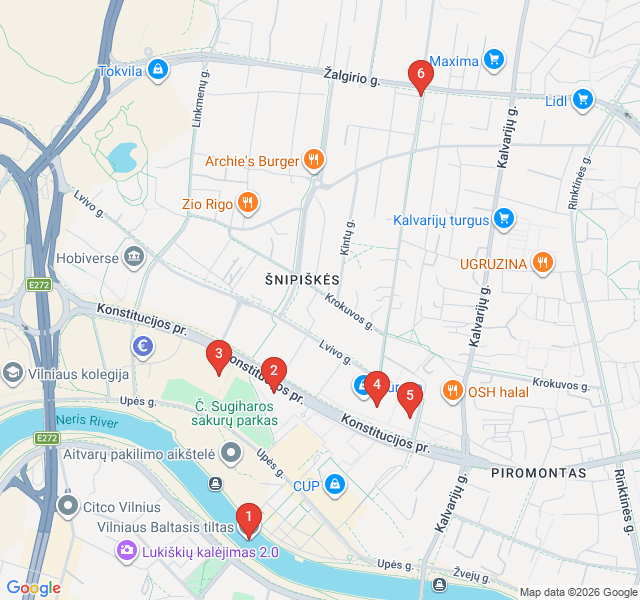
Numbers indicate the order of stops on the tour.
Begin your self-guided walk at the White Bridge, the city's most active pedestrian artery. Since its completion in 1995, it has served as more than just a crossing; it is a social hub. Looking north, you see the 'New City Center' rising, while to the south lies the historic center. Below you, the 'White Bridge Meadow' is often packed with locals playing beach volleyball, skating, or enjoying the food court. This spot represents the youthful, energetic spirit of modern Vilnius. The bridge itself was designed by Algirdas Nasvytis, a key figure in the city's architectural development, and it marks the symbolic transition from the old traditions to the new ambitions of the Republic.
Ascend to the Swedbank Terrace, a masterclass in modern public space design. This elevated plateau offers some of the best views of the Neris River and the Old Town skyline in the distance. The building itself, designed by Audrius Ambrasas, is a landmark of contemporary Baltic architecture, known for its clean lines and integration with the landscape. The terrace is open to the public and serves as a popular 'urban lounge.' Notice the giant 'Sun' sculpture and the way the glass facade reflects the sky. This space demonstrates how private corporate development can provide high-quality public amenities for the community.
This building has lived two lives. Originally built in 1980 as the Museum of Revolution, it was a prime example of late Soviet Modernist architecture. After a major reconstruction in 2009, it reopened as the National Art Gallery. The architects managed to preserve its iconic late-modernist silhouette while adding a sleek, metallic extension that looks like a series of giant screens. It now houses a vast collection of 20th and 21st-century Lithuanian art. Even if you don't head inside, the exterior is a fascinating study in how Vilnius repurposes its complex 20th-century heritage into something sophisticated and new. Please note that outdoor installations and exhibits change seasonally.
Standing at 148 meters, the Europa Tower is a symbol of the new millennium in Lithuania. Completed in 2004 to coincide with the country's entry into the European Union, it was for a time the tallest skyscraper in the Baltic States. The building's curved glass shape was designed to minimize the visual impact on the historic Old Town, reflecting the sky rather than imposing a solid block. The surrounding Europa Square is the commercial heart of the district. Observe the fast-paced energy here—this is where the country's business and political decisions are made, a far cry from the medieval alleys just a fifteen-minute walk away.
The Vilnius City Municipality building is a statement of transparency and modernization. Moving the city administration from the Old Town to this 20-story glass tower was a strategic move to catalyze the development of the New City Center. The building features an open atrium designed to make the government feel more accessible to the citizens. From here, you can see the juxtaposition of the 'Constitution Avenue' (Konstitucijos prospektas) with its high-speed traffic and the historic Šnipiškės wooden district that starts directly behind these glass giants. It is here that the two versions of Vilnius truly meet.
Step off the paved streets and into a different century. The Šnipiškės wooden neighborhood, specifically the area known as Skansenas, is a protected architectural reserve. Here, you will find 19th-century wooden houses, some still without indoor plumbing, existing in the literal shadow of skyscrapers. This area was historically a suburb for craftsmen and workers. Today, it is a site of intense debate between preservationists and developers. As you walk the unpaved paths of Giedraičių or Šilutės streets, you will see traditional carvings, vibrant gardens, and perhaps a few local cats. This is the most authentic 'contrast' in the city—a rural village preserved in the middle of a modern capital. Please respect the privacy of the residents as you explore.
Start Free on iPhone
Explore “Contrasts of the New City Center” with your very own Private Tour Guide with Zigway. Start free on iPhone, skip the large group and the fixed routes, and hear the city come alive as you go.
Your Private Tour Guide
Don't miss the good stuff
Explore Freely
 Easy
EasyVilnius, Lithuania
Discover the 'Rome of the North' on this self-guided walk through the Baroque churches and historic courtyards of Vilnius Old Town.
 Easy
EasyVilnius, Lithuania
Explore fairy-tale wooden villas, a rare Karaite Kenesa, and peaceful river paths on this self-guided audio walk through Vilnius’ greenest district.
 Easy
EasyVilnius, Lithuania
Explore the quirky, artistic, and self-proclaimed Independent Republic of Užupis on this creative self-guided walk through Vilnius' bohemian heart.
 Challenging
Vilnius, Lithuania
Scale the historic hills of Vilnius on this self-guided walk for breathtaking panoramas and photography of the Old Town.
 Moderate
Gdansk, Poland
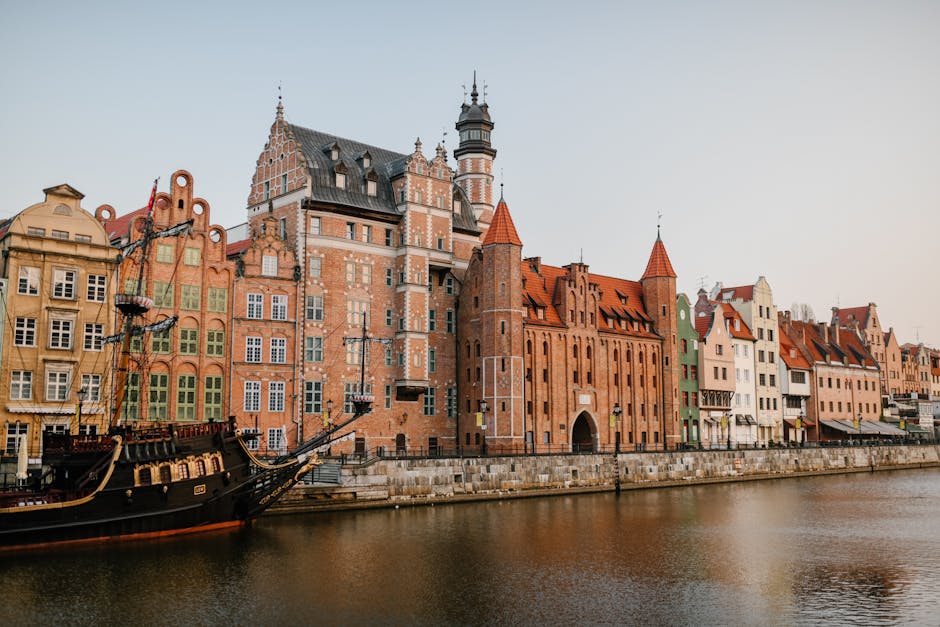
Discover the bohemian soul of Gdańsk. Explore the literary landmarks of Günter Grass, Prussian villas, and the trendy cafes of historic Wrzeszcz.
 Moderate
Gdansk, Poland
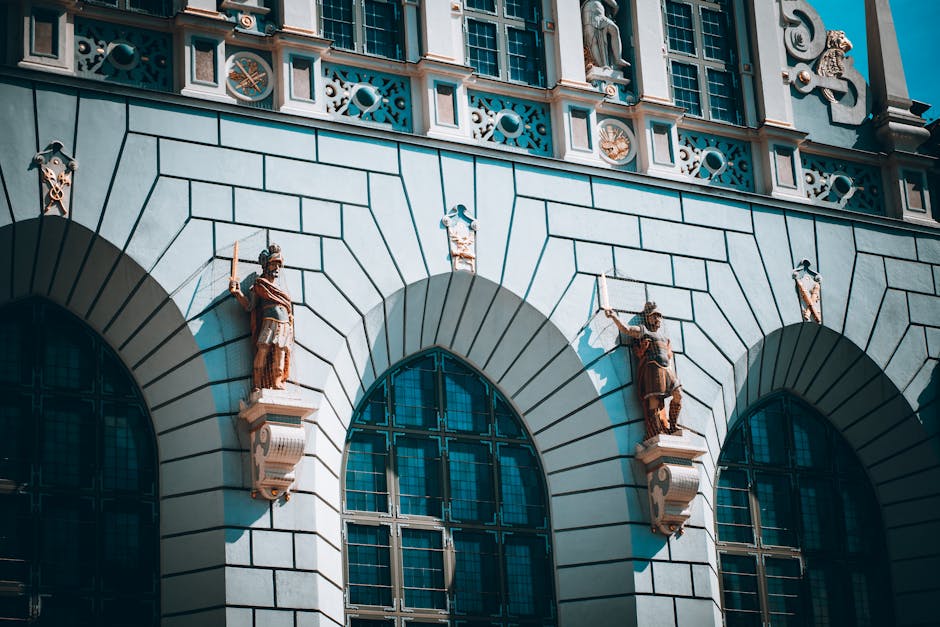
Discover Zaspa, a massive open-air gallery where grey housing blocks are transformed by over 60 monumental murals. Explore at your own pace.
 Moderate
Helsinki, Finland
Explore Helsinki's bohemian heart. Discover historic saunas, granite churches, and the vibrant local life of the Kallio neighborhood at your own pace.
 Easy
EasyHelsinki, Finland
Discover Helsinki's oldest neighborhood on this self-guided audio walk through Kruununhaka’s historic streets, hidden courtyards, and scenic shores.