Self-guided audio tour in Naples
Start Free on iPhone
Start free on iPhone to unlock this self-guided walking tour in Naples. Hear all the stories that make it amazing, walk at your own pace, and begin whenever you want.
Your Private Tour Guide
Escape the frantic energy of the city streets and discover a greener side of Naples. This self-guided walk takes you from the bustling historic gates through the atmospheric Sanità district, ascending finally to the regal heights of Capodimonte. It is a route of contrasts, where the narrow, sun-drenched alleys of the center give way to the sprawling, shaded avenues of a former royal hunting ground. You will experience the architectural grandeur of the Bourbons and the quiet spirituality of ancient burial sites, all while enjoying some of the most breathtaking panoramic views of Mount Vesuvius and the Tyrrhenian Sea. Starting at the ancient Porta Nolana, your walking route cuts through the heart of the city via SpaccaNapoli before heading north. As you leave the dense urban core, you will encounter the architectural marvels of the Sanità neighborhood, such as the Palazzo dello Spagnolo with its iconic 'hawk-wing' staircases. The climb toward Capodimonte is rewarded with a transition into the 'Real Bosco'—the Royal Woods. This is not just a park; it is a historical landmark where the Kings of Naples once sought refuge from the summer heat. This self-guided adventure allows you to explore the grounds of the Palazzo Reale di Capodimonte at your own pace. Discover the hidden gems within the woods, including a church reimagined by world-renowned architect Santiago Calatrava and the historic storage cellars of the royal estate. The journey concludes by winding back toward the sea, passing through the botanical gardens and ending at the legendary Ovo Castle on the waterfront. Whether you are a fan of Baroque architecture, a nature lover, or a photography enthusiast looking for the perfect shot of the bay, this walking tour Naples offers a comprehensive look at the city's diverse landscape. This is the perfect neighborhood stroll for those who want to see the famous landmarks while also finding peace in the city's largest green lung.
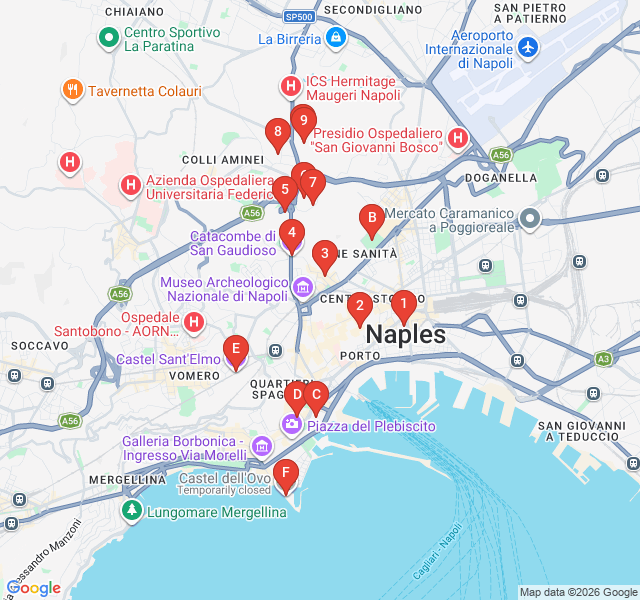
Numbers indicate the order of stops on the tour.
Welcome to Porta Nolana, one of the ancient gateways into Naples. Built in the 15th century, these two sturdy round towers—named Faith and Hope—have stood guard over the city's eastern entrance for generations. Today, it serves as the threshold to one of the city's most vibrant and authentic seafood markets. As you begin your self-guided walk, take a moment to observe the marble relief above the arch representing Ferrante I of Aragon. The atmosphere here is quintessential Naples: loud, colorful, and deeply connected to the sea. It is the perfect starting point to contrast with the quiet greenery we will find later.
You are now standing on SpaccaNapoli, the famous street that literally 'splits' the city of Naples in two. From an aerial view, this straight line of narrow streets creates a distinct divide through the chaotic urban sprawl. This path follows the ancient Roman decumanus, and as you walk, you are retracing steps taken over two thousand years ago. Look down the long perspective of the street; it is a canyon of history, lined with palaces, churches, and workshops. The energy here is the heartbeat of the city, filled with the scent of espresso and the sound of buzzing scooters.
Deep in the Sanità district lies one of the city's architectural masterpieces: the Palazzo dello Spagnolo. Built in 1738, it is famous for its 'hawk-wing' double-ramp staircase that opens onto the inner courtyard. Designed by Ferdinando Sanfelice, this style of staircase was intended to be a stage for the social theater of the Neapolitan nobility—a place to see and be seen. Notice the intricate stucco decorations and the way the light plays through the open arches. It remains a residential building today, serving as a stunning reminder of the neighborhood's former aristocratic prestige.
Tucked beneath the Basilica of Santa Maria della Sanità, these catacombs offer a window into the 5th-century Christian history of Naples. Named after Gaudiosus the African, a bishop who arrived here by chance after being cast adrift, the site became a sacred burial ground. In the 17th century, the Dominican friars used these tunnels for unique burial rituals, including the 'scolatura' process. While the atmosphere is somber, the frescoes and mosaics preserved within the tuff rock are remarkably vibrant, telling stories of faith that have survived for over a millennium in the cool darkness underground.
These are the most important paleo-Christian ruins in southern Italy. Unlike the narrow tunnels of Roman catacombs, the Catacombs of San Gennaro are surprisingly spacious, carved into the yellow tuff of the hillside. They became a site of pilgrimage because they once housed the remains of San Gennaro, the patron saint of Naples. As you explore the two levels, look for the 2nd-century frescoes and the impressive 'basilica maior' carved directly into the rock. It is a place where the boundary between the world of the living and the dead feels thin and sacred.
Rising majestically above the city, this palace was commissioned in 1738 by Charles of Bourbon as a royal residence and a place to house the incredible Farnese art collection. The sheer scale of the building reflects the power of the Bourbon dynasty. While it now serves as one of Italy's premier art museums, the exterior architecture and the surrounding terraces offer a sense of royal seclusion. Imagine the carriages arriving here from the city center, bringing kings and queens to their summer retreat. The palace is the gateway to the massive parkland that lies just beyond its doors.
The Porta Grande is the main ceremonial entrance to the Real Bosco di Capodimonte. Entering through these gates signifies your transition from the urban environment into the largest green space in Naples. This area was once a private hunting reserve for the royal family, and the layout of the paths was designed to accommodate both leisure strolls and equestrian pursuits. The wide avenues lined with holm oaks and chestnut trees provide a natural cathedral of shade, offering a refreshing microclimate that is often several degrees cooler than the streets below.
Stop here and take a deep breath. The Belvedere offers one of the most iconic views in Italy. From this vantage point, the entire city of Naples unfolds before you, framed by the deep blue of the bay and the looming silhouette of Mount Vesuvius in the distance. You can see the spires of the historic center and the modern skyline of the Centro Direzionale. This spot has inspired countless painters and poets over the centuries. It is the perfect place to appreciate the geography of the city and the sheer beauty of the Campanian coastline from a royal perspective.
This small 18th-century church within the park grounds recently underwent a stunning transformation. The interior was redesigned by the world-famous architect Santiago Calatrava. He introduced delicate porcelain decorations and silk wall coverings that pay homage to the historic Capodimonte porcelain factory. The blue and white motifs create a modern, ethereal atmosphere inside the traditional structure. It is a rare example of contemporary art and historic architecture merging seamlessly, reflecting the ongoing cultural evolution of the Capodimonte estate. The light inside is designed to feel celestial and calm.
The Cellaio is a historic service building that once served as the storage cellar for the royal estate. In the 18th and 19th centuries, it was used to store agricultural products, wine, and ice collected from the mountains. Today, it often hosts exhibitions and cultural events. Its sturdy, functional architecture contrasts with the elegance of the main palace, reminding us that the Capodimonte grounds were once a working estate that supported the royal household. It sits nestled among the trees, a quiet witness to the daily logistics of 18th-century court life.
Descending back toward the city, you reach the Botanical Garden of Naples. Founded in 1807 during the Napoleonic era, this is one of the most important botanical research centers in Europe. It houses over 9,000 plant species spread across 12 hectares. As you walk past the monumental greenhouses and the specialized sections like the fernery or the desert garden, you are experiencing a living museum of biodiversity. The gardens were designed to be both scientifically useful and aesthetically pleasing, providing a peaceful enclave for study and reflection amidst the urban bustle.
Commonly known as Maschio Angioino, this medieval castle is a landmark of the Neapolitan skyline. With its five massive round towers and the magnificent white marble triumphal arch wedged between two of them, it represents the shift from the Angevin to the Aragonese dynasties. The arch celebrates the entry of Alfonso I of Aragon into Naples in 1443. This fortress has served as a royal palace, a military stronghold, and a center of culture. Its presence at the edge of the harbor signifies the city's historical importance as a maritime power in the Mediterranean.
Step into the light and glass of the Galleria Umberto I. Built in the late 19th century during the 'Risanamento' period, this shopping gallery was part of a major urban renewal project. Its soaring glass dome and intricate mosaic floors were meant to symbolize the modernity and elegance of the newly unified Italy. It mirrors the Galleria Vittorio Emanuele II in Milan. Look up at the high ceilings and the neoclassical statues representing the four seasons and the continents. It remains a popular meeting spot for locals, perfect for a quick break and a look at the high-end storefronts.
Perched on the Vomero hill, this star-shaped fortress offers a 360-degree view of the city and the surrounding mountains. Originally a medieval residence, it was transformed into a powerful fortification in the 16th century. Its unique hexagonal plan was cutting-edge military engineering at the time. From here, you can see the straight line of SpaccaNapoli that you walked earlier, now visible as a thin vein cutting through the city. The castle has seen sieges, revolutions, and served as a prison, but today it is a site for art and culture, standing as a silent sentinel over Naples.
We conclude our journey at the Castel dell'Ovo, the 'Egg Castle,' located on the former island of Megaride. Legend has it that the Roman poet Virgil hidden a magical egg in the foundations; if the egg breaks, the castle will fall and disaster will strike Naples. This is the oldest standing fortification in the city. As you walk along the marina of Borgo Marinari at its base, you can feel the sea breeze and hear the waves against the stone. It is a fitting end to our walk, where the history of the city meets the timeless horizon of the Mediterranean.
Start Free on iPhone
Explore “Capodimonte Greenery: Royal Woods and Belvedere” with your very own Private Tour Guide with Zigway. Start free on iPhone, skip the large group and the fixed routes, and hear the city come alive as you go.
Your Private Tour Guide
Don't miss the good stuff
Explore Freely
 Moderate
Naples, Italy
Explore the vibrant street art, hidden shrines, and legendary Maradona murals in the heart of Naples' most iconic neighborhood.
 Challenging
Naples, Italy
Follow Elena and Lila’s journey through Naples. Explore the gritty streets and elegant plazas that defined Elena Ferrante’s Neapolitan Novels.
 Easy
EasyNaples, Italy
Uncover 2,500 years of history on this self-guided walk through the subterranean wonders and ancient layers of the Naples historic center.
 Easy
EasyNaples, Italy
Explore the Bourbon legacy on this self-guided walk from the ornate Galleria Umberto I to the historic Ovo Castle overlooking the sea.
 Moderate
Nairobi, Kenya
Discover Nairobi's lush side on this self-guided walk through botanical gardens, historic memorials, and vibrant local markets.
 Moderate
Nairobi, Kenya
Discover the creative soul of Nairobi on this self-guided walk through the city's premier art galleries, markets, and artisan workshops.
 Moderate
Nairobi, Kenya
Discover the pulse of Nairobi's contemporary art scene on this self-guided walk through the galleries and creative spaces of Kilimani.
 Moderate
Krakow, Poland
Discover Krakow’s stunning skyline and riverside charm on this self-guided audio walk through scenic viewpoints and historic mounds.
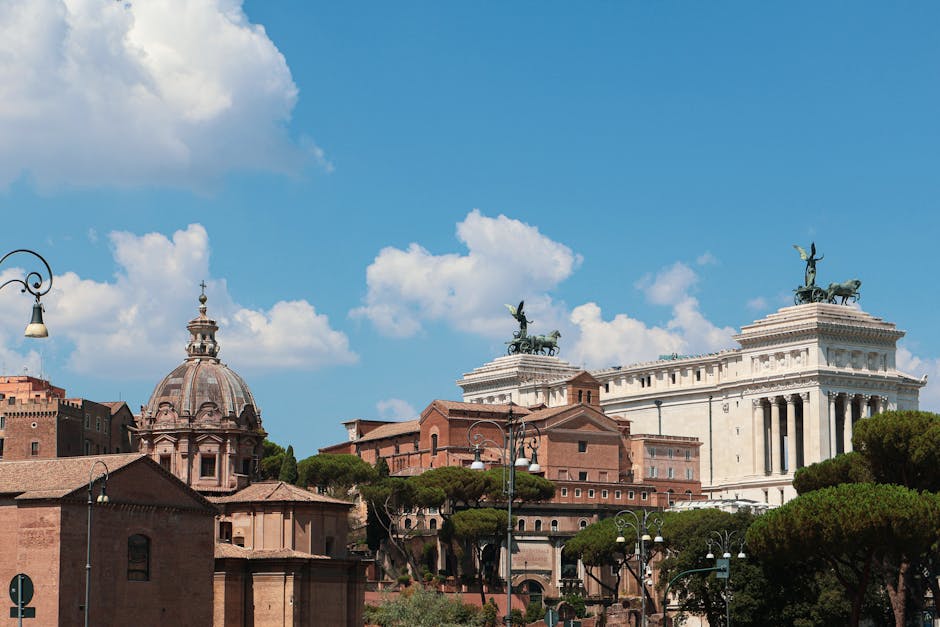 Easy
EasyRome, Italy
Explore Rome’s industrial heart on this self-guided walk featuring massive murals, the 'Iron Colosseum,' and unique industrial archaeology.
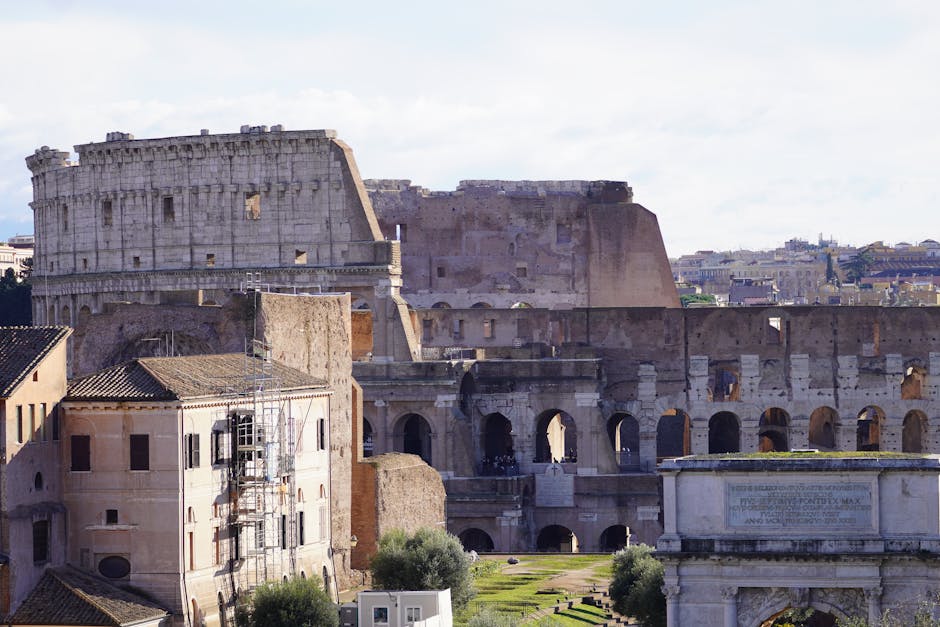 Easy
EasyRome, Italy
Explore Rome’s whimsical Fairytale District. A self-guided walk through Art Nouveau palaces, mythical fountains, and the magical Coppedè architecture.
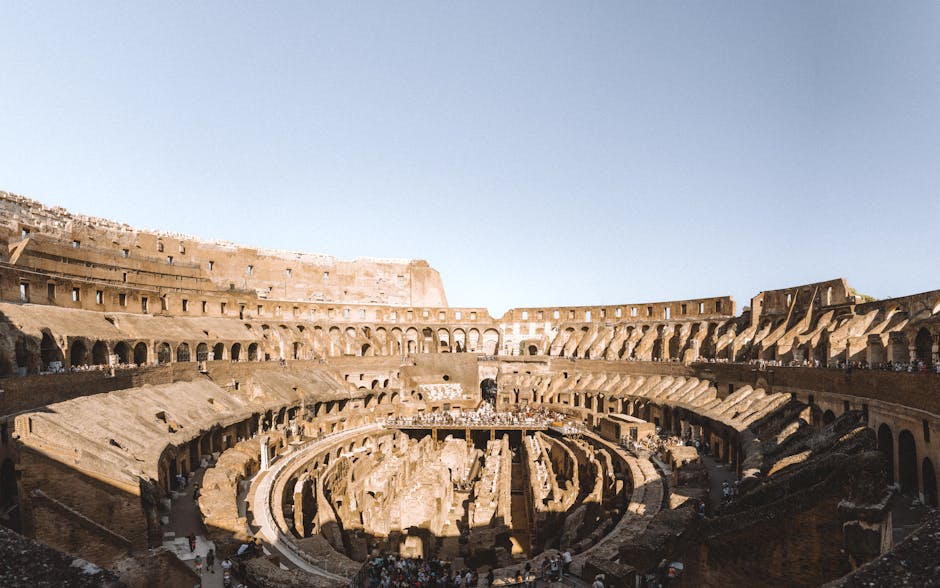 Moderate
Rome, Italy
Uncover Rome's hidden history on this self-guided walk through ancient gladiator pits, subterranean temples, and buried Roman houses.
 Challenging
Rome, Italy
Walk the 'Queen of Roads.' Explore ancient catacombs, imperial villas, and historic basalt stones on this scenic self-guided Roman adventure.