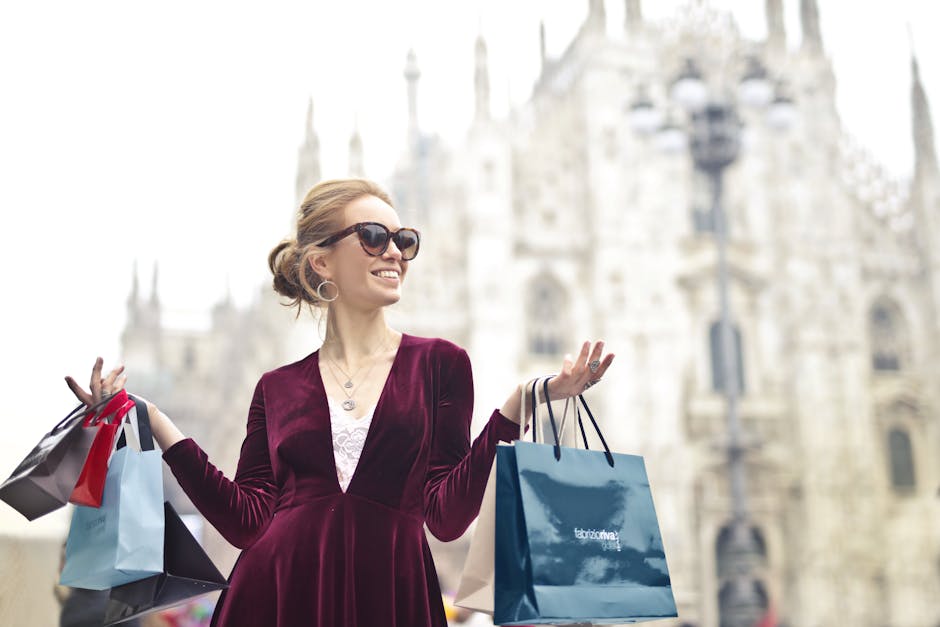
Self-guided audio tour in Milan
Start Free on iPhone
Start free on iPhone to unlock this self-guided walking tour in Milan. Hear all the stories that make it amazing, walk at your own pace, and begin whenever you want.
Your Private Tour Guide
Embark on a self-guided walk through one of Milan's most vibrant and misunderstood neighborhoods. While many visitors stick to the high-fashion boutiques of the Quadrilatero della Moda, this walking route invites you to explore the soul of Milan’s Chinatown, centered around the bustling Via Paolo Sarpi. This area is a fascinating blend of traditional Italian bottegas and a thriving Chinese community that dates back to the 1920s. You will discover how silk production and leather working brought these two cultures together, creating a unique urban tapestry that is unlike any other in Italy. As you begin your self-guided adventure, you will move from the aromatic aisles of the Kathay Food Market—Italy's largest ethnic grocery store—into the heart of the pedestrianized Sarpi district. The journey isn't just about history; it's a culinary exploration. You will pass historic wine bars like Cantine Isola, where locals have gathered since the 19th century, and see the industrial heritage of the Fabbrica del Vapore, a former steam factory reborn as a creative hub. This neighborhood stroll then expands toward the modern skyline of Porta Nuova and the historic center, allowing you to compare the traditional flavors of Chinatown with Milanese icons. From the legendary panzerotti at Luini near the Duomo to the artisanal food stalls of Mercato Centrale at the Central Station, this route showcases the city's evolution from a silk-trading hub to a global gastronomic capital. Whether you are a first-time visitor or a repeat traveler, this explore-at-your-own-pace experience offers a deeper look into the diverse flavors and stories that define modern Milan. **Note:** This area is known for its ever-changing character. Street art, pop-up venues, and temporary exhibitions may differ from what's described. That's part of the adventure - you might discover something entirely new!
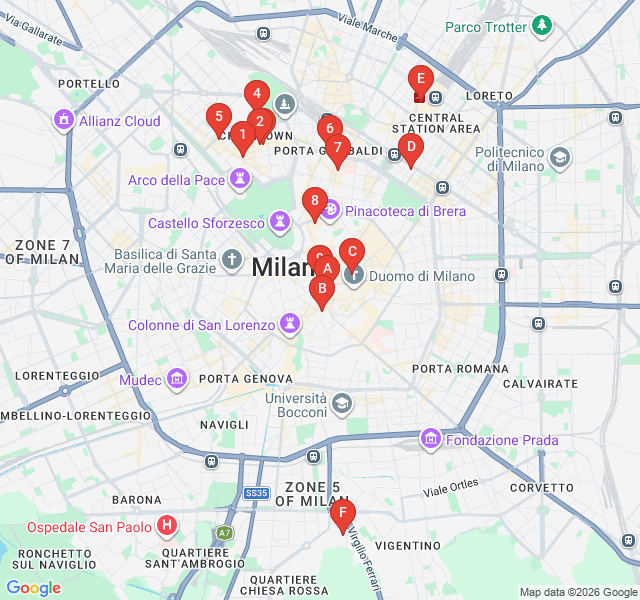
Numbers indicate the order of stops on the tour.
Start exploring at Kathay Food Market, a true Milanese institution. Established in the 1980s, this is Italy's largest ethnic food store. As you step inside, the scent of Sichuan peppercorns and fresh ginger replaces the typical aroma of espresso. It serves as a vital hub for the local community and adventurous chefs alike. While it began as a small grocery, it now spans over 1,000 square meters, offering everything from Japanese ceramics to rare Middle Eastern spices. It’s the perfect introduction to the neighborhood's multicultural identity, showing that Milan's palate extends far beyond risotto and ossobuco.
Welcome to the 'High Street' of Chinatown. Via Paolo Sarpi is a long, pedestrianized stretch that feels worlds away from the marble-clad Duomo. The Chinese community here is one of the oldest in Europe, with roots tracing back to the 1920s when immigrants from Zhejiang province arrived to work in the silk industry. Today, the street is a lively mix of traditional Chinese medicine shops, high-end optical stores, and 'ravioli' windows where you can watch dumplings being hand-folded. Look up at the architecture; you’ll see classic 19th-century Milanese facades decorated with red lanterns, a perfect visual metaphor for the area.
Tucked away on a corner of Via Paolo Sarpi, Cantine Isola is a legendary wine bar that has stood its ground since 1896. Despite being in the heart of Chinatown, it remains a bastion of Italian wine culture. The walls are lined from floor to ceiling with thousands of bottles. What makes this place special is its welcoming atmosphere—it’s common to see patrons standing on the sidewalk with a glass of Nebbiolo in hand. Look for the handwritten poems and notes tucked into the shelves. It’s a reminder that even as neighborhoods change, some local traditions remain beautifully untouched.
A short walk from the main Sarpi thoroughfare brings you to the Fabbrica del Vapore. This 'Steam Factory' was once a massive industrial complex where railway carriages and trams were built. Today, it has been reclaimed by the city as a 'cathedral' of culture. The vast, open brick spaces now host contemporary art exhibitions, dance performances, and film screenings. It is a prime example of Milan’s ability to repurpose its industrial heritage into vibrant community spaces. Note that exhibits here change frequently, so there is always something new to see behind its imposing iron gates.
Piazza Gramsci serves as a gateway between the dense streets of Chinatown and the wider city. This open square is a favorite local hangout, particularly for families. It’s named after Antonio Gramsci, a major figure in Italian political history. The square is a great spot to pause and observe the daily rhythm of the neighborhood—older residents playing cards, children on scooters, and people rushing home with bags of fresh produce. It marks a transition point where the traditional layout of old Milan meets the more modern developments of the 20th century.
Located in the former Teatro Smeraldo, this Eataly location is more than just a grocery store; it’s a temple to Italian gastronomy. Where a stage once hosted legendary musicians, you will now find a circular stage dedicated to live cooking demonstrations and occasionally live music, honoring its theatrical past. Each floor is dedicated to different products—from artisanal cheeses to freshly baked focaccia. It offers a fascinating contrast to the Kathay Market you saw earlier, showcasing the premium side of Italian food exports and the country's obsession with high-quality ingredients.
As you move toward the Garibaldi district, you’ll encounter Domò Sushi. This spot represents the modern evolution of Asian cuisine in Milan. While the Sarpi area is famous for traditional Chinese street food, places like Domò highlight the city's love for high-design fusion dining. The interior often reflects Milan's status as a design capital, proving that in this city, the aesthetic of the restaurant is often just as important as the food on the plate. It's a popular choice for the local 'apericena' crowd.
Entering the chic Brera district, you’ll find Osteria Da Fortunata. Keep an eye on the front window—you will often see 'sfogline' (pasta makers) hand-rolling tagliolini and strozzapreti right before your eyes. While this style of pasta is more typical of Rome or Emilia-Romagna, its presence here speaks to Milan's role as a culinary melting pot where the best of Italy converges. The rustic decor and the rhythmic sound of wooden rolling pins offer a sensory escape into traditional Italian home cooking amidst the sophisticated streets of Brera.
Housed in the majestic Palazzo delle Poste on Piazza Cordusio, this is not your average coffee shop. It is one of only a few Starbucks Reserve Roasteries in the world. The building itself is a masterpiece of late 19th-century architecture, formerly the city's main post office. Inside, the massive bronze roasting cask and the hand-laid marble floors pay homage to Italian craftsmanship. It was a controversial opening in a country that prides itself on espresso, but it has become a landmark for its stunning interior design and the way it blends American coffee theater with Italian architectural grandeur.
Just a short stroll from the Roastery, Spun offers a modern, specialized take on Italy's most famous dessert: Tiramisu. In a city that loves to innovate, Spun focuses on perfecting one thing, offering various flavors and fresh preparations. It’s a great example of the 'single-item' food trend that has taken over Milan’s gourmet scene. Whether you prefer the classic coffee-soaked ladyfingers or a pistachio twist, this stop represents the playful, contemporary side of Italian sweets.
Originally a world-famous sandwich shop from Florence, All'Antico Vinaio has brought its legendary schiacciata sandwiches to Milan. The queues here are a testament to its popularity. The shop uses traditional Tuscan flatbread filled with high-quality ingredients like porchetta, truffle cream, and spicy salami. It’s a high-energy, fast-paced spot that captures the 'street food' spirit that has become so popular in the city center. It’s the perfect place to grab a quick, hearty bite while navigating the busy streets near the Duomo.
No self-guided walk through central Milan is complete without mentioning Luini. Since 1888, the Luini family has been serving their secret-recipe panzerotti—a sort of fried turnover filled with tomato and mozzarella. Originally from Puglia, the family moved to Milan and created a local obsession. Even on the busiest days, the line moves fast. This humble bakery has survived world wars and urban redevelopment, remaining a beloved staple for students and office workers alike. It is a true 'taste of Milan' that hasn't changed in generations.
As we move toward the Repubblica area, we pass the ibis Milano Centro. While a hotel, its location is significant as it sits near the 'Lazzaretto' district. Historically, this area was used to house plague victims (as famously described in Manzoni’s 'The Betrothed'). Today, it is one of Milan's most diverse neighborhoods, home to a large African community and a bustling nightlife scene. The contrast between the historic health sanctuary and the modern, international hotel reflects Milan’s constant cycle of renewal.
Located inside the grand Milano Centrale railway station, Mercato Centrale is a massive food hall that brings together artisanal producers from all over Italy. Each stall is run by a specialist—a master baker, a cheese monger, or a pasta maker. It’s a vibrant, noisy, and delicious celebration of Italian food culture. The architecture of the station itself, with its soaring vaults and Fascist-era monumentalism, provides a dramatic backdrop for this modern culinary marketplace. It’s an ideal place to finish your stroll with a variety of tastes.
Our final stop takes us toward the southern part of the city to the Quark Hotel. This area, known as Vigentino, is a bit further from the historic center and represents the city's residential and business expansion. The hotel itself is a landmark of 20th-century hospitality architecture in Milan. It serves as a reminder that Milan is a city of layers—from the ancient silk routes of Chinatown to the modern hubs that host travelers from around the globe. This area offers a quieter, more local perspective on Milanese life away from the tourist crowds.
Start Free on iPhone
Explore “Silk and Spice: A Walk Through Milan’s Chinatown” with your very own Private Tour Guide with Zigway. Start free on iPhone, skip the large group and the fixed routes, and hear the city come alive as you go.
Your Private Tour Guide
Don't miss the good stuff
Explore Freely
 Moderate
Milan, Italy
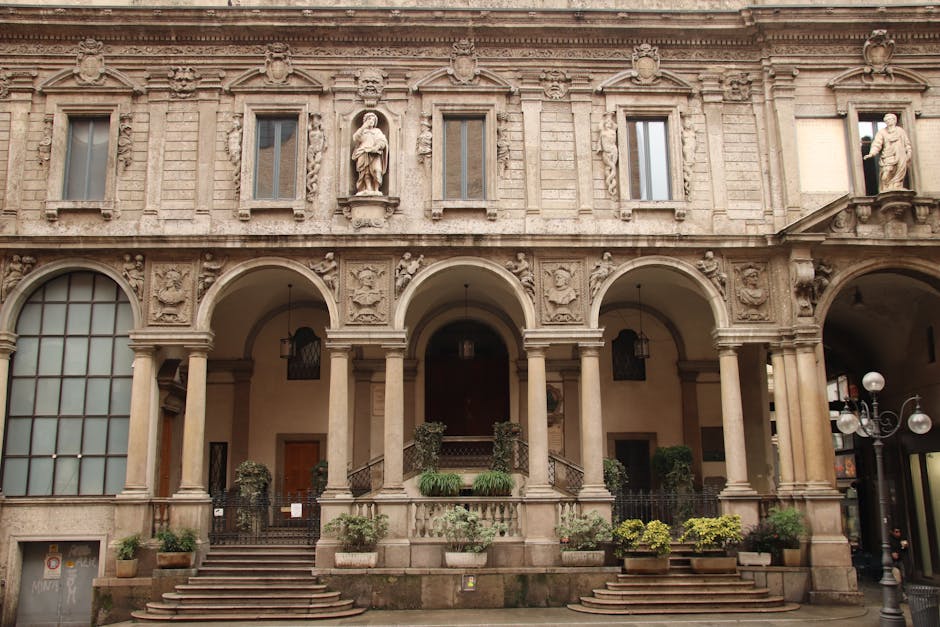
Uncover the hidden capital of the Western Roman Empire on this self-guided walk through Milan's ancient ruins and historic Cinque Vie district.
 Moderate
Milan, Italy
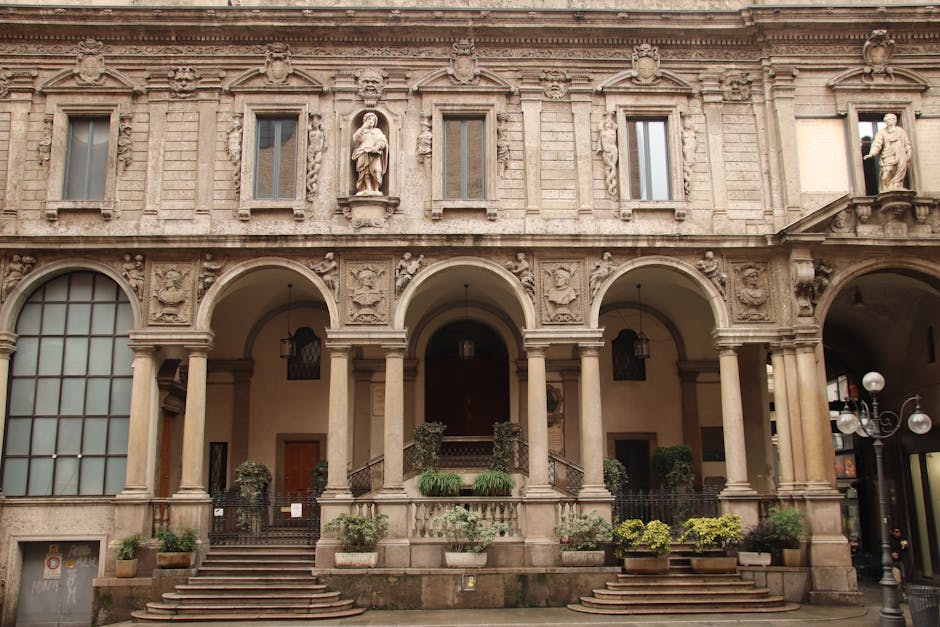
Uncover Milan's dark past on this self-guided walk through plague hospitals, execution grounds, and bone-lined chapels.
 Moderate
Milan, Italy
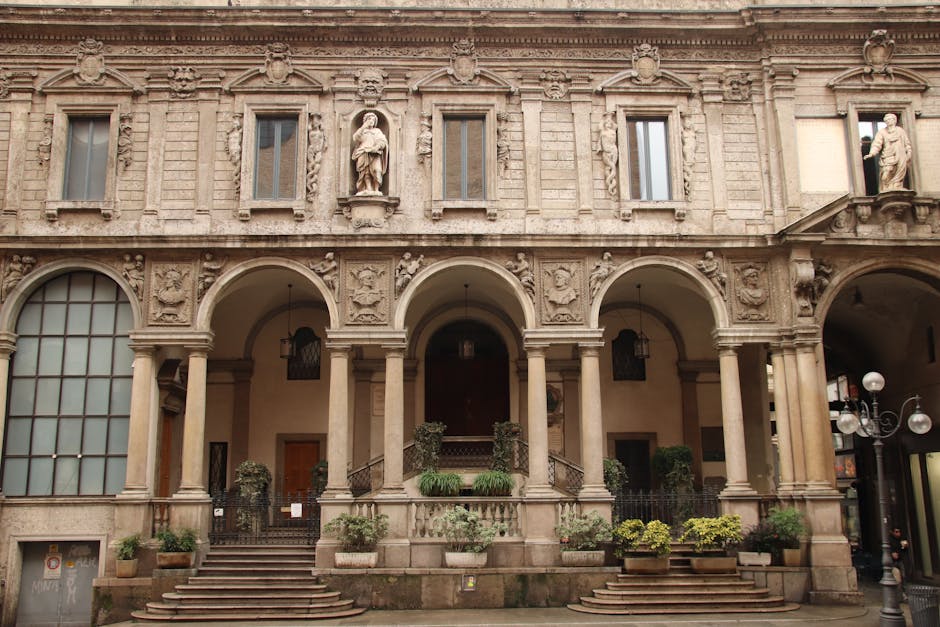
Explore Milan's historic waterways and ancient basilicas on this self-guided stroll through the vibrant and historic Navigli district.
 Moderate
Milan, Italy
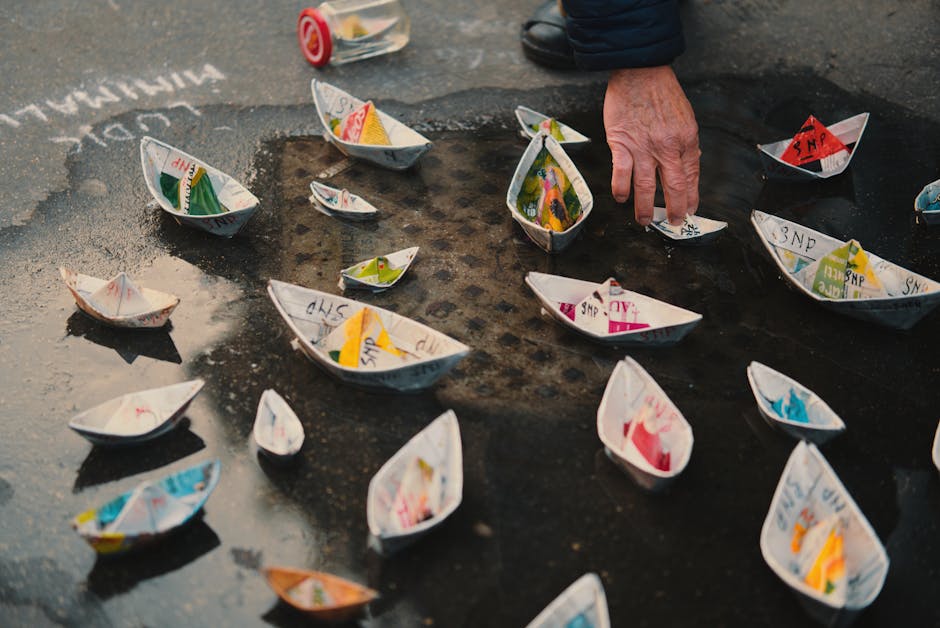
Explore Milan’s creative heart on this self-guided walk through Isola’s vibrant murals, modern architecture, and hidden industrial history.
 Moderate
Nairobi, Kenya
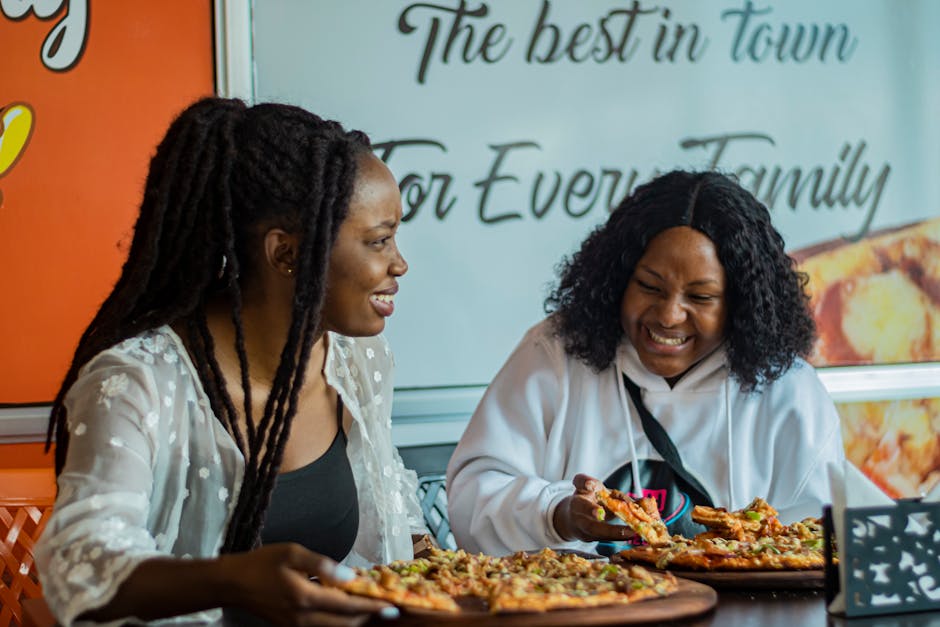
Taste your way through Nairobi's Westlands on this self-guided walk featuring street snacks, cultural landmarks, and hidden foodie gems.
 Easy
EasyGdansk, Poland
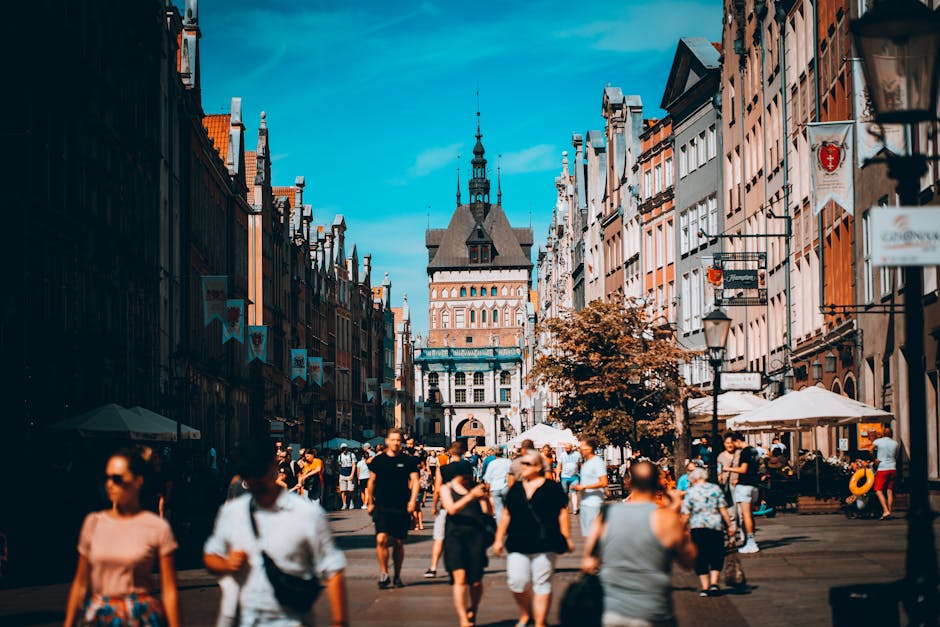
Taste the history of the Baltic. Explore Gdansk's culinary heritage from medieval markets to gold-flecked liqueurs on this self-guided walk.
 Moderate
Helsinki, Finland
Explore Helsinki's bohemian heart. Discover historic saunas, granite churches, and the vibrant local life of the Kallio neighborhood at your own pace.
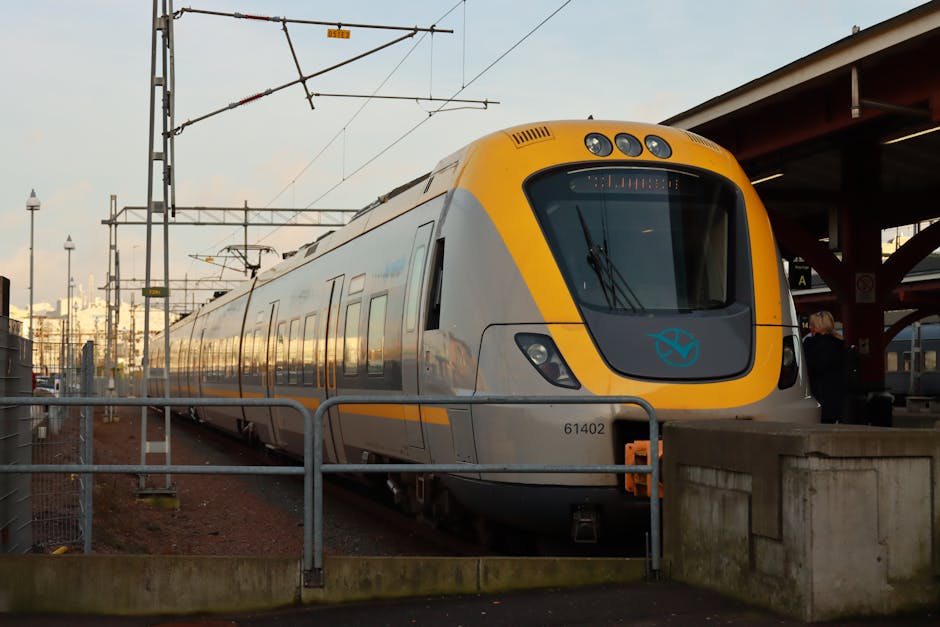 Easy
EasyGothenburg, Sweden
Discover Gothenburg’s maritime flavors on this self-guided walk through historic market halls and iconic seafood landmarks.
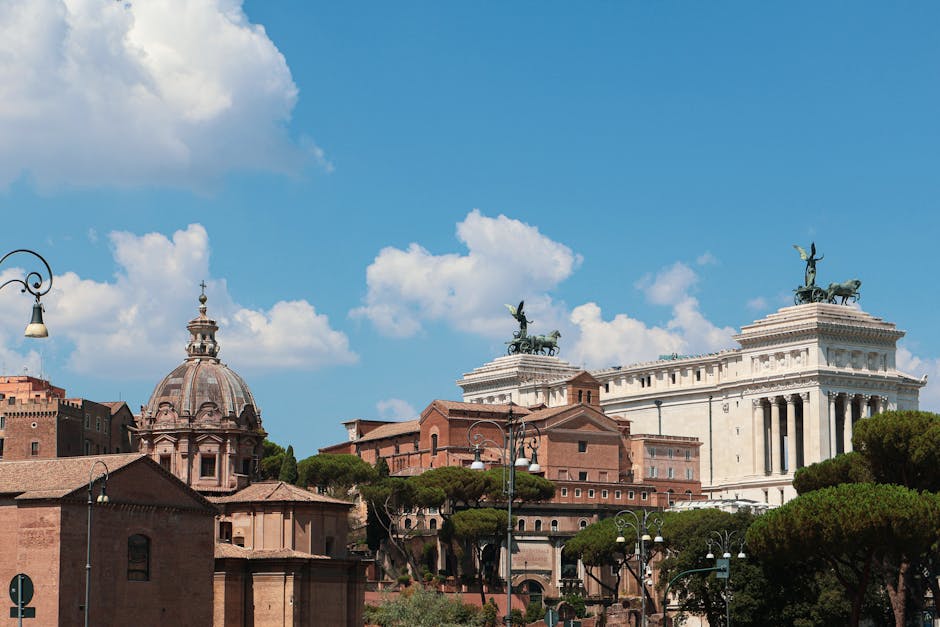 Easy
EasyRome, Italy
Explore Rome’s industrial heart on this self-guided walk featuring massive murals, the 'Iron Colosseum,' and unique industrial archaeology.
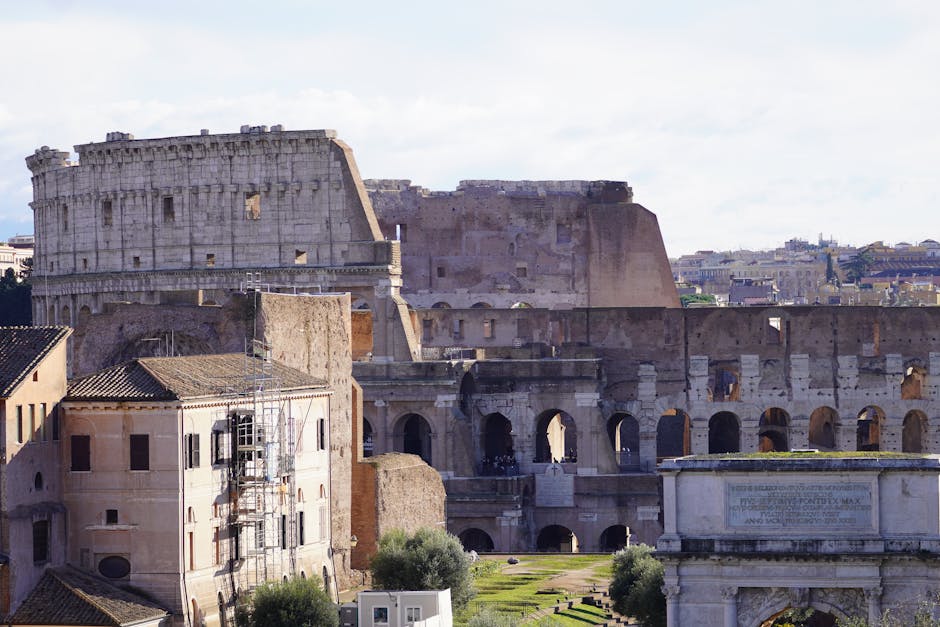 Easy
EasyRome, Italy
Explore Rome’s whimsical Fairytale District. A self-guided walk through Art Nouveau palaces, mythical fountains, and the magical Coppedè architecture.
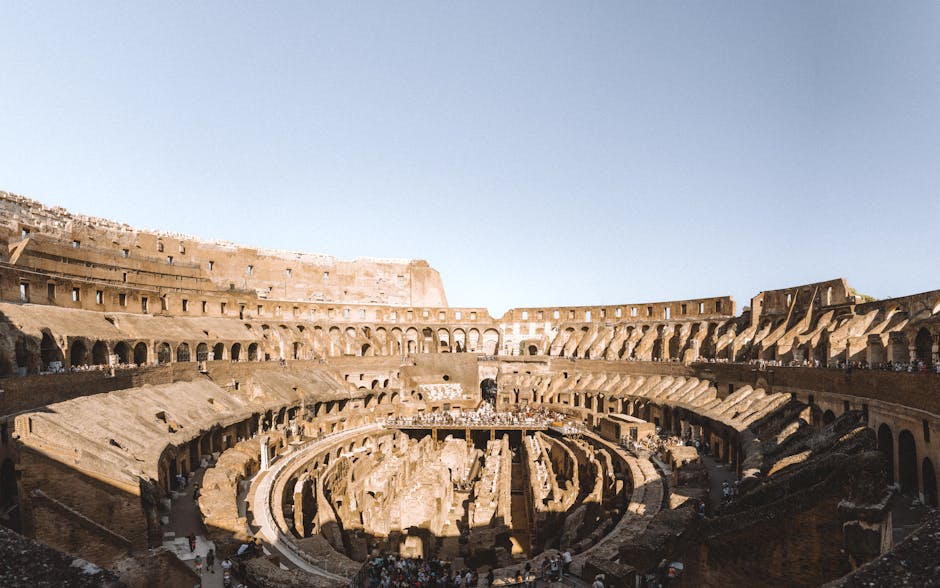 Moderate
Rome, Italy
Uncover Rome's hidden history on this self-guided walk through ancient gladiator pits, subterranean temples, and buried Roman houses.
 Challenging
Rome, Italy
Walk the 'Queen of Roads.' Explore ancient catacombs, imperial villas, and historic basalt stones on this scenic self-guided Roman adventure.