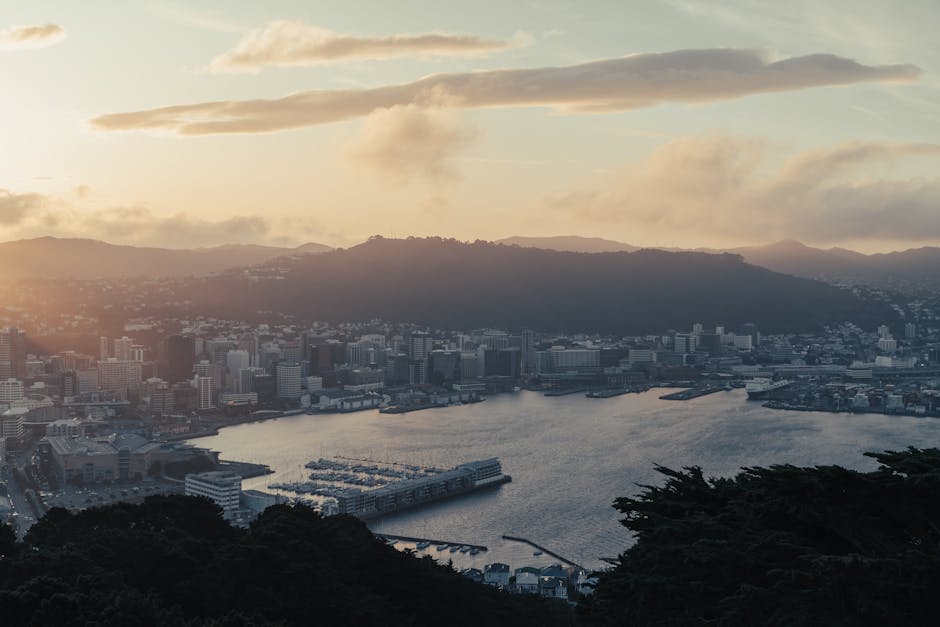
Self-guided audio tour in Wellington
Start Free on iPhone
Start free on iPhone to unlock this self-guided walking tour in Wellington. Hear all the stories that make it amazing, walk at your own pace, and begin whenever you want.
Your Private Tour Guide
Embark on a self-guided walk through the heart of the 'coolest little capital in the world,' where the salty breeze of the Cook Strait meets centuries of seafaring history. This maritime route invites you to explore Wellington's relationship with the sea, tracing the transformation of its shoreline from a rugged edge of the Pacific into a sophisticated urban waterfront. As you move along this walking route, you will uncover the layers of history hidden beneath the modern pavement, starting from the iconic Bond Store that now houses the Wellington Museum. This neighborhood stroll captures the spirit of a city built on trade, resilience, and engineering ingenuity. The journey takes you through the bustling Queens Wharf, once the primary gateway for goods and settlers, before leading you to the historic Lambton Quay. Here, you will stand on what was once the actual shoreline before massive land reclamation projects and the 1855 earthquake forever changed the city's geography. You will see how the port expanded toward Waterloo Quay and eventually transformed into the leisure-focused Taranaki Street Wharf. The highlight of this self-guided adventure is the SS Hikitia, a majestic relic of industrial heritage and the only working steam crane of its type left in the world. This experience is perfect for those who want to explore at their own pace, offering a blend of grand architecture, industrial relics, and stunning harbor views. Whether you are a history buff interested in the 19th-century shipping trade or a casual traveler looking for a peaceful path along the water, this walking tour Wellington provides a deep dive into the maritime soul of the city. Discover the stories of the 'Wharfies,' the evolution of the port, and the engineering marvels that kept the harbor running for decades. Start exploring with Zigway and see how Wellington's past and present collide along its beautiful blue border.
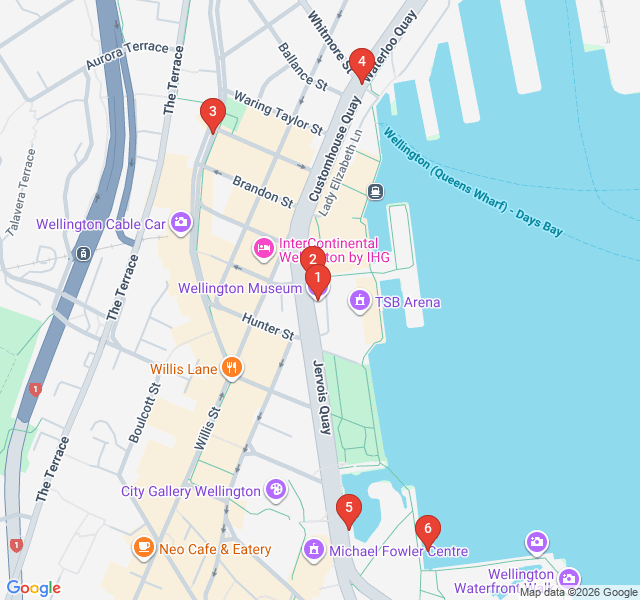
Numbers indicate the order of stops on the tour.
Welcome to the starting point of your maritime journey. This magnificent building, originally the 1892 Bond Store, was once the heart of the city's commerce, storing everything from wool to whale oil. Today, it is the Wellington Museum, often cited as one of the best small museums in the world. As you stand outside, notice the French Second Empire architectural style, which speaks to the city's early ambitions. The museum inside tells the story of the Wahine disaster and the legend of the Maori creation of the harbor. It serves as a perfect introduction to how the sea has shaped the identity, culture, and economy of this capital city.
Step onto Queens Wharf, which has been the center of Wellington’s maritime activity since the 1860s. In the early days, this was a chaotic hub of steamships, horse-drawn carts, and weary travelers. Look around at the restored cargo sheds, like Shed 6 and Shed 5, which have been repurposed into event spaces and restaurants. These structures are some of the oldest surviving wharf buildings in New Zealand. This area was the primary arrival point for thousands of immigrants who stepped off ships to begin new lives. Today, it’s a place for leisure, but the spirit of the old port remains in the heavy timber decking and the historic iron gates.
It may be hard to believe as you stand among the modern high-rises and busy shoppers, but Lambton Quay was once the actual shoreline of Wellington. Before the massive land reclamation projects of the late 19th century, the waves of the harbor literally lapped against the edge of this street. If you look closely at the pavement, you might find markers indicating the original high-tide mark. The 1855 Wairarapa earthquake played a massive role here, lifting the land by nearly two meters and making reclamation much easier. This street transitioned from a beach-side track to the city's premier commercial thoroughfare, moving the sea further and further away.
Waterloo Quay represents the industrial expansion of the port during the height of the steam era. As ships grew larger and trade increased, the city needed more space and better connections. This area became the vital link between the ships in the harbor and the trains on the nearby railway lines. Walking along here, you can imagine the massive cranes and hundreds of 'wharfies'—the local dockworkers—who labored day and night to load New Zealand’s exports. It was a gritty, hardworking part of town that eventually paved the way for the modern, accessible waterfront we enjoy today, bridging the gap between the city's rail hub and its docks.
As you reach Taranaki Street Wharf, you are entering a space where art and history meet the water. This area has undergone a dramatic transformation from a working industrial site to a public park. Take a moment to look at the 'Free Ambit' sculpture—the series of metal structures in the water that frame views of the harbor. This wharf is also a gateway to the nearby Te Papa museum. The area serves as a reminder of how Wellington has reclaimed its waterfront for the people, turning old shipping berths into places for jumping into the harbor on a hot day or simply watching the Interislander ferries depart for the South Island.
You are standing before a true survivor of the industrial age: the SS Hikitia. Built in Scotland and sailed all the way to New Zealand in 1926, this is the world's last remaining working heavy-lift floating steam crane. For decades, the Hikitia was the 'heavy lifter' of the harbor, moving locomotives, boilers, and heavy machinery that no other crane could handle. Even today, her steam engines are still operational, and she is maintained by a dedicated group of volunteers. Her presence on the waterfront is a living tribute to the era of steam power and the rugged engineering that built modern New Zealand. It's the perfect place to conclude your maritime walk.
Start Free on iPhone
Explore “Wellington's Maritime Heritage Trail” with your very own Private Tour Guide with Zigway. Start free on iPhone, skip the large group and the fixed routes, and hear the city come alive as you go.
Your Private Tour Guide
Don't miss the good stuff
Explore Freely
 Challenging
Wellington, New Zealand
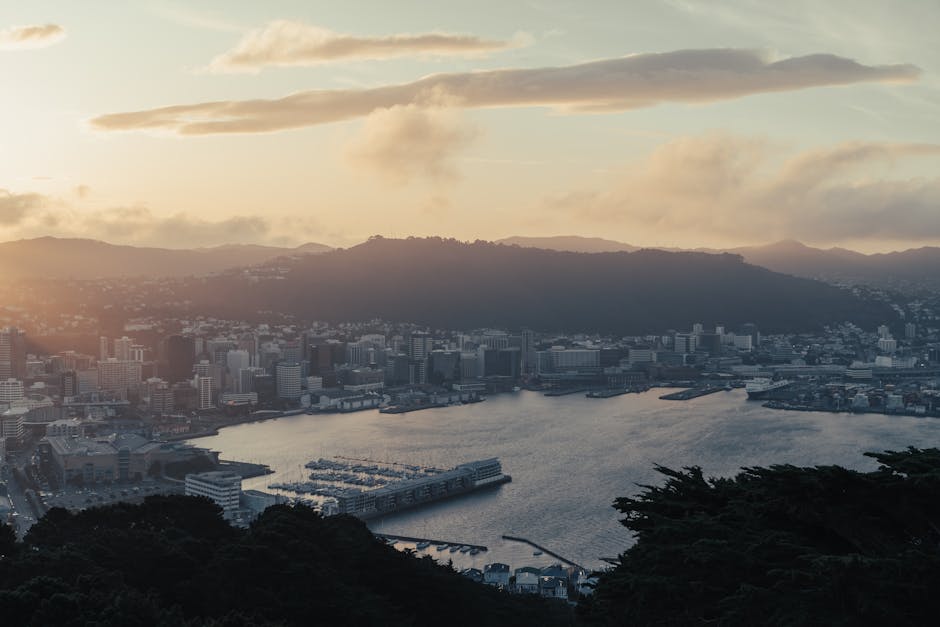
Explore cinematic forests and 360-degree harbor views on this self-guided walk to Wellington's iconic Mount Victoria summit.
 Easy
EasyWellington, New Zealand
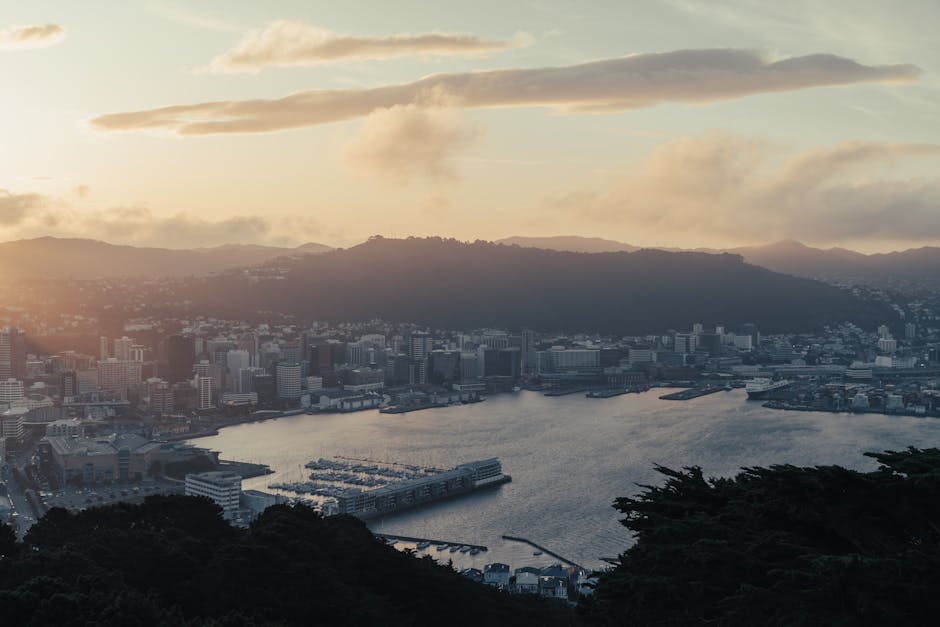
Discover iconic sculptures and harbor views on this easy self-guided walk along Wellington's vibrant waterfront.
 Moderate
Wellington, New Zealand
Discover panoramic views, celestial history, and lush floral displays on this scenic self-guided stroll from Kelburn heights to the city center.
 Easy
EasyWellington, New Zealand
Uncover Wellington’s hidden history and haunted theaters on this atmospheric self-guided walk through the city's dark past and vibrant nightlife.
 Easy
EasyKrakow, Poland
Uncover Krakow's legendary past on this self-guided walk from literary monuments to the fire-breathing Wawel Dragon.
 Easy
EasyInnsbruck, Austria
Uncover the myths and legends of Innsbruck on this self-guided walk through the historic Altstadt and beyond.
 Moderate
Helsinki, Finland
Explore the 'Gibraltar of the North' on this independent walking route through the historic bastions and hidden gardens of Suomenlinna Sea Fortress.
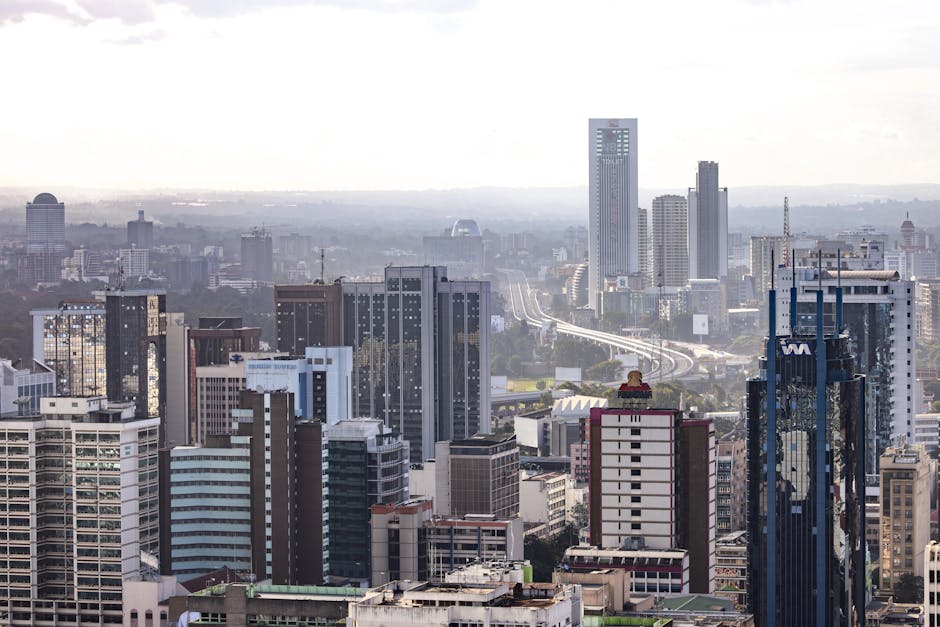 Easy
EasyNairobi, Kenya
Explore Nairobi's architectural evolution from colonial-era landmarks to iconic Brutalist skyscrapers on this historic self-guided walking route.
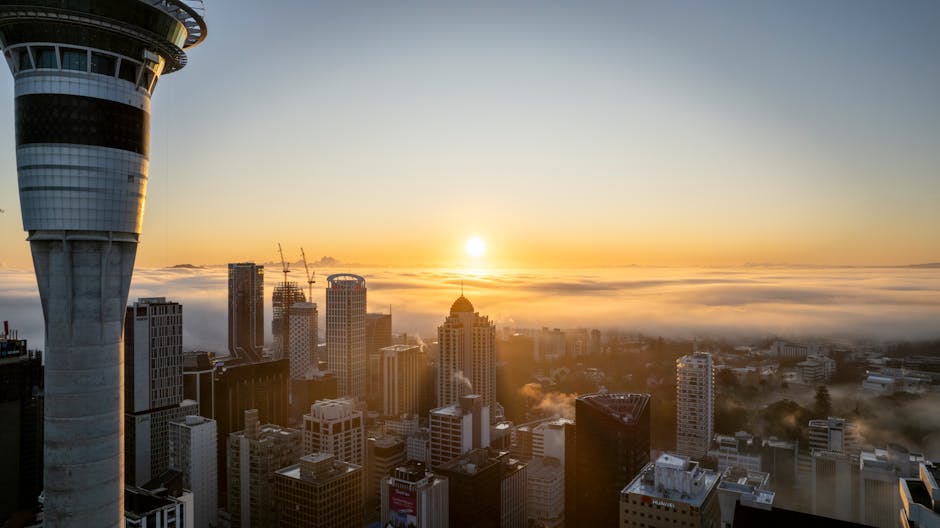 Easy
EasyAuckland, New Zealand
Discover Auckland's sustainable future on this self-guided walk through the award-winning architecture and industrial history of Wynyard Quarter.
 Moderate
Auckland, New Zealand
Discover Auckland's highest volcanic peak, sacred Māori history, and stunning 360-degree views on this self-guided walking route up Maungawhau.
 Easy
EasyAuckland, New Zealand
Explore the gritty soul of Auckland on this self-guided walk through Karangahape Road’s street art, heritage, and legendary nightlife spots.
 Moderate
Auckland, New Zealand
Explore Auckland's iconic coastline, Art Deco architecture, and Maori heritage on this scenic self-guided walking route from Bastion Point to the Bay.