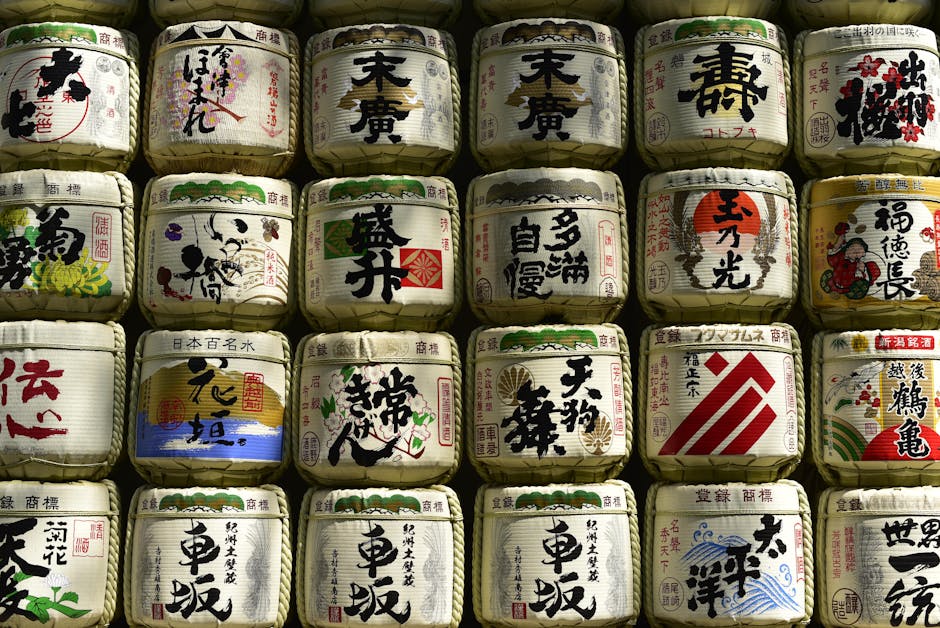
Hatsumode at Meiji Jingu
Millions of people visit this iconic shrine for the first prayer of the year to seek good fortune.
Why it matters: It is the largest New Year celebration in Japan, showcasing traditional dress and Shinto rituals.
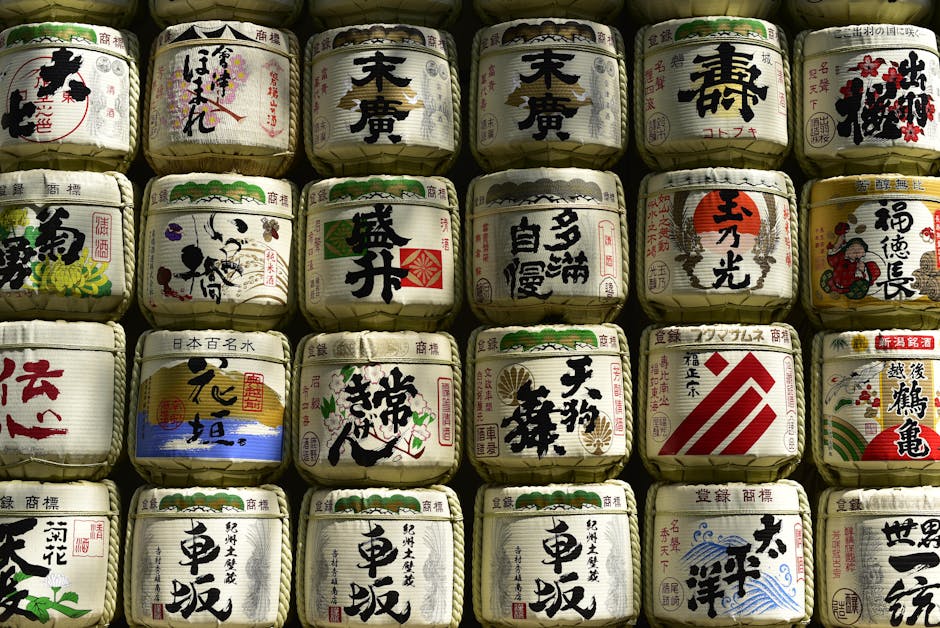
Discover Tokyo's 2026 event lineup, from ancient shrine rituals and sumo wrestling tournaments to world-class art exhibitions and cherry blossom viewing.
Start Free on iPhone
Plan your trip around Tokyo's concerts, festivals, food events, and local traditions, then start exploring with Zigway whenever you're ready to walk.
Your Private Tour Guide
Tokyo in 2026 continues to be a city where centuries-old traditions seamlessly blend with cutting-edge urban lifestyle. This guide provides a curated look at the most significant cultural festivals (matsuri), seasonal nature displays, and international exhibitions taking place across the metropolis. Whether you are visiting for the ethereal cherry blossoms of spring or the vibrant fireworks of mid-summer, Tokyo offers a dense calendar of events that reflect its diverse neighborhood identities. From the historic streets of Asakusa to the modern skyline of Minato, these events provide a deep look into the Japanese soul, offering opportunities to witness traditional dance, taste regional street food, and experience the city's unique architectural backdrop. Planning your visit around these events allows for a richer understanding of Tokyo's history and its contemporary cultural evolution, ensuring that your time in the Japanese capital is both memorable and authentic.
Navigating Tokyo during major events requires a bit of foresight regarding transportation and crowds. The city's extensive rail network is the most efficient way to reach venues like the Ryogoku Kokugikan or Ueno Park, though popular festivals often lead to significant pedestrian traffic. When attending shrine festivals or fireworks displays, arriving early is essential to secure a vantage point. Many cultural events are free to the public and held in open spaces, making them accessible additions to any itinerary. Keep in mind that national holidays, such as Golden Week in late April and early May, see a surge in domestic travel, which can influence the atmosphere of the city's major districts and increase the vibrancy of local celebrations.
Compare this city calendar with the broader country-wide highlights and major events.
View Japan events in 2026January is characterized by a quiet, spiritual start with New Year traditions followed by the high energy of the first sumo tournament of the year.
Millions of people visit this iconic shrine for the first prayer of the year to seek good fortune.
Why it matters: It is the largest New Year celebration in Japan, showcasing traditional dress and Shinto rituals.
The first of the three annual professional sumo tournaments held in Tokyo.
Why it matters: Sumo is Japan's national sport, and the January basho sets the tone for the competitive year.
February marks the transition from deep winter to early spring, celebrated with bean-throwing rituals and the first plum blossoms.
A ritual to drive away evil spirits and welcome good luck by throwing roasted soybeans.
Why it matters: The ceremony at Tokyo's oldest temple includes a unique dance by the Seven Lucky Gods.
A celebration of the blooming plum trees which signal the end of winter.
Why it matters: Plum blossoms are historically significant in Japanese literature and represent resilience.
March is one of Tokyo's busiest months as the city prepares for the arrival of cherry blossoms and hosts major pop culture expos.
One of the world's largest animation events featuring industry booths and cosplay.
Why it matters: It is the premier event for fans and professionals in the global anime industry.
A massive gathering for hanami (flower viewing) under over 1,000 cherry trees.
Why it matters: Ueno is one of the most historic and popular spots for witnessing Tokyo's pink spring canopy.
April continues the floral theme with wisteria and azaleas, while the city's parks remain the center of social life.
Purple wisteria flowers hang from trellises over traditional bridges and ponds.
Why it matters: This site has been a famous floral destination since the Edo period, immortalized in ukiyo-e prints.
May is a month of grand festivals and pleasant weather, featuring some of the city's most energetic street processions.
A wild and boisterous festival involving the parade of portable shrines (mikoshi).
Why it matters: It is one of Tokyo's three great Shinto festivals, drawing nearly 2 million people.
The second Tokyo-based sumo tournament of the year.
Why it matters: The May tournament often sees high stakes as rankings are adjusted before the summer break.
June brings the rainy season, but it is also the time for the prestigious Sanno Matsuri and beautiful hydrangea displays.
A historic festival that was once allowed to enter the grounds of Edo Castle.
Why it matters: As 2026 is an even-numbered year, the full 'Main Festival' with a large parade will take place.
Thousands of hydrangeas bloom around the shrine and its ancient burial mound.
Why it matters: It celebrates the beauty of the rainy season in a quiet, traditional neighborhood setting.
July is the peak of summer, defined by massive fireworks displays and spiritual festivals honoring the dead.
One of the oldest and largest fireworks displays in Japan, lighting up the Tokyo sky.
Why it matters: It is a quintessential Tokyo summer experience with deep roots in the Edo period.
A festival featuring 30,000 yellow lanterns to honor the spirits of the deceased.
Why it matters: The glowing lanterns create one of the most photogenic night scenes in the city.
August is a month of dance and community, with street festivals taking over major thoroughfares in the heat of late summer.
A high-energy dance festival featuring teams from across Japan performing yosakoi.
Why it matters: It combines modern energy with traditional dance styles in Tokyo's fashion hub.
A popular evening festival known for its high-quality food stalls from local merchants.
Why it matters: It offers a more upscale take on the traditional street food festival.
September brings the final sumo tournament of the year to Tokyo and the start of the autumn cultural season.
The third and final grand sumo tournament held in the capital for the year.
Why it matters: It is a crucial event for determining the final rankings of the professional sumo year.
A traditional festival at one of Tokyo's oldest shrines, featuring dance and stalls.
Why it matters: The shrine's architecture is a rare example of the Ishin-no-ma-zukuri style that survived WWII.
October is a prime month for arts and cinema, with the city hosting international film festivals and historic markets.
Japan's largest film festival showcasing international and domestic cinema.
Why it matters: It serves as a major platform for the Asian film industry and global premieres.
A market dedicated to 'bettara-zuke' (pickled radish) and other local goods.
Why it matters: It is a long-standing tradition in Tokyo's historic merchant district.
November is the month of gold, as the ginkgo trees change color and traditional markets prepare for the year's end.
The famous avenue of ginkgo trees turns a brilliant gold, celebrated with food stalls.
Why it matters: The ginkgo is the official tree of Tokyo, and this is the city's most iconic autumn foliage spot.
Markets held on the 'Days of the Rooster' where people buy decorated bamboo rakes for luck.
Why it matters: It is a vibrant, noisy tradition aimed at ensuring business success for the coming year.
December transforms Tokyo into a city of lights with extensive winter illuminations and somber temple rituals to end the year.
A stunning display of LED lights along Keyakizaka Street with Tokyo Tower in the background.
Why it matters: It is one of the most sophisticated examples of Tokyo's modern winter light displays.
The ringing of temple bells 108 times to cleanse the sins of the past year.
Why it matters: This ritual at the foot of Tokyo Tower is a deeply symbolic way to transition into the New Year.
Pair the event calendar with self-guided walks and neighborhood routes.
ModerateDiscover Tokyo's premier creative district on this self-guided walk through Roppongi’s world-class museums and striking modern architecture.
EasyExplore Tokyo’s most stylish neighborhoods on this self-guided walk from the chic boutiques of Daikanyama to the serene canals of Nakameguro.
EasyDiscover the 'Old Tokyo' charm of Yanaka on this self-guided walk through historic temples, artisan alleys, and a stunning torii gate shrine.
EasyExperience Shibuya's electric energy on this self-guided walk from the iconic Scramble Crossing to the panoramic views of Shibuya Sky.
Don't miss the good stuff
Explore Freely