New Year's Concerts
Classical music performances held in historic venues to welcome the new year.
Why it matters: It showcases Portugal's high-culture scene within one of Lisbon's most beautiful operatic buildings.
Experience the best of Portugal in 2026, from Lisbon's legendary street parties and Porto's riverside traditions to world-class music and historic festivals.
Start Free on iPhone
Use Zigway to pair festivals, concerts, sports highlights, and cultural events across Portugal with self-guided walks in the cities you want to explore.
Your Private Tour Guide
Portugal in 2026 offers a captivating blend of ancient traditions and modern creative energy. From the winding alleys of Alfama in Lisbon to the granite towers of Porto, the year is punctuated by celebrations that reflect the nation's maritime heritage and resilient spirit. Visitors can experience the soulful sounds of Fado, the rhythmic energy of summer music festivals, and the deeply rooted religious processions that define local life. Whether you are exploring the romantic palaces of Sintra or the sun-drenched vineyards of the Douro Valley, the Portuguese calendar ensures there is always a cultural moment to witness. This guide highlights the most significant events, allowing you to plan your journey through the country’s architecture, food, and neighborhoods. Beyond the main stages, 2026 invites you to discover the hidden gems of the interior and the coastal traditions that have remained unchanged for centuries, making every visit a deep dive into Lusitanian culture.
Planning a trip to Portugal in 2026 requires balancing popular urban festivals with regional harvests and religious holidays. Lisbon and Porto are busiest during June for the Popular Saints festivals, so consider booking accommodation well in advance if visiting during this peak period. Public transport, including the efficient train network, connects major hubs, but local buses are essential for reaching interior villages. Many museums and historic sites have reduced hours on national holidays like April 25 or June 10. To truly appreciate the local atmosphere, combine major event attendance with self-guided walks through historic districts, where the architecture and neighborhood life provide a constant, quiet spectacle.
Move from the national calendar to city-by-city event pages for more local detail.
January in Portugal is a time of crisp air and quiet reflection, marked by traditional New Year celebrations and the singing of 'Janeiras'.
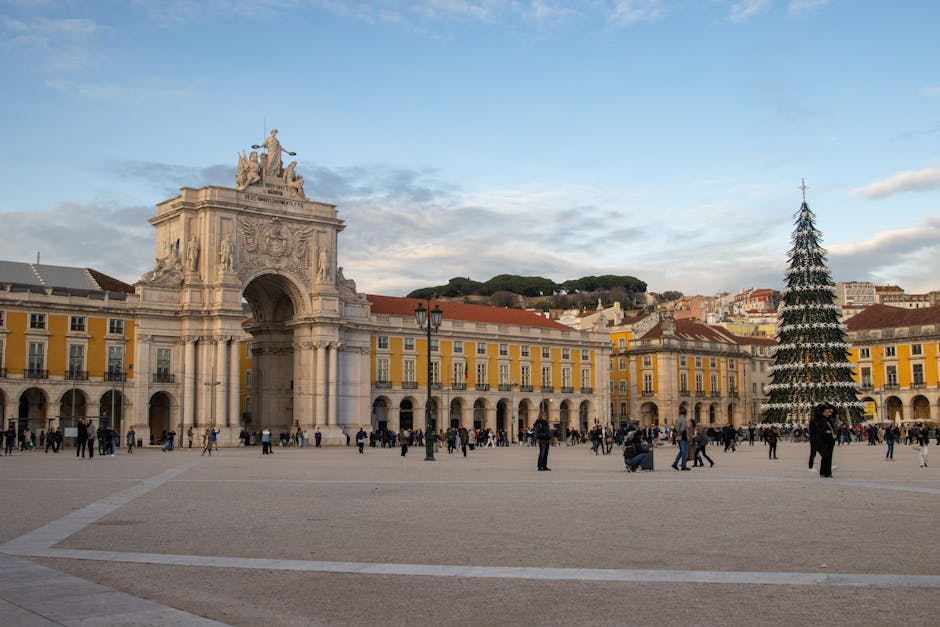
Classical music performances held in historic venues to welcome the new year.
Why it matters: It showcases Portugal's high-culture scene within one of Lisbon's most beautiful operatic buildings.
The final day of the Christmas season where locals eat Bolo Rei and sing traditional songs.
Why it matters: It marks the end of the holiday season with deep-rooted communal singing traditions called Janeiras.
February brings the vibrant energy of Carnival, with colorful parades and satirical displays throughout the country.
Known as the most 'Portuguese' carnival, featuring giant satirical dolls and neighborhood parades.
Why it matters: Unlike the Brazilian-inspired parades, this focuses on local political satire and community participation.
As spring arrives, Portugal hosts major athletic events and unique cultural festivals in its urban centers.
A world-record-setting race that starts with a crossing of the 25 de Abril Bridge.
Why it matters: It offers runners a rare opportunity to cross the iconic suspension bridge on foot with panoramic views of the Tagus.
An international film festival celebrating the art of animation through screenings and workshops.
Why it matters: It is a key event for the European animation industry and showcases creative storytelling from around the world.
April is a month of political significance and culinary celebration, featuring Freedom Day and seafood festivals.
National holiday commemorating the 1974 Carnation Revolution with parades and concerts.
Why it matters: It is the most significant date in modern Portuguese history, celebrating the transition to democracy.
A premier gastronomic event focusing on Portugal's Atlantic seafood and top chefs.
Why it matters: It highlights the country's maritime culinary identity through tastings and live cooking demonstrations.
May is characterized by academic traditions and major art events in the north of the country.
A week-long student celebration marking the end of the academic year with parades and concerts.
Why it matters: This tradition showcases the unique 'Fado de Coimbra' and the vibrant academic life of Porto's youth.
A 50-hour non-stop contemporary art festival featuring dance, music, and performance art.
Why it matters: It is the largest contemporary arts festival in Portugal, set within a stunning Art Deco estate and park.
June is the peak of Portuguese festivities, with the 'Popular Saints' turning city streets into massive open-air parties.
A night of street parades, grilled sardines, and dancing in the historic neighborhoods of Lisbon.
Why it matters: It is Lisbon's biggest night, where the city's oldest districts come alive with neighborhood pride and traditional music.
A massive celebration featuring plastic hammers, leeks, and fireworks over the Douro River.
Why it matters: Known as one of Europe's liveliest street festivals, it combines pagan and Christian traditions in a spectacular riverside setting.
A major international music festival featuring global superstars across multiple stages.
Why it matters: One of the world's largest music brands, bringing massive production value and top-tier talent to the capital.
July is the height of the summer music festival season, drawing international crowds to the Atlantic coast.
An award-winning indie and rock music festival held on the Oeiras coastline.
Why it matters: Consistently ranked as one of Europe's best festivals, it offers a perfect mix of beach vibes and major headliners.
A long-running festival focusing on rock and alternative music near the Tagus river.
Why it matters: It utilizes the modern architecture of the Expo '98 site for a unique urban festival experience.
August is a time for jazz and traditional pilgrimages, as many Portuguese return to their home regions for summer holidays.
A contemporary jazz festival featuring experimental artists in a beautiful garden amphitheater.
Why it matters: It provides a sophisticated alternative to summer pop festivals in one of Lisbon's most important cultural centers.
A celebration of classical music and dance set against the backdrop of Sintra's romantic palaces.
Why it matters: The combination of world-class performance and UNESCO World Heritage architecture creates an ethereal atmosphere.
September marks the beginning of the wine harvest and the return of soulful Fado festivals.
The traditional grape harvest season in the world's oldest demarcated wine region.
Why it matters: It is the most important time for Portuguese wine culture, where centuries-old treading traditions are still practiced.
A Fado festival where various stages throughout the Alfama district host traditional singers.
Why it matters: It celebrates Portugal's UNESCO-listed musical genre in its most authentic neighborhood setting.
October offers mild weather perfect for marathons and documentary film screenings.
A scenic run starting in Cascais and finishing in the heart of Lisbon along the river.
Why it matters: Known as one of the most beautiful marathon routes in the world, following the Atlantic coast.
An international film festival dedicated exclusively to documentary cinema.
Why it matters: It is Portugal's premier documentary event, focusing on social and political narratives from around the globe.
November is the month of tech innovation and the traditional roasting of chestnuts for St. Martin's Day.
One of the world's largest technology conferences, bringing thousands of innovators to Lisbon.
Why it matters: It has transformed Lisbon into a global tech hub, attracting entrepreneurs and speakers from every major industry.
A traditional celebration involving the roasting of chestnuts and tasting of the year's first wine.
Why it matters: A cozy, centuries-old autumn tradition that marks the change of the season across all Portuguese communities.
December transforms Portugal into a land of lights and festive markets, concluding with spectacular New Year's Eve fireworks.
A large Christmas market and fair featuring an ice rink and a giant Ferris wheel.
Why it matters: It is Lisbon's primary festive hub, offering a central location for holiday traditions and family entertainment.
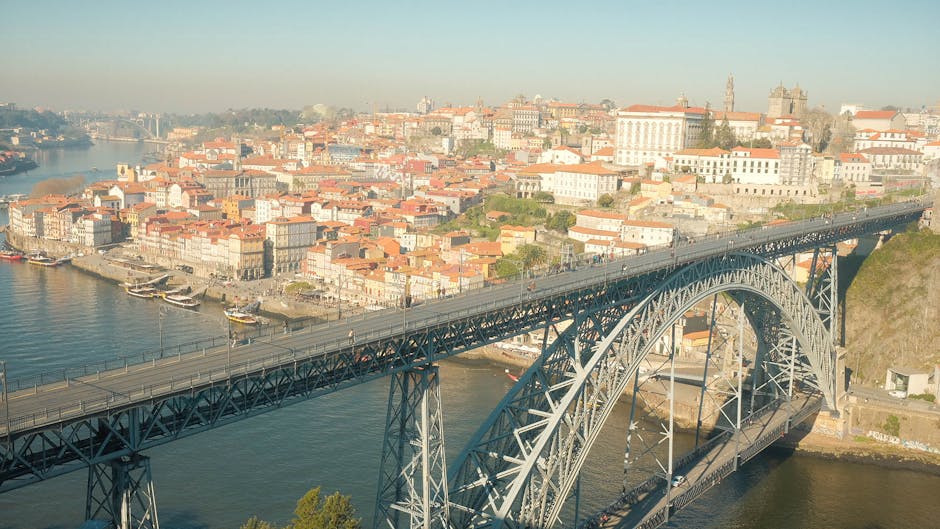
Massive street parties and a grand fireworks display over the Douro River.
Why it matters: The fireworks over the historic Ribeira and the Luis I Bridge provide one of the most iconic New Year's vistas in Europe.
Pair the event calendar with self-guided walks and neighborhood routes.
ModerateLisbon, Portugal
Experience the soul of Lisbon on this self-guided walk through Alfama, the historic birthplace of Fado music and its labyrinthine streets.
ModerateLisbon, Portugal
Escape the Tram 28 crowds and explore the elegant gardens, literary haunts, and gourmet markets of Estrela and Campo de Ourique at your own pace.
EasyLisbon, Portugal
Discover grand palaces, exotic botanical gardens, and hidden water reservoirs in Lisbon's most elegant and trendy neighborhood.
EasyLisbon, Portugal
Explore Lisbon's vibrant ceramic heritage on this self-guided walk through historic neighborhoods and iconic tile-clad landmarks.
Don't miss the good stuff
Explore Freely