
Tallinn Neighbourhoods: Where Locals Actually Walk
The Tallinn districts beyond the old town. Kalamaja's wooden houses, Rotermann's industrial chic, Noblessner's seafront, and the leafy Kadriorg.

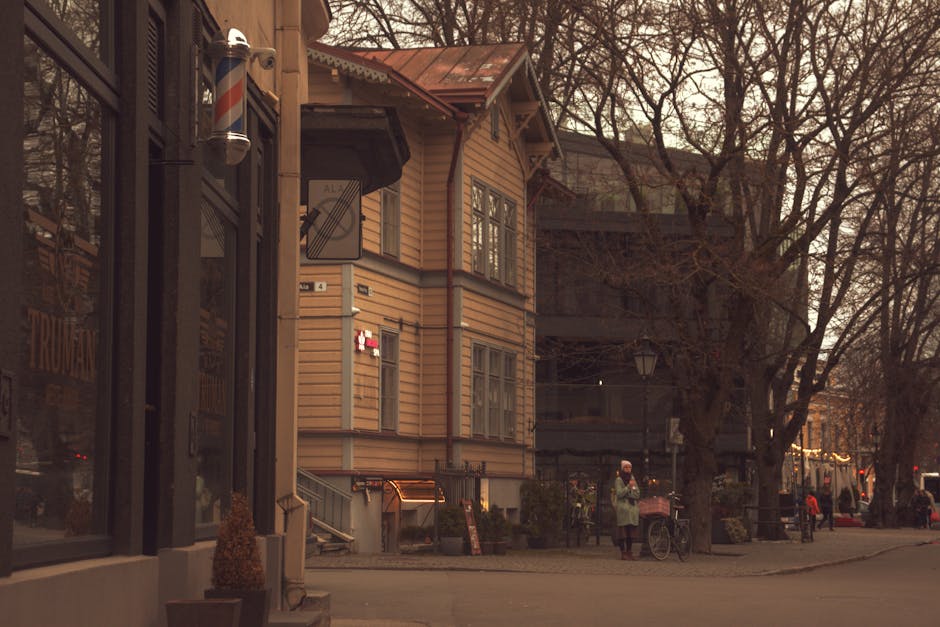
Most people who visit Tallinn never leave the old town. That is understandable (the old town is genuinely one of the great medieval cores in Europe), but it means you miss the parts of Tallinn that locals actually use. The wooden-house districts, the converted factories, the seaside park, the post-Soviet design quarter. These are the neighbourhoods that have made Tallinn one of Europe's most interesting smaller capitals in the past decade.
Below: four neighbourhoods to walk if you have two days, three days, or a slow week in Tallinn. Best done in summer, when the wooden facades catch the long Baltic light and the seaside walks open up. For the classic old town route, see our Tallinn summer walking tour. For why we love Tallinn in the heat, see the coolcation Europe 2026 guide.
Kalamaja: the wooden-house district
Kalamaja sits just outside the old town walls to the north-west. Built in the late 19th century as housing for railway and factory workers, it is now Tallinn's design and food district, full of cafes, brunch spots, vintage stores, and the kind of low-rise wooden houses that have been gradually restored over the past 15 years.
The anchor is Telliskivi Creative City, a converted railway-yard complex with about 250 small businesses, a flea market on weekends, and Fotografiska Tallinn (the local outpost of the Stockholm photography museum). Allow a full half-day. Lunch at F-Hoone or Sfaar, coffee at Kohvik Sesoon, and pastry at Levain.
What makes Kalamaja special is the pace. The old town is busy with day-trippers. Kalamaja is where people actually live, which means it has the unhurried weekday energy that the old town loses by 11am.
Rotermann Quarter: industrial chic
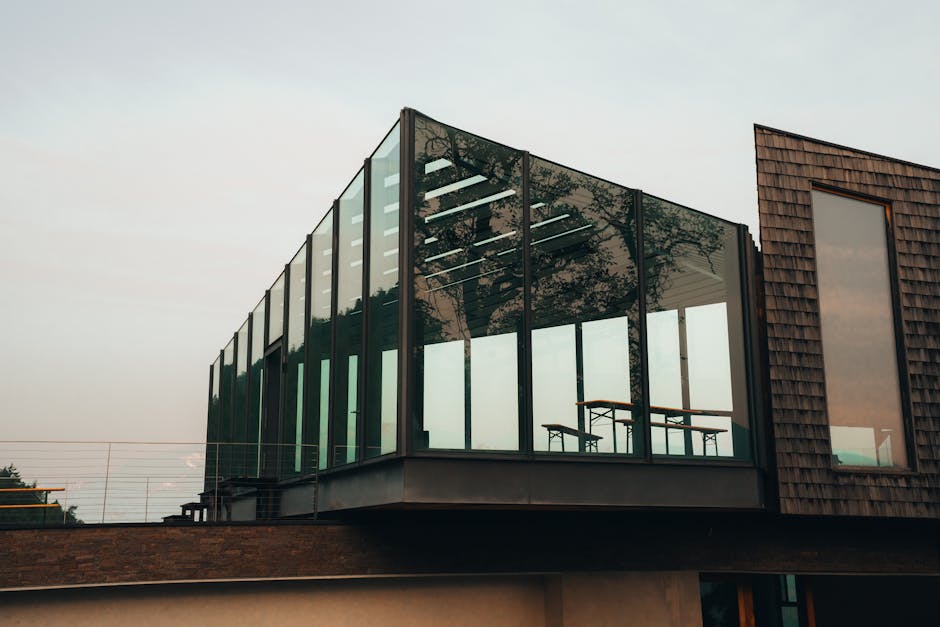
Rotermann is the most architecturally interesting square kilometre in Tallinn. A 19th-century industrial complex of brick warehouses sat empty for decades, then in the early 2000s was reborn as an architectural showcase. The original brick is left visible, but contemporary Estonian architects added glass cubes, concrete extensions, and bright orange staircases on top. The contrast works.
Walk it on a weekday for the design shops and restaurants, on a weekend for the morning brunch scene. The Estonian Architecture Museum is a five-minute walk away and worth half an hour. If you want a single dinner in Tallinn that defines the new-Nordic-meets-post-Soviet food scene, NOA Chef's Hall is the spot, but you need to book ahead.
Rotermann is the easiest neighbourhood to add to an old town day. It sits just east of Viru Gate.
Noblessner: the seaside reset
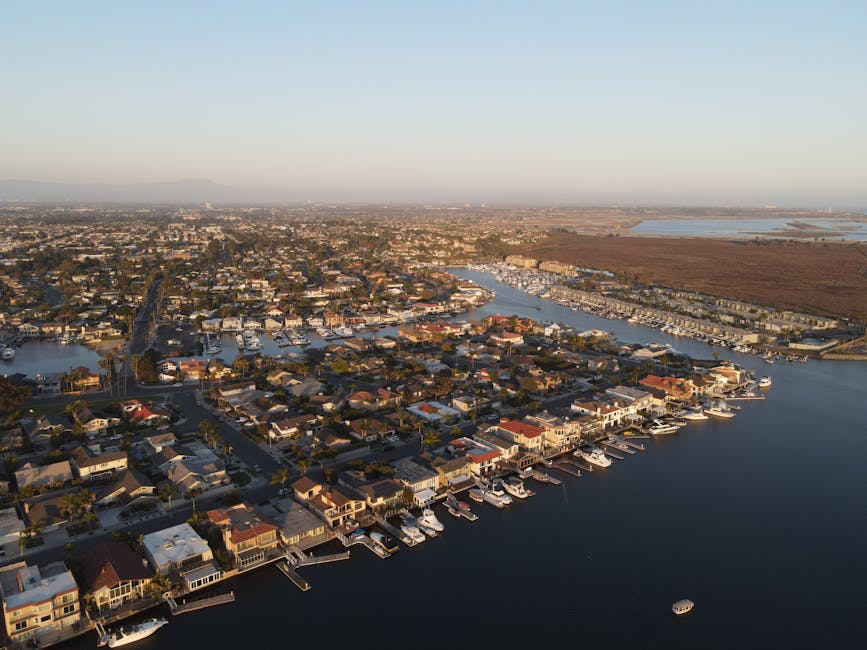
Noblessner is the newest of these districts, and the most ambitious. A former tsarist-era submarine factory has been remade into a seaside dining and leisure complex with promenades, restaurants, and a marina. Walk here from Kalamaja along the seafront for about 20 minutes (the route is signposted and almost entirely waterfront).
At Noblessner, the Lennusadam Seaplane Harbour Maritime Museum (housed in giant 1916 concrete hangars built by the Russian imperial navy) is one of the best museums in the Baltics, indoor and out, with a real submarine you can walk through. The summer sunset, from Noblessner's western seawall, is the best in Tallinn. Restaurants like Iru and PADA serve the kind of seafood you would not find in the old town.
Kadriorg: the park and the imperial corner
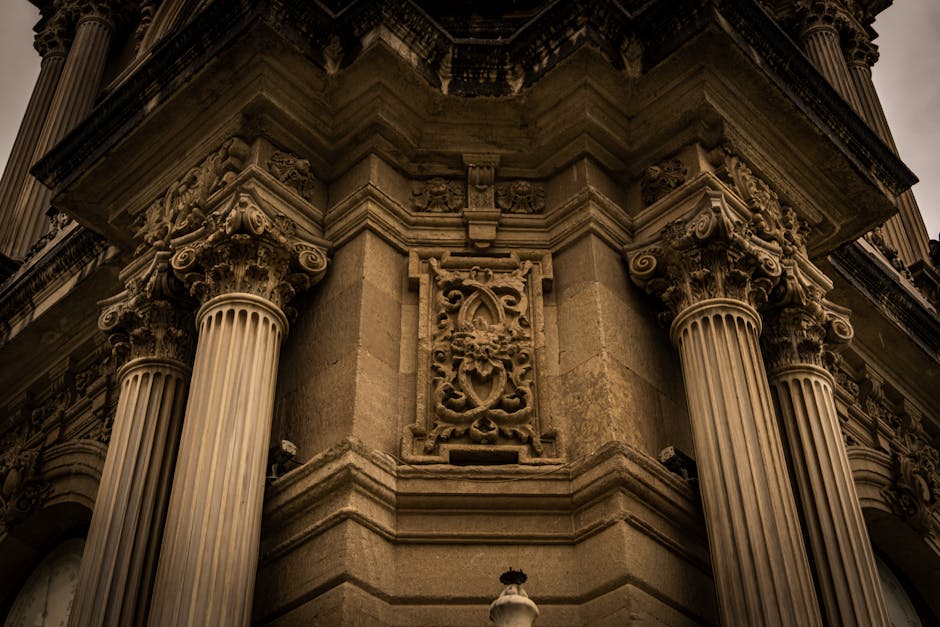
Kadriorg is the green, palace-and-museum end of Tallinn, about a 25-minute walk east of the old town along the seafront, or a quick tram ride. Peter the Great built the baroque palace here as a summer present for his wife Catherine in 1718, and the formal gardens have been a public park since the 19th century.
In summer, Kadriorg is where Tallinn picnics. Walk the Swan Pond, visit the Kumu Art Museum (Estonia's flagship art museum, in a striking 2006 building by Pekka Vapaavuori), and then keep walking another 15 minutes to Pirita beach if you want to swim. The water is cold but clean.
This is the slowest, leafiest district in Tallinn, and the best place to spend a hot afternoon (if Tallinn is having one of its rare 27-degree days).
Bonus: Pohjala Factory in North Tallinn
If you have a fourth day, head further north to the Pohjala Brewery complex in the post-industrial outer harbour. Pohjala is Estonia's best-known craft brewer, and the brewery taproom serves their full range with smoked-meat barbecue. The walk out from Kalamaja takes about 25 minutes and passes through some of the rawest of Tallinn's post-Soviet harbourscape.
This is the neighbourhood that has not been polished yet, which is exactly why we like it.
How to put it together
- One spare day: Kalamaja half-day plus Rotermann afternoon.
- Two spare days: Add Noblessner seafront walk on day two, ending with sunset and dinner at PADA.
- Three or more days: Add Kadriorg and the Pirita seafront, plus Pohjala for craft beer.
Practical notes
- Transport: Tallinn's old town to Kalamaja is a 15-minute walk. Tram 1 or 3 from the centre runs to Kadriorg in 10 minutes.
- Time of day: Kalamaja brunches are slow and best between 10am and 1pm. Noblessner is for sunsets. Kadriorg is for afternoons.
- Weather: these neighbourhoods are mostly outdoor walks. If it rains, default to Telliskivi (covered courtyards) or Kumu (indoors).
Walk these neighbourhoods with Zigway
Our Tallinn collection covers Kalamaja, Rotermann, Noblessner, Kadriorg, and Pohjala as separate self-guided audio walks, plus the classic old town routes (covered in our Tallinn summer walking tour). Pop in headphones, follow the route, pause for coffee or a beer at your own pace.
Tallinn is one of those cities where the second day is better than the first, because by then you have left the old town and started seeing the rest. Browse all Tallinn tours or check the wider map of cities we cover.