
7 Nordic Cities for a Summer Walking Holiday
The best Nordic cities for a summer walking holiday, from Copenhagen to Reykjavik. July temperatures, walking days, and where to start in each.

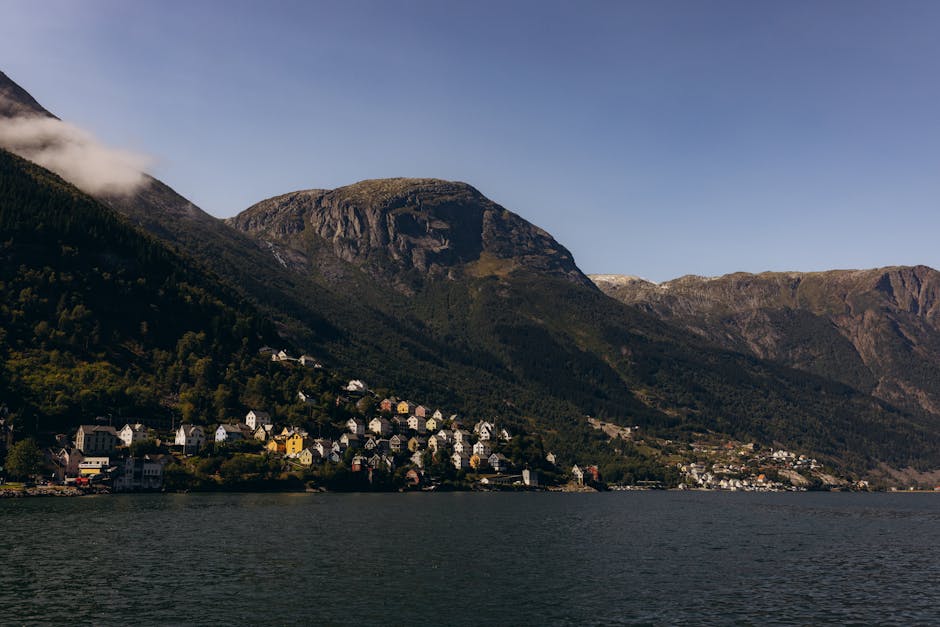
The Nordic capitals have always been a summer secret. Long daylight, sea breezes, walkable old towns, and temperatures that would barely register as "warm" in southern Europe. Now that southern Europe is hitting 40 degrees most Julys, the secret is out. If you want a city break where you can walk all day without melting, head north.
We have put together seven Nordic cities that we keep returning to ourselves, ranked roughly by how much time we would give each one. Every entry has a July average high under 24 degrees, a walkable historic core, and the kind of late-evening light that makes summer feel infinite. For the broader argument on heat-free summer city breaks, see our pillar guide to coolcation Europe 2026.
1. Copenhagen, Denmark
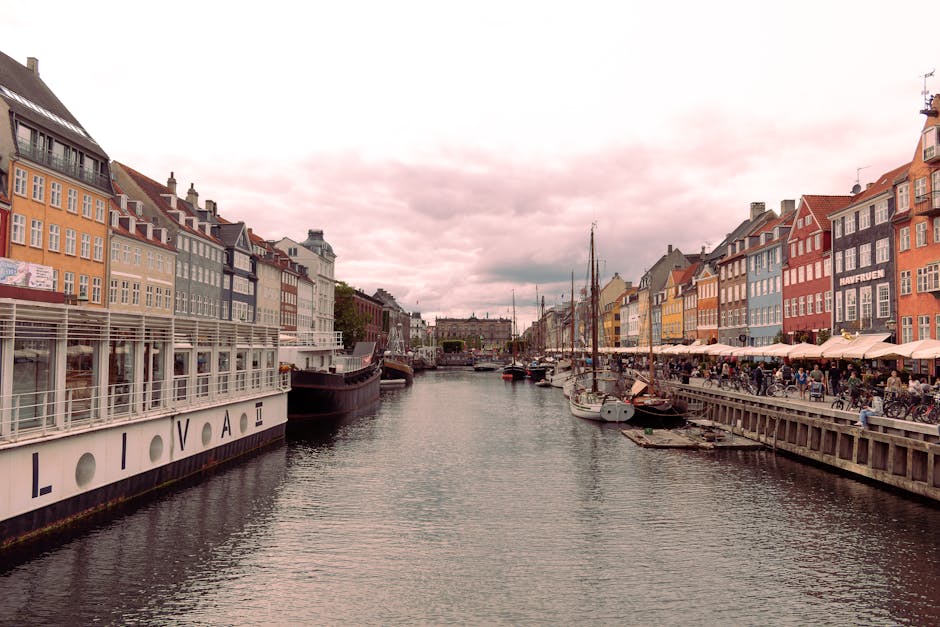
July avg high: 22 degrees. Walking days we would give it: 4.
Copenhagen is the easiest entry point to the Nordics. Everyone speaks English, the city is laid out for walking, and the bike infrastructure means cars are almost an afterthought in the centre. Start with the obvious (Nyhavn, Stroget, Christiansborg) but reserve at least two days for the neighbourhoods. Vesterbro for the meatpacking-turned-restaurant district, Norrebro for the multi-ethnic food scene, and Refshaleoen for the post-industrial weekend hangout.
The Danish hygge stereotype is real, by the way. People genuinely sit outside reading books and drinking coffee for entire afternoons. You will adapt within hours.
Browse our Copenhagen walking tours to start planning routes.
2. Stockholm, Sweden
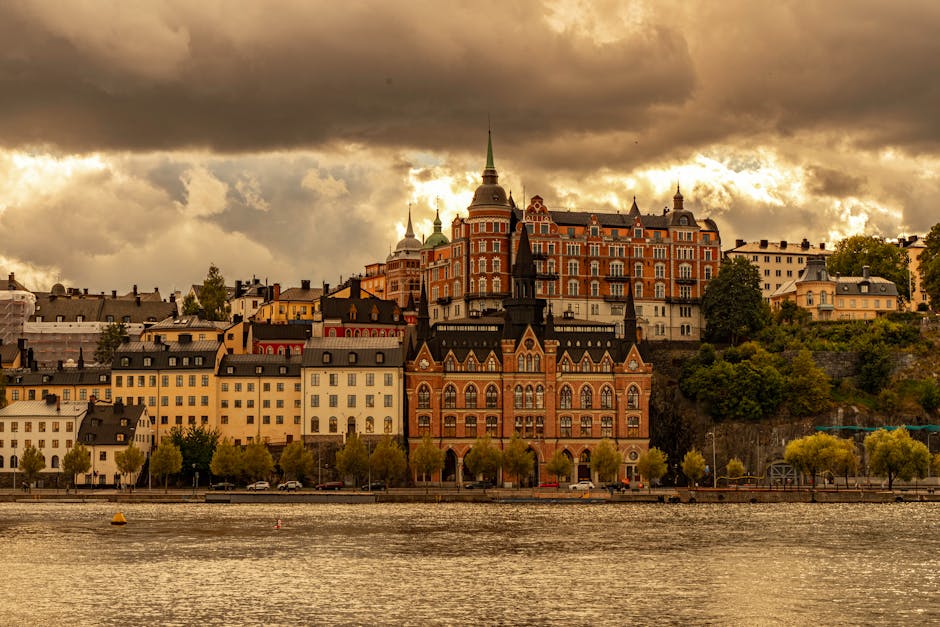
July avg high: 23 degrees. Walking days we would give it: 4 to 5.
Stockholm spreads across 14 islands and three major waterways, which means walking the city involves a lot of bridges and a steady breeze off the Baltic. Spend a morning in Gamla Stan, the medieval old town. In the afternoon, ferry across to Djurgarden, the green island where the Vasa museum and the open-air Skansen sit. Sodermalm, the once-bohemian southern island, is now the main going-out district. The Stieg Larsson Millennium walking trail starts there.
The Tunnelbana, the Stockholm metro, is sometimes called the world's longest art gallery. Get a 24-hour pass just to ride it between walks.
See Stockholm self-guided walks.
3. Helsinki, Finland

July avg high: 22 degrees. Walking days we would give it: 3.
Helsinki is the most underrated Nordic capital. It has Nordic architecture without the Stockholm prices, a design district (Punavuori) that holds its own against Copenhagen, and direct ferries to a UNESCO-listed sea fortress (Suomenlinna) that locals treat as a summer park. Walk Esplanadi for the chic spine, Kallio for the bohemian counterweight, and finish with a sauna at Loyly on the seafront.
Daylight in Helsinki runs from about 4am to 11pm in July. You will sleep less than you plan to.
Browse Helsinki walking routes.
4. Oslo, Norway

July avg high: 22 degrees. Walking days we would give it: 3.
Oslo has reinvented itself in the past decade. The harbour, once an industrial wasteland, is now a nine-kilometre promenade of museums, swimming spots, and architectural showstoppers. Walk from the Opera House along the new Munch Museum and Aker Brygge, then loop back inland through Grunerlokka, the warehouse district turned creative quarter. Vigeland Sculpture Park, with 200-plus bronze and granite figures by one obsessive Norwegian, is the unmissable detour.
If the weather turns warm (it can hit 26 occasionally), the islands of the inner Oslofjord are 20 minutes by public ferry.
5. Bergen, Norway
July avg high: 19 degrees. Walking days we would give it: 3 to 4.
Bergen is the coolest entry on this list (literally) and the most cinematic. Seven mountains ring the city, a UNESCO-listed wharf of crooked wooden warehouses (Bryggen) lines the harbour, and a funicular (Floibanen) climbs you 320 metres above town in seven minutes. Walk the wharf in the morning, take the funicular up after lunch, walk a forest ridge for two hours, and ride down for dinner.
It rains, often. Bring waterproofs and accept it. Locals will be amused if you complain.
6. Gothenburg, Sweden

July avg high: 21 degrees. Walking days we would give it: 2.
Gothenburg is Sweden's second city and feels nothing like Stockholm. It is harbour-built, working-class in its DNA, and has a small, dense old town that you can walk in an afternoon. Haga, the cobbled wooden-house district, is famous for fika (Swedish coffee-and-cinnamon-bun breaks). Magasinsgatan is the boutique street. The seafood at the indoor market (Saluhallen) is some of the best in the country.
It also has the West Coast islands on its doorstep. Day-trip out to Marstrand or Vrango.
7. Reykjavik, Iceland

July avg high: 14 degrees. Walking days we would give it: 2 to 3.
Reykjavik is the wild card. July highs of 14 degrees mean you will be in a jumper, not a t-shirt, even at midday. But the city itself is a perfect compact walk: harbour, downtown, Hallgrimskirkja church, Laugavegur street, and a thriving street-art scene that punches well above the population (around 120,000).
Pair Reykjavik with two or three days on the Ring Road. It is one of the few coolcation cities that is genuinely a launchpad for nature, not just an urban break.
Practical tips for a Nordic walking trip
- Use trains and ferries. Copenhagen to Stockholm, Stockholm to Oslo, Oslo to Bergen, and Helsinki to Tallinn are all classic train or ferry legs that beat flying on every metric.
- Pack a packable rain shell. The Nordics get sudden showers even in July. We never leave the hotel without one.
- Eat lunch out, cook dinner. Nordic restaurants are pricey. Lunch specials (dagens ratt in Sweden, dagens rett in Norway) are usually half the dinner price. Many hostels and apartments have kitchens.
- Embrace the midnight sun. Local schedules shift in summer. Restaurants seat last orders at 11pm. Use the long evenings to walk after the day-tripper crowds have gone.
Where to next
If you want to go beyond the Nordics, our coolcation Europe 2026 pillar guide maps the Baltic and alpine bands too. We use Zigway ourselves on every Nordic city break: pop in your headphones, follow the route, pause when something catches your eye. No groups, no clipboards, no fixed schedule.
Browse every city we cover or grab the app and start planning your summer.