
Ljubljana Neighbourhoods: Where Locals Actually Walk
The four Ljubljana neighbourhoods beyond the old town: Krakovo's vegetable gardens, Metelkova's autonomous cultural centre, Tivoli Park, and the socialist-modernist quarter.

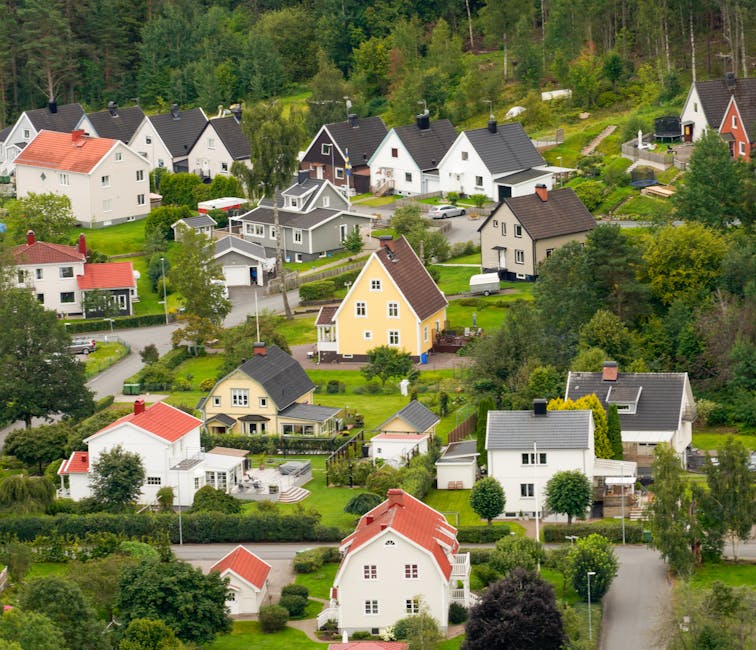
Ljubljana's old town and castle are the obvious first day. Spend longer (and we always do, because it is small and rewards a slow visit) and the city's quieter neighbourhoods open up. Krakovo, the urban village of one-storey houses where locals still grow vegetables behind their front doors. Metelkova, the autonomous cultural centre that took over an old army barracks. Tivoli Park, the green lung that runs almost up to the old town. The socialist-modernist quarter of Trnovo and Roznik with its concrete experiments and quiet residential streets.
Below: four Ljubljana neighbourhoods we walk every visit, as a second-day complement to the Ljubljana summer self-guided walking tour. For why the city makes our heat-free list, see the alpine coolcation guide.
Krakovo: the urban village
Krakovo sits a 10-minute walk south of the old town, on the eastern bank of the Gradascica stream where it joins the Ljubljanica. It is one of the oldest settlements in the city, originally a fishermen's village, and it has somehow retained its character as a one-storey, low-density, garden-filled neighbourhood right inside the capital.
Walk the lanes (Krakovska Ulica, Eipprova Ulica, the small cross-streets) and you will see vegetable patches, fruit trees, and locals stopping to chat over fences. Many of the houses still grow Krakovo's famous heirloom radicchio variety. The Krizanke complex sits just to the north, and the area between Krakovo and the river embankment has the city's best concentration of small, owner-run cafes (Le Petit, Cacao, Krasevka).
This is the walk for a slow morning. An hour with a coffee and a notebook.
Metelkova: the autonomous cultural centre
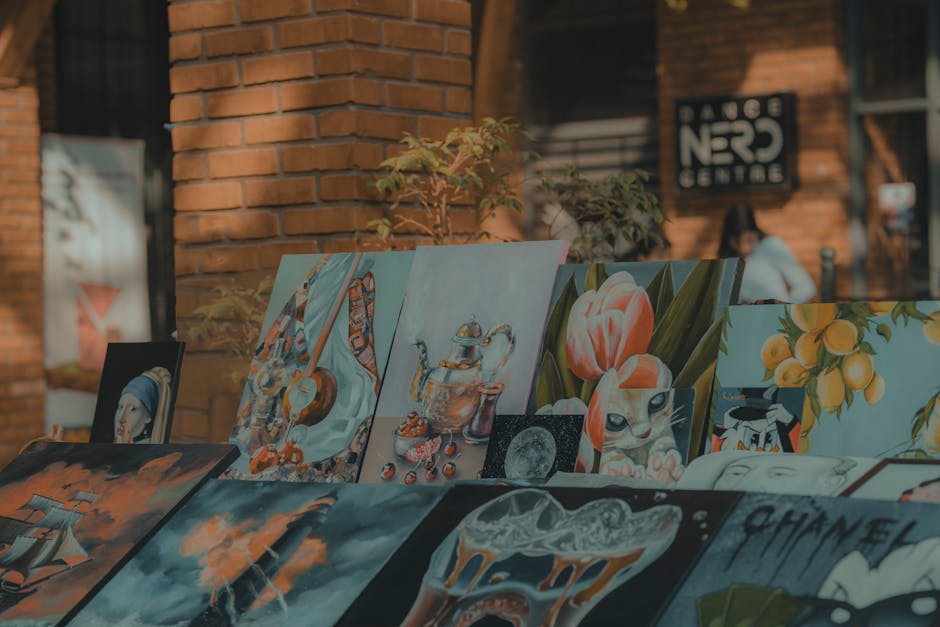
Metelkova is the polar opposite of Krakovo and just as essential. In 1993, after the Yugoslav army left their Ljubljana barracks following Slovenian independence, a coalition of artists, musicians, and activists occupied the abandoned complex and refused to leave. Three decades later, Metelkova is still self-governed, the buildings are covered in murals, sculptures hang from the walls, and at night it transforms into the city's most chaotic and rewarding club scene.
Walk it during the day for the art. Every wall, doorway, and exterior stairwell is decorated. Some of the sculptures (the "Mother Tongue" cast-iron face, the welded-metal piano above one door) have been there since the 1990s. The complex is open to walk through freely. The galleries inside open in the late afternoon.
At night, Metelkova has venues across the spectrum: Klub Gromka for punk and indie, Channel Zero for electronic, Menza pri Koritu for underground hip hop. Even if you do not go clubbing, walking through after dark when the bars spill into the courtyards is part of the Ljubljana experience.
Tivoli Park: the green lung
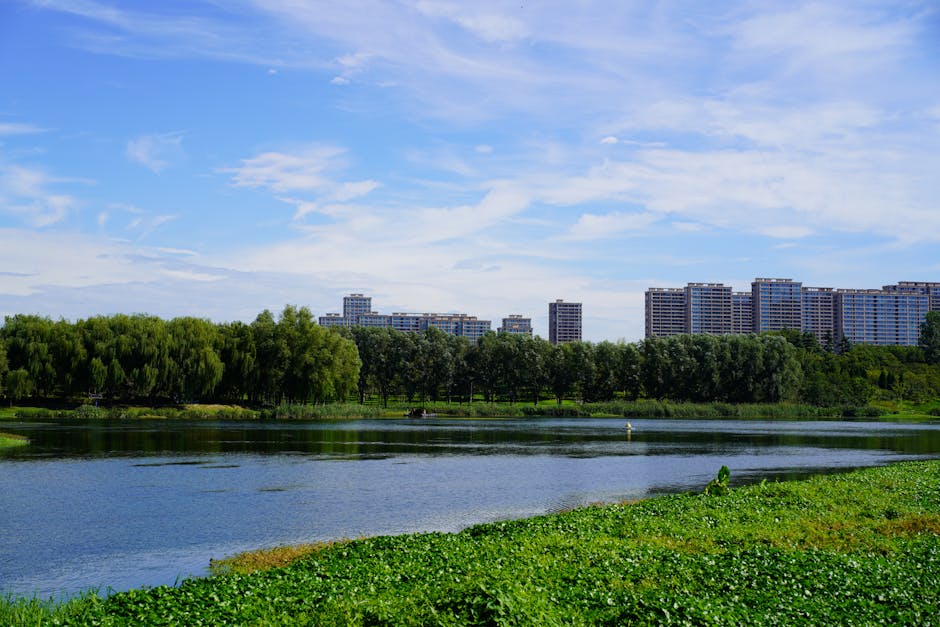
Tivoli Park is the city's green lung, and it is enormous: about 510 hectares, running from just behind the railway station up into the forested Roznik hill. The Jakopic Promenade, the wide central avenue lined with planters and large-format photography exhibitions, is one of the great urban walks in central Europe.
This is the walk for a hot afternoon. The park stays shaded and breezy even on the warmest July days. If you keep walking past the formal park into Roznik forest, the path climbs gently to the Roznik church, where the writer Ivan Cankar lived in the early 20th century. The whole loop from the old town to Roznik and back is about 8km and takes 2.5 hours at a slow pace.
The Museum of Modern Art (MG) and the Museum of Contemporary Art (MSUM) both sit on the eastern edge of the park and are easy to combine with a Tivoli walk.
Trnovo and the socialist-modernist quarter
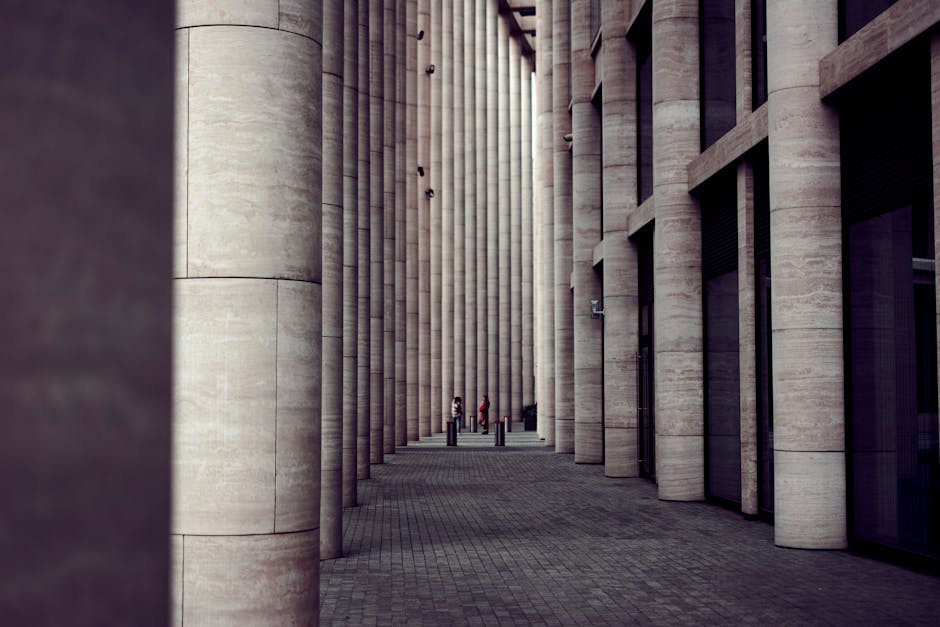
Walk south-west from Krakovo into Trnovo and you cross into Ljubljana's most interesting 20th-century neighbourhood. Plecnik built his own home here (now the Plecnik House Museum, well worth a visit), and the surrounding streets are a mix of pre-war villas, his architectural interventions, and post-war Yugoslav modernist housing experiments.
Walk further west or north and you arrive in the BS3 housing complex (built 1973 to 1977), one of Yugoslavia's most ambitious large-scale housing projects, with sculpted concrete towers around interior pedestrian courtyards. It is brutalist but in the gentler, more humane Yugoslav tradition. For anyone interested in 20th-century architecture, this is an essential 90 minutes.
How to put it together
- One spare day: Krakovo morning walk plus Metelkova in the evening.
- Two spare days: Add Tivoli Park (with the Roznik climb) for a forested afternoon.
- For architecture nerds: dedicate a morning to Plecnik House and the Trnovo modernist walk.
Practical notes
- Distances: Krakovo is 10 minutes south of the old town. Metelkova is 15 minutes north. Tivoli Park starts 10 minutes west. Everything is walkable.
- Public transport: Ljubljana's bus network is cheap and the Urbana card works on every line. You almost never need it though.
- Pace: these neighbourhoods all reward a slow walk. None of them is more than 2 to 3km end to end.
Walk these neighbourhoods with Zigway
Our Ljubljana collection covers Krakovo, Metelkova, Tivoli Park, and the Plecnik architectural circuit as separate self-guided audio walks, alongside the classic old-town routes (covered in our Ljubljana summer walking tour). Pop in headphones, walk at your pace, pause whenever a courtyard, a mural, or a Plecnik flourish catches you.
Ljubljana is the kind of capital that hides in plain sight. Browse all Ljubljana tours or the wider map of cities we cover.