
Alpine Coolcations: 4 Walking Cities Above 500 Metres
Bern, Salzburg, Innsbruck, Ljubljana: the four alpine cities we walk every summer. Why altitude works as well as latitude for a heat-free city break.

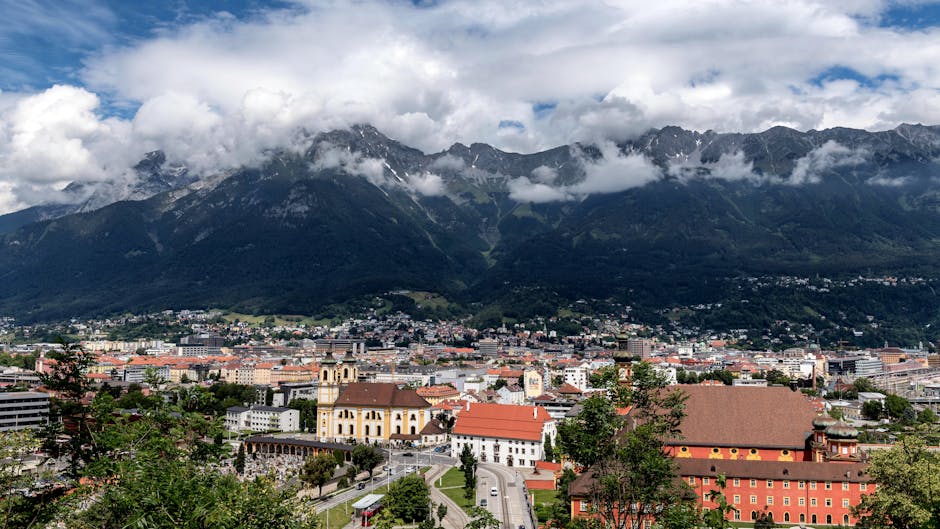
Altitude is the underappreciated trick of European summers. Every 100 metres up knocks roughly 0.65 degrees off the air temperature. Add cooler evenings, mountain air, and a forest within walking distance, and you have the alpine version of a coolcation. The Nordic capitals get all the attention, but if you do not want to go that far north, the alpine cities offer the same kind of liveable summer at a fraction of the flight time.
We have picked the four we keep going back to: Bern, Salzburg, Innsbruck, and Ljubljana. All sit between 295 and 574 metres in elevation, all have walkable old towns, and all stay meaningfully cooler than the lowland cities just a couple of hours' drive away. For the bigger picture, see our coolcation Europe 2026 pillar guide.
Why altitude makes such a difference
The standard atmospheric lapse rate is 0.65 degrees Celsius per 100 metres of elevation gain. Bern at 540 metres is, on average, about 3.5 degrees cooler than Milan, which sits roughly at sea level. That sounds small until you realise it is the difference between a 32-degree afternoon (uncomfortable) and a 28-degree afternoon (perfectly walkable in shorts).
It is also why alpine cities feel different in the evenings. As soon as the sun drops behind the ridges, cool mountain air sinks down into the valleys. You can leave a 27-degree afternoon and be in a long-sleeve shirt by 9pm. The Mediterranean simply does not do that.
Bern, Switzerland (540m)
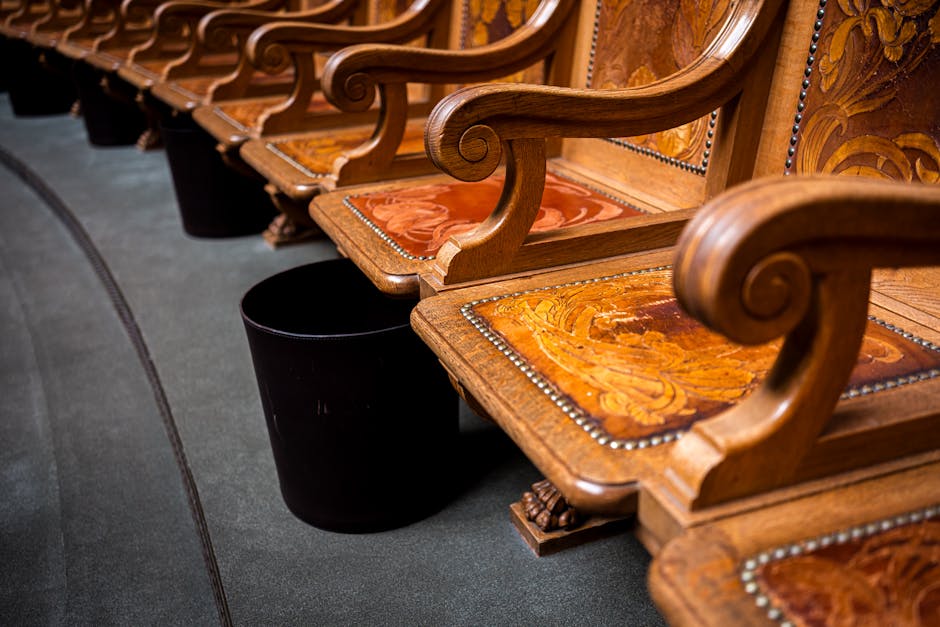
July avg high: 24 degrees. Walking days we would give it: 2 to 3.
Bern is Switzerland's most overlooked city, which is exactly why we love it. While Zurich and Geneva absorb the business travel, Bern, the actual capital, sits quietly in a bend of the Aare river with a UNESCO-listed old town you can walk end-to-end in 90 minutes. The arcaded streets, the sandstone facades, the medieval clock tower (Zytglogge), and the bear pit (the city's emblem since the 13th century) are all in one compact, cobbled bundle.
What we like most about Bern in summer is the river. The Aare loops around the old town in a horseshoe, and from mid-June onward, locals literally float downstream after work in inflatable rings and dry-bags. You leave at the upstream end of town, drift for 30 minutes through clean, cold meltwater, and climb out at a downstream platform. It is the most refreshing post-walking-tour ritual in Europe.
Salzburg, Austria (424m)
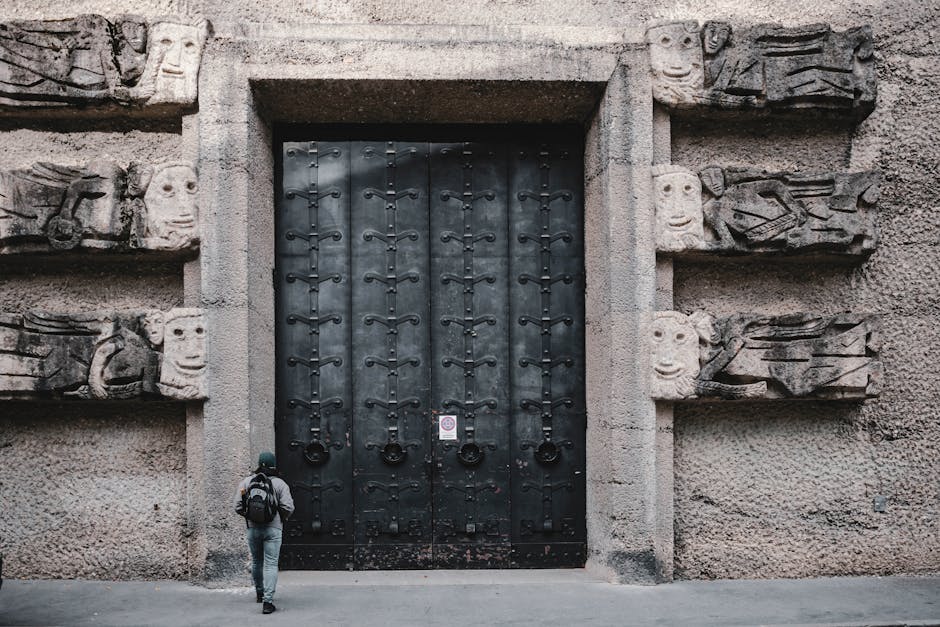
July avg high: 24 degrees. Walking days we would give it: 2 to 3.
Salzburg has a tourism problem in July (Mozart pilgrims, Sound of Music coaches, Festival crowds), but it also has an immediate escape valve: Monchsberg, the wooded cliff that rises right out of the old town. Take the lift up by the Museum of Modern Art, walk the ridge for two hours, and you are above the heat and above the crowds with a view straight down onto the baroque centre.
The other thing Salzburg does well in summer is courtyards. Step off the Getreidegasse, the famous main shopping street, and you find dozens of hidden Baroque courtyards (Durchhauser) that locals use as shortcuts and lunch spots. They stay shaded and cool even on the warmest afternoons. Our Hidden Passageways walk in the app maps the best of them.
Innsbruck, Austria (574m)
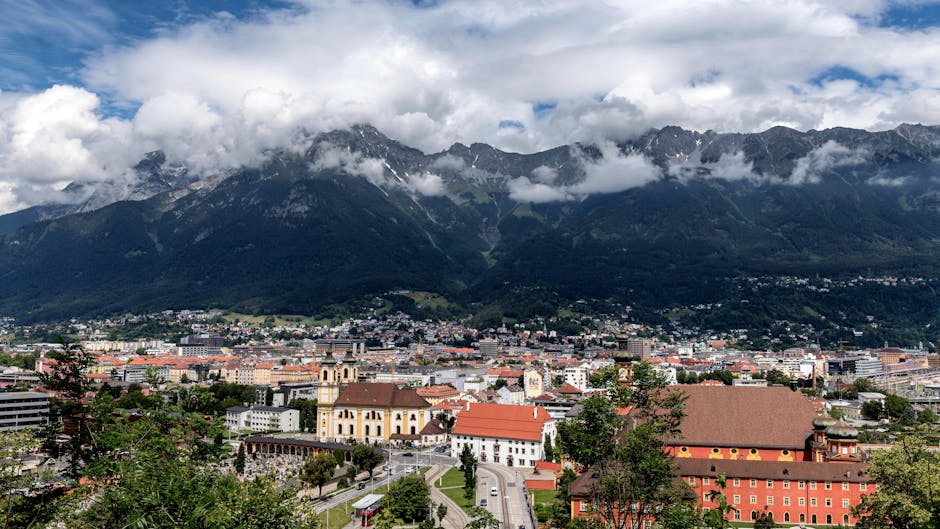
July avg high: 25 degrees. Walking days we would give it: 3 to 4.
Innsbruck is the most dramatic alpine city we know. The old town is compact, late-Gothic, and pretty in a slightly overdesigned way. But what makes Innsbruck special is the cable car (the Nordkettenbahn) that starts in the city centre and lifts you to 2,256 metres in 20 minutes. At the top, it is consistently 12 to 15 degrees cooler than in town. You can do a 3-hour ridge walk and be back for dinner.
This is the play we recommend: mornings in the old town (Maria-Theresien-Strasse, the Hofkirche, the Imperial Palace), afternoons on the Nordkette for high-alpine walking, evenings back in town. It is the best heat-management routine in the alps.
The other thing Innsbruck has, which the other alpine cities do not, is a serious climbing and trekking culture. Even if you do not climb, the bars and cafes have a sporty, post-summit energy you do not find in Bern or Salzburg.
Ljubljana, Slovenia (295m)
July avg high: 26 degrees. Walking days we would give it: 2.
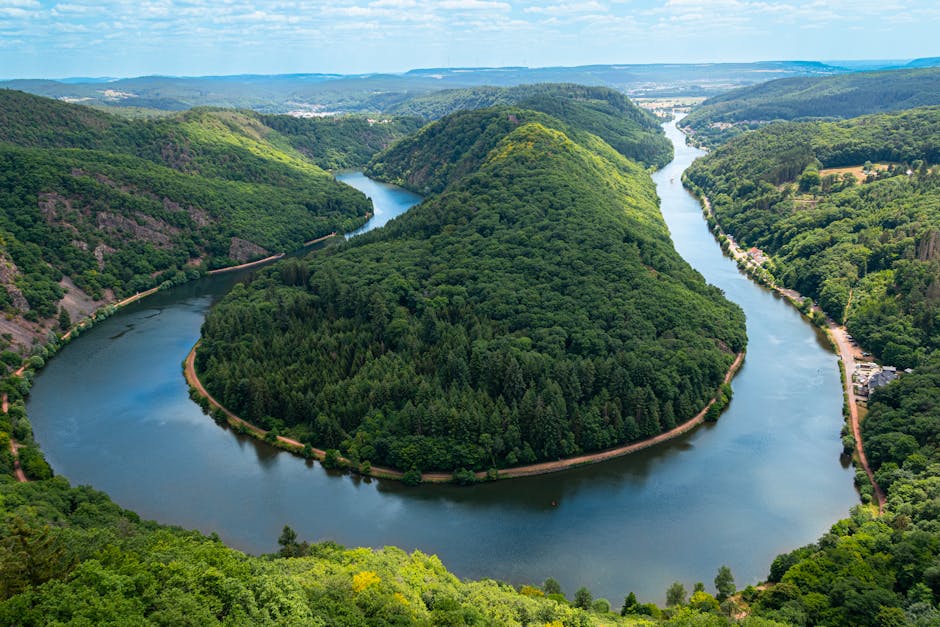
Ljubljana sneaks onto this list at the low-elevation end (295m), but earns its place for one specific reason: the riverside. The Ljubljanica river runs straight through the old town, lined with shade trees and pedestrianised banks (Joze Plecnik, the city's defining 20th-century architect, made sure of that). It stays comfortable for walking even when the surrounding plains are hitting 30.
The bigger argument for Ljubljana, though, is what it gives you access to. Lake Bled (40 minutes north), the Soca Valley (2 hours west), and the Julian Alps proper are all within easy day-trip range. We typically do 2 days in the city followed by 2 to 3 days bouncing into the mountains. The combined trip is one of the great hidden alpine itineraries.
Side by side
| City | Elevation | July avg high | Best for |
|---|---|---|---|
| Bern | 540m | 24 | River swimming, quiet capital |
| Salzburg | 424m | 24 | Baroque architecture, Festival |
| Innsbruck | 574m | 25 | Alpine cable cars from centre |
| Ljubljana | 295m | 26 | Riverside, gateway to Bled and Soca |
Practical tips for alpine summer city breaks
- Pack a layer. Mornings can dip to 10 degrees even in July, and any cable car takes you straight into 15-degree territory.
- Plan for afternoon thunderstorms. They roll in around 3 to 4pm in mountain summers. Use the morning for the long walks, the afternoon for cafes and museums.
- Combine two cities by train. Salzburg to Innsbruck is a stunning 2-hour rail journey through the Tyrol. Bern to Ljubljana via Zurich and Villach is a long but beautiful day on the rails.
- Use the cable cars. In Innsbruck especially, the lift up the Nordkette is the single best heat hack in the alps.
Walk them with Zigway
We have built self-guided audio walks for each of these four cities: old town routes, panoramic ridge walks, hidden-courtyard tours, and riverside loops. Pop in headphones, walk at your pace, and stop wherever the view earns a coffee.
If you want the southern-Europe alternative without the heat, alpine cities are the answer. See every city we cover or grab the app and start planning.