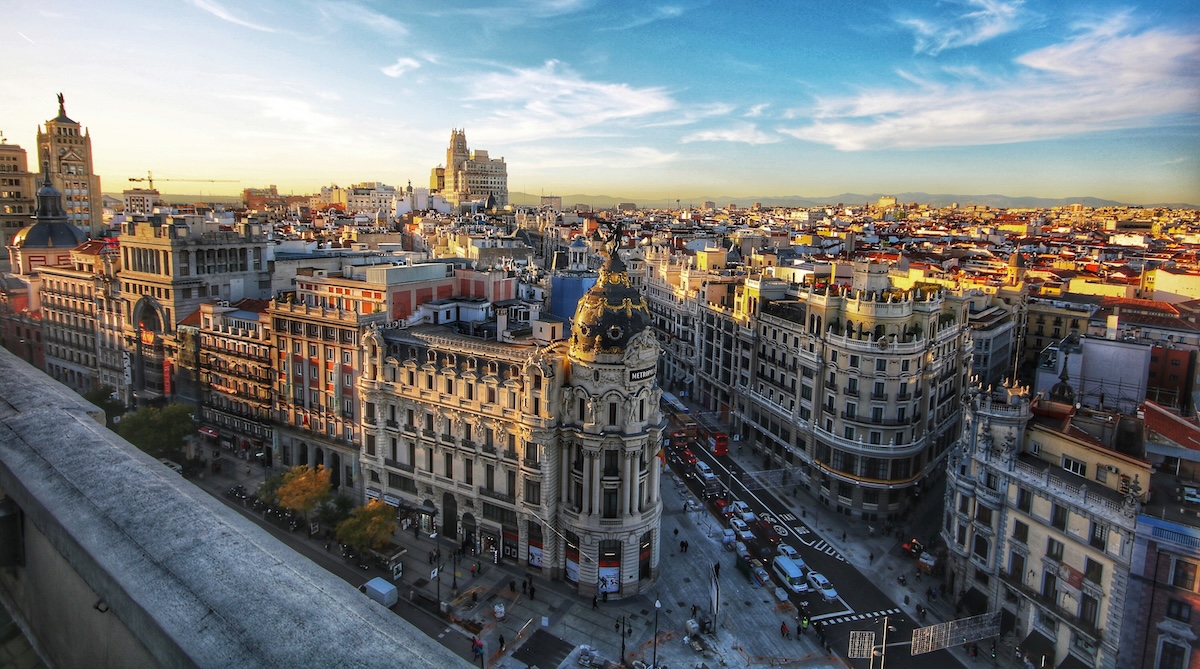
Self-Guided Walking Tours in Portugal: A 2026 Guide
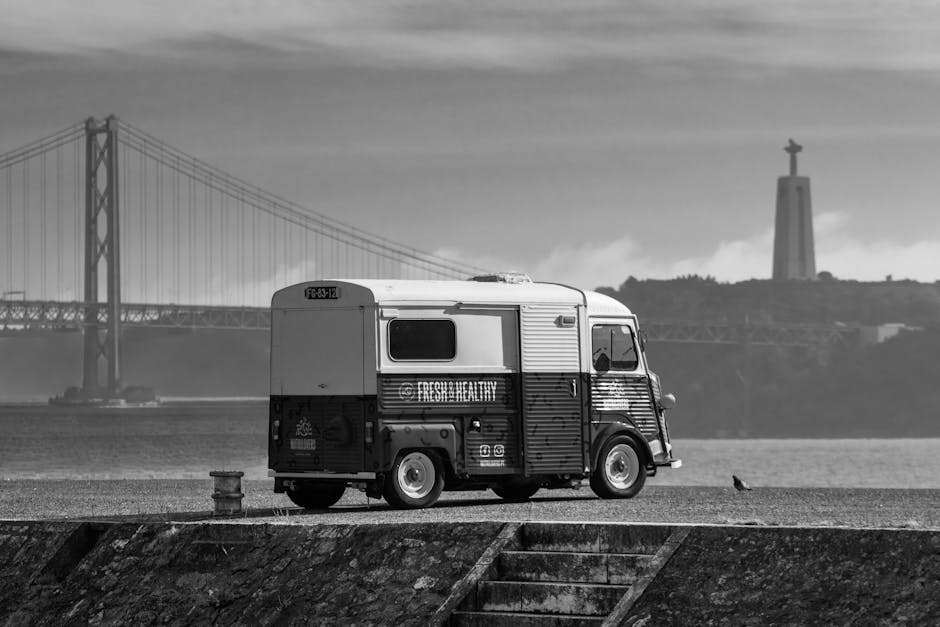
Portugal is a country built for walking. Not the gentle, flat kind of walking (well, sometimes), but the kind where you turn a corner and the entire Tagus estuary opens up beneath you, where a narrow alley suddenly delivers you to a courtyard filled with hand-painted tiles and the sound of a Portuguese guitar, where the smell of custard tarts baking in a wood-fired oven pulls you into a shop you were not planning to visit.
From Lisbon's seven hills to Porto's medieval riverside to the fairy-tale forests of Sintra, Portugal rewards the traveler who slows down and explores on foot. And the best part: you do not need a guide or a group to experience any of it. With a self-guided audio tour on your phone (we like Zigway, naturally), you get the stories behind what you are seeing, the freedom to linger wherever you want, and no one rushing you past the viewpoint because the bus is waiting.
Here is our guide to the best cities in Portugal for self-guided walking tours in 2026, plus the practical tips you need to make the most of every cobblestone.
Lisbon: Seven Hills, A Thousand Stories
Lisbon is the kind of city where getting lost is part of the plan. Its seven hills create a topography of constant surprises: steep staircases leading to hidden viewpoints, pastel-colored streets that tilt at improbable angles, and neighborhoods that feel like entirely different cities stacked on top of each other.
The city is also one of the most rewarding places in Europe for self-guided walking tours. The density of history, art, and food packed into each bairro means you can spend an entire morning in a single neighborhood and still feel like you have only scratched the surface.
Graca: The Viewpoints Walk
Start at the top. Graca sits on Lisbon's highest hill, and the miradouros here offer the most dramatic panoramas in the city. From the Miradouro da Senhora do Monte, you can see the Tagus estuary, the red arc of the 25 de Abril Bridge, the castle on its opposite hill, and the whole mosaic of Lisbon's rooftops laid out like a painting. The walk winds through the neighborhood's quiet residential streets, past the Jardim da Cerca da Graca (a hidden garden that most tourists never find), and alongside the tracks of the iconic Tram 28 as it clatters through the Largo da Graca. This is the walk for sunset chasers and photographers.
Alfama: Echoes of Fado
Below the castle, Alfama is Lisbon's oldest district and the birthplace of Fado, that haunting Portuguese music that the UNESCO list rightly celebrates. The self-guided route through Alfama starts at the Fado Museum and threads through a maze of alleys so narrow you can touch both walls with outstretched arms. You will pass Beco do Carneiro, where the acoustics of the stone corridors first amplified the voices of Fado singers, and climb to the Santo Estevao Belvedere for a quieter, more contemplative view of the river than the crowded spots nearby. Come in the late afternoon, when the light turns golden and the first notes of a Portuguese guitar drift from an open window somewhere above.
Chiado: Pessoa's Literary Quarter
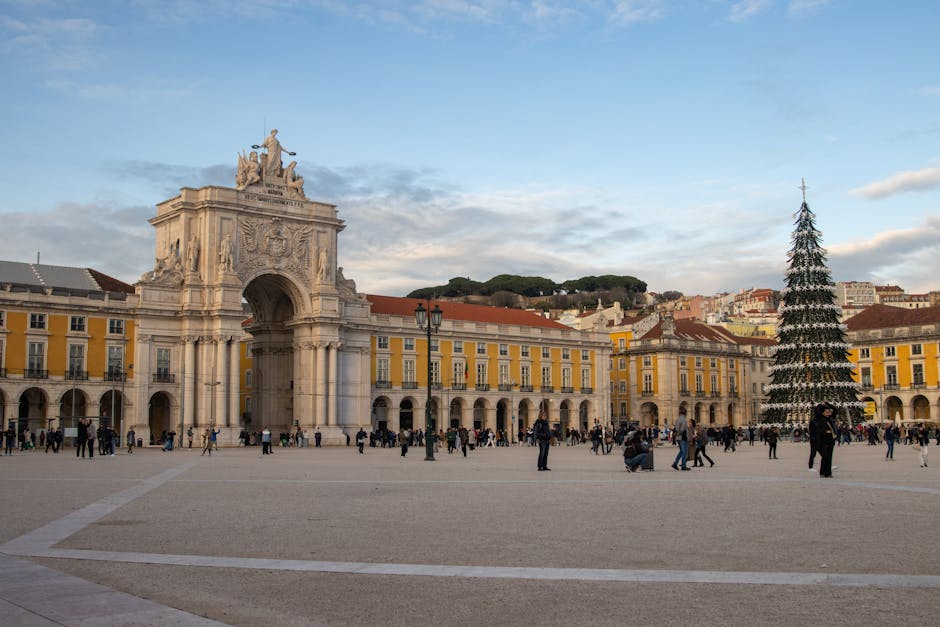
Chiado is where Lisbon's intellectual soul lives. This elegant neighborhood is home to the world's oldest operating bookstore (Livraria Bertrand, since 1732), the Gothic ruins of the Carmo Convent (open to the sky since the 1755 earthquake), and A Brasileira, the cafe where poet Fernando Pessoa spent his afternoons watching the city and writing under multiple literary alter egos. The self-guided literary walk connects these landmarks with the Teatro Nacional de Sao Carlos and the Largo do Carmo, where the Carnation Revolution of 1974 brought democracy to Portugal. It is an easy, mostly flat walk that pairs perfectly with a morning bica (Lisbon's word for espresso) and a slow browse through Bertrand's shelves.
Explore all self-guided walking tours in Lisbon
Porto: River, Wine, and Medieval Bones
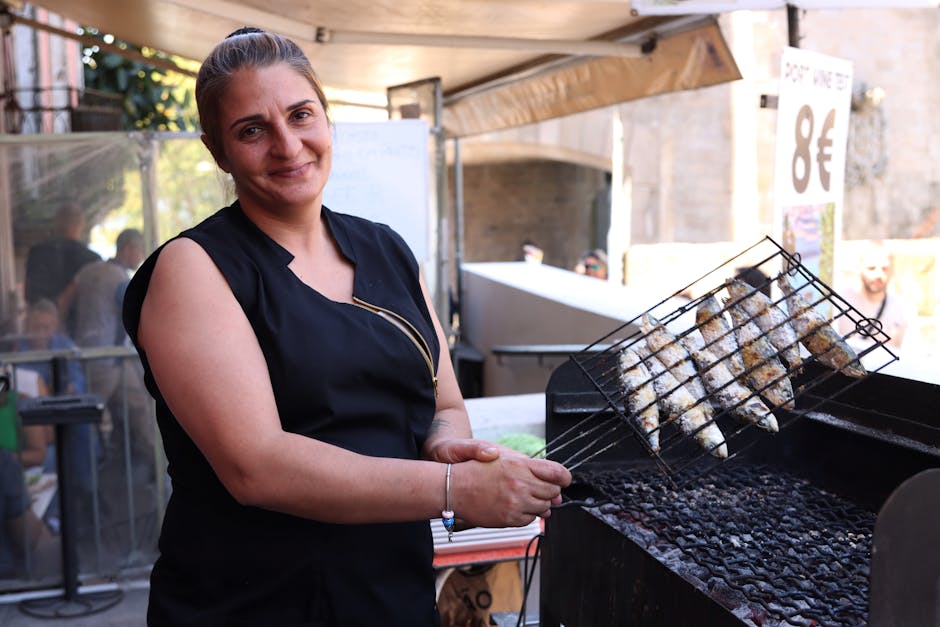
Porto is grittier than Lisbon, more compact, and arguably even more walkable. The city clings to the granite cliffs above the Douro River, and every street seems to slope toward the water. The architecture here is heavier, older, more dramatic: Baroque churches dripping with gold leaf, medieval towers, blue-and-white tile facades (azulejos) covering entire buildings. And then there is the food. Porto is where the francesinha was born (a sandwich so excessive it borders on performance art) and where port wine has been aged in riverside cellars for centuries.
Ribeira: The Medieval Labyrinth
Porto's UNESCO-listed riverside district is one of the most atmospheric neighborhoods in Europe. The self-guided walk through Ribeira takes you through a tangle of medieval alleys, past granite stairways worn smooth by centuries of footsteps, and into hidden squares where laundry hangs between buildings that predate the Age of Discovery. You will visit the Casa do Infante, birthplace of Prince Henry the Navigator, trace remnants of the Fernandine Walls, and emerge at the magnificent Palacio da Bolsa (Stock Exchange Palace) with its jaw-dropping Arab Room. The route finishes at the Ribeira waterfront, where you can sit with a glass of port and watch the rabelo boats on the Douro.
Bolhao: The Market District
If you want to understand Porto, start where the locals shop. The Mercado do Bolhao reopened after a massive renovation and is once again the city's culinary anchor. The self-guided food walk through this district connects the market's fresh fish stalls and cured ham vendors with the surrounding streets, where century-old grocery shops with Art Nouveau facades (like the jewel-box A Perola do Bolhao) sit alongside modern pastry workshops turning out pastel de nata by the tray. This is a morning walk: arrive hungry and plan to eat your way through.
The Baroque High City
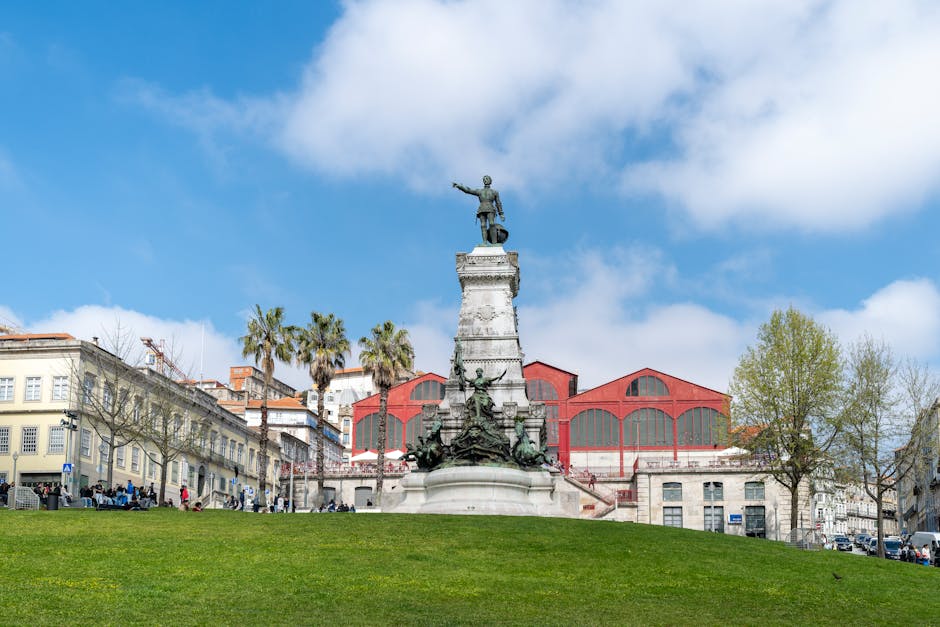
Above the river, Porto's upper neighborhoods are where the city's Baroque heart beats loudest. The walking route here connects the Clerigos Tower (climb the 240 steps for the best bird's-eye view of the city), the famous blue-tiled facade of the Igreja do Carmo, and the opulent interiors of churches so encrusted with gold leaf that they feel like stepping inside a treasure chest. The highlight for many is the Sao Bento train station, where over 20,000 hand-painted azulejo tiles depict scenes from Portuguese history. Even if you are not catching a train, this is one of the most beautiful rooms in all of Europe.
Explore all self-guided walking tours in Porto
Sintra: Fairy Tales in the Forest
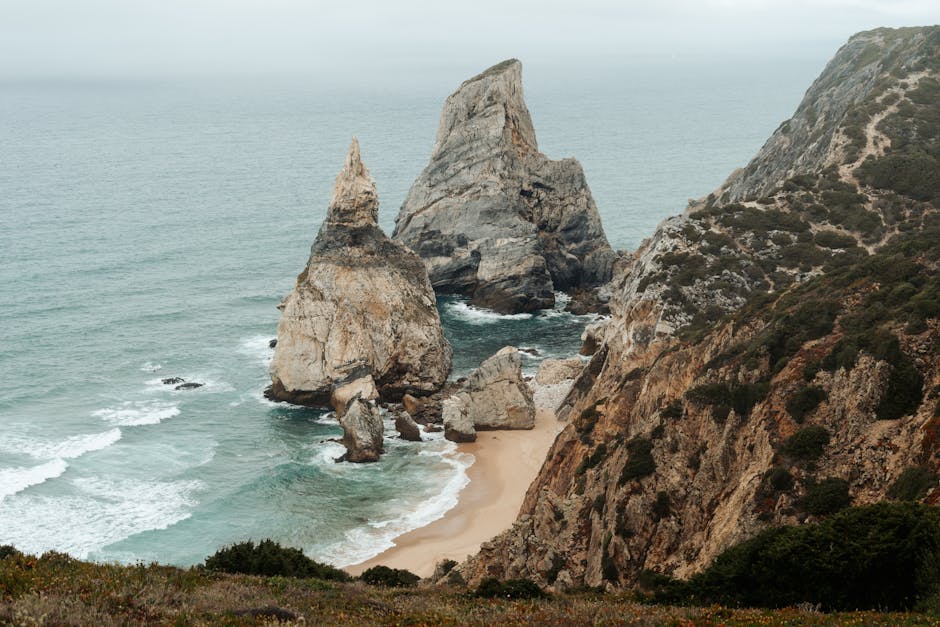
Just 40 minutes by train from Lisbon, Sintra feels like it belongs in a different century. This UNESCO-listed hilltop town is wrapped in mist and forest, scattered with pastel-colored palaces, and steeped in the kind of romantic mystery that once drew Lord Byron to call it a "glorious Eden." While many visitors come on rushed day trips, Sintra truly rewards those who walk its winding lanes and shaded trails at their own pace.
Quinta da Regaleira: Secrets of the Initiatic Well
The most extraordinary site in Sintra is the Quinta da Regaleira, an estate designed as a physical journey through alchemy, Templar symbolism, and Masonic ritual. The self-guided walk leads you through lush gardens and hidden grottoes before arriving at the Initiatic Well, a 27-meter spiral staircase that plunges into the earth like an inverted tower. Descending through its nine levels (a nod to Dante's Inferno) is one of the most memorable experiences in all of Portugal. Above ground, the Neo-Manueline palace and the ornate chapel are carved with esoteric symbols that reward a slow, careful look.
Beyond the Palace Walls
Sintra's walking possibilities extend well beyond the main palaces. The town itself is a cluster of pastel buildings, artisan workshops selling hand-painted azulejo tiles, and pastry shops famous for travesseiros (almond-filled pastries) and queijadas (tiny cheese tarts that have been baked here since the 13th century). The trails leading through the surrounding Serra de Sintra connect Moorish castle ruins with hidden hermitages, exotic botanical gardens, and viewpoints that stretch all the way to the Atlantic coast. A full day here, split between palace grounds and forest paths, is one of the best things you can do near Lisbon.
Explore all self-guided walking tours in Sintra
Tips for Walking in Portugal
Respect the cobblestones. Portugal's iconic calcada portuguesa (hand-laid mosaic pavements) are beautiful but slippery, especially after rain. Wear shoes with good grip. Heels and smooth-soled sneakers are a recipe for disaster on Lisbon's hills.
Start early in summer. July and August temperatures in Lisbon regularly hit 35 degrees Celsius. The best walking hours are before 11 AM and after 5 PM. Porto and Sintra are cooler but still warm in peak season. Spring (April to June) and autumn (September to October) are the ideal months for walking.
Take the hills seriously. Lisbon and Porto are genuinely hilly cities. The climbs can be steep and sustained, especially in Graca, Alfama, and Ribeira. Pace yourself, carry water, and remember that every painful uphill ends with a viewpoint that makes it worth it.
Eat like a local. A bifana (pork sandwich) from a standing-room cafe in Lisbon costs under three euros and is one of the best lunches in Europe. In Porto, try the francesinha at Cafe Santiago. In Sintra, do not leave without a queijada from Fabrica das Verdadeiras Queijadas da Sapa. Fuel your walks properly.
Download your tours offline. Wi-Fi coverage in Portugal's city centers is generally good, but signal can drop in Sintra's forests, Alfama's narrow alleys, or Porto's riverside tunnels. Download your Zigway audio tours before heading out so you do not lose your guide mid-story.
Use public transit between neighborhoods. Lisbon's Metro is fast and cheap. Tram 28 is iconic but often packed (ride it early morning or treat it as a photo subject rather than transport). In Porto, the Metro will get you from the airport to the city center in 30 minutes. The train from Lisbon's Rossio station to Sintra runs every 20 minutes and costs a few euros.
Walk Portugal at Your Own Pace
Portugal does not rush, and neither should you. Whether you are tracing the echoes of Fado through Alfama's stone corridors, navigating Porto's medieval riverside alleys, or descending into the mystical depths of Sintra's Initiatic Well, the best moments happen when you have the freedom to stop, look, and listen.
Browse all of our free self-guided audio tours across Portugal and beyond, and start planning your trip.