Sagrada Familia 2026: Walking Barcelona's Best Neighborhoods

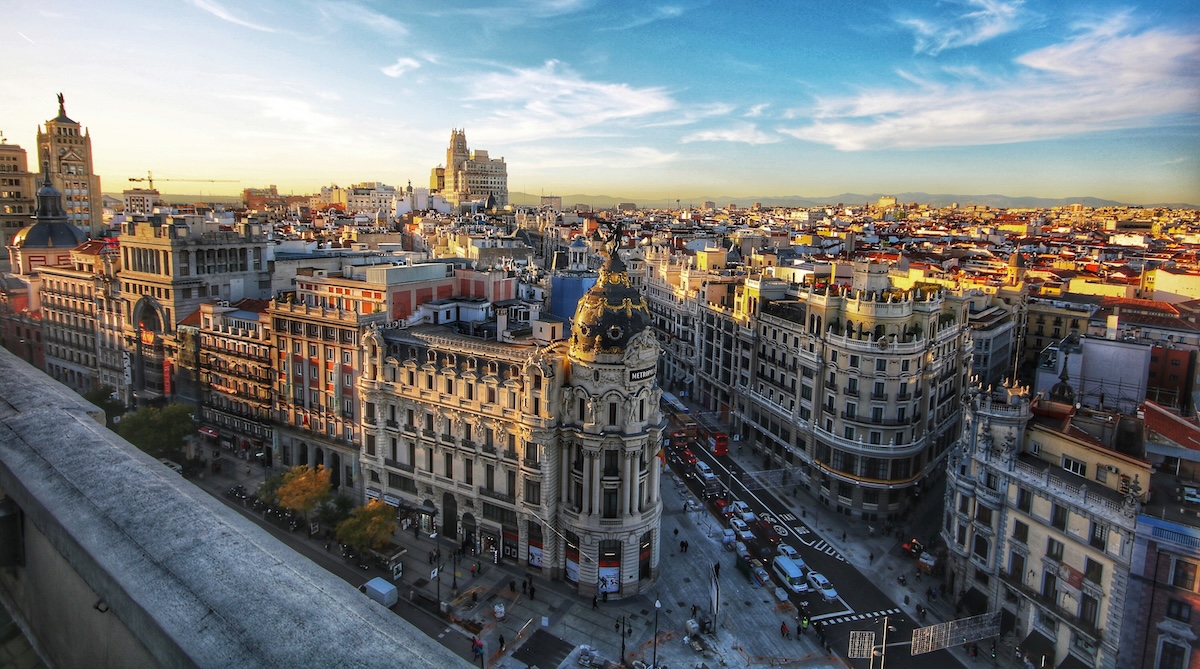
For 144 years, the cranes above the Sagrada Familia were as much a part of Barcelona's skyline as the basilica's soaring towers. In 2026, the centenary of Antoni Gaudi's death, that skyline is finally changing. The scaffolding is coming down, the Glory Facade is taking its finished form, and the world's most famous unfinished building is becoming, simply, a finished one.
But here's the thing most visitors don't realize: the neighborhoods surrounding the Sagrada Familia are every bit as extraordinary as the basilica itself. You could spend a full day walking the streets within a 20-minute radius and never run out of things to discover. If you're heading to Barcelona to see the completed masterpiece (and you should), we'd encourage you to lace up your walking shoes and explore the surrounding barris too. Zigway offers free self-guided audio tours across many of these neighborhoods, so you can wander at your own pace with stories and context in your ears.
Here's where to walk.
Avinguda de Gaudi: The Boulevard That Connects Two Masterpieces
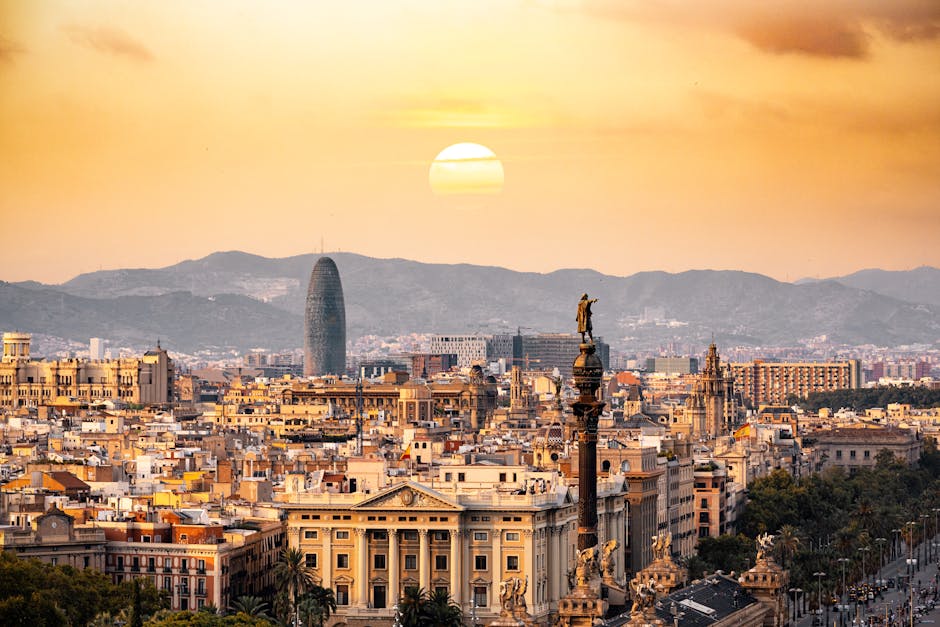
Step out of the Sagrada Familia and face northwest. That palm-lined, pedestrianized boulevard stretching ahead of you is Avinguda de Gaudi, and it leads directly to another UNESCO World Heritage site: the Recinte Modernista de Sant Pau. The walk takes about ten minutes, and it's one of the most pleasant in all of Barcelona.
Outdoor cafe terraces spill onto the wide pavement, local families push strollers under the shade of plane trees, and the view of the Sagrada Familia's towers growing smaller behind you is oddly moving. It's a rare stretch of Barcelona where you can walk in a straight line without dodging traffic. Grab a cafe amb llet at one of the terrace bars, sit facing the basilica, and take a moment to appreciate the fact that you're looking at a completed Sagrada Familia. That's still a strange and wonderful sentence to write.
Hospital de Sant Pau: The World's Largest Art Nouveau Site
At the end of Avinguda de Gaudi, you'll find the Recinte Modernista de Sant Pau, and it will likely stop you in your tracks. Designed by Lluis Domenech i Montaner (Gaudi's great rival and, frankly, his equal), this complex of 27 interconnected pavilions was built as a hospital between 1901 and 1930. The idea was radical: beauty and gardens could help heal the sick.
Each pavilion is covered in elaborate mosaics, stained glass, and ceramic tiles in shades of coral, gold, and teal. Underground tunnels connect the buildings, and the gardens between them are filled with orange trees and birdsong. It's quieter, more spacious, and far less crowded than the Sagrada Familia. Many visitors call it the highlight of their Barcelona trip, and we'd tend to agree.
The complex operated as a working hospital until 2009. Today, it's a cultural center and museum. Entry requires a ticket (around 17 euros), and an early morning visit gives you the best light and the fewest crowds.
Explore self-guided walking tours in Barcelona
Eixample and the Golden Square: Barcelona's Open-Air Museum
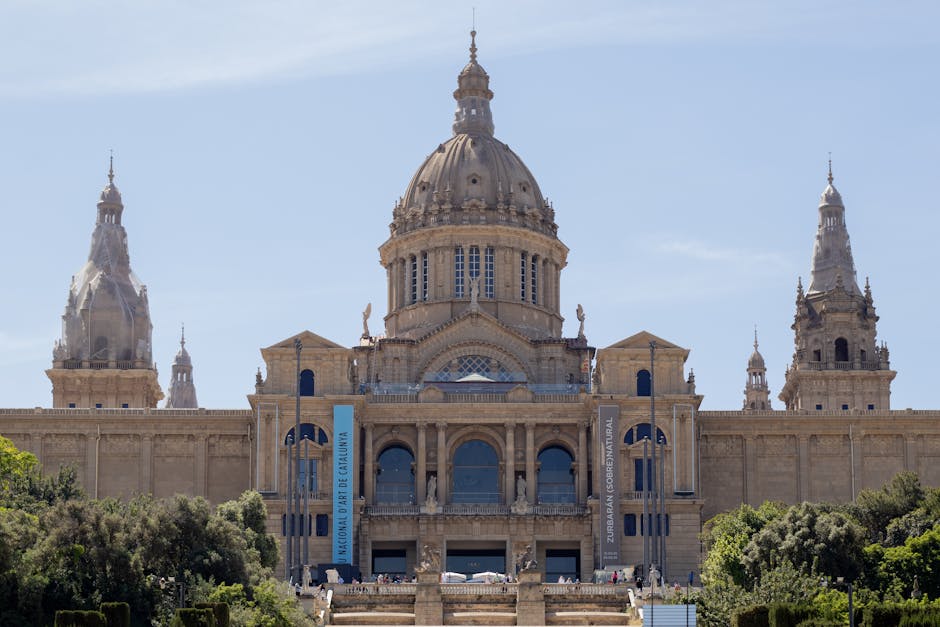
The Sagrada Familia sits in the Eixample (pronounced "ay-SHAM-pluh"), a vast grid of chamfered blocks designed by urban planner Ildefons Cerda in the 1860s. Walk southwest from the basilica for 15 minutes and you'll reach the Quadrat d'Or, or Golden Square, the most architecturally dense part of the neighborhood.
This is where Barcelona's 19th-century industrial elite hired competing architects to build the most spectacular homes money could buy. The result is a kind of gentle madness: stone facades that ripple like water, balconies shaped like skulls, rooftops crowned with dragon scales. Along Passeig de Gracia, the famous Manzana de la Discordia (Block of Discord) puts three rival masterpieces side by side: Casa Lleo Morera, Casa Amatller, and Gaudi's legendary Casa Batllo.
A block further up, La Pedrera (Casa Mila) looks like a cliff face that someone carved apartments into. Its rooftop terrace, with its surreal chimney warriors, offers one of the best views in the city. You can admire all of these facades for free from the pavement, though the interiors of Casa Batllo and La Pedrera are worth the entry fee.
The beauty of walking the Eixample is in the details. Look up at every intersection: the chamfered corners create small plazas with unique lighting, and nearly every block has at least one building with intricate ironwork, floral tiles, or a hidden courtyard.
Gracia: The Bohemian Village That Refused to Be Absorbed
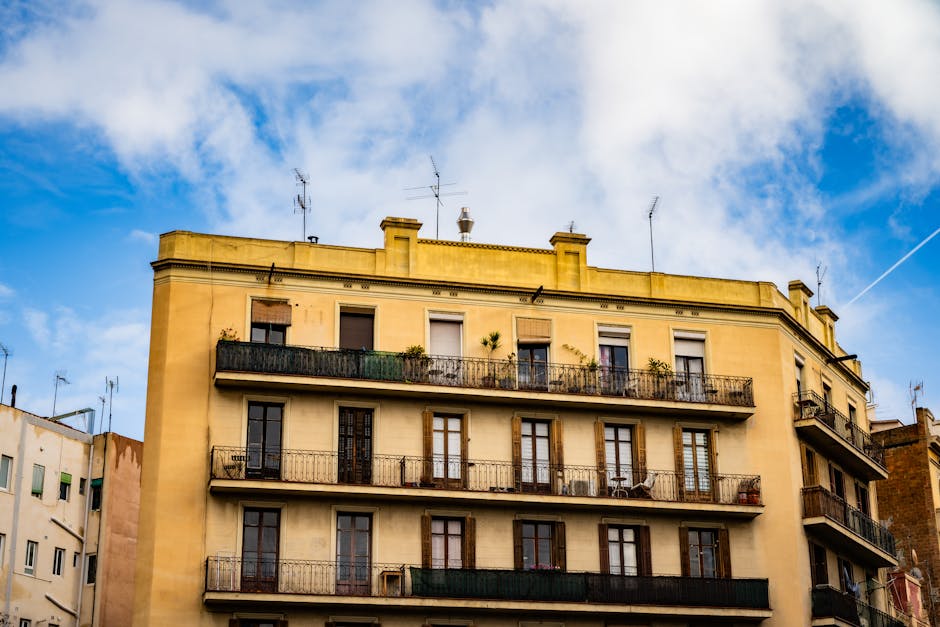
Walk north from the Sagrada Familia for about 15 minutes and the wide, orderly streets of the Eixample give way to something completely different. Gracia was an independent village until Barcelona swallowed it in 1897, and the locals have never quite forgiven the city. The streets narrow, the buildings shrink, and suddenly you're in a labyrinth of tiny plazas where old men play dominoes and cafe terraces take up more space than the sidewalks.
Placa de la Vila de Gracia anchors the neighborhood with its 33-meter octagonal clock tower, a symbol of local independence. From there, wander to Placa del Diamant, immortalized in Merce Rodoreda's novel of the same name, one of the great works of 20th-century Catalan literature. Beneath the square, Civil War air-raid shelters are occasionally open for visits.
Don't miss Casa Vicens on Carrer de les Carolines. This is Gaudi's very first major commission, completed in 1888 when he was just 31. It's a riot of green and white ceramic tiles, Moorish arches, and wrought-iron palm fronds. Compared to the Sagrada Familia, it feels intimate, personal, almost playful.
Gracia is also Barcelona's best neighborhood for an unhurried lunch. Try the vermouth bars around Placa del Sol, browse the 19th-century iron stalls of Mercat de la Llibertat, or just sit in a square and watch the neighborhood go about its day. If you're visiting in mid-August, the Festa Major de Gracia transforms the streets into a competition of wild, handmade decorations. It's one of the most joyful festivals in all of Spain.
El Born: Medieval Lanes, Market Halls, and the Cathedral of the Sea
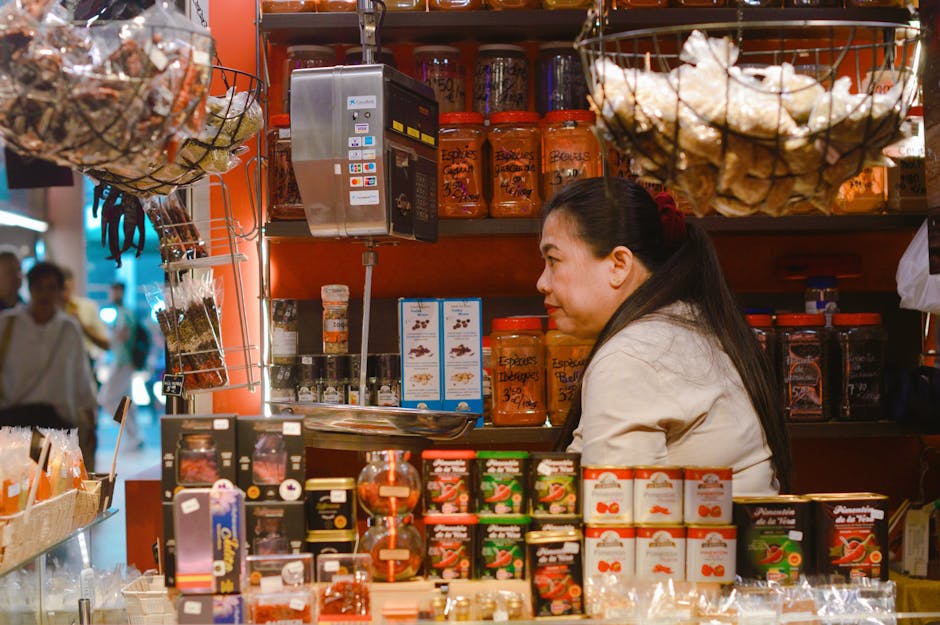
A 25-minute walk south from the Sagrada Familia (or a quick Metro hop to Jaume I), El Born is the old Ribera district, once the center of Barcelona's maritime trade. The streets here are genuinely medieval: narrow, winding, paved in stone, and utterly irresistible for walking.
Start at Mercat de Santa Caterina, whose undulating ceramic roof (designed by the late Enric Miralles) is almost as photogenic as Gaudi's work. Then head down Carrer de Montcada, a street of 13th-century palaces that now house the Picasso Museum and several contemporary galleries. At the end of the lane, the Basilica de Santa Maria del Mar rises above the rooftops, a masterpiece of Catalan Gothic built by the neighborhood's own dock workers and tradespeople in the 14th century.
The Passeig del Born, once a jousting ground, is now the social heart of the neighborhood, lined with cocktail bars and restaurants that fill up at 10 PM (this is Spain, after all). Beneath the old Born market hall, the El Born Centre de Cultura i Memoria preserves excavated ruins from 1714, a powerful reminder of the siege that reshaped the city.
El Born is ideal for an evening walk. The golden light that falls into these narrow lanes around sunset is something else entirely.
Poblenou: From Factory Floors to Tech Floors
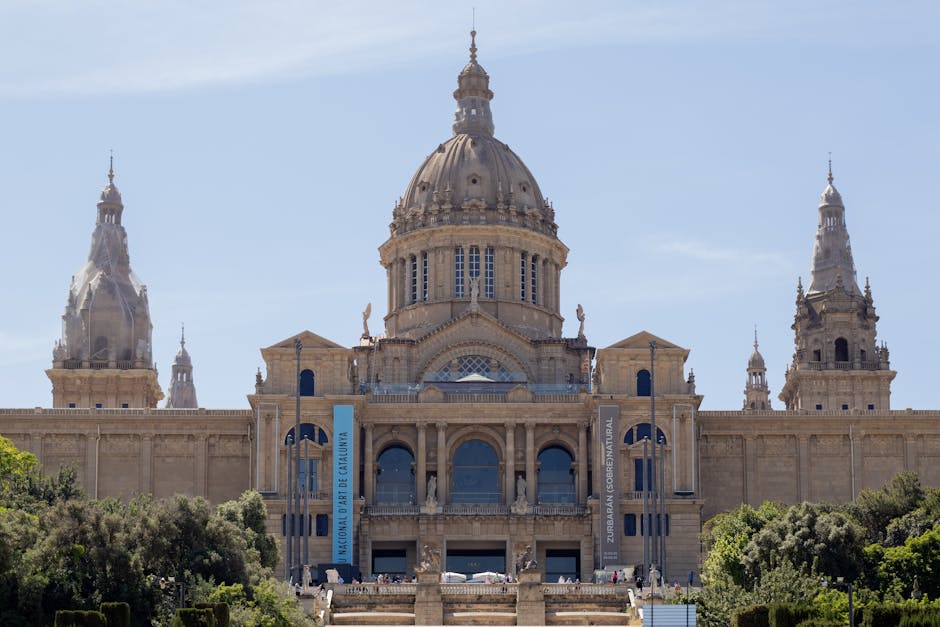
East of the Sagrada Familia, past the train tracks and toward the sea, Poblenou is Barcelona's most rapidly evolving neighborhood. This was once the "Manchester of Catalonia," a district of cotton mills, foundries, and worker housing. Today, the brick factory chimneys still punctuate the skyline, but the warehouses have become coworking spaces, craft breweries, and contemporary art galleries.
Rambla del Poblenou is the neighborhood's spine: a tree-lined pedestrian boulevard with cafe terraces and a pace that feels distinctly un-touristy. Walk its length from Avinguda Diagonal down to the beach and you'll pass through the heart of the @22 innovation district, where tech startups occupy buildings that once housed textile looms.
The street art scene here is among Barcelona's best. Wander the side streets around Carrer de Pallars and Carrer dels Almogavers and you'll find murals covering entire building facades. The Palo Alto market (held on select weekends) brings together local food vendors, vintage sellers, and live music inside a converted factory compound.
Poblenou also gives you something the other neighborhoods on this list can't: the beach. After a morning at the Sagrada Familia and a walk through old factories, you can end up with your feet in the sand at Bogatell Beach. Not a bad day.
Tips for Walking Barcelona's Sagrada Familia Neighborhoods
Start early at the basilica. The Sagrada Familia opens at 9 AM, and the morning light streaming through the stained glass windows on the Nativity side is transcendent. Book tickets well in advance, especially in 2026, as demand for the completed building will be extraordinary.
Wear proper shoes. The Eixample's wide pavements are forgiving, but Gracia and El Born have uneven cobblestones and narrow streets. Comfortable, broken-in walking shoes will make a real difference.
Pace yourself with food. Barcelona eats late. A mid-morning bikini (grilled ham and cheese sandwich) at a bar near Sant Pau, a long lunch in Gracia around 2 PM, pintxos in Poble Sec or El Born by early evening, and a late dinner wherever you end up. Let the meal schedule shape your walking route.
Use Zigway for context. Walking past a beautiful building is one thing. Knowing that it was designed as an act of political defiance, or that its rooftop chimney is shaped like a Roman centurion, is another. Zigway's free audio tours cover many of the neighborhoods mentioned here and add stories you won't find on plaques.
Don't skip the rooftops. La Pedrera's terrace, the Bunkers del Carmel (a 30-minute hike from Gracia), and the rooftop of the Cathedral in the Gothic Quarter all offer panoramic views. Now that the Sagrada Familia's towers are complete, the skyline looks different from every angle.
Hydrate and shade. Barcelona's grid design means long stretches of sun exposure. Carry water, use the shaded sides of streets, and duck into the chamfered corner plazas for a rest.
A City Made for Walking
The completion of the Sagrada Familia is a milestone that will draw millions to Barcelona in 2026 and beyond. But the best way to honor Gaudi's legacy isn't just to stand in his basilica and look up. It's to walk the streets he walked, past the buildings his contemporaries and rivals created, through the neighborhoods that shaped Catalan identity.
From the Art Nouveau splendor of Sant Pau to the bohemian plazas of Gracia, from the medieval lanes of El Born to the reinvented factories of Poblenou, the blocks surrounding the Sagrada Familia tell a story that no single building, however extraordinary, can contain on its own.
Put on your shoes. Pick a direction. Start walking.
Discover free self-guided walking tours in Barcelona with Zigway