
Free Walking Tours in New Orleans: Best Routes

New Orleans is the kind of city that grabs you by the ears first. Before you see anything, you hear it: a brass band warming up on a Treme sidewalk, the clatter of a streetcar rounding the bend on St. Charles Avenue, the sizzle of beignet batter hitting hot oil at Cafe Du Monde. Then the smell hits. Roasting coffee, blooming jasmine, the heavy sweetness of pralines cooling on a marble slab.
This is a city that was never designed for efficiency. It was designed for living. And the best way to experience it is on foot, at your own pace, with no schedule and no group to keep up with.
The good news: New Orleans is one of the most walkable cities in America, and you do not need to pay for a guided tour to explore it properly. With a free self-guided audio tour on your phone (we like Zigway), you get narrated routes through every major neighborhood, the stories behind what you are seeing, and the freedom to stop for a po'boy or a sazerac whenever the spirit moves you.
Here are the best free walking tour routes in New Orleans, from the iron-lace balconies of the French Quarter to the jazz-soaked streets of Treme.
The French Quarter: Hidden Courtyards and Creole Architecture
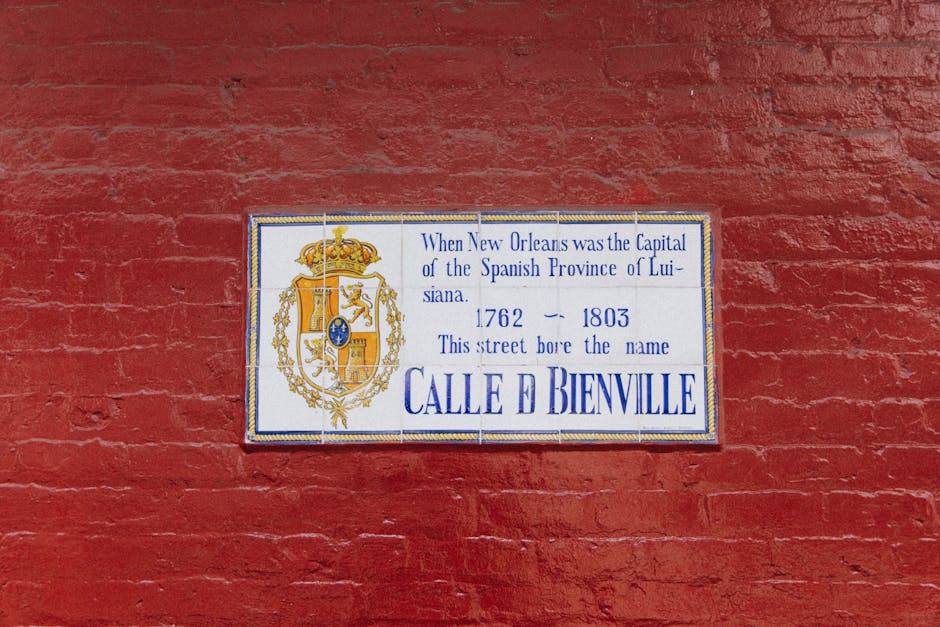
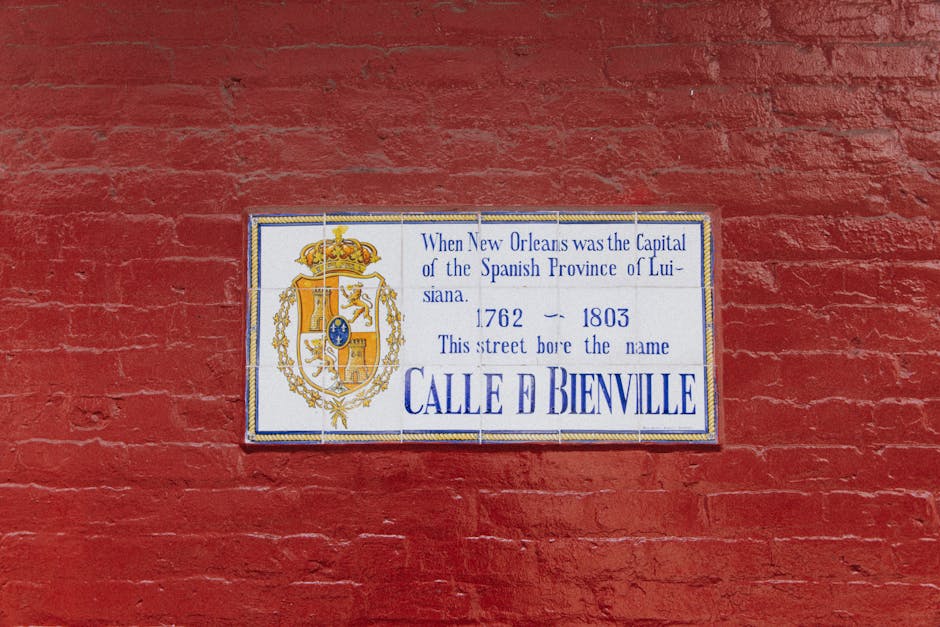
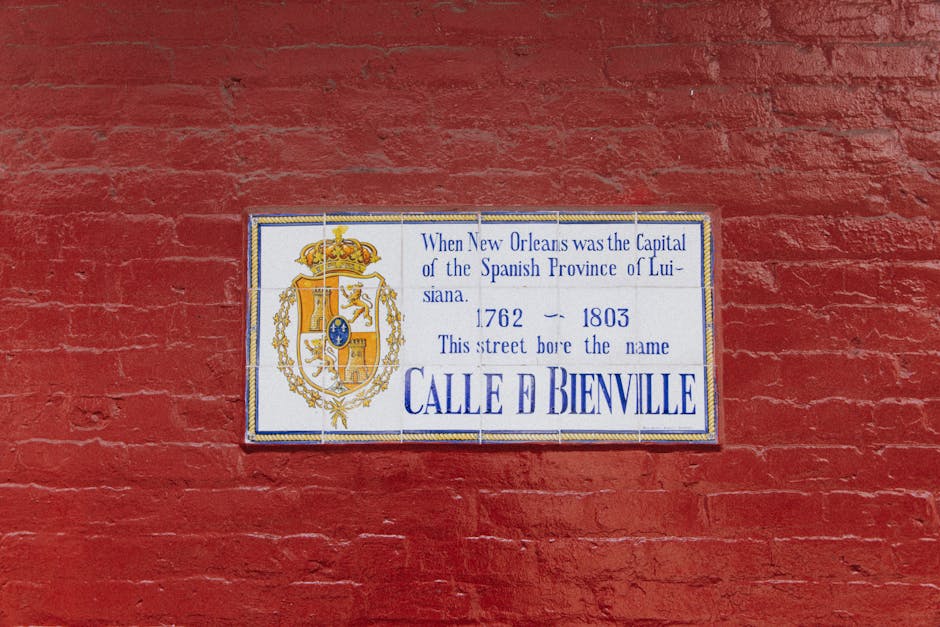
Here is something most visitors do not realize: the French Quarter is not actually French. Two devastating fires in the 18th century destroyed nearly every French colonial building, and the Spanish rebuilt the neighborhood in their own style. The result is what we see today: thick-walled brick townhouses with interior courtyards, ironwork balconies, and a layout that owes more to Havana and Cartagena than to Paris.
The self-guided architecture walk takes you off Bourbon Street (where you should spend very little time, frankly) and onto Royal Street, where the ironwork alone could fill a museum. You will pass Madame John's Legacy, one of the only surviving raised Creole cottages in the city. You will duck into Pirates Alley, the narrow passage between the Cathedral and the Cabildo where William Faulkner wrote his first novel. You will find Faulkner House Books, still operating in his former apartment. And you will see the Old Ursuline Convent, the oldest building in the entire Mississippi Valley, standing since 1752.
The real magic of this walk is the courtyards. Behind nearly every unmarked wooden door in the Quarter, there is a hidden garden: tropical ferns, dripping fountains, banana trees, cast-iron furniture. Most are private, but the route takes you past the ones you can glimpse or enter, and an audio guide explains the Creole design philosophy that made these intimate outdoor rooms the center of domestic life.
The Garden District: Mansions, Oaks, and the Cities of the Dead
Take the St. Charles streetcar uptown (or just walk, it is a beautiful route) and you arrive in the Garden District, where wealthy American newcomers built their mansions in the 1800s to rival the Creole aristocracy of the French Quarter. The result is one of the most extraordinary collections of 19th-century residential architecture in the country: Greek Revival columns, Gothic turrets, Victorian gingerbread trim, and live oaks so massive their branches form tunnels over the sidewalks.
The self-guided walk connects the landmarks that make this neighborhood legendary. You will pass the Buckner Mansion (featured in American Horror Story: Coven), the former home of Anne Rice (whose vampire novels were set in these exact streets), and Colonel Short's Villa with its famous cast-iron cornstalk fence. Commander's Palace, the turquoise grande dame of Creole restaurants, anchors one end of the route. Lafayette Cemetery No. 1, one of New Orleans' iconic above-ground "Cities of the Dead," anchors the other.
The cemetery alone is worth the trip. The above-ground tombs (necessary because New Orleans sits below sea level) are stacked in rows of weathered brick and marble, draped in moss and wildflowers. With an audio tour, you learn who is buried here, why the tombs are built the way they are, and why these cemeteries became such a central part of New Orleans culture.
Treme: The Birthplace of Jazz
Treme (pronounced treh-MAY) is the oldest African-American neighborhood in the United States, and it is where jazz was born. This is not a metaphor. The music that changed the world, that gave us Louis Armstrong and Jelly Roll Morton and every note of the American songbook, originated in the cultural collisions that happened on these specific streets.
The self-guided walk starts at Congo Square, inside Louis Armstrong Park. In the 18th and 19th centuries, this was the only place in the South where enslaved people were permitted to gather, drum, dance, and keep their African musical traditions alive. The rhythms born here, layered with European brass band instrumentation and Caribbean syncopation, became jazz.
From Congo Square, the route leads to St. Augustine Catholic Church, the oldest Black Catholic parish in the country, where free people of color purchased pews for enslaved community members. You will visit the Backstreet Cultural Museum, a small but remarkable collection documenting Mardi Gras Indian traditions, second line parades, and Social Aid and Pleasure Clubs. And you will walk past the Tomb of the Unknown Slave at St. Augustine, a memorial to the unnamed people whose labor built the city.
This walk is essential. It tells the story that every other New Orleans walk depends on but rarely goes deep enough to honor.
Marigny and Bywater: Street Art and Bohemian Vibes

Downriver from the French Quarter, the Marigny and Bywater neighborhoods are where the locals go when they want to avoid tourists. This is New Orleans at its most creative and least polished: shotgun houses painted in electric purples and yellows, massive warehouse murals, front-porch music sessions, and corner bars where the bartender knows everyone's name.
The self-guided street art walk takes you past the work of Dr. Bob (whose "Be Nice or Leave" signs are a New Orleans icon), the monumental paintings at StudioBE (Brandon "BMike" Odums' warehouse gallery of socially conscious murals), and the interactive sound sculptures at Music Box Village. The route runs through Crescent Park, a waterfront greenway along the Mississippi where the Rusty Rainbow bridge offers sweeping views of the river and the skyline.
Frenchmen Street, which runs along the border of the Marigny, is the real music strip of New Orleans (not Bourbon Street). On any given night, you can walk from club to club hearing live jazz, blues, brass band, zydeco, and funk, often with no cover charge. The self-guided walk covers the daytime art and architecture, but come back after dark for the music.
The French Quarter Food Walk
New Orleans is one of the great food cities of the world, and the French Quarter is where most of the legends live. The self-guided culinary walk connects the historic restaurants and street food institutions that have defined Creole and Cajun cooking for over a century.
You will stand in front of Antoine's, the oldest family-run restaurant in America (since 1840), where Oysters Rockefeller was invented. You will stop at Cafe Du Monde, the open-air beignet stand on the edge of Jackson Square that has been dusting tourists in powdered sugar since 1862. You will find the original Central Grocery on Decatur Street, where the muffuletta sandwich was born when Sicilian immigrants stacked olive salad, salami, ham, and provolone onto a massive round loaf. And you will pass Napoleon House, the crumbling, atmospheric bar where a plot to rescue Napoleon from exile was allegedly hatched over glasses of Pimm's Cup.
An audio guide here is especially useful because the food stories in New Orleans are inseparable from the history. Bananas Foster was created at Brennan's in 1951 to promote the banana trade coming through the Port of New Orleans. The po'boy was invented during a 1929 streetcar workers' strike, when two brothers offered free sandwiches to the "poor boys" on the picket line. Every dish has a story, and most of them are better than you would expect.
Voodoo, Vampires, and Ghosts
New Orleans takes its ghosts seriously. This is a city built on swamp, shaped by plague, and haunted (literally, many locals will tell you) by centuries of joy and suffering layered on top of each other. The self-guided supernatural walk through the French Quarter explores the real history behind the legends.
The route starts at the New Orleans Pharmacy Museum, where 19th-century medicine cabinets full of mercury, laudanum, and "miracle cures" blur the line between science and sorcery. From there, you walk to Marie Laveau's House of Voodoo (the real Voodoo tradition, not the Hollywood version, is a syncretic spiritual practice blending West African, Catholic, and Caribbean beliefs that played a profound role in the city's culture). The infamous LaLaurie Mansion, site of one of the most horrifying chapters in the city's history, stands on Royal Street looking deceptively beautiful. At Muriel's on Jackson Square, the restaurant keeps a table permanently set for the ghost that the staff insists still resides upstairs.
The walk finishes at the Old Absinthe House on Bourbon Street, where the Green Fairy once fueled the city's artists and outlaws. This route is best done at dusk, when the gas lamps start to flicker and the Quarter takes on the atmospheric quality that makes all these stories feel entirely possible.
Explore all free self-guided walking tours in New Orleans
Tips for Walking in New Orleans
Heat and humidity are real. From May through September, New Orleans is sweltering. Temperatures hover around 33 degrees Celsius with humidity that makes it feel worse. Walk in the early morning or late afternoon. Carry water. Duck into air-conditioned bars and shops when you need to cool down (this is practically a local tradition).
Spring and fall are ideal. October through November and March through May offer pleasant temperatures in the low to mid 20s. Festival season (Jazz Fest in late April/May, French Quarter Fest in April) brings incredible music and energy, but also crowds. Plan accordingly.
Wear sturdy shoes. The sidewalks in New Orleans are famously uneven. Tree roots push up the brickwork, and the French Quarter's slate and flagstone surfaces can be slippery after rain. Comfortable, flat shoes with grip are essential.
Download your tours before heading out. Wi-Fi in the French Quarter is decent, but signal drops in the older neighborhoods, especially in Treme and the Bywater. Download your Zigway audio tours in advance so the narration keeps going when the signal does not.
Stay aware of your surroundings. New Orleans is a city with real urban challenges. Stick to well-traveled streets, especially after dark. The French Quarter, Garden District, and Marigny/Bywater main streets are well-lit and busy. Avoid walking alone on quiet side streets at night in less-touristed areas.
Ride the streetcar. The St. Charles line is the oldest continuously operating streetcar in the world. Use it to get between the French Quarter and the Garden District (the ride itself is gorgeous, rolling beneath a canopy of live oaks). A one-way fare is $1.25.
Eat at the bar. Many of the best restaurants in New Orleans seat walk-ins at the bar, even when the dining room is fully booked. Commander's Palace, Galatoire's, and Cochon all do this. It is the local move.
Start Walking the Crescent City
New Orleans is a city that does not exist anywhere else. Not the music, not the food, not the architecture, not the way a second line parade can erupt out of nowhere on a Tuesday afternoon. The only way to really feel it is to walk its streets, follow the music, and let the city pull you in.
Browse all of our free self-guided audio tours in New Orleans and beyond, and start exploring.