
Audioguide Thailand: Top Cities for Self-Guided Tours in 2026
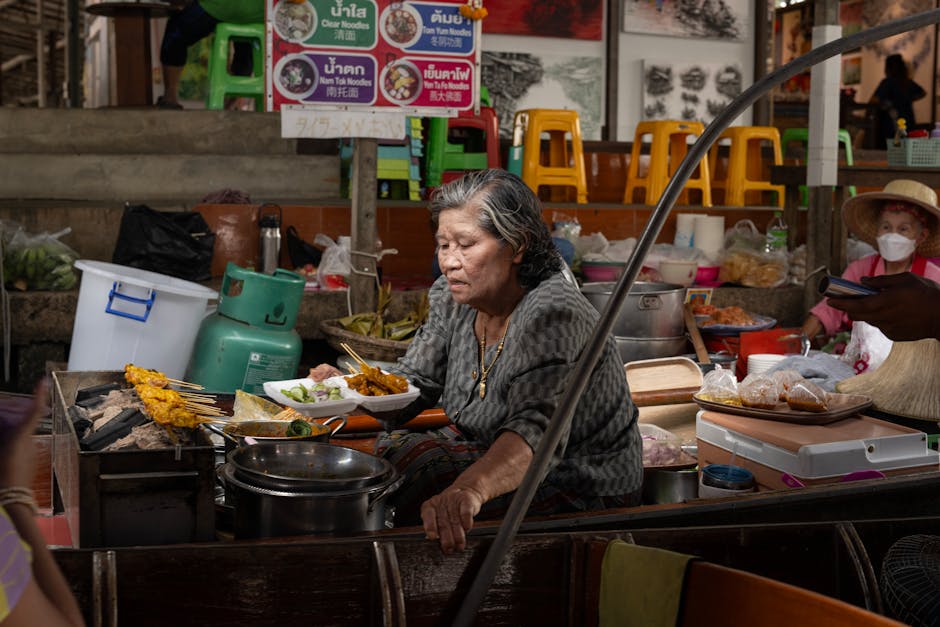
Thailand has always been a place that rewards the curious. The traveler who ducks into the unmarked soi, who follows the scent of charcoal-grilled satay past the main road, who lingers at a temple courtyard long after the tour buses have pulled away. In 2026, the country is more walkable and more exciting than ever, with new cultural events, freshly opened neighborhoods, and a creative energy that pulses from Bangkok's riverside warehouses to Chiang Mai's moat-side cafes.
Whether you are planning your first trip or your fifth, exploring Thailand with an audioguide on your phone is one of the best ways to go deep without the constraints of a group schedule. You set the pace. You choose the detours. And you get the stories behind what you are seeing, right in your ear, exactly when you need them.
We put together this guide to help you plan a self-guided trip through Thailand in 2026, covering the biggest events worth timing your visit around, the best cities for walking with an audio tour, and practical tips for hitting the streets on foot.
Thailand Events Worth Planning Around in 2026
Timing matters in Thailand. The difference between visiting Bangkok in April versus February is the difference between dancing in the world's biggest water fight and quietly exploring golden temples in the cool morning air. Here are the events that should shape your 2026 calendar.
Songkran (April 13-15) is the one everyone knows, and it lives up to the hype. The Thai New Year transforms every city into a joyful, drenching water battle. Bangkok's Khao San Road and Silom Road become ground zero, but the celebration in Chiang Mai is arguably even more intense, with the old city moat serving as a giant communal splash zone. Beyond the water fights, Songkran is a deeply spiritual time: temple visits, merit-making ceremonies, and paying respect to elders are at the heart of it.
Phi Ta Khon Masked Festival (June 20-22) in Dan Sai, Loei Province, is one of Thailand's most visually striking events. Locals parade through town in elaborate, hand-painted ghost masks and colorful costumes. It is part Buddhist ceremony, part carnival, and entirely unique. Worth the detour from the main tourist trail.
Ubon Ratchathani Candle Festival (late July) marks the beginning of Buddhist Lent with enormous, intricately carved wax sculptures paraded through the streets. The craftsmanship is staggering, with some candle floats taking months to complete.
Phuket Vegetarian Festival (October 10-18) is not for the faint-hearted. Nine days of ritual vegetarianism, elaborate street processions, and fire-walking ceremonies rooted in Chinese Taoist traditions. The street food during this festival is exceptional: think crispy tofu with chili oil, mushroom larb, and pumpkin curry served from every other shopfront in Phuket Town.
Bangkok Art Biennale (October 2026 to February 2027) turns the city into an open-air gallery. Contemporary art installations pop up inside historic temples, along the Chao Phraya riverfront, and in repurposed warehouses. Walking through Bangkok during the Biennale means encountering art in the most unexpected places, a perfect pairing with a self-guided audio tour.
Loy Krathong (November) is pure magic. As darkness falls, thousands of lotus-shaped floats made from banana leaves, flowers, and candles are set adrift on rivers and canals across the country. In Chiang Mai, the companion festival of Yi Peng adds thousands of sky lanterns rising into the night. It is one of the most photogenic moments in all of Southeast Asia.
Tomorrowland Thailand (December 11-13) brings one of the world's biggest electronic music festivals to Wisdom Valley in Pattaya for the first time. If you are combining a cultural trip with some nightlife, the timing could not be better.
Bangkok: The Ultimate City for an Audioguide Adventure
Bangkok is a city that reveals itself in layers. The surface is all neon and noise, tuk-tuks and skyscrapers. But walk a few minutes off the main road and you find yourself in a different world: a quiet canal-side community, a century-old shophouse converted into a gallery, a temple courtyard where monks sweep fallen frangipani petals in the early light.
This is what makes Bangkok one of the best cities in the world for self-guided audio tours. The density of history, food, and culture packed into its neighborhoods means you can spend an entire afternoon exploring a single district and barely scratch the surface.
Rattanakosin Island: The Royal Heart
Start where Bangkok itself started. The old royal district of Rattanakosin is home to the Grand Palace, Wat Pho (birthplace of Thai massage), and the City Pillar Shrine. Walking here with an audioguide means understanding why each building faces the direction it does, what the murals of the Ramakien actually depict, and how the Chakri Dynasty shaped the city you see today. The route from the City Pillar Shrine through the Grand Palace complex and down to the reclining Buddha at Wat Pho is one of the most rewarding walks in all of Southeast Asia.
Yaowarat (Chinatown): Street Food After Dark
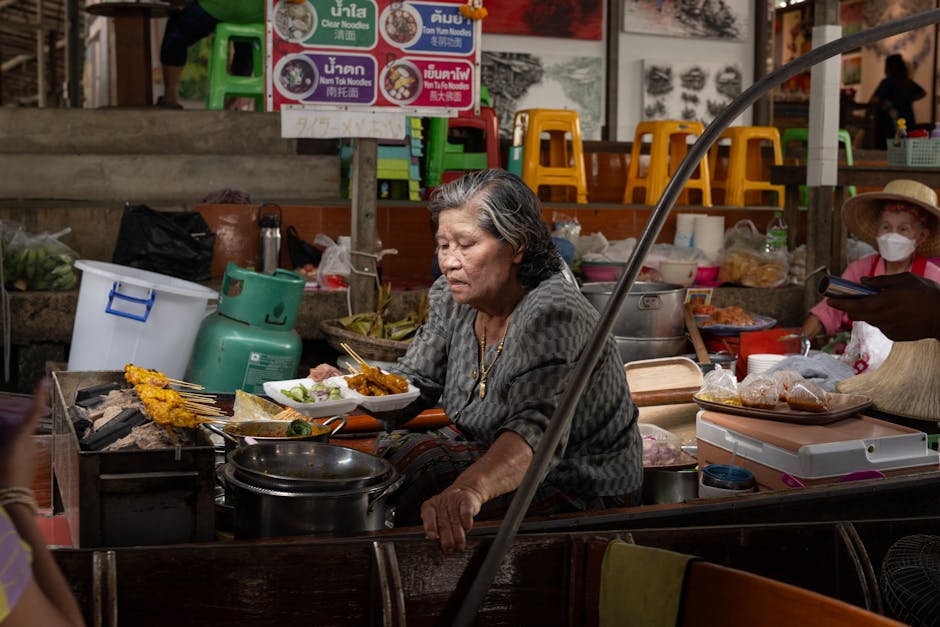
When the sun sets, Yaowarat wakes up. Bangkok's Chinatown is one of the world's great street food destinations, and exploring it on foot with an audio tour in your ear is the best way to know what you are eating and why it matters. The route winds from the incense-filled Wat Mangkon Kamalawat through narrow Plaeng Nam Road (where traditional Chinese instrument shops still operate) and out onto the main strip, where the smoky aroma of charcoal-grilled seafood and the sizzle of wok-fried noodles fill the air. End at the Chinatown Gate and the golden Buddha at Wat Traimit. Bring your appetite and leave the schedule behind.
Charoen Krung: The Creative District
Bangkok's oldest paved road is now its coolest creative neighborhood. The Charoen Krung district in Bang Rak is where crumbling 19th-century European facades sit next to contemporary art galleries, specialty coffee roasters, and design studios built inside old warehouses. An audio tour here connects the dots between the historic Custom House on the river, the Brutalist General Post Office, the stained glass of Assumption Cathedral, and the street art that has transformed once-forgotten alleyways into open-air exhibitions. Perfect for a late afternoon walk when the light hits the river just right.
Explore all self-guided walking tours in Bangkok
Chiang Mai: Temples, Trails, and the Lanna Soul
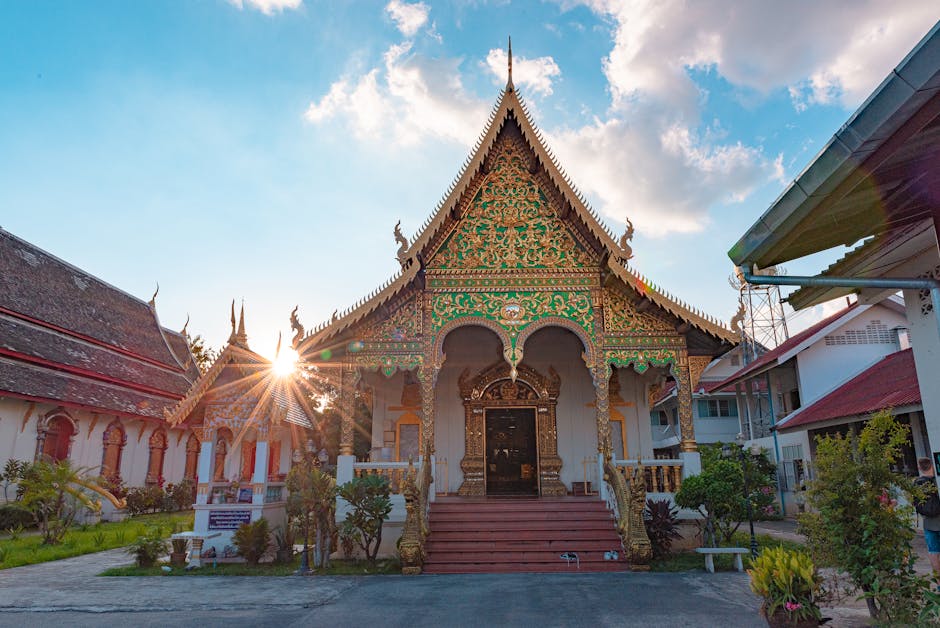
If Bangkok is Thailand's adrenaline, Chiang Mai is its deep breath. The northern capital sits in a mountain valley, encircled by a 700-year-old moat and the remains of ancient city walls. The pace here is slower, the air cooler, and the concentration of temples per square kilometer is unlike anywhere else in the country.
Chiang Mai is a natural fit for self-guided walking tours. The Old City is compact enough to cover on foot, and the surrounding neighborhoods, from the artisan workshops of Wua Lai to the hipster cafes of Nimman, each have a distinct personality that rewards exploration.
The Old City: Sacred Spirits Walk
The essential Chiang Mai walk. Starting at the massive, partially ruined chedi of Wat Chedi Luang (which once housed the Emerald Buddha), the route leads through the Old City's grid of temple-studded streets. You will pass the Three Kings Monument, where the city's founding is commemorated, before arriving at Wat Phra Singh with its exquisite Lanna-style murals. The walk finishes at the iconic Tha Phae Gate, the best-preserved section of the old walls. An audioguide transforms this from a temple-hopping checklist into a story about the Lanna Kingdom, its people, and its enduring spiritual traditions.
The Monk's Trail to Wat Pha Lat
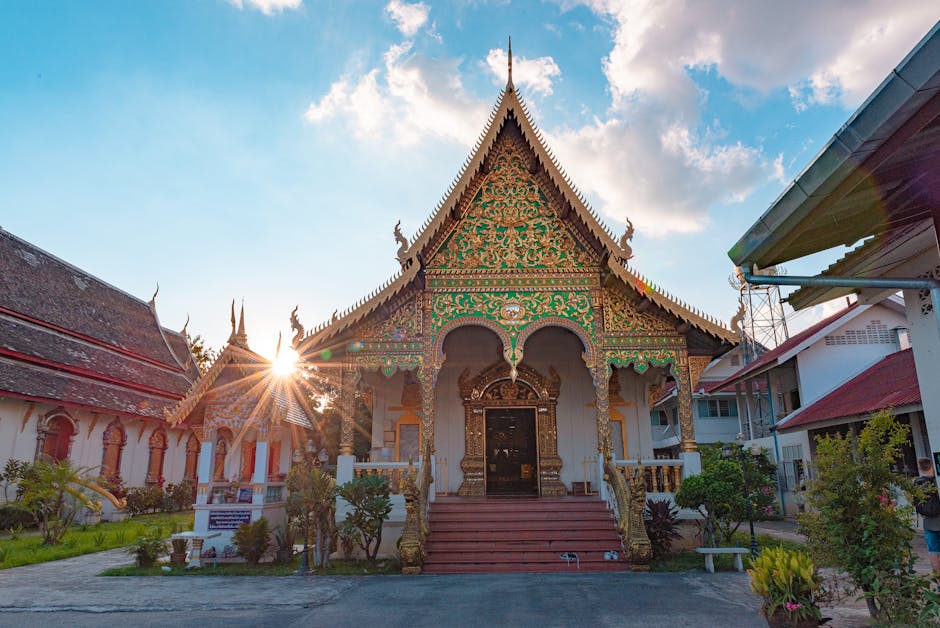
This is the walk that changes how you see Chiang Mai. The route starts in the city and gradually ascends into the forested slopes of Doi Suthep, following the ancient path that monks have walked for centuries. The destination is Wat Pha Lat, a hidden forest temple where moss-covered stone nagas guard trickling waterfalls and Lanna carvings seem to grow out of the jungle itself. It is a challenging hike, but the reward is a kind of stillness you will not find anywhere else near the city. Most visitors take the road up to the famous Doi Suthep temple; this trail takes you to the quieter, more atmospheric temple that the monks actually prefer.
Nimman and the Creative Quarter
For a different side of Chiang Mai, head west to the Nimmanhaemin area. This is where university students, digital nomads, and young Thai creatives converge. The streets are lined with independent bookshops, art galleries, ceramics studios, and some of the best specialty coffee in Southeast Asia. A self-guided stroll through Nimman connects the dots between Chiang Mai's artistic present and its artisan past, from contemporary street art back to traditional Lanna design.
Explore all self-guided walking tours in Chiang Mai
Why an Audioguide Is the Best Way to Explore Thailand
Thailand's cities are dense, layered, and full of stories that are invisible to the untrained eye. That golden spire is not just pretty; it marks a 14th-century trade agreement. That narrow alley is not a dead end; it leads to a 100-year-old noodle shop that locals have been eating at for three generations.
An audioguide on your phone bridges the gap between seeing and understanding. And unlike a group tour, you are free to stop when you want, skip what does not interest you, and spend an extra 20 minutes at the place that captivates you. In a country where some of the best discoveries happen when you wander off the planned route, that freedom matters.
With Zigway, you get free self-guided audio tours that work entirely on your phone. No booking, no schedules, no groups. Just you, your headphones, and the city unfolding around you.
Tips for Self-Guided Walking Tours in Thailand
Beat the heat. Start early. The best walking hours are 7 to 10 AM and 4 to 6 PM. Midday heat in Bangkok can reach 35 degrees Celsius or higher, and even Chiang Mai gets warm from March to May. Temple visits are especially pleasant at dawn, when the air is cool and the grounds are nearly empty.
Dress for temples. Shoulders and knees must be covered at all Thai temples. Carry a lightweight scarf or sarong in your daypack. Shoes come off at every temple entrance, so slip-ons save time.
Stay hydrated. 7-Eleven is your best friend. There is one on nearly every block in Bangkok and Chiang Mai. Grab water, electrolyte drinks, and the surprisingly good iced coffee before you set out.
Use the BTS and MRT in Bangkok. You do not need to walk between districts. Take the Skytrain or Metro to your starting point, then explore the neighborhood on foot. The Sanam Chai MRT station drops you right at the edge of Rattanakosin.
Download your audio tours before you go. Wi-Fi in Thailand is generally good, but having your Zigway tours downloaded means you will not lose your guide when you duck into a temple basement or wander into a market with no signal.
Embrace the detour. The best moments in Thailand happen off-script. If a side street catches your eye, take it. If a street vendor is grilling something that smells incredible, stop. The audioguide will be there when you are ready to come back.
Start Planning Your Thailand Walking Adventure
Thailand in 2026 is a country buzzing with creative energy, steeped in tradition, and wide open for exploration on foot. Whether you time your visit for the water-soaked joy of Songkran, the lantern-lit magic of Loy Krathong, or the art-filled streets of the Bangkok Biennale, the best way to experience it all is at your own pace, with stories in your ear and the freedom to follow your curiosity wherever it leads.
Browse all of our free self-guided audio tours across Asia and beyond, and start planning your Thailand trip today.


